

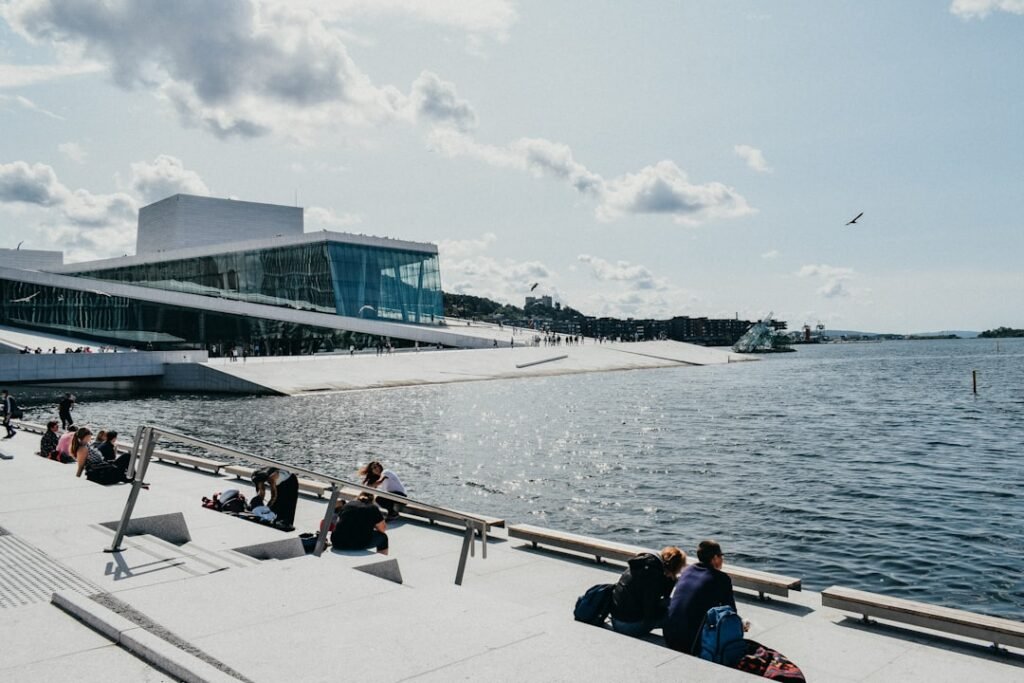
Norwegian work culture is often characterised by a strong emphasis on egalitarianism, collaboration, and a healthy work-life balance. The workplace is typically seen as a community where every employee’s input is valued, regardless of their position within the company. This cultural trait stems from Norway’s historical roots in social democracy, which promotes equality and fairness.
As a result, employees are encouraged to express their opinions openly, fostering an environment of trust and mutual respect. This collaborative spirit not only enhances team dynamics but also leads to innovative solutions and improved productivity. Moreover, the Norwegian work culture places significant importance on transparency and honesty.
Employees are expected to communicate openly with their colleagues and superiors, which helps to build a strong foundation of trust within the organisation. This transparency extends to decision-making processes, where employees are often involved in discussions that affect their work. Such inclusivity not only empowers individuals but also cultivates a sense of ownership over their tasks and responsibilities.
Understanding these cultural nuances is essential for anyone looking to integrate successfully into the Norwegian workplace. Register for a Business Norwegian course at the NLS Norwegian Language School now!
Summary
- Norwegian work culture values a healthy work-life balance and places importance on family and personal time.
- Communication in the Norwegian workplace is often direct, open, and egalitarian, with an emphasis on consensus-building and collaboration.
- Hierarchical structures in Norwegian workplaces are relatively flat, and decision-making processes tend to be inclusive and participatory.
- Professional attire in Norwegian offices is typically smart and conservative, with a focus on neatness and modesty.
- Building relationships and networking in the Norwegian business environment is based on trust, authenticity, and long-term investment in personal connections.
Communication Styles in the Norwegian Workplace
In Norway, communication is typically direct and straightforward. Norwegians value clarity and brevity, often preferring to get straight to the point rather than engage in small talk or elaborate pleasantries. This approach can sometimes be perceived as bluntness by those from cultures that favour more indirect communication styles.
However, it is important to recognise that this directness is not intended to offend; rather, it reflects a cultural preference for honesty and efficiency in professional interactions. Additionally, non-verbal communication plays a significant role in the Norwegian workplace. While verbal communication is essential, body language, eye contact, and facial expressions can convey just as much meaning.
Norwegians tend to maintain steady eye contact during conversations, which signifies attentiveness and respect. However, excessive gesturing or overly animated expressions may be viewed as unprofessional or distracting. Understanding these subtleties can greatly enhance one’s ability to communicate effectively within a Norwegian business context.
Navigating Hierarchical Structures and Decision-Making Processes
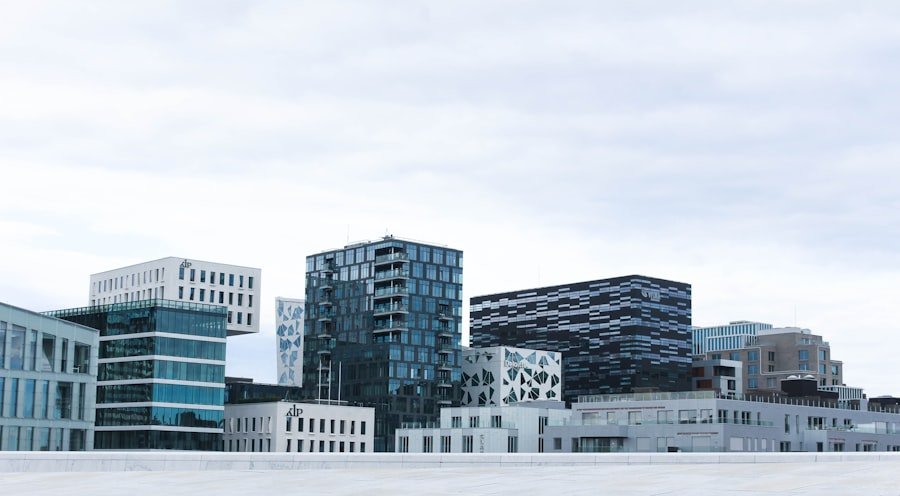
Norwegian workplaces generally exhibit a flat organisational structure, which contrasts sharply with more hierarchical systems found in other countries. In this environment, employees at all levels are encouraged to contribute ideas and participate in decision-making processes. This egalitarian approach fosters a sense of belonging and encourages creativity, as individuals feel empowered to share their insights without fear of retribution or dismissal.
Decision-making in Norway often involves consensus-building rather than top-down directives. Meetings are typically held to discuss various viewpoints before arriving at a collective agreement. This process can sometimes be time-consuming, but it ensures that all voices are heard and considered.
For expatriates or foreign workers, adapting to this collaborative decision-making style may require patience and an open mind, as it differs significantly from more authoritarian approaches prevalent in other cultures.
Balancing Work and Personal Life in Norway
One of the hallmarks of Norwegian work culture is its commitment to maintaining a healthy work-life balance. The average workweek in Norway is around 37.5 hours, with many companies offering flexible working hours to accommodate personal commitments. This flexibility allows employees to manage their time effectively, ensuring that they can fulfil both professional responsibilities and personal interests without feeling overwhelmed.
Norwegians place great value on leisure time and family life, often prioritising these aspects over career advancement. It is common for employees to leave work promptly at the end of the day to spend time with family or engage in recreational activities. This cultural norm not only contributes to overall well-being but also enhances productivity during working hours, as employees return to work refreshed and motivated.
For those new to the Norwegian workplace, embracing this balance can lead to a more fulfilling professional experience.
Dress Code and Professional Etiquette in Norwegian Offices
The dress code in Norwegian offices tends to be relatively casual compared to many other countries. While professionalism is still expected, employees often opt for smart-casual attire rather than formal business wear. This relaxed approach reflects the egalitarian nature of Norwegian society, where hierarchy is less pronounced and personal expression is encouraged.
However, it is essential for newcomers to observe the specific dress norms within their organisation, as some industries may have stricter guidelines than others. Professional etiquette in Norway also emphasises respect for personal space and boundaries. Norwegians typically value their privacy and may be reserved when interacting with colleagues, especially in initial encounters.
It is advisable for newcomers to approach interactions with a degree of formality until they become more familiar with their colleagues’ preferences. Additionally, punctuality is highly regarded in professional settings; arriving on time for meetings and appointments demonstrates respect for others’ time and commitments.
Building Relationships and Networking in the Norwegian Business Environment
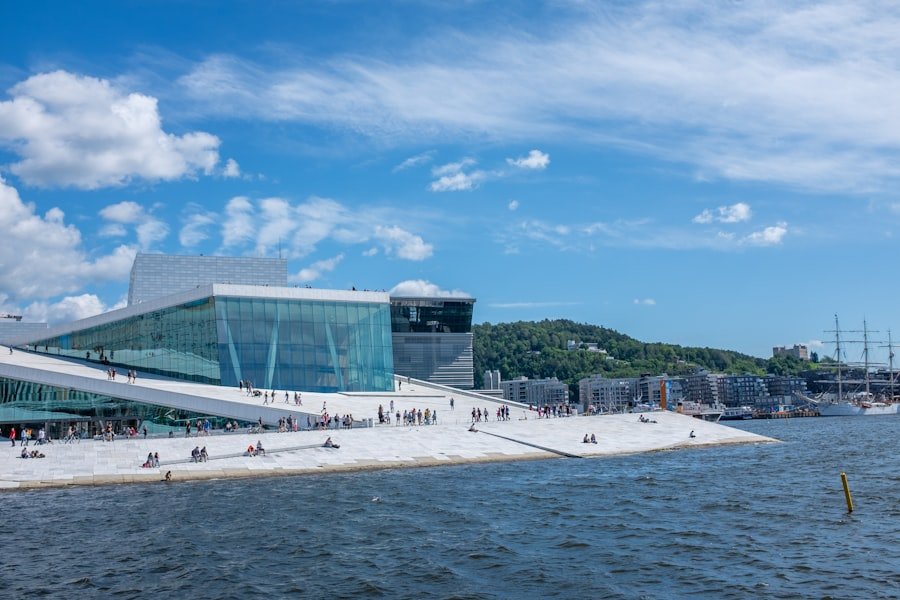
Building relationships in the Norwegian business environment can take time, as Norwegians tend to be cautious when forming new connections. However, once trust is established, they are known for being loyal and supportive colleagues. Networking opportunities often arise through informal gatherings or social events rather than formal business functions.
Engaging in activities such as team-building exercises or after-work socialising can help foster connections and create a sense of camaraderie among colleagues. It is also important to approach networking with authenticity and sincerity. Norwegians appreciate genuine interactions over superficial networking tactics.
Taking the time to understand your colleagues’ interests and values can go a long way in building meaningful relationships that extend beyond the workplace. As an expatriate or foreign worker, demonstrating an interest in Norwegian culture and customs can further enhance your ability to connect with others in the business community.
Time Management and Punctuality in Norwegian Workplaces
Time management is a critical aspect of the Norwegian work culture, where punctuality is not just appreciated but expected. Arriving on time for meetings and appointments is seen as a sign of professionalism and respect for others’ schedules. In fact, being late can be perceived as inconsiderate or unprofessional, which may negatively impact one’s reputation within the workplace.
Norwegians also value efficiency in their work processes. Meetings are typically well-structured with clear agendas, allowing participants to stay focused and make the most of their time together. It is common for meetings to start promptly at the scheduled time, so it is advisable for newcomers to arrive early and be prepared to contribute meaningfully to discussions.
By adhering to these time management practices, expatriates can demonstrate their commitment to professionalism while integrating smoothly into the Norwegian work environment.
Dealing with Conflict and Giving Feedback in the Norwegian Workplace
Conflict resolution in the Norwegian workplace tends to be approached with a focus on collaboration and understanding rather than confrontation. When disagreements arise, employees are encouraged to address issues directly with one another in a respectful manner. This open dialogue allows for differing perspectives to be heard and considered, ultimately leading to more effective solutions.
Feedback is also an integral part of professional development in Norway. Constructive criticism is typically delivered in a straightforward yet supportive manner, emphasising growth rather than blame. Employees are encouraged to provide feedback not only to their peers but also to their superiors, fostering an environment of continuous improvement.
For expatriates navigating this landscape, being receptive to feedback while also offering it thoughtfully can enhance relationships and contribute positively to team dynamics.
Understanding the Role of Gender Equality in Norwegian Workplaces
Gender equality is deeply ingrained in Norwegian work culture, with policies and practices designed to promote equal opportunities for all employees regardless of gender. Norway consistently ranks among the top countries for gender equality globally, reflecting its commitment to creating inclusive workplaces where everyone can thrive. This cultural norm extends beyond mere representation; it encompasses equal pay for equal work, parental leave policies that support both mothers and fathers, and initiatives aimed at breaking down traditional gender roles.
In practice, this means that women are well-represented in leadership positions across various industries, challenging stereotypes that may exist elsewhere. For expatriates entering the Norwegian workforce, understanding this commitment to gender equality is crucial for fostering respectful relationships with colleagues of all genders. Embracing this cultural value not only aligns with local expectations but also contributes positively to creating an inclusive workplace environment.
Embracing Diversity and Inclusivity in the Norwegian Work Culture
Norway’s commitment to diversity and inclusivity is evident across its workplaces, where individuals from various backgrounds are welcomed and valued for their unique perspectives. This cultural openness enriches the work environment by fostering creativity and innovation through diverse ideas and experiences. Companies often implement policies aimed at promoting diversity within their teams, recognising that varied viewpoints lead to better decision-making and problem-solving.
For expatriates or foreign workers entering this landscape, embracing diversity means being open-minded and respectful towards colleagues from different cultures and backgrounds. Engaging in conversations about diversity can help build bridges between individuals while fostering an inclusive atmosphere where everyone feels valued. By actively participating in initiatives that promote inclusivity, newcomers can contribute positively to the overall workplace culture.
Adapting to the Unwritten Rules of the Norwegian Workplace as an Expat or Foreign Worker
Navigating the unwritten rules of the Norwegian workplace can be challenging for expatriates or foreign workers who may not be familiar with local customs and practices. These unwritten rules often encompass subtle nuances related to communication styles, social interactions, and workplace dynamics that may not be explicitly stated but are nonetheless important for successful integration. To adapt effectively, newcomers should observe their colleagues’ behaviours closely while seeking guidance from trusted peers or mentors within the organisation.
Engaging in informal conversations about workplace culture can provide valuable insights into these unwritten rules while helping expatriates feel more comfortable navigating their new environment. Additionally, participating in training programmes or workshops focused on cultural integration can further enhance one’s understanding of these nuances. As part of this journey towards successful integration into the Norwegian workplace, language proficiency plays a crucial role.
The NLS Norwegian Language School in Oslo offers specialised Business Norwegian courses designed specifically for professionals looking to enhance their language skills within a business context. These courses not only focus on language acquisition but also delve into cultural nuances relevant to the workplace environment. By enrolling in Business Norwegian courses at NLS, expatriates can gain confidence in their communication abilities while developing a deeper understanding of local customs and practices that govern professional interactions in Norway.
This investment in language education will undoubtedly facilitate smoother integration into the workplace while fostering stronger relationships with colleagues across various levels of the organisation. In conclusion, understanding the intricacies of Norwegian work culture is essential for anyone looking to thrive professionally in Norway. By embracing its values of equality, collaboration, transparency, and inclusivity while honing language skills through dedicated courses like those offered at NLS Norwegian Language School, expatriates can navigate this unique landscape with confidence and success.
Register for a Business Norwegian course at the NLS Norwegian Language School now!




