


In the rapidly evolving landscape of global commerce, staying informed about the latest developments in Norwegian business news and economic reports is essential for anyone looking to engage with the Norwegian market. Norway, known for its robust economy and high standard of living, presents a unique environment for both local and international businesses. The country’s economic stability, underpinned by its rich natural resources and a strong welfare system, makes it an attractive destination for investment and entrepreneurship.
Understanding the nuances of Norwegian business news is crucial for making informed decisions, whether one is a seasoned investor or a newcomer to the market. Norwegian business news encompasses a wide array of topics, from corporate earnings reports to government policy changes that can significantly impact the economic landscape. Economic reports provide insights into key indicators such as GDP growth, unemployment rates, and inflation, which are vital for assessing the overall health of the economy.
By keeping abreast of these developments, stakeholders can better navigate the complexities of the Norwegian market and identify potential opportunities or challenges that may arise. Register for a Business Norwegian course at the NLS Norwegian Language School now!
Summary
- Norwegian business news and economic reports provide valuable insights into the country’s economic landscape and market trends.
- Key terms and concepts in Norwegian business and economics, such as GDP, inflation, and unemployment rate, are essential for understanding economic reports.
- The Norwegian economic landscape is influenced by factors such as natural resources, technology, and international trade.
- Interpreting economic indicators and reports requires a deep understanding of the Norwegian market and its unique characteristics.
- Analyzing Norwegian business news and market trends can help identify opportunities and risks for investors and businesses.
Key Terms and Concepts in Norwegian Business and Economics
To effectively engage with Norwegian business news and economic reports, it is imperative to familiarise oneself with key terms and concepts that are frequently used in this context. Terms such as “bruttonasjonalprodukt” (Gross Domestic Product), “inflasjon” (inflation), and “arbeidsledighet” (unemployment) are fundamental to understanding the economic framework of Norway. Additionally, concepts like “velferdsstat” (welfare state) and “bærekraftig utvikling” (sustainable development) reflect the values that underpin Norway’s approach to business and economics.
Moreover, understanding the structure of the Norwegian economy is essential. Norway operates a mixed economy, combining elements of free-market capitalism with significant government intervention. This unique blend influences various sectors, including oil and gas, shipping, and fisheries, which are pivotal to the nation’s economic success.
Familiarity with these terms and concepts not only enhances comprehension of business news but also aids in effective communication within the Norwegian business environment.
Understanding the Norwegian Economic Landscape
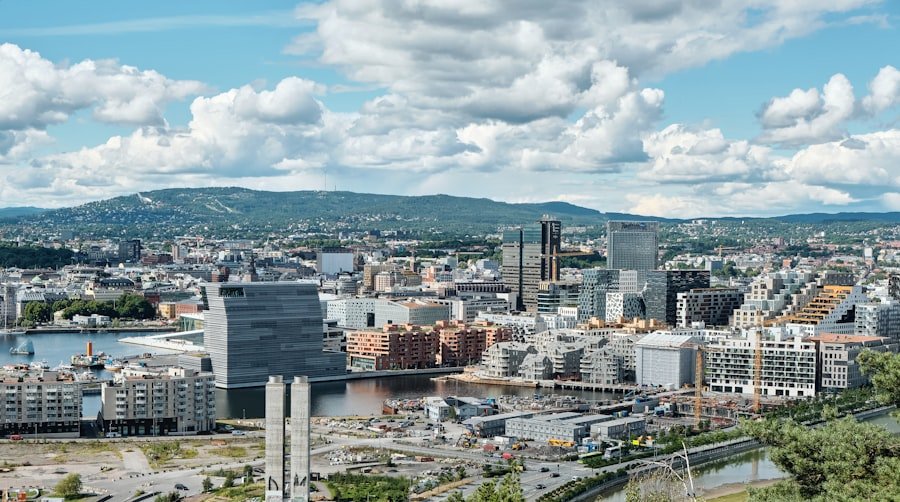
The Norwegian economic landscape is characterised by its wealth of natural resources, particularly oil and gas, which have historically driven economic growth. The country is one of the largest exporters of oil in Europe, and this sector plays a crucial role in shaping national policies and economic strategies. However, Norway’s economy is not solely reliant on hydrocarbons; it also boasts a diverse range of industries including maritime shipping, seafood production, and renewable energy.
This diversification helps mitigate risks associated with fluctuations in global oil prices. In addition to its resource wealth, Norway benefits from a highly educated workforce and a strong emphasis on innovation. The government invests significantly in research and development, fostering an environment conducive to technological advancement and entrepreneurship.
This commitment to innovation is evident in sectors such as information technology and green energy, where Norway is making strides towards a sustainable future. Understanding this multifaceted economic landscape is vital for anyone looking to engage with Norwegian businesses or invest in the country.
How to Interpret Economic Indicators and Reports
Interpreting economic indicators and reports is a critical skill for anyone involved in Norwegian business. Key indicators such as GDP growth rates, inflation levels, and consumer confidence indices provide valuable insights into the health of the economy. For instance, a rising GDP indicates robust economic activity, while high inflation may signal potential challenges for consumers and businesses alike.
Understanding these indicators allows stakeholders to make informed predictions about future economic trends. Moreover, it is essential to consider the context in which these indicators are presented. Economic reports often include comparative data from previous periods or other countries, providing a broader perspective on Norway’s performance.
Analysts must also be aware of seasonal variations that can affect certain indicators, such as tourism-related GDP fluctuations during summer months. By critically analysing these reports, one can gain a deeper understanding of the underlying factors driving economic performance in Norway.
Analyzing Norwegian Business News and Market Trends
The ability to analyse Norwegian business news and market trends is crucial for making strategic decisions in this dynamic environment. Keeping track of major corporate announcements, mergers and acquisitions, and shifts in consumer behaviour can provide valuable insights into market dynamics. For example, if a leading company announces significant layoffs or restructuring plans, it may indicate broader challenges within that sector or the economy as a whole.
Furthermore, understanding market trends requires an awareness of both domestic and international factors that can influence business operations. For instance, changes in trade agreements or shifts in global commodity prices can have direct implications for Norwegian companies engaged in international trade. By synthesising information from various sources, stakeholders can develop a comprehensive view of market conditions and identify potential opportunities for growth or investment.
The Role of Government Policies and Regulations in Norwegian Business

Government policies and regulations play a pivotal role in shaping the business environment in Norway. The country’s regulatory framework is designed to promote fair competition while ensuring consumer protection and environmental sustainability. For instance, stringent regulations governing emissions have propelled many companies to adopt greener practices, aligning with Norway’s commitment to sustainability.
Additionally, government initiatives aimed at fostering innovation and entrepreneurship are crucial for driving economic growth. Programs that support start-ups through funding or mentorship can significantly impact the landscape by encouraging new business ventures. Understanding these policies allows businesses to navigate regulatory requirements effectively while leveraging available resources to enhance their operations.
Impact of Global Economic Trends on Norwegian Business
Norwegian businesses are not insulated from global economic trends; rather, they are intricately linked to international markets. Fluctuations in global oil prices can have immediate repercussions on Norway’s economy due to its reliance on oil exports. Similarly, changes in demand from key trading partners can influence various sectors within Norway, from shipping to seafood production.
Moreover, global economic trends such as trade wars or shifts towards protectionism can create challenges for Norwegian companies operating internationally. Staying informed about these trends enables businesses to adapt their strategies accordingly, whether by diversifying their markets or adjusting their supply chains to mitigate risks associated with global uncertainties.
Interpreting Financial Statements and Reports from Norwegian Companies
For investors and stakeholders looking to engage with Norwegian companies, interpreting financial statements is an essential skill. Key documents such as balance sheets, income statements, and cash flow statements provide insights into a company’s financial health and operational efficiency. Understanding how to read these documents allows stakeholders to assess profitability, liquidity, and overall performance.
Additionally, familiarity with accounting standards used in Norway is crucial for accurate interpretation. The Norwegian Accounting Act governs financial reporting practices, ensuring transparency and consistency across companies. By mastering these financial principles, investors can make informed decisions based on a comprehensive understanding of a company’s financial position.
Identifying Opportunities and Risks in the Norwegian Market
Identifying opportunities and risks within the Norwegian market requires a keen understanding of both macroeconomic factors and industry-specific dynamics. For instance, sectors such as renewable energy are experiencing significant growth due to government incentives aimed at reducing carbon emissions. Conversely, industries heavily reliant on fossil fuels may face challenges as global attitudes shift towards sustainability.
Moreover, understanding consumer behaviour is vital for identifying market opportunities. Trends such as increased demand for organic products or digital services can present lucrative avenues for businesses willing to adapt their offerings accordingly. By conducting thorough market research and analysis, stakeholders can pinpoint areas ripe for investment while remaining vigilant about potential risks that may arise.
Strategies for Making Informed Decisions in the Norwegian Business Environment
In order to thrive within the Norwegian business environment, stakeholders must adopt strategies that facilitate informed decision-making. One effective approach is to leverage data analytics tools that provide real-time insights into market trends and consumer behaviour. By harnessing technology, businesses can make data-driven decisions that enhance their competitive edge.
Additionally, fostering relationships with local experts or industry associations can provide invaluable insights into navigating the complexities of the Norwegian market. Networking opportunities allow businesses to gain firsthand knowledge about regulatory changes or emerging trends that may impact their operations. By combining data analysis with local expertise, stakeholders can develop comprehensive strategies that align with both market demands and regulatory requirements.
Conclusion and Resources for Further Learning
In conclusion, engaging with Norwegian business news and economic reports requires a multifaceted understanding of key concepts, market dynamics, and regulatory frameworks. By staying informed about economic indicators and trends while honing analytical skills related to financial statements, stakeholders can navigate this complex landscape effectively. For those looking to deepen their knowledge further, resources such as online courses or workshops focused on Norwegian business practices can be invaluable.
The NLS Norwegian Language School in Oslo offers specialised Business Norwegian courses designed to equip individuals with the language skills necessary for success in the local market. These courses not only enhance language proficiency but also provide insights into cultural nuances that are essential for effective communication within the Norwegian business environment. Embracing these learning opportunities will undoubtedly empower individuals to thrive in Norway’s vibrant economic landscape.
Register for a Business Norwegian course at the NLS Norwegian Language School now!




