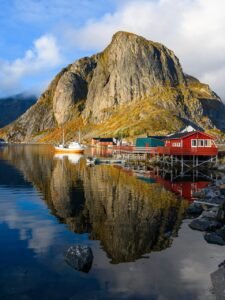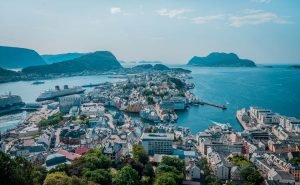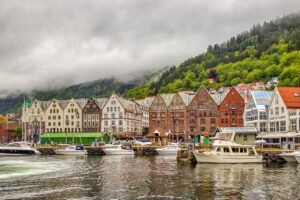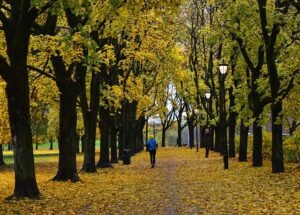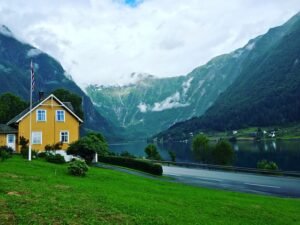
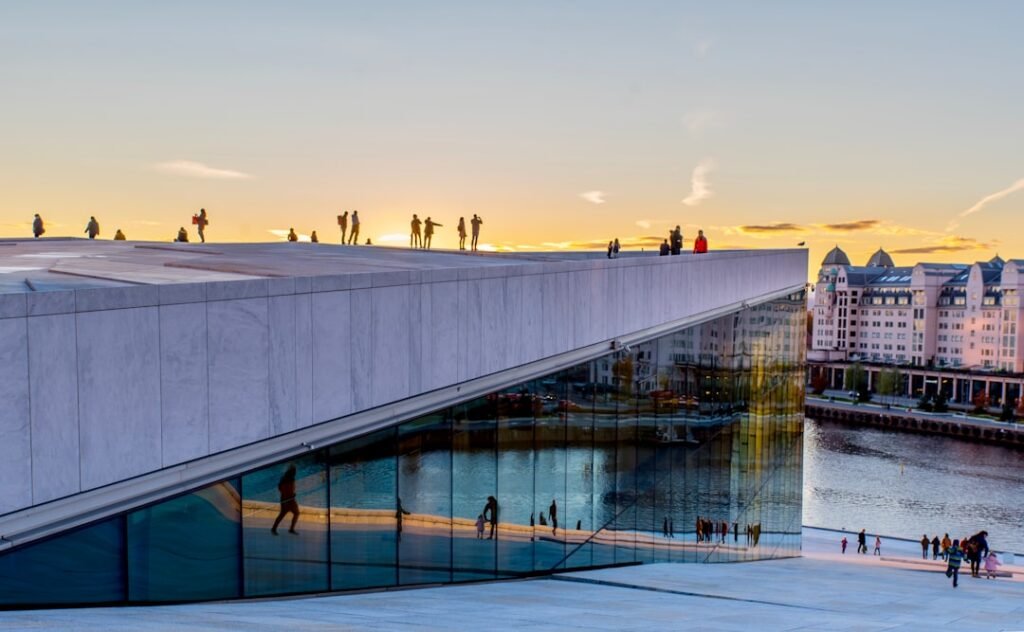
Norwegian culture is a rich tapestry woven from centuries of history, tradition, and the unique geographical landscape of the country. Nestled between the rugged fjords and expansive forests, Norway has cultivated a distinct identity that reflects its natural beauty and the resilience of its people. The culture is characterised by a deep respect for nature, a strong sense of community, and a commitment to egalitarian values.
As one delves into the nuances of Norwegian life, it becomes evident that the culture is not merely a collection of customs and practices but a living expression of the Norwegian spirit. At the heart of this culture lies a profound connection to the land and its resources. The Norwegians have historically relied on fishing, farming, and forestry, which has shaped their way of life and their interactions with one another.
This relationship with nature is not only practical but also spiritual, as many Norwegians find solace and inspiration in the breathtaking landscapes that surround them. As such, understanding Norwegian culture requires an appreciation for the interplay between the environment and the people who inhabit it. Think, debate, and work fluently in Norwegian. Secure your spot in the C1/C2 course now.
Summary
- ‘Koselig’ is a central concept in Norwegian culture, encompassing coziness, warmth, and a sense of wellbeing.
- Norwegians place a high value on nature, with outdoor activities and environmental conservation playing a significant role in their culture.
- Norwegian cuisine is known for its use of fresh, local ingredients and traditional dishes such as rakfisk and fårikål.
- Folklore and mythology are deeply ingrained in Norwegian society, with stories of trolls, elves, and Norse gods shaping the country’s cultural identity.
- Norwegian art, literature, and music reflect the country’s rich history and traditions, with influences from Viking sagas to modern Nordic noir literature.
The Concept of ‘Koselig’ in Norwegian Culture
One of the most cherished concepts in Norwegian culture is ‘koselig’, a term that encapsulates the essence of comfort, warmth, and togetherness. It is often translated as ‘cosy’, but its meaning extends far beyond mere physical comfort. ‘Koselig’ embodies a sense of belonging and contentment that arises from shared experiences, whether it be gathering around a fire with friends or enjoying a quiet evening at home with family.
This concept is deeply ingrained in the Norwegian way of life and serves as a guiding principle for social interactions. The pursuit of ‘koselig’ can be seen in various aspects of daily life, from the design of homes to the way Norwegians celebrate special occasions. Homes are often adorned with soft lighting, warm textiles, and inviting decor that create an atmosphere conducive to relaxation and connection.
During winter months, the emphasis on ‘koselig’ becomes even more pronounced, as families gather to enjoy traditional meals, play games, and share stories. This focus on creating intimate moments fosters strong bonds among individuals and reinforces the importance of community in Norwegian society.
Exploring Norwegian Social Etiquette and Customs
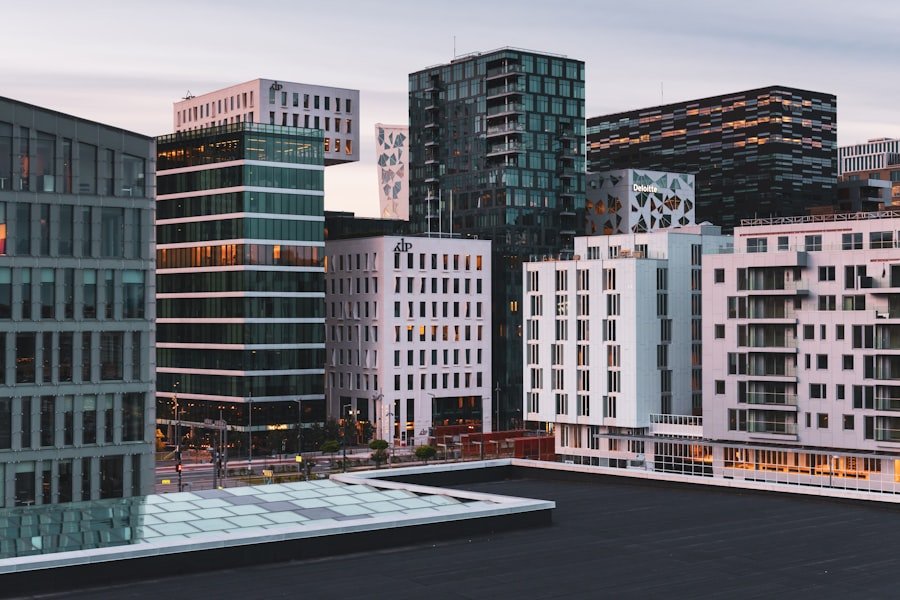
Norwegian social etiquette is characterised by a blend of formality and informality that can be both refreshing and perplexing for newcomers. One of the most notable aspects of Norwegian customs is the emphasis on equality and respect for personal space. Norwegians tend to value direct communication and honesty, often preferring to address issues openly rather than engaging in small talk.
This straightforwardness can be perceived as brusque by those from cultures where indirect communication is more common; however, it is rooted in a desire for transparency and authenticity. When it comes to social gatherings, punctuality is highly regarded in Norway. Arriving on time is seen as a sign of respect for others’ time and commitments.
Additionally, when invited to someone’s home, it is customary to bring a small gift, such as flowers or chocolates, as a token of appreciation. Once inside, guests may notice that shoes are often removed at the door—a practice that reflects both cleanliness and consideration for the host’s home. Understanding these nuances can greatly enhance one’s experience in social settings and foster deeper connections with Norwegians.
Understanding the Importance of Nature in Norwegian Culture
Nature holds a central place in Norwegian culture, influencing not only daily life but also national identity. The breathtaking landscapes—from towering mountains to serene fjords—are not merely backdrops but integral components of the Norwegian psyche. Outdoor activities such as hiking, skiing, and fishing are not just pastimes; they are deeply embedded in the cultural fabric and are often seen as essential for maintaining physical and mental well-being.
The concept of ‘friluftsliv’, or open-air living, encapsulates this ethos, encouraging individuals to embrace nature as a source of inspiration and rejuvenation. Moreover, Norwegians have a profound respect for environmental sustainability, which is reflected in their policies and practices. The country has made significant strides in promoting eco-friendly initiatives, from renewable energy sources to conservation efforts aimed at preserving its stunning landscapes for future generations.
This commitment to nature extends beyond mere appreciation; it is a fundamental aspect of what it means to be Norwegian. As such, understanding this relationship with nature is crucial for anyone seeking to grasp the essence of Norwegian culture.
Norwegian Cuisine and Culinary Traditions
Norwegian cuisine is a reflection of the country’s geography and climate, characterised by an abundance of fresh seafood, hearty meats, and seasonal vegetables. Traditional dishes often highlight local ingredients, with fish such as cod and salmon taking centre stage in many meals. One iconic dish is ‘rakfisk’, fermented fish that showcases Norway’s long-standing fishing traditions.
Additionally, ‘klippfisk’, or dried cod, has been a staple for centuries, demonstrating how Norwegians have adapted their culinary practices to suit their environment. Culinary traditions in Norway are also closely tied to seasonal celebrations and festivals. For instance, during Christmas, families gather to enjoy ‘ribbe’ (roast pork belly) or ‘lutefisk’ (dried fish reconstituted in lye), accompanied by an array of side dishes that reflect regional variations.
The emphasis on communal dining during these occasions reinforces the importance of family and togetherness in Norwegian culture. As one explores Norwegian cuisine, it becomes clear that food serves not only as sustenance but also as a means of connecting with heritage and fostering relationships.
The Role of Folklore and Mythology in Norwegian Society
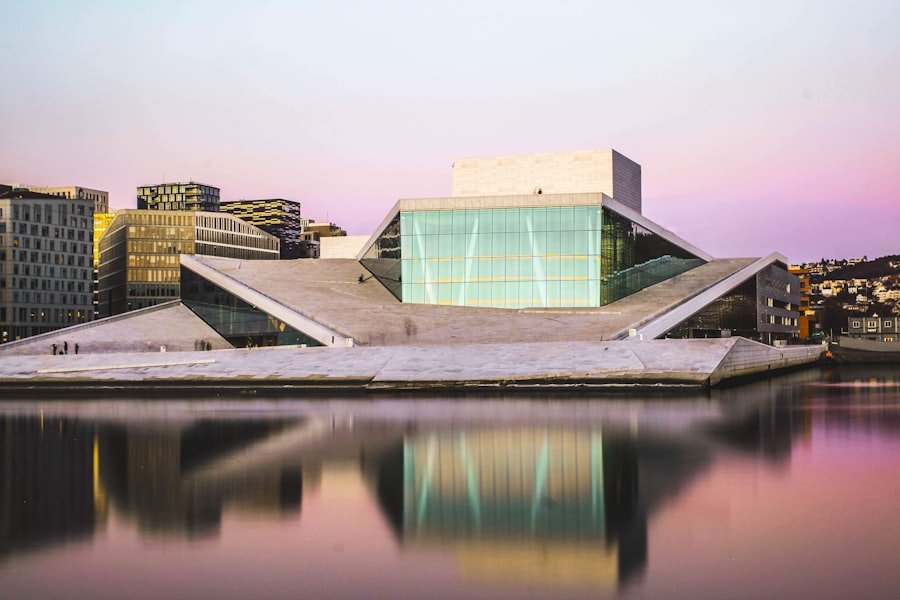
Folklore and mythology play a significant role in shaping Norwegian identity and cultural narratives. The rich tapestry of stories featuring trolls, elves, and other mythical beings reflects the Norwegians’ deep-rooted connection to nature and their attempts to explain the world around them. These tales often convey moral lessons or cultural values, serving as both entertainment and education for generations.
The enduring popularity of these stories highlights their relevance in contemporary society, where they continue to inspire literature, art, and even tourism. Moreover, traditional festivals often incorporate elements of folklore, allowing communities to celebrate their heritage while passing down stories to younger generations. Events such as ‘Norse Mythology Day’ or local folk festivals provide opportunities for people to engage with their cultural roots through music, dance, and storytelling.
This celebration of folklore not only fosters a sense of belonging but also reinforces the importance of preserving cultural narratives in an ever-changing world.
Norwegian Art, Literature, and Music
Norwegian art, literature, and music are vibrant expressions of the country’s cultural heritage and contemporary identity. The works of renowned artists such as Edvard Munch have left an indelible mark on the global art scene, with his iconic painting “The Scream” serving as a powerful representation of human emotion. Similarly, literature has flourished in Norway, with authors like Henrik Ibsen paving the way for modern drama through thought-provoking plays that explore societal issues.
Music also plays a vital role in Norwegian culture, encompassing a diverse range of genres from traditional folk music to contemporary pop. The haunting melodies of traditional folk songs often reflect themes of nature and everyday life, while modern artists continue to push boundaries by blending various musical styles. Festivals celebrating music—such as Øya Festival—draw both local talent and international acts, showcasing Norway’s dynamic artistic landscape.
Examining the Norwegian Education System and Work Culture
The Norwegian education system is renowned for its emphasis on inclusivity and equal opportunities for all students. Education is compulsory from ages six to sixteen, with a strong focus on fostering critical thinking skills rather than rote memorisation. This approach encourages students to engage actively with their learning environment while promoting creativity and collaboration among peers.
Furthermore, higher education is largely funded by the government, making it accessible to a broad spectrum of society. In terms of work culture, Norway is characterised by a strong emphasis on work-life balance and employee well-being. The typical workweek is shorter than in many other countries, allowing individuals ample time for leisure activities and family commitments.
This balance contributes to high levels of job satisfaction among Norwegians and reflects broader societal values prioritising quality of life over material success. As such, understanding these aspects of education and work culture provides valuable insight into what drives Norwegian society.
The Influence of History and Traditions on Modern Norwegian Society
Norway’s history has profoundly shaped its modern identity, with events such as the Viking Age leaving an enduring legacy on cultural practices and societal values. The transition from a monarchy to a constitutional democracy has fostered a sense of national pride while promoting egalitarian principles that continue to resonate today. Historical events are commemorated through various celebrations and public holidays that reinforce collective memory and national identity.
Traditions also play a crucial role in contemporary society; many Norwegians actively participate in cultural practices that connect them to their heritage. For instance, celebrating ’17th May’, Norway’s Constitution Day, involves parades featuring traditional costumes known as ‘bunad’, showcasing regional diversity while fostering national unity. These traditions serve as reminders of Norway’s rich past while reinforcing shared values among its citizens.
Navigating Norwegian Social Hierarchies and Communication Styles
Navigating social hierarchies in Norway can be both straightforward and nuanced due to the country’s commitment to egalitarianism. While there are certainly social structures present—such as professional hierarchies—Norwegians generally prefer informal interactions that transcend status differences. First names are commonly used even in professional settings, reflecting an openness that encourages collaboration over competition.
Communication styles tend to be direct yet respectful; Norwegians value honesty but also appreciate tactfulness when discussing sensitive topics. Non-verbal cues play an important role in conveying meaning; maintaining eye contact signifies engagement while respecting personal space demonstrates consideration for others’ comfort levels. Understanding these dynamics can enhance interpersonal relationships within both social and professional contexts.
Embracing Norwegian Festivals and Celebrations
Norwegian festivals offer vibrant glimpses into the country’s cultural heritage while fostering community spirit among participants. Events such as ‘Birkebeiner’, an annual ski race commemorating historical events from the 13th century, attract both locals and tourists alike who come together to celebrate athleticism amidst stunning landscapes. Similarly, ‘St.Hans’, or Midsummer’s Eve celebrations involve bonfires along coastlines—a tradition rooted in ancient customs that honour nature’s cycles.
Throughout the year, various regional festivals showcase local traditions through music performances, culinary delights, crafts exhibitions—and more—allowing communities to celebrate their unique identities while sharing them with others. These festivities not only strengthen social bonds but also serve as platforms for preserving cultural practices amidst an increasingly globalised world. In conclusion, exploring Norwegian culture reveals a multifaceted society deeply connected to its history, traditions, nature—and each other—creating an enriching experience for those who engage with it authentically.
From understanding concepts like ‘koselig’ to appreciating culinary delights or navigating social etiquette—each aspect contributes uniquely towards shaping what it means to be part of this remarkable nation today.