The concept of the “Year Wheel” in Norway is a fascinating representation of the cyclical nature of time, deeply rooted in the country’s cultural and agricultural practices. This wheel encapsulates the changing seasons, each with its own unique characteristics and significance. The Year Wheel is not merely a calendar; it is a reflection of how Norwegians have historically interacted with their environment, adapting their lifestyles to the rhythms of nature.
The four primary seasons—spring, summer, autumn, and winter—each bring distinct changes in weather, daylight, and natural phenomena, which have been celebrated and acknowledged through various traditions and customs. In Norway, the Year Wheel is also intertwined with the agricultural calendar, marking the times for planting, harvesting, and preparing for the winter months. This connection to the land is vital, as it influences not only farming practices but also social gatherings and community events.
The cyclical nature of the Year Wheel fosters a sense of continuity and belonging among Norwegians, as they celebrate the passage of time through festivals and rituals that honour each season’s unique offerings. Understanding this concept is essential for anyone looking to appreciate the depth of Norwegian culture and its relationship with nature. Speak Norwegian with confidence. Begin your journey at the NLS Norwegian Language School!
Summary
- The Norwegian “Year Wheel” is a traditional concept that divides the year into eight distinct seasons, each with its own unique characteristics and significance.
- Seasonal changes play a crucial role in Norwegian culture, influencing everything from food and clothing to social activities and holiday traditions.
- The “Year Wheel” heavily influences holiday traditions in Norway, with each season marked by specific celebrations and customs.
- Planning holidays around the “Year Wheel” involves aligning travel and activities with the natural rhythms of the seasons, offering a unique way to experience Norway.
- Celebrating the changing seasons in Norway involves embracing nature’s beauty and participating in traditional festivals and rituals that have been passed down through generations.
The Importance of Seasonal Changes in Norwegian Culture
Seasonal changes play a pivotal role in shaping Norwegian culture, influencing everything from cuisine to clothing and social activities. Each season brings its own set of traditions that reflect the natural environment and the lifestyle of the people. For instance, winter is characterised by long nights and snowy landscapes, prompting a range of activities such as skiing, ice fishing, and cosy gatherings around warm fires.
The arrival of spring heralds a time of renewal, with longer days encouraging outdoor activities and celebrations of new life, such as Easter festivities. Moreover, seasonal changes are celebrated through various cultural expressions, including music, dance, and art. Festivals often highlight the unique aspects of each season, showcasing local customs that have been passed down through generations.
The importance of these seasonal transitions cannot be overstated; they serve as a reminder of the interconnectedness between humans and nature. In Norway, this relationship is not only acknowledged but celebrated, fostering a deep appreciation for the beauty and challenges that each season brings.
How the “Year Wheel” Influences Holiday Traditions
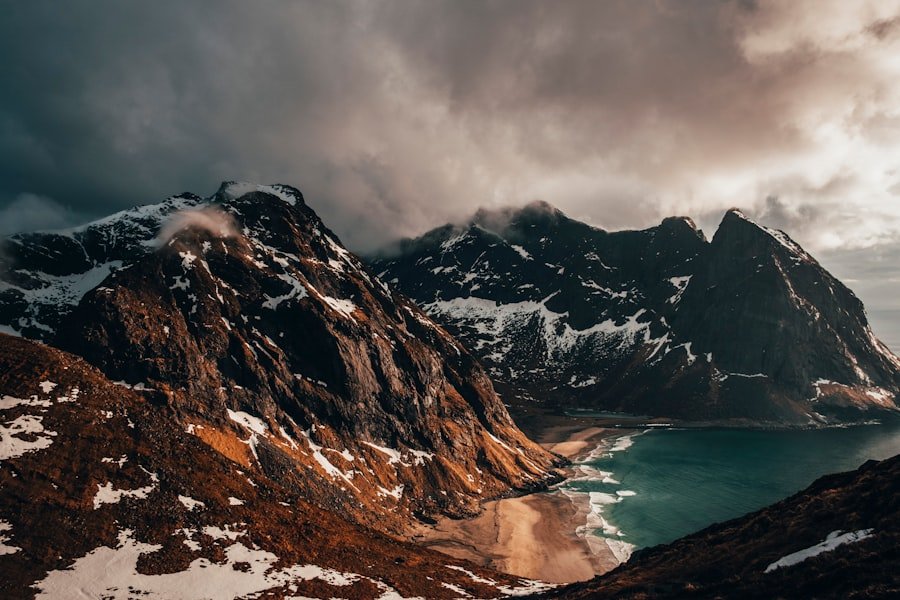
The influence of the Year Wheel on holiday traditions in Norway is profound and multifaceted. Each holiday is intricately linked to the seasonal changes that define the Year Wheel, with celebrations often reflecting the themes of renewal, gratitude, or reflection associated with specific times of the year. For example, Christmas occurs during winter when families come together to celebrate warmth and togetherness amidst the cold.
Traditional foods such as ribbe (pork ribs) and lutefisk (dried fish) are enjoyed during this festive season, highlighting the importance of seasonal ingredients. Similarly, Midsummer celebrations in June mark the height of summer when daylight is abundant. These festivities often include bonfires, music, and dancing, symbolising joy and abundance.
The Year Wheel thus serves as a framework for understanding how holidays are not just isolated events but are part of a larger narrative that connects people to their environment and each other. By recognising this connection, one can appreciate the richness of Norwegian holiday traditions and their significance within the broader context of cultural heritage.
Planning Holidays Around the “Year Wheel”
When planning holidays in Norway, it is essential to consider the Year Wheel as a guiding principle. Understanding which season a particular holiday falls into can enhance the experience and ensure that celebrations are in harmony with nature’s rhythms. For instance, planning a summer holiday around Midsummer allows for participation in traditional activities such as flower crown making or enjoying outdoor feasts under the midnight sun.
Conversely, winter holidays can be enriched by embracing activities like skiing or visiting Christmas markets that showcase local crafts and foods. Moreover, aligning holiday plans with the Year Wheel encourages individuals to engage more deeply with their surroundings. It invites exploration of local customs and traditions that may vary from region to region based on climatic conditions and cultural influences.
By immersing oneself in these seasonal celebrations, one can gain a greater appreciation for Norway’s diverse cultural landscape while creating lasting memories that resonate with the essence of each season.
Celebrating the Changing Seasons in Norway
Celebrating the changing seasons is an integral part of Norwegian life, with each transition marked by unique customs and festivities that reflect the character of that time of year. In spring, for instance, Norwegians often partake in “17th Mai,” Norway’s Constitution Day, which celebrates national pride with parades, traditional costumes (bunad), and festive gatherings. This celebration not only marks the arrival of warmer weather but also serves as a reminder of Norway’s rich history and cultural identity.
As summer unfolds, Norwegians embrace outdoor activities such as hiking and camping, often culminating in Midsummer celebrations that honour the longest day of the year. Autumn brings about harvest festivals where communities come together to celebrate the bounty of nature through food fairs and local markets. Finally, winter invites a time for reflection and warmth as families gather to celebrate Christmas with traditions steeped in history.
Each season offers its own unique opportunities for celebration, fostering a sense of community and connection to nature that is deeply embedded in Norwegian culture.
Incorporating Traditional Norwegian Festivals into Holiday Planning
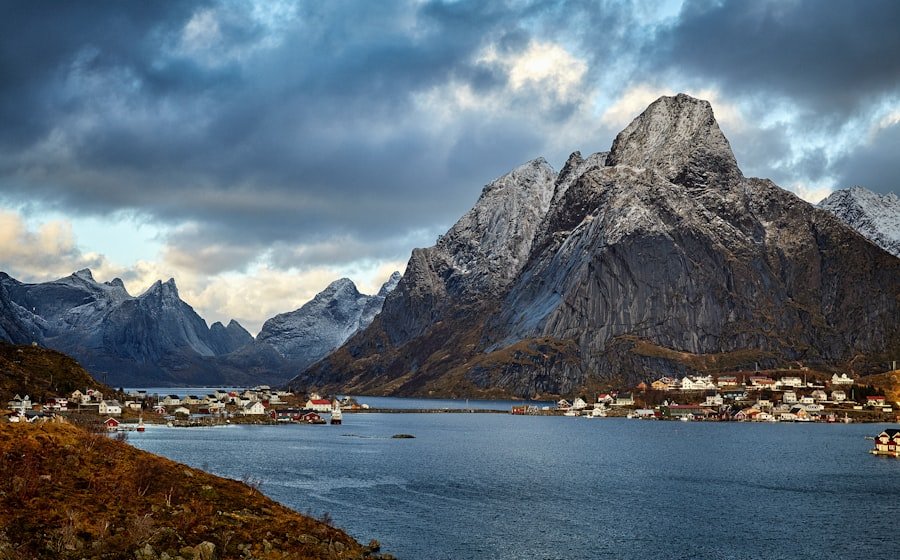
Incorporating traditional Norwegian festivals into holiday planning can greatly enhance one’s experience of Norwegian culture while providing an opportunity to engage with local communities. Festivals such as “Julemarked” (Christmas markets) offer visitors a chance to explore local crafts, taste traditional foods, and participate in festive activities that embody the spirit of Norwegian Christmas. These markets are often held in picturesque settings, creating a magical atmosphere that captures the essence of winter celebrations.
Additionally, planning holidays around events like “Russefeiring,” a celebration for graduating high school students in May, allows for immersion in youthful exuberance and local customs. This festival features parades, parties, and various activities that showcase Norwegian culture from a fresh perspective. By aligning holiday plans with these traditional festivals, one can experience Norway’s rich cultural tapestry while forging connections with locals who are eager to share their heritage.
Embracing Nature’s Rhythms in Norwegian Holiday Celebrations
Embracing nature’s rhythms during holiday celebrations is a hallmark of Norwegian culture that reflects a deep respect for the environment. Many holidays are designed to align with natural cycles, allowing individuals to connect more profoundly with their surroundings. For instance, during Easter, families often engage in outdoor activities such as hiking or skiing while enjoying traditional foods like lamb or eggs—symbols of new life and rebirth.
Similarly, summer solstice celebrations encourage people to gather outdoors to appreciate the beauty of nature during its most vibrant time. Bonfires are lit along coastlines and in backyards as families come together to celebrate light and warmth. By incorporating these natural elements into holiday festivities, Norwegians foster a sense of gratitude for their environment while creating meaningful experiences that resonate with their cultural identity.
Adapting Modern Holidays to Fit the “Year Wheel”
As society evolves, so too do holiday celebrations in Norway; however, many modern holidays still reflect the principles established by the Year Wheel. For example, Halloween has gained popularity in recent years but has been adapted to fit within the context of Norwegian culture by incorporating traditional elements such as “knask eller knep” (trick or treat) alongside local customs like lighting candles to ward off darkness during autumn nights. Similarly, Valentine’s Day has been embraced by many Norwegians but is often celebrated with an emphasis on outdoor activities such as hiking or picnicking rather than solely focusing on romantic dinners.
This adaptation allows modern holidays to coexist harmoniously with traditional practices while still honouring nature’s cycles. By finding ways to integrate contemporary celebrations into the framework of the Year Wheel, Norwegians can maintain their cultural heritage while embracing new influences.
Exploring the Connection Between Norwegian Holidays and the “Year Wheel”
The connection between Norwegian holidays and the Year Wheel is evident in how each celebration reflects seasonal changes and cultural values. For instance, Christmas traditions are steeped in themes of light amidst darkness—a poignant reminder during winter’s long nights. The use of candles and festive decorations serves not only as a celebration but also as an acknowledgment of nature’s cycles.
Furthermore, holidays like “Sankthans” (Midsummer) highlight themes of fertility and abundance associated with summer’s peak. These connections illustrate how holidays are not merely events on a calendar but rather integral components of a larger narrative that celebrates life’s cycles. By exploring this relationship between holidays and the Year Wheel, one gains insight into how deeply intertwined culture and nature are within Norwegian society.
The Role of the “Year Wheel” in Preserving Norwegian Cultural Heritage
The Year Wheel plays a crucial role in preserving Norwegian cultural heritage by providing a framework through which traditions can be passed down through generations. As families gather to celebrate seasonal festivals or partake in age-old customs tied to specific times of year, they reinforce their cultural identity while ensuring that these practices remain alive for future generations. This cyclical understanding fosters continuity within communities as individuals come together to honour their shared history.
Moreover, by recognising how holidays align with natural cycles—such as planting during spring or harvesting during autumn—Norwegians maintain a strong connection to their agrarian roots. This relationship not only enriches cultural practices but also instils a sense of responsibility towards preserving both heritage and environment for years to come.
Tips for Incorporating the “Year Wheel” into Your Own Holiday Planning
Incorporating the Year Wheel into your own holiday planning can lead to more meaningful experiences that resonate with nature’s rhythms. Start by researching local customs associated with each season; this will provide insight into traditional celebrations you may wish to participate in or adapt for your own festivities. Consider aligning your holiday meals with seasonal ingredients—this not only supports local farmers but also enhances your connection to nature’s bounty.
Additionally, embrace outdoor activities that reflect each season’s character; whether it’s hiking during spring blooms or enjoying winter sports under snowy skies—these experiences will deepen your appreciation for Norway’s natural beauty while enriching your holiday celebrations. Finally, engage with local communities by attending festivals or markets; this will allow you to immerse yourself fully in Norwegian culture while forging connections that transcend time. In conclusion, understanding and embracing the Norwegian Year Wheel offers invaluable insights into how seasonal changes shape cultural practices and holiday celebrations throughout Norway.
By recognising this cyclical relationship between nature and tradition, individuals can create more meaningful experiences that honour both heritage and environment while fostering connections within their communities. For those looking to learn more about Norwegian culture through language immersion or courses tailored specifically towards understanding these traditions better—the NLS Norwegian Language School in Oslo offers an array of classes designed to enhance your knowledge while deepening your appreciation for this beautiful country’s rich cultural tapestry.
Speak Norwegian with confidence. Begin your journey at the NLS Norwegian Language School