Romjul, a term that resonates deeply within Norwegian culture, refers to the period between Christmas and New Year’s Day. This unique time is characterised by a sense of tranquillity and reflection, as the hustle and bustle of the festive season begins to wane. Traditionally, Romjul is a time when families come together to relax, enjoy each other’s company, and partake in various customs that have been passed down through generations.
It is a period that allows individuals to pause and appreciate the warmth of family ties and the joy of shared experiences. During Romjul, many people take a break from their daily routines, allowing themselves to unwind after the frenetic pace of Christmas celebrations. The atmosphere is often imbued with a sense of calm, as the world outside is blanketed in snow, creating a picturesque winter wonderland.
This serene backdrop serves as an invitation for introspection and connection, making Romjul a cherished time for many Norwegians. Speak Norwegian with confidence. Begin your journey at the NLS Norwegian Language School!
Summary
- Romjul is a Scandinavian tradition that takes place between Christmas and New Year’s.
- Romjul has its origins in ancient Norse and Viking traditions, and was later influenced by Christian customs.
- Romjul traditions include visiting friends and family, playing games, and attending community events.
- Different cultures celebrate Romjul with unique customs, such as the Feast of St. Stephen in Ireland and Boxing Day in the UK.
- Romjul is a time for relaxation, reflection, and spending quality time with family and community.
The history and origins of Romjul
The origins of Romjul can be traced back to ancient Norse traditions, where the winter solstice was celebrated as a time of rebirth and renewal. The word “Romjul” itself is derived from the Old Norse term “rǫm,” which means “to rest” or “to be at peace.” This historical context highlights the significance of this period as one of reflection and rejuvenation, aligning with the natural rhythms of the changing seasons. As Christianity spread throughout Norway, many pagan customs were integrated into the Christian calendar.
The celebration of Romjul evolved to encompass both religious and secular elements, creating a rich tapestry of traditions that continue to thrive today. The blending of these influences has resulted in a unique cultural phenomenon that encapsulates the essence of Norwegian identity during this special time of year.
Romjul traditions and customs

Romjul is steeped in a variety of traditions and customs that reflect the values and beliefs of Norwegian society. One of the most prominent customs is the practice of visiting family and friends during this period. It is common for people to gather in homes, sharing stories, laughter, and delicious food.
These gatherings foster a sense of community and belonging, reinforcing the importance of relationships during this reflective time. Another cherished tradition is the practice of taking long walks in nature. Many Norwegians embrace the opportunity to explore their stunning landscapes, often venturing into the snowy wilderness for hikes or leisurely strolls.
This connection to nature not only promotes physical well-being but also encourages mental clarity and peace, allowing individuals to fully immerse themselves in the beauty of their surroundings.
How different cultures celebrate Romjul
While Romjul is primarily a Norwegian celebration, similar customs can be found in various cultures around the world. In Sweden, for instance, the period following Christmas is known as “Mellandagarna,” which translates to “the days in between.” Much like Romjul, this time is marked by relaxation and family gatherings, with an emphasis on enjoying traditional foods and engaging in leisure activities. In other parts of Europe, such as Germany and Austria, the days following Christmas are often filled with festive markets and celebrations that extend into the New Year.
These cultures share a common thread with Norway in their focus on family, community, and reflection during this transitional period. The universal themes of togetherness and gratitude resonate across borders, highlighting the importance of these values in diverse societies.
Romjul activities and events
During Romjul, various activities and events take place that cater to both young and old. Many families take advantage of the winter weather by engaging in outdoor sports such as skiing, snowboarding, or ice skating. These activities not only promote physical fitness but also provide opportunities for bonding and creating lasting memories.
In addition to outdoor pursuits, cultural events such as concerts and exhibitions are often held during this time. Local communities may organise gatherings that showcase traditional music, art, and crafts, allowing individuals to immerse themselves in their cultural heritage. These events serve as a reminder of the rich history that underpins Romjul while fostering a sense of pride in one’s identity.
The significance of Romjul in modern society
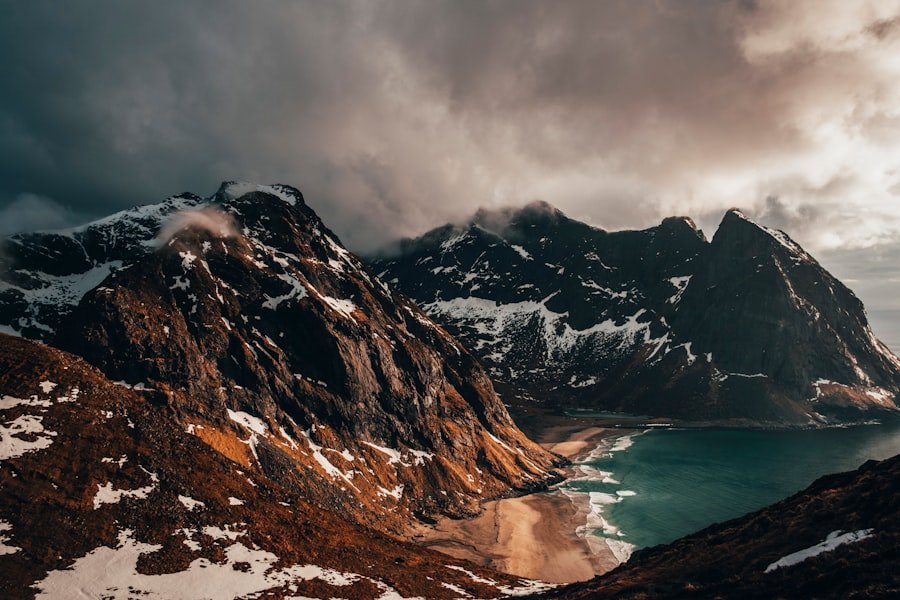
In today’s fast-paced world, the significance of Romjul has only grown as people seek moments of respite amidst their busy lives. This period serves as a reminder to slow down and appreciate what truly matters—family, friends, and personal well-being. As society becomes increasingly digitalised and disconnected, Romjul offers an opportunity for individuals to reconnect with their roots and engage in meaningful interactions.
Moreover, Romjul encourages mindfulness and self-reflection. In an age where stress and anxiety are prevalent, taking time to pause and reflect can have profound effects on mental health. The traditions associated with Romjul promote a sense of balance and harmony, allowing individuals to recharge before embarking on a new year filled with possibilities.
Romjul food and drink traditions
Food plays a central role in Romjul celebrations, with many families preparing traditional dishes that evoke nostalgia and warmth. One popular dish is “ribbe,” which consists of roasted pork belly served with sauerkraut and potatoes. This hearty meal is often enjoyed during family gatherings, symbolising togetherness and abundance.
In addition to savoury dishes, sweet treats also feature prominently during Romjul. “Kransekake,” a traditional Norwegian cake made from almond flour and icing sugar, is often served at festive occasions. The act of sharing these culinary delights fosters a sense of community and reinforces familial bonds as everyone comes together to enjoy the fruits of their labour.
Romjul decorations and atmosphere
The decorations associated with Romjul contribute significantly to its enchanting atmosphere. Homes are often adorned with twinkling lights, candles, and festive ornaments that create a warm and inviting environment. The use of natural elements such as pine branches and berries adds an organic touch that reflects Norway’s stunning winter landscape.
The overall ambiance during Romjul is one of comfort and joy. Families gather around crackling fires, sipping hot cocoa or mulled wine while sharing stories or playing games. This cosy setting encourages relaxation and fosters connections among loved ones, making it an integral part of the Romjul experience.
Romjul as a time for reflection and relaxation
Romjul serves as an essential period for reflection and relaxation amidst the chaos of modern life. With its emphasis on slowing down and appreciating life’s simple pleasures, this time allows individuals to take stock of their experiences over the past year. Many people use this opportunity to set intentions for the upcoming year or engage in personal development activities such as journaling or meditation.
The tranquil atmosphere during Romjul encourages individuals to disconnect from technology and reconnect with themselves and their loved ones. This intentional pause can lead to greater clarity about one’s goals and aspirations while fostering a sense of gratitude for the present moment.
Romjul as a time for family and community
At its core, Romjul is fundamentally about family and community. The emphasis on gathering with loved ones during this period reinforces the importance of relationships in our lives. Whether it’s sharing meals, participating in activities together, or simply enjoying each other’s company, these moments create lasting memories that strengthen familial bonds.
Moreover, community involvement during Romjul is also significant. Many people take part in charitable activities or volunteer their time to help those less fortunate during this season of giving. This spirit of generosity not only uplifts those in need but also fosters a sense of unity within communities as individuals come together for a common cause.
Tips for making the most of Romjul
To fully embrace the spirit of Romjul, consider incorporating some simple yet meaningful practices into your celebrations. First and foremost, prioritise quality time with family and friends by organising gatherings that allow for connection without distractions. Whether it’s hosting a dinner party or embarking on outdoor adventures together, these shared experiences will create cherished memories.
Additionally, take time for self-care during this period. Engage in activities that promote relaxation—be it reading a book by the fire or taking leisurely walks in nature. Allow yourself to reflect on the past year while setting intentions for the future; this practice can lead to greater clarity and purpose as you move forward.
Lastly, don’t forget to indulge in traditional foods and drinks that embody the essence of Romjul. Preparing these dishes together with loved ones can be a delightful bonding experience while also honouring cultural heritage. In conclusion, Romjul is more than just a holiday; it is a time for reflection, connection, and celebration within Norwegian culture.
As we navigate through modern life’s complexities, embracing the traditions associated with this period can provide solace and joy amidst our busy schedules. For those looking to deepen their understanding of Norwegian culture or learn the language itself during this reflective time, consider enrolling in courses at the NLS Norwegian Language School in Oslo. Their comprehensive programmes offer an excellent opportunity to immerse yourself in both language learning and cultural exploration during this enchanting season.
Speak Norwegian with confidence. Begin your journey at the NLS Norwegian Language School