
Norwegian proverbs and sayings are a rich tapestry of wisdom, encapsulating the essence of the Norwegian spirit and culture. These succinct expressions often convey profound truths, offering insights into human behaviour, relationships, and the natural world. They serve as a bridge between generations, allowing the wisdom of the past to resonate in contemporary society.
As one delves into the world of Norwegian proverbs, it becomes evident that they are not merely linguistic artefacts; they are living pieces of cultural heritage that reflect the values and beliefs of the Norwegian people. The beauty of these proverbs lies in their simplicity and depth. They often employ vivid imagery and metaphors drawn from everyday life, making them relatable and memorable.
For instance, a common saying might evoke the harshness of winter or the fleeting beauty of summer, illustrating how closely intertwined Norwegians are with their environment. In this article, we will explore the significance of these proverbs within Norwegian culture, their historical roots, and their relevance in modern communication. The NLS Norwegian Language School offers comprehensive courses for all levels. Register today to get started.
Summary
- Norwegian proverbs and sayings are an integral part of the country’s culture, reflecting its values, beliefs, and traditions.
- Proverbs play a significant role in Norwegian culture, serving as a means of passing down wisdom, teaching moral lessons, and preserving the Norwegian language and traditions.
- Norwegian proverbs have deep historical roots, originating from Norse mythology, folklore, and the country’s rural way of life.
- Common themes in Norwegian proverbs include nature, perseverance, and the importance of community, reflecting the influence of the country’s natural environment and close-knit society.
- Norwegian proverbs are widely used in everyday language, adding depth and meaning to conversations and writing, and can be interpreted both literally and figuratively.
The Importance of Proverbs in Norwegian Culture
Proverbs hold a special place in Norwegian culture, serving as a means of imparting wisdom and moral lessons. They are often used in storytelling, education, and even in casual conversation, reflecting the values that Norwegians hold dear. The use of proverbs can be seen as a way to connect with one’s heritage, as they encapsulate shared experiences and collective knowledge.
In a society that values community and togetherness, these sayings foster a sense of belonging and continuity. Moreover, proverbs often reflect the Norwegian ethos of resilience and pragmatism. Many sayings encourage individuals to face challenges head-on, promoting a mindset that values hard work and perseverance.
This cultural inclination towards stoicism is evident in proverbs that highlight the importance of patience and endurance. By incorporating these sayings into daily life, Norwegians reinforce their cultural identity while also passing down essential life lessons to younger generations.
The Origins and History of Norwegian Proverbs

The origins of Norwegian proverbs can be traced back to ancient times when oral traditions were paramount in preserving knowledge and culture. As with many cultures, proverbs were initially passed down through generations by word of mouth, evolving over time to reflect changing societal norms and values. The earliest recorded proverbs in Norway can be found in medieval literature, where they were often embedded within folk tales and sagas.
As Norway transitioned through various historical phases—from Viking Age to the establishment of a unified kingdom—proverbs adapted to reflect the prevailing social conditions. The influence of Christianity also played a significant role in shaping these sayings, as moral teachings were often conveyed through proverbial expressions. This historical context enriches our understanding of Norwegian proverbs, revealing how they have been shaped by both cultural evolution and external influences.
Common Themes and Meanings in Norwegian Proverbs
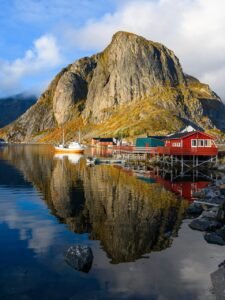
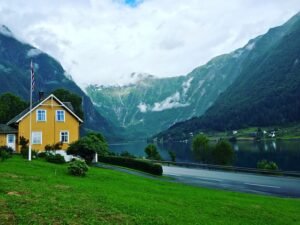
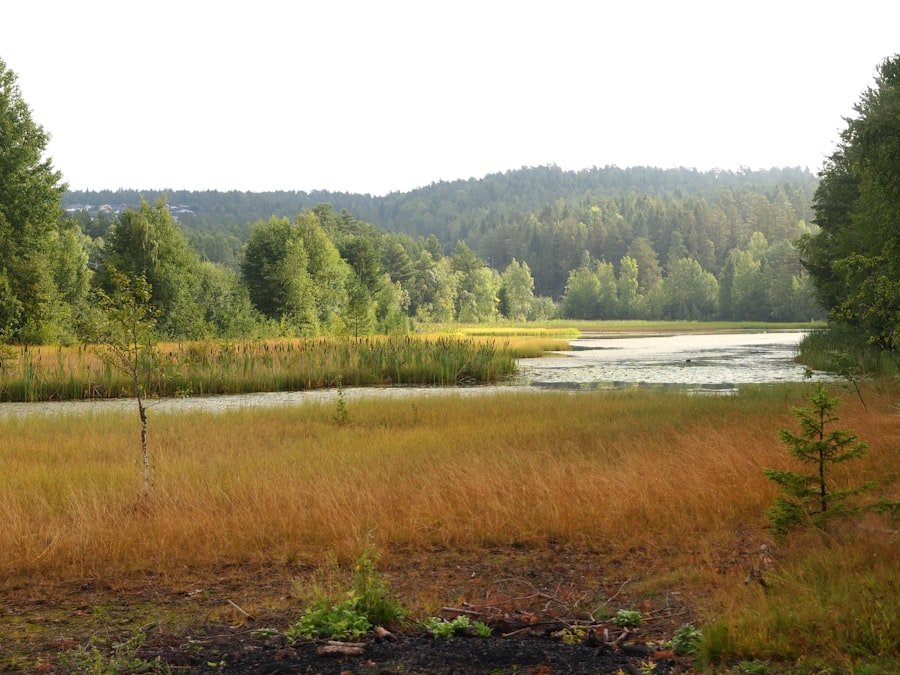
Norwegian proverbs often revolve around common themes such as nature, family, work, and morality. The connection to nature is particularly pronounced, reflecting Norway’s stunning landscapes and the importance of the environment in daily life. Many proverbs draw on natural phenomena to convey deeper meanings; for instance, sayings about the changing seasons often serve as metaphors for life’s cycles and transitions.
Family and community are also central themes in Norwegian proverbs. Many sayings emphasise the importance of kinship ties and collective responsibility, highlighting the value placed on relationships within Norwegian society. Additionally, work ethic is a recurring motif; proverbs that encourage diligence and perseverance resonate deeply with the Norwegian belief in the virtue of hard work.
These themes not only provide insight into Norwegian values but also serve as guiding principles for individuals navigating their lives.
Exploring the Use of Proverbs in Everyday Norwegian Language
In everyday conversation, Norwegians frequently employ proverbs to articulate thoughts or feelings succinctly. These expressions can add colour and depth to dialogue, allowing speakers to convey complex ideas with brevity. For instance, using a proverb can provide a humorous or poignant twist to a conversation, making it more engaging for listeners.
This practice is particularly evident in informal settings where friends or family gather to share stories or experiences. Moreover, proverbs are often used in educational contexts, where teachers incorporate them into lessons to instil moral values or cultural knowledge in students. By learning these sayings, children not only gain linguistic skills but also develop an appreciation for their cultural heritage.
This integration of proverbs into daily life underscores their enduring relevance and highlights their role as tools for communication and connection.
Interpreting the Literal and Figurative Meanings of Norwegian Proverbs
One of the fascinating aspects of Norwegian proverbs is their dual nature; they often possess both literal and figurative meanings. The literal interpretation may describe a specific situation or observation, while the figurative meaning conveys a broader lesson or moral insight. For example, a proverb about fishing might literally refer to the act of catching fish but figuratively speak to the importance of patience and preparation in achieving one’s goals.
Understanding these layers of meaning requires not only linguistic knowledge but also cultural awareness. To fully appreciate a proverb’s significance, one must consider its context within Norwegian society. This duality enriches the language and allows for nuanced expression, making proverbs an invaluable resource for both native speakers and learners alike.
The Influence of Nature and Folklore in Norwegian Proverbs
Nature plays an integral role in shaping Norwegian proverbs, reflecting the country’s stunning landscapes and harsh climate. Many sayings draw inspiration from natural elements such as mountains, rivers, and forests, using them as metaphors for human experiences. For instance, a proverb might liken life’s challenges to climbing a steep mountain, emphasising the effort required to overcome obstacles.
Folklore also significantly influences Norwegian proverbs, with many sayings rooted in traditional stories or legends. These narratives often feature mythical creatures or historical figures that embody certain virtues or vices. By incorporating folklore into proverbs, Norwegians preserve their cultural narratives while imparting moral lessons that resonate across generations.
Comparing Norwegian Proverbs to Proverbs in Other Cultures
When comparing Norwegian proverbs to those from other cultures, one can observe both similarities and differences in themes and expressions. Many cultures utilise proverbs as a means of conveying wisdom; however, the specific imagery and contexts often vary significantly. For instance, while both Norwegian and Japanese proverbs may emphasise patience as a virtue, the metaphors used to illustrate this concept may differ based on cultural experiences.
Additionally, some proverbs may have direct counterparts in other languages, showcasing universal truths that transcend cultural boundaries. This interconnectedness highlights the shared human experience while also celebrating the unique perspectives that each culture brings to its proverbial expressions.
How to Use Norwegian Proverbs in Conversation and Writing
Incorporating Norwegian proverbs into conversation or writing can enhance communication by adding depth and resonance to one’s message. When using proverbs, it is essential to consider the context; selecting an appropriate saying that aligns with the topic at hand can create a more impactful statement. For example, during discussions about perseverance, referencing a relevant proverb can underscore one’s point while also engaging listeners.
In writing, proverbs can serve as powerful tools for emphasising themes or illustrating arguments. They can be used as opening lines or concluding thoughts to leave a lasting impression on readers. Additionally, employing proverbs can demonstrate cultural knowledge and appreciation, enriching one’s writing style while fostering connections with audiences familiar with these expressions.
The Role of Proverbs in Preserving Norwegian Language and Traditions
Proverbs play a crucial role in preserving the Norwegian language and cultural traditions. As oral expressions passed down through generations, they serve as vessels for linguistic heritage, ensuring that unique phrases and idioms remain alive within contemporary discourse. This preservation is particularly important in an increasingly globalised world where languages face the threat of dilution.
Furthermore, proverbs encapsulate traditional values and beliefs that define Norwegian identity. By keeping these sayings alive through everyday use, Norwegians maintain a connection to their past while adapting to modern realities. This dynamic interplay between tradition and contemporary life underscores the significance of proverbs as cultural artefacts that continue to shape societal norms.
Embracing and Appreciating Norwegian Proverbs and Sayings
In conclusion, Norwegian proverbs and sayings are invaluable treasures that encapsulate the wisdom of generations past while remaining relevant in today’s society. They reflect core values such as resilience, community spirit, and respect for nature—elements that define the Norwegian way of life. By embracing these expressions, individuals not only enrich their understanding of language but also foster connections with their cultural heritage.
For those interested in delving deeper into the beauty of the Norwegian language and its rich tapestry of proverbs, NLS Norwegian Language School in Oslo offers comprehensive courses tailored for learners at all levels. These courses provide an excellent opportunity to explore not only language skills but also cultural nuances embedded within everyday expressions like proverbs. Engaging with such resources allows learners to appreciate the depth of Norwegian culture while enhancing their linguistic proficiency—an enriching journey worth embarking upon for anyone captivated by this remarkable language.
Start your Norwegian language journey with Oslo’s leading school.