
The Viking Age, spanning from the late 8th century to the early 11th century, marked a significant period in Norwegian history, characterised by exploration, trade, and conquest. During this time, Norse seafarers ventured far beyond their homeland, reaching as far as North America, the Mediterranean, and the Middle East. The Vikings were not merely raiders; they were also skilled traders and settlers who established trade routes and colonies.
This era laid the groundwork for the eventual unification of Norway, as various chieftains and clans began to consolidate power in response to external pressures and internal conflicts. The unification of Norway was a gradual process that culminated in the 9th and 10th centuries under the leadership of notable figures such as Harald Fairhair. Harald is often credited with being the first king of a unified Norway, having successfully united several smaller kingdoms through a combination of warfare and diplomacy.
His reign marked a pivotal moment in Norwegian history, as it established a centralised authority that would shape the nation’s identity. The Viking Age not only fostered a sense of unity among the disparate tribes but also instilled a legacy of exploration and resilience that would resonate throughout Norway’s subsequent history. Ace the Norwegian Citizenship Test. Enroll in the NLS prep course today.
Summary
- The Viking Age and the Unification of Norway: The Viking Age played a crucial role in the unification of Norway, as it brought together various tribes and chieftains under a single rule.
- The Black Death and its Impact on Norwegian Society: The Black Death had a devastating impact on Norwegian society, leading to a significant decline in population and a restructuring of the economy and social order.
- The Union with Denmark and the Reformation: Norway’s union with Denmark and the Reformation brought about significant changes in governance and religion, shaping the country’s future trajectory.
- The Napoleonic Wars and the Dissolution of the Union with Denmark: The Napoleonic Wars led to the dissolution of the union with Denmark, marking a significant shift in Norway’s political landscape.
- The Constitution of 1814 and the Establishment of a Norwegian Parliament: The Constitution of 1814 laid the foundation for the establishment of a Norwegian Parliament, marking a key milestone in the country’s democratic development.
The Black Death and its Impact on Norwegian Society
The arrival of the Black Death in Norway in the mid-14th century had catastrophic consequences for the population and society at large. This devastating plague swept through Europe, claiming millions of lives, and Norway was no exception. It is estimated that between 30% to 50% of Norway’s population perished due to the disease, leading to a significant demographic shift.
The loss of life resulted in labour shortages, which in turn affected agriculture and trade, causing economic turmoil that would take generations to recover from. In addition to its immediate impact on population numbers, the Black Death also brought about profound social changes. The traditional feudal system began to erode as landowners struggled to maintain their estates with fewer workers.
This shift allowed for greater mobility among the peasantry, who could demand better wages and conditions due to their scarcity. Furthermore, the psychological toll of the plague led to a questioning of established religious beliefs and practices, paving the way for new ideas and movements that would eventually contribute to the Reformation in Norway.
The Union with Denmark and the Reformation
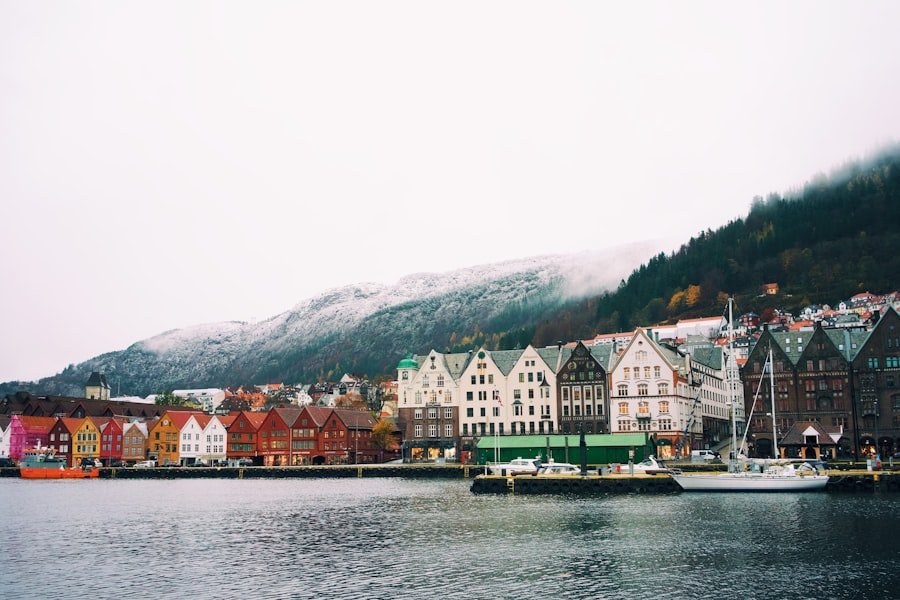
The Kalmar Union, established in 1397, sought to unite the crowns of Denmark, Norway, and Sweden under a single monarch. However, this union was fraught with tension and conflict, particularly between Denmark and Sweden. By the early 16th century, Norway found itself increasingly dominated by Danish interests, leading to a gradual erosion of its autonomy.
The Reformation in the 16th century further complicated this relationship, as Norway transitioned from Catholicism to Lutheranism under Danish influence. This religious shift not only altered the spiritual landscape of Norway but also reinforced Denmark’s control over Norwegian affairs. The Reformation had far-reaching implications for Norwegian society.
It led to the establishment of state churches and a new religious order that aligned closely with Danish governance. The Lutheran Church became a powerful institution in Norway, shaping cultural and social norms while also serving as a tool for consolidating Danish authority. Despite these challenges, the Reformation also sparked a sense of national identity among Norwegians, as they began to seek greater autonomy and recognition within the broader context of Scandinavian politics.
The Napoleonic Wars and the Dissolution of the Union with Denmark
The Napoleonic Wars in the early 19th century had significant repercussions for Norway’s political landscape. As Denmark sided with Napoleon, Norway found itself embroiled in conflict against Britain, which sought to weaken Danish control over its territories. The war culminated in the Treaty of Kiel in 1814, which resulted in Denmark ceding Norway to Sweden.
This transfer was met with resistance from Norwegians who sought to assert their independence and establish their own national identity. In response to this upheaval, Norwegian leaders convened at Eidsvoll in May 1814 to draft a constitution that would lay the foundation for an independent Norwegian state. The Constitution of 1814 was progressive for its time, enshrining principles such as civil liberties and representative government.
However, Norway’s aspirations for full independence were short-lived; following a brief war with Sweden, Norway entered into a union with Sweden that would last until 1905. Despite this setback, the events surrounding the Napoleonic Wars ignited a spirit of nationalism that would continue to grow throughout the 19th century.
The Constitution of 1814 and the Establishment of a Norwegian Parliament
The Constitution of 1814 represented a watershed moment in Norwegian history, embodying the aspirations of a nation yearning for self-determination. Drafted by a group of visionary leaders at Eidsvoll, it established Norway as a constitutional monarchy with a parliamentary system. This document not only outlined fundamental rights for citizens but also created institutions that would govern the country independently from Sweden.
The establishment of a parliament marked a significant step towards democratic governance and laid the groundwork for future political developments. The Constitution was notable for its progressive elements, including provisions for freedom of speech, assembly, and religion. It reflected Enlightenment ideals that were gaining traction across Europe at the time.
However, despite its ambitious framework, Norway’s union with Sweden imposed limitations on its sovereignty. The Swedish king retained significant power over Norwegian affairs, leading to ongoing tensions between those who sought greater autonomy and those who supported continued union. Nevertheless, the Constitution remained a symbol of national pride and identity for Norwegians, serving as a rallying point for future movements advocating for independence.
The Norwegian Independence Movement and the Dissolution of the Union with Sweden
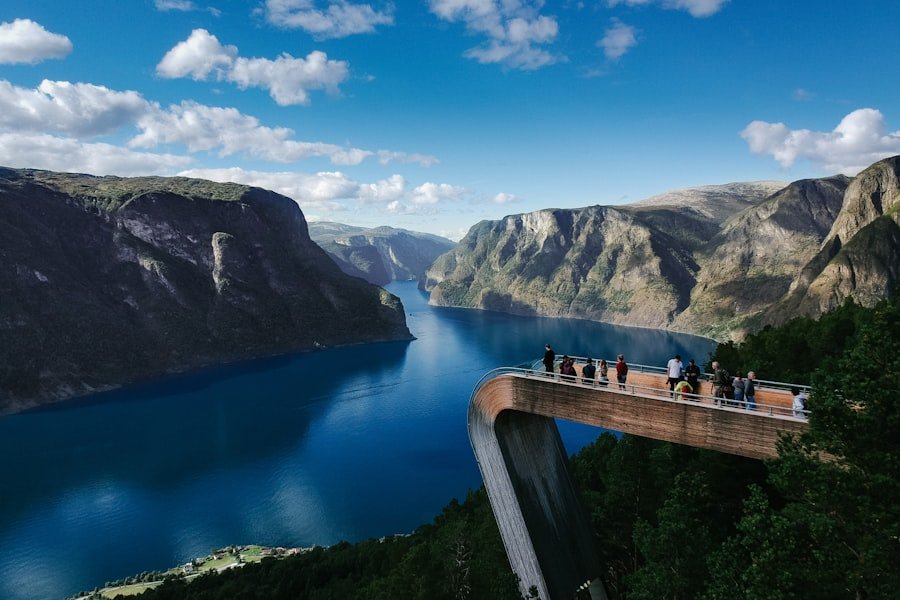
The late 19th century saw a resurgence of nationalist sentiment in Norway as calls for independence from Sweden grew louder. The independence movement was fuelled by cultural revivalism and a desire for self-governance that resonated deeply within Norwegian society. Intellectuals, artists, and politicians began to advocate for greater autonomy, drawing inspiration from historical narratives that celebrated Norway’s Viking heritage and distinct cultural identity.
The culmination of these efforts came in 1905 when Norway peacefully dissolved its union with Sweden following a referendum in which an overwhelming majority voted for independence. This momentous decision marked the end of over ninety years of union and signified a new chapter in Norwegian history. The peaceful nature of this separation was remarkable; it demonstrated both nations’ commitment to diplomacy over conflict.
Following independence, Norway established itself as a sovereign state with its own monarchy and government structures, solidifying its place on the international stage.
World War II and the Occupation of Norway
World War II brought unprecedented challenges to Norway as it fell under Nazi occupation from 1940 to 1945. The invasion was swift and brutal; despite initial resistance from Norwegian forces, Germany quickly established control over key cities and infrastructure. The occupation had profound effects on Norwegian society, leading to widespread repression and hardship as citizens faced food shortages, curfews, and restrictions on civil liberties.
Resistance movements emerged during this dark period as Norwegians sought to undermine Nazi authority through acts of sabotage and subversion. The most notable among these was the Norwegian government-in-exile based in London, which worked tirelessly to rally international support against Nazi Germany. The occupation also fostered a sense of unity among Norwegians across political lines; many citizens came together to protect one another from persecution while maintaining their national identity amidst foreign domination.
The Post-War Era and the Establishment of the Welfare State
Following World War II, Norway embarked on a path of reconstruction and renewal that would shape its future trajectory. The post-war era was characterised by an emphasis on social welfare and economic development as leaders sought to rebuild a nation ravaged by conflict. The establishment of a comprehensive welfare state became a cornerstone of Norwegian policy; it aimed to provide citizens with access to healthcare, education, housing, and social security.
This commitment to social welfare was underpinned by an understanding that economic stability was essential for national prosperity. As Norway began to harness its natural resources—particularly oil discovered in the North Sea—the government implemented policies that ensured wealth distribution benefitted all citizens rather than just a select few. This approach not only fostered economic growth but also reinforced social cohesion within Norwegian society.
The Discovery of Oil and the Economic Transformation of Norway
The discovery of oil off the coast of Norway in the late 1960s marked a turning point in the nation’s economic landscape. What began as an exploration initiative quickly transformed into an industry that would propel Norway into global prominence. Oil revenues provided unprecedented financial resources that allowed for significant investments in infrastructure, education, and social services—further solidifying the welfare state model established in the post-war era.
Norway’s management of its oil resources has been lauded internationally; through prudent fiscal policies and regulations aimed at sustainability, the country has avoided many pitfalls associated with resource dependency. The establishment of the Government Pension Fund Global—often referred to as the Oil Fund—ensured that wealth generated from oil would benefit future generations while safeguarding against economic volatility. This strategic approach has positioned Norway as one of the wealthiest nations per capita while maintaining high standards of living for its citizens.
The Sami People and the Recognition of Indigenous Rights
The Sami people have inhabited northern Scandinavia for thousands of years, maintaining distinct cultural practices tied closely to their ancestral lands. Historically marginalised within Norwegian society, recent decades have seen significant strides towards recognising Sami rights and promoting their cultural heritage. This shift has been driven by both domestic advocacy efforts and international frameworks aimed at protecting indigenous peoples’ rights.
In 1989, Norway established the Sami Parliament (Sámediggi), which serves as an elected body representing Sami interests at both local and national levels. This institution has played a crucial role in advocating for land rights, cultural preservation, and political representation for Sami communities. Additionally, increased awareness surrounding indigenous issues has led to greater public discourse about reconciliation efforts aimed at addressing historical injustices faced by the Sami people.
The Role of Norway in International Peacekeeping and Humanitarian Efforts
Norway has long been recognised for its commitment to international peacekeeping and humanitarian efforts on behalf of global stability. As a small nation with limited military capabilities, Norway has focused on diplomacy as its primary tool for fostering peace around the world. This approach has led to active participation in various international organisations such as the United Nations (UN) where it has played pivotal roles in peace negotiations and conflict resolution initiatives.
Norway’s dedication to humanitarian causes is evident through its substantial contributions to international aid efforts—particularly in regions affected by conflict or natural disasters. The country has consistently ranked among the top donors per capita globally while prioritising initiatives aimed at promoting human rights, gender equality, and sustainable development. Through these efforts, Norway has positioned itself as an influential player on the world stage—advocating for peace while embodying values rooted in compassion and solidarity with those facing adversity.
In conclusion, Norway’s rich history is marked by resilience through adversity—from Viking explorations to modern-day humanitarian efforts—each chapter contributing uniquely to its national identity today. As it continues navigating contemporary challenges while honouring its past traditions—Norway remains steadfastly committed towards building an inclusive future grounded upon principles reflecting both justice & equality for all citizens alike.
Ace the Norwegian Citizenship Test. Enroll in the NLS prep course today.