

Norwegian food culture is a rich tapestry woven from the threads of history, geography, and tradition. The country’s long coastline and rugged terrain have significantly influenced its culinary practices, leading to a diet that heavily features seafood, game, and locally sourced ingredients. The harsh climate has also shaped the way Norwegians prepare and preserve their food, with methods such as smoking, drying, and fermenting being commonplace.
Traditional dishes often reflect the seasons, with hearty meals in winter and lighter fare in summer, showcasing the bounty of the land and sea. Moreover, Norwegian food culture is deeply intertwined with social customs and family traditions. Meals are often seen as a time for gathering and sharing stories, reinforcing bonds among family members and friends.
Festivals and holidays are celebrated with specific dishes that hold cultural significance, such as lutefisk during Christmas or rømmegrøt at summer gatherings. Understanding these cultural nuances not only enriches one’s appreciation of Norwegian cuisine but also provides insight into the values and lifestyle of the Norwegian people. The NLS Norwegian Language School offers comprehensive courses for all levels. Register today to get started.
Summary
- Norwegian food culture is deeply rooted in the country’s natural landscape and seasonal ingredients, with a focus on simplicity and freshness.
- Learning Norwegian food vocabulary is essential for understanding and appreciating the local cuisine, including terms for traditional dishes and ingredients.
- Complimenting Norwegian cuisine should be sincere and specific, acknowledging the unique flavours and textures of the dishes.
- Express appreciation for traditional Norwegian dishes by acknowledging the history and cultural significance behind them.
- When complimenting the presentation of Norwegian food, focus on the natural and rustic aesthetic, as well as the attention to detail.
Learning Norwegian Food Vocabulary
To truly immerse oneself in Norwegian food culture, acquiring a solid grasp of food vocabulary is essential. Familiarising oneself with terms related to ingredients, cooking methods, and traditional dishes can enhance the dining experience significantly. For instance, knowing words like “fisk” (fish), “kjøtt” (meat), and “grønnsaker” (vegetables) allows for more meaningful conversations about food.
Additionally, understanding phrases related to cooking techniques, such as “steke” (to fry) or “koke” (to boil), can be invaluable when discussing recipes or meal preparations. Furthermore, learning food vocabulary extends beyond mere ingredients; it encompasses the entire dining experience. Terms like “forrett” (starter), “hovedrett” (main course), and “dessert” (dessert) help structure a meal in a way that is familiar to Norwegians.
By mastering this vocabulary, one can engage more fully in conversations about food, whether in a restaurant setting or at a friend’s home. This linguistic knowledge not only facilitates communication but also demonstrates respect for the culture and its culinary heritage.
The Art of Complimenting Norwegian Cuisine

Complimenting Norwegian cuisine is an art that requires both sincerity and an understanding of local customs. Norwegians take great pride in their culinary traditions, so expressing genuine appreciation for their food can foster goodwill and strengthen relationships. Compliments can range from praising the freshness of ingredients to acknowledging the skill involved in preparing traditional dishes.
A simple yet heartfelt remark like “Dette smaker fantastisk!” (This tastes fantastic!) can go a long way in making a positive impression. Moreover, compliments can be tailored to specific aspects of the meal. For instance, if one is enjoying a beautifully prepared salmon dish, one might say, “Laksen er perfekt tilberedt!” (The salmon is perfectly cooked!).
Such targeted compliments not only show attentiveness but also highlight an understanding of the nuances of Norwegian cuisine. By mastering the art of complimenting food, one can engage more deeply with the culinary culture and create memorable dining experiences.
Expressing Appreciation for Traditional Norwegian Dishes
Traditional Norwegian dishes often carry stories and histories that reflect the country’s heritage. Expressing appreciation for these dishes involves recognising their cultural significance as well as their flavours. For example, when enjoying a plate of raspeballer (potato dumplings), one might say, “Raspeballene minner meg om min bestemor!” (The dumplings remind me of my grandmother!).
Such comments not only convey enjoyment but also connect personal experiences to the broader cultural narrative. Additionally, appreciating traditional dishes can involve discussing their origins or the ingredients used. For instance, one might express admiration for the use of locally sourced fish in a dish like klippfisk (dried and salted cod) by saying, “Det er så flott at dere bruker lokal fisk!” (It’s wonderful that you use local fish!).
This level of appreciation demonstrates an understanding of the importance of sustainability and local sourcing in Norwegian cuisine, further enriching the dining experience.
Complimenting the Presentation of Norwegian Food
The visual appeal of a dish plays a significant role in the overall dining experience, and Norwegians often take great care in presenting their food beautifully. Complimenting the presentation can enhance one’s appreciation for the meal and show respect for the effort put into it. A simple observation like “Maten ser så delikat ut!” (The food looks so delicate!) can convey admiration for the aesthetic qualities of the dish.
Moreover, one can delve deeper into specific elements of presentation. For instance, if a dish is garnished with fresh herbs or served on an elegant plate, one might say, “Den friske urten gir en flott farge!” (The fresh herb adds a lovely colour!). Such compliments not only acknowledge the visual aspects but also highlight an understanding of how presentation enhances the overall dining experience.
By recognising the artistry involved in plating, diners can engage more meaningfully with Norwegian cuisine.
Acknowledging the Quality of Ingredients in Norwegian Cuisine
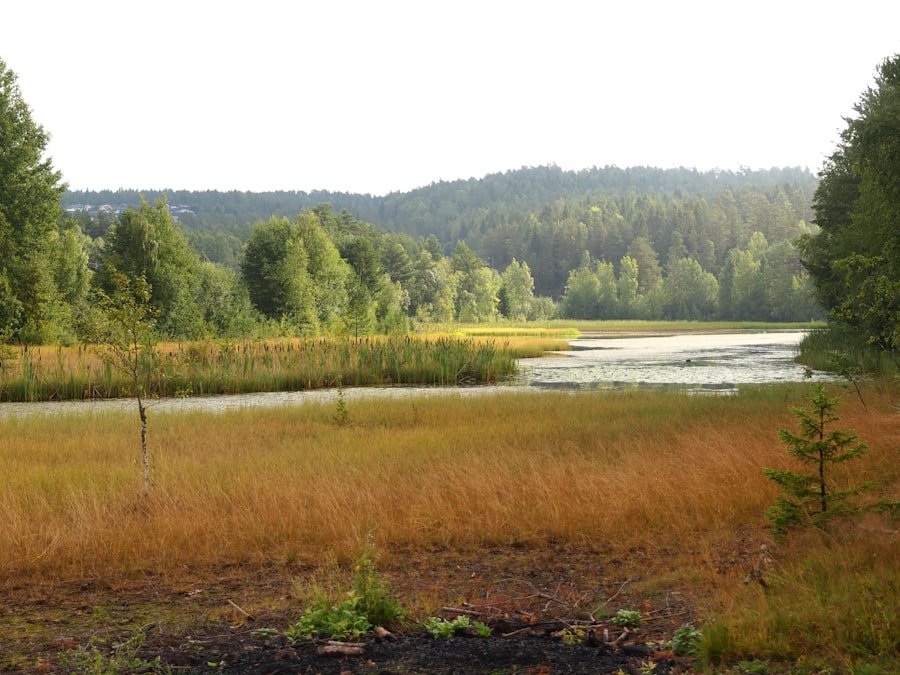
Norwegian cuisine is renowned for its emphasis on high-quality ingredients, often sourced from the pristine natural environment. Acknowledging this quality is essential when complimenting a meal. For example, one might say, “Kjøttet er så mørt og saftig!” (The meat is so tender and juicy!), which highlights not only the taste but also the quality of the ingredients used.
This recognition reflects an appreciation for the care taken in sourcing and preparing food. Furthermore, discussing specific ingredients can deepen one’s engagement with Norwegian cuisine. If a dish features fresh vegetables from local farms or wild game hunted in Norway’s forests, acknowledging these elements can enhance the compliment.
A remark like “De ferske grønnsakene smaker så mye bedre enn de fra supermarkedet!” (The fresh vegetables taste so much better than those from the supermarket!) demonstrates an understanding of the importance of quality ingredients in creating exceptional dishes.
Praising the Flavours and Textures of Norwegian Dishes
The flavours and textures found in Norwegian cuisine are often distinctive and memorable. Praising these elements can elevate one’s dining experience and show appreciation for the chef’s skill. For instance, when enjoying a creamy fish soup like fiskesuppe, one might say, “Smaken er så rik og fyldig!” (The flavour is so rich and full!).
Such compliments highlight not only enjoyment but also an understanding of the complexity of flavours present in traditional dishes. In addition to flavours, textures play a crucial role in Norwegian cuisine. Compliments that acknowledge this aspect can be particularly impactful.
For example, if enjoying a dish with crispy skin or tender meat, one could say, “Den sprø skinnet er perfekt!” (The crispy skin is perfect!). By recognising both flavours and textures, diners can engage more deeply with the culinary experience and express genuine appreciation for the craftsmanship involved in creating each dish.
Complimenting the Chef or Cook in Norwegian
In any dining experience, acknowledging the efforts of the chef or cook is a thoughtful gesture that can enhance relationships and foster goodwill. Complimenting them directly in Norwegian adds a personal touch that is often appreciated. A simple phrase like “Takk for en fantastisk middag!” (Thank you for a fantastic dinner!) conveys gratitude while recognising their hard work.
For those who wish to express more specific compliments about a dish, phrases such as “Du har virkelig mestret denne oppskriften!” (You have truly mastered this recipe!) can be particularly meaningful. Such compliments not only validate the chef’s skills but also encourage them to continue exploring their culinary creativity. By taking the time to acknowledge the chef’s contributions in their native language, diners can create a warm and inviting atmosphere that celebrates Norwegian cuisine.
Using Polite Phrases to Express Enjoyment of Norwegian Food
Politeness is an integral part of Norwegian culture, especially when it comes to dining experiences. Using polite phrases to express enjoyment can enhance interactions at the table and show respect for those who have prepared the meal. Simple expressions like “Vær så snill” (Please) when asking for more food or “Takk for maten” (Thank you for the meal) after finishing are essential components of polite dining etiquette.
Additionally, incorporating phrases that express enjoyment can further enrich conversations about food. For example, saying “Jeg nyter virkelig dette måltidet!” (I am truly enjoying this meal!) conveys appreciation while maintaining politeness. Such expressions not only reflect good manners but also contribute to a positive dining atmosphere where everyone feels valued and appreciated.
Offering Sincere Compliments in Norwegian Dining Settings
Offering sincere compliments in Norwegian dining settings is crucial for fostering connections and creating memorable experiences. When dining with friends or family, taking a moment to express genuine appreciation for the meal can strengthen bonds and enhance enjoyment. Phrases like “Dette er en av de beste middagene jeg har hatt!” (This is one of the best dinners I have had!) resonate well with hosts and demonstrate heartfelt gratitude.
Moreover, sincere compliments can be tailored to specific aspects of the meal or gathering. For instance, if a host has gone above and beyond in preparing a feast, one might say, “Du har virkelig lagt ned mye arbeid i dette!” (You have truly put a lot of effort into this!). Such acknowledgments not only validate their efforts but also encourage them to continue sharing their culinary talents with others.
Receiving Compliments on Your Own Cooking in Norwegian
Receiving compliments on one’s own cooking can be both gratifying and humbling. When hosting a meal or gathering, it is essential to respond graciously to compliments from guests. A simple “Takk skal du ha!” (Thank you!) conveys appreciation while acknowledging their kind words.
This response fosters a warm atmosphere where everyone feels comfortable sharing their thoughts about the meal. Additionally, engaging with guests about their compliments can lead to meaningful conversations about food preferences or cooking techniques. For example, if someone praises a particular dish, responding with “Jeg er glad du likte det!
Jeg brukte ferske ingredienser fra markedet.” (I’m glad you liked it! I used fresh ingredients from the market.) not only acknowledges their compliment but also invites further discussion about cooking practices and preferences. In conclusion, embracing Norwegian food culture involves understanding its rich history and traditions while actively engaging with its culinary language through vocabulary and compliments.
The NLS Norwegian Language School in Oslo offers excellent courses tailored to help individuals learn not just the language but also cultural nuances that enhance their appreciation for Norwegian cuisine. By participating in these courses, learners can gain confidence in expressing their thoughts on food while building connections within this vibrant culture. Whether you are complimenting a chef or sharing your own culinary creations, mastering these skills will undoubtedly enrich your experiences within Norway’s gastronomic landscape.
Start your Norwegian language journey with Oslo’s leading school.