The history of Christmas in Norway is steeped in a rich tapestry of traditions that have evolved over centuries. The celebration of Christmas, or “Jul” as it is known in Norwegian, has its roots in ancient pagan customs that marked the winter solstice. As Christianity spread throughout Norway in the 11th century, many of these pagan practices were absorbed into the Christian celebration of Christmas.
This melding of traditions has resulted in a unique festive season that is distinctly Norwegian, characterised by a blend of religious observance and folk customs. One of the most significant aspects of Norwegian Christmas traditions is the emphasis on family and community. The festive season is a time for gathering with loved ones, sharing meals, and participating in communal activities.
Many families engage in the tradition of “julebord,” a Christmas buffet that features an array of traditional dishes. This sense of togetherness is further enhanced by the various local customs that vary from region to region, showcasing the diverse cultural heritage of Norway. From the lighting of candles to the singing of carols, each tradition contributes to the overall spirit of Christmas in Norway. Speak Norwegian with confidence. Begin your journey at the NLS Norwegian Language School!
Summary
- Norwegian Christmas traditions date back to ancient pagan celebrations, with many customs and rituals still being observed today.
- Traditional Norwegian Christmas decorations include handcrafted ornaments like straw goats and hearts, as well as candles and lights to create a warm and festive atmosphere.
- Norwegian Christmas food is a central part of the holiday, with dishes like ribbe (roast pork belly), pinnekjøtt (dried and salted lamb ribs), and risengrynsgrøt (rice pudding) being popular choices.
- Norwegian Christmas music and carols, such as “Deilig er jorden” and “Mitt hjerte alltid vanker,” are an integral part of the holiday season, often sung in churches and at home.
- The Julenisse, a mischievous gnome-like creature, plays a significant role in Norwegian Christmas folklore, often depicted as the bearer of gifts and the guardian of the home.
Traditional Norwegian Christmas Decorations and Ornaments
Norwegian Christmas decorations are a delightful reflection of the country’s cultural heritage and natural beauty. One of the most iconic symbols of a Norwegian Christmas is the “juletræ,” or Christmas tree, which is often adorned with handmade ornaments, candles, and strings of popcorn. The tradition of decorating the tree dates back to the 19th century and has become a cherished family activity.
Families often gather to hang ornaments that have been passed down through generations, each carrying its own story and significance. In addition to the Christmas tree, homes are often decorated with “nisse” figurines, which represent the mythical creatures associated with Norwegian folklore. These small gnome-like figures are typically placed around the home to bring good luck and protect against misfortune during the festive season.
Furthermore, traditional decorations may include woven straw ornaments, paper stars, and garlands made from natural materials, all of which contribute to a warm and inviting atmosphere that embodies the spirit of Christmas.
Norwegian Christmas Food and Recipes

Food plays a central role in Norwegian Christmas celebrations, with an array of traditional dishes that reflect the country’s agricultural heritage and regional diversity. One of the most beloved festive meals is “ribbe,” which consists of roasted pork belly served with crispy crackling. This dish is often accompanied by “surkål,” a sweet and sour cabbage dish, and “poteter,” or potatoes.
Another popular option is “lutefisk,” a dish made from dried fish that has been soaked in a lye solution before being cooked. While it may not be to everyone’s taste, lutefisk holds a special place in Norwegian culinary tradition. Desserts also play an important role in the festive feast, with “riskrem,” a rice pudding served with raspberry sauce, being a favourite among many families.
Another traditional sweet treat is “pepperkaker,” or gingerbread cookies, which are often decorated with icing and enjoyed throughout the holiday season. The preparation of these dishes is often a family affair, with recipes passed down through generations, ensuring that each meal is infused with love and nostalgia.
Norwegian Christmas Music and Carols
Music is an integral part of the Norwegian Christmas experience, with carols and traditional songs filling homes and public spaces during the festive season. Many families gather around the piano or gather together to sing beloved carols that have been cherished for generations. Songs such as “Deilig er jorden” (Lovely is the Earth) and “Glade jul” (Joyful Christmas) evoke feelings of warmth and nostalgia, reminding listeners of the true spirit of Christmas.
In addition to traditional carols, contemporary Norwegian artists have also contributed to the festive music scene, creating new interpretations of classic songs as well as original compositions that capture the essence of Christmas in Norway. Concerts and performances are held throughout December, showcasing both traditional and modern music, allowing communities to come together in celebration. The melodies of Christmas resonate through the air, creating an atmosphere filled with joy and anticipation.
The Role of Julenisse in Norwegian Christmas
The figure of Julenisse, or Santa Claus, holds a special place in Norwegian Christmas folklore. Unlike the jolly figure commonly associated with Western traditions, Julenisse is depicted as a small gnome-like creature who is believed to bring gifts to children on Christmas Eve. Traditionally dressed in red with a long white beard, he embodies the spirit of generosity and kindness that characterises the festive season.
In many households, children leave out porridge or rice pudding for Julenisse on Christmas Eve as a gesture of goodwill. This custom reflects the belief that he will reward their kindness with gifts in return. The Julenisse has become an integral part of Norwegian Christmas celebrations, symbolising not only the joy of giving but also the importance of maintaining connections with family and community during this special time.
Norwegian Christmas Markets and Festivals
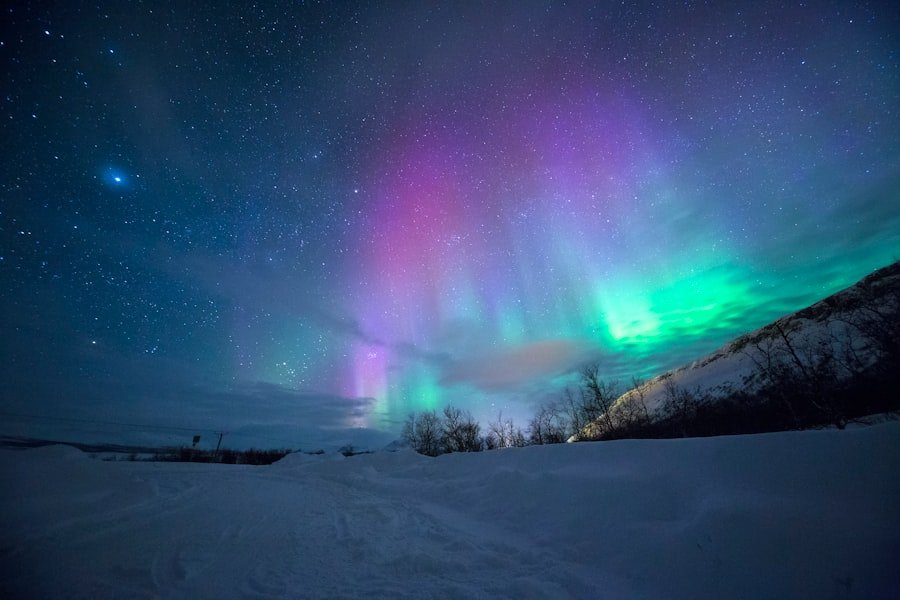
Norwegian Christmas markets are a vibrant expression of holiday cheer, offering visitors a chance to immerse themselves in the festive spirit while enjoying local crafts, food, and entertainment. These markets typically spring up in towns and cities across Norway during December, transforming public squares into bustling hubs filled with twinkling lights and cheerful decorations. Stalls brimming with handmade ornaments, knitted goods, and delicious treats create an enchanting atmosphere that draws both locals and tourists alike.
One notable market is held in Oslo’s Spikersuppa Park, where visitors can savour traditional delicacies such as “gløgg” (mulled wine) and “julepølse” (Christmas sausage). Live music performances and activities for children further enhance the festive experience, making it a perfect outing for families. The sense of community fostered by these markets reflects the heartwarming spirit of Norwegian Christmas traditions, where people come together to celebrate and share in the joy of the season.
Christmas Eve and Christmas Day Traditions in Norway
Christmas Eve, or “julaften,” is perhaps the most significant day in Norway’s festive calendar. Families typically gather for a special dinner that includes traditional dishes such as ribbe or pinnekjøtt (dried lamb ribs). After dinner, it is customary for families to exchange gifts, often accompanied by heartfelt wishes and expressions of love.
The excitement surrounding gift-giving creates an atmosphere filled with joy and anticipation as children eagerly await their presents. On Christmas Day itself, many Norwegians attend church services to celebrate the birth of Christ. This religious observance is often followed by a leisurely day spent with family, enjoying festive meals and engaging in various activities together.
It is common for families to take walks outdoors to appreciate the winter landscape or participate in games that foster togetherness. The emphasis on family bonding during this time reinforces the importance of love and connection at the heart of Norwegian Christmas traditions.
Norwegian Christmas Gifts and Gift-Giving Customs
Gift-giving during Christmas in Norway is steeped in tradition and thoughtfulness. While many families exchange gifts on Christmas Eve after dinner, some choose to wait until Christmas morning to unveil their presents. Regardless of when gifts are exchanged, there is a strong emphasis on personalisation; gifts are often carefully chosen to reflect the recipient’s interests or needs.
In addition to traditional gifts such as toys or clothing, many Norwegians also opt for experiential gifts that create lasting memories. This could include tickets to concerts or events, vouchers for activities like skiing or spa days, or even homemade treats that showcase culinary skills. The act of giving is seen as an expression of love and appreciation, reinforcing bonds between family members and friends during this special time.
Norwegian Christmas Folklore and Legends
Norwegian Christmas folklore is rich with tales that capture the imagination and reflect cultural values. One popular legend involves the “Julenisse,” who not only delivers gifts but also watches over children throughout the year. According to folklore, he rewards those who have been well-behaved while punishing those who have misbehaved—a narrative that encourages good behaviour among children during the festive season.
Another fascinating aspect of Norwegian folklore is the belief in “fjøsnisse,” or farm gnomes who protect livestock during winter months. Families would leave out offerings for these gnomes to ensure their animals remained safe and healthy throughout the harsh winter season. These stories not only entertain but also serve as reminders of Norway’s agricultural roots and the importance of respecting nature during this time.
Celebrating Christmas in Norway: Customs and Etiquette
Celebrating Christmas in Norway involves adhering to certain customs and etiquette that reflect respect for tradition and community values. It is customary for guests to bring small gifts when invited to someone’s home for a festive gathering; this gesture signifies appreciation for hospitality. Additionally, when attending church services on Christmas Day, it is important to dress modestly and respectfully.
During meals, Norwegians often follow specific dining etiquette; for instance, it is polite to wait until everyone has been served before beginning to eat. Toasting with “skål” (cheers) before meals is also common practice, fostering a sense of camaraderie among diners. These customs highlight the importance placed on respect and consideration for others during this joyous time.
How to Say Merry Christmas in Norwegian and Other Useful Phrases
As you immerse yourself in Norwegian Christmas traditions, learning a few key phrases can enhance your experience significantly. The most common way to say “Merry Christmas” in Norwegian is “God Jul.” This simple yet heartfelt greeting encapsulates the warmth and joy associated with the festive season. In addition to “God Jul,” there are other useful phrases that can enrich your interactions during this time.
For instance, you might say “Takk for maten” (Thank you for the food) after enjoying a meal or “Gledelig jul” (Joyful Christmas) when exchanging greetings with friends and family. Familiarising yourself with these phrases not only demonstrates respect for Norwegian culture but also allows you to connect more deeply with those around you. For those looking to delve deeper into understanding Norwegian language and culture during this festive season, consider enrolling in courses at NLS Norwegian Language School in Oslo.
Their comprehensive programmes cater to all levels, providing an excellent opportunity to learn essential language skills while exploring cultural nuances that make celebrating Christmas in Norway truly special. Whether you’re a beginner or looking to refine your skills, NLS offers tailored courses designed to enhance your experience during this magical time of year.
Speak Norwegian with confidence. Begin your journey at the NLS Norwegian Language School