

Sami culture is a rich tapestry woven from the threads of history, tradition, and resilience. The Sami people, indigenous to the northern regions of Norway, Sweden, Finland, and Russia, have a unique cultural identity that has evolved over thousands of years. Their way of life is deeply intertwined with the natural environment, reflecting a profound respect for the land and its resources.
As Norway continues to embrace its diverse cultural heritage, understanding Sami culture becomes increasingly important, especially for those seeking Norwegian citizenship. This article aims to explore the multifaceted aspects of Sami culture, from its historical roots to its contemporary expressions, and highlight the significance of this knowledge in the context of Norwegian citizenship. The Sami people have a distinct identity that sets them apart from other ethnic groups in Scandinavia.
Their traditional practices, languages, and beliefs are not merely remnants of the past; they are living expressions of a vibrant culture that continues to thrive today. As Norway’s society becomes more multicultural, it is essential for prospective citizens to appreciate and respect the contributions of the Sami people. This understanding fosters a sense of unity and inclusivity, which is vital for the harmonious coexistence of various cultural groups within the nation. Ace the Norwegian Citizenship Test. Enroll in the NLS prep course today.
Summary
- Sami culture is an integral part of Norwegian society, with a rich history and unique traditions.
- The Sami people have a long and complex history, marked by resilience and a deep connection to the land.
- Traditional Sami lifestyle revolves around reindeer herding, fishing, and handicrafts, with a strong emphasis on community and nature.
- The Sami language, known as Sami, is an important part of their cultural identity, and traditional customs such as yoik singing and traditional clothing are still practiced today.
- Understanding and embracing Sami culture is essential for those seeking Norwegian citizenship, and can be achieved through resources such as the NLS Prep Course: Sami Culture Module.
History of the Sami People
The history of the Sami people is both complex and fascinating, marked by periods of migration, adaptation, and resilience. Archaeological evidence suggests that the Sami have inhabited the northern regions of Europe for thousands of years, with their origins tracing back to prehistoric times. Traditionally, they were nomadic reindeer herders, relying on the herding of reindeer for sustenance and livelihood.
This close relationship with reindeer not only shaped their economy but also influenced their social structures and cultural practices. Throughout history, the Sami have faced numerous challenges, including colonisation and assimilation efforts by various states. The expansion of Scandinavian nations into Sami territories led to significant cultural disruption and loss of traditional lands.
Despite these adversities, the Sami have maintained their cultural identity through oral traditions, storytelling, and communal practices. The resilience of the Sami people is evident in their ability to adapt while preserving their unique heritage, which continues to be celebrated today.
Traditional Sami Lifestyle and Customs
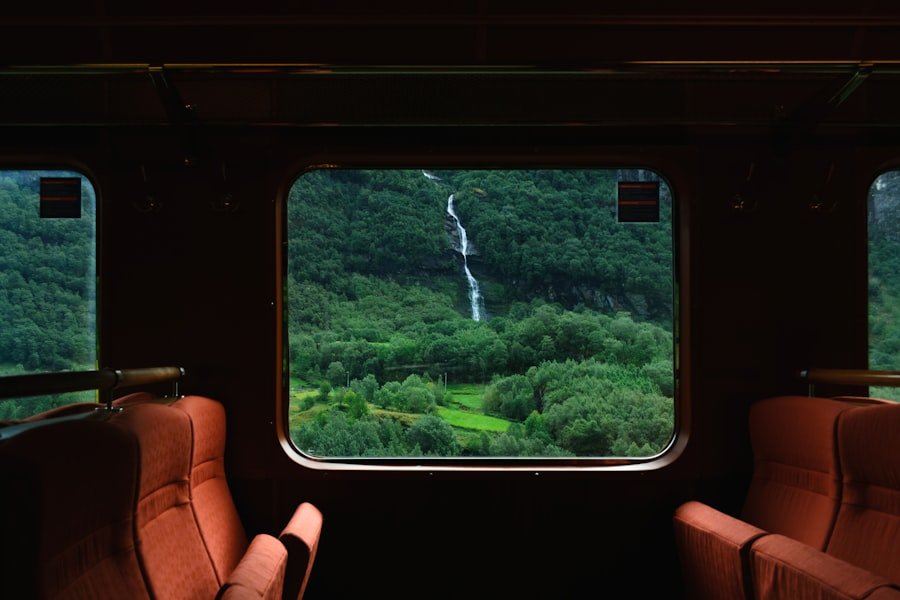
The traditional lifestyle of the Sami people is intricately linked to their environment and reflects a deep understanding of nature’s rhythms. Historically, their livelihoods were based on reindeer herding, fishing, hunting, and gathering. The seasonal migration patterns of reindeer herds dictated the Sami’s movements across vast landscapes, leading to a lifestyle that was both nomadic and sustainable.
This connection to nature is not merely practical; it is also spiritual, as many Sami believe in the sacredness of the land and its resources. Customs play a vital role in Sami culture, with various rituals and practices that celebrate their connection to nature and community. For instance, traditional clothing known as “gákti” is worn during special occasions and ceremonies, showcasing vibrant colours and intricate patterns that signify regional identities.
Additionally, traditional music forms such as “joik” serve as a means of storytelling and expression, often reflecting personal experiences or connections to specific places or events. These customs are not only a means of preserving cultural identity but also serve as a source of pride for the Sami people.
Sami Language and Traditions
Language is a cornerstone of any culture, and for the Sami people, it is no different. The Sami languages belong to the Finno-Ugric language family and consist of several distinct dialects spoken across different regions. These languages are not just tools for communication; they encapsulate the Sami worldview, traditions, and knowledge systems.
Efforts to revitalise and promote the use of Sami languages have gained momentum in recent years, reflecting a broader recognition of their importance in preserving cultural identity. Traditions within Sami culture are rich and varied, encompassing everything from storytelling to craftsmanship. Oral traditions are particularly significant, as they have been used for generations to pass down knowledge about history, nature, and spirituality.
The art of crafting traditional items such as knives, drums, and textiles showcases the Sami’s deep connection to their environment and their skills as artisans. These traditions are not static; they evolve over time while retaining their core values, allowing younger generations to engage with their heritage in meaningful ways.
Contemporary Sami Culture
In contemporary society, Sami culture is experiencing a renaissance as younger generations seek to reconnect with their roots while navigating modern challenges. The rise of social media and digital platforms has provided new avenues for cultural expression and activism among the Sami people. This has led to increased visibility for Sami issues, including land rights, environmental protection, and cultural preservation.
Cultural festivals celebrating Sami heritage have become popular events that attract both locals and tourists alike. These festivals showcase traditional music, dance, art, and cuisine, fostering a sense of pride among the Sami community while educating others about their culture. Additionally, contemporary artists are blending traditional elements with modern influences, creating innovative works that resonate with both Sami and non-Sami audiences.
This dynamic interplay between tradition and modernity highlights the adaptability of Sami culture in an ever-changing world.
Importance of Sami Culture in Norwegian Society
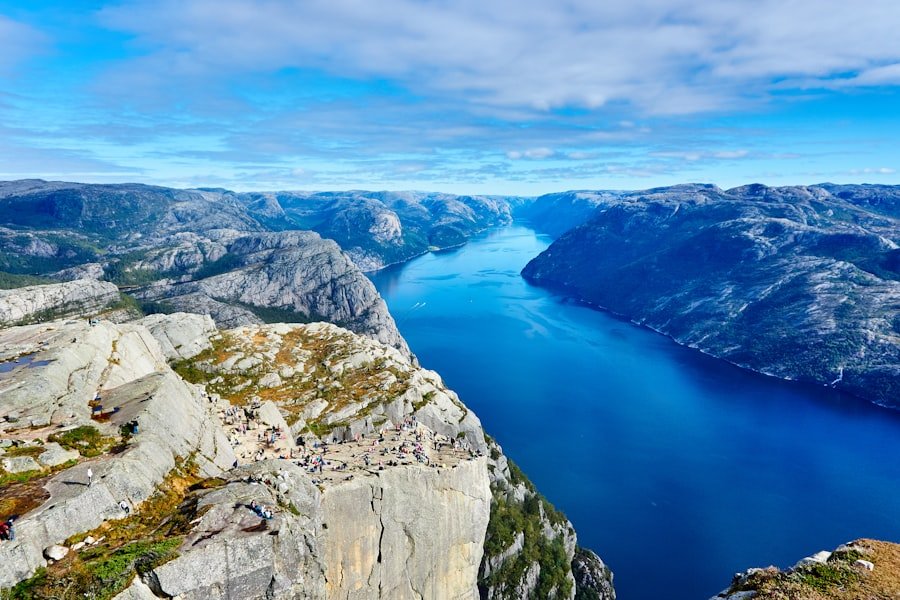
The significance of Sami culture within Norwegian society cannot be overstated. As one of the indigenous peoples of Norway, the Sami contribute to the country’s cultural diversity and richness. Their unique perspectives on environmental stewardship, community living, and sustainable practices offer valuable insights that can benefit broader society.
Recognising and respecting this cultural heritage fosters inclusivity and strengthens national identity. Moreover, acknowledging the historical injustices faced by the Sami people is crucial for reconciliation and healing. Efforts to promote Sami rights and representation in political spheres reflect a growing awareness of the need for equity among all cultural groups in Norway.
By embracing Sami culture as an integral part of Norwegian identity, society can move towards a more harmonious coexistence that values diversity while honouring shared histories.
Understanding Sami Culture for Norwegian Citizenship
For those seeking Norwegian citizenship, understanding Sami culture is not merely an academic exercise; it is an essential aspect of integrating into Norwegian society. Knowledge about the Sami people’s history, traditions, and contemporary issues demonstrates a commitment to embracing Norway’s diverse cultural landscape. This understanding fosters mutual respect between citizens from different backgrounds and contributes to social cohesion.
Furthermore, engaging with Sami culture can enhance one’s appreciation for Norway’s natural environment and its significance in shaping national identity. As prospective citizens learn about the traditional practices that promote sustainability and environmental stewardship within Sami culture, they gain valuable insights into responsible citizenship that aligns with contemporary global challenges.
NLS Prep Course: Sami Culture Module
The NLS Norwegian Language School offers a comprehensive preparation course for those pursuing Norwegian citizenship that includes a dedicated module on Sami culture. This module provides an in-depth exploration of various aspects of Sami life, including history, language, customs, and contemporary issues facing the community today. By incorporating this module into its curriculum, NLS ensures that students gain a well-rounded understanding of what it means to be part of a multicultural society.
Through interactive lessons and engaging discussions led by knowledgeable instructors, students can immerse themselves in the richness of Sami culture while developing language skills essential for citizenship exams. The course also encourages students to reflect on their own cultural backgrounds and how they can contribute positively to Norway’s diverse society.
Benefits of Learning about Sami Culture for Citizenship
Learning about Sami culture offers numerous benefits for those seeking Norwegian citizenship beyond mere compliance with requirements. Firstly, it fosters empathy and understanding towards indigenous peoples’ struggles and triumphs throughout history. This awareness can lead to more informed discussions about social justice issues within Norway.
Additionally, engaging with Sami culture enriches one’s experience as a resident or citizen in Norway. It opens doors to new friendships and connections within diverse communities while promoting cultural exchange that enhances social cohesion. Ultimately, this knowledge equips individuals with a broader perspective on what it means to be part of a nation that values its indigenous heritage alongside its modern identity.
Resources for Further Understanding Sami Culture
For those interested in delving deeper into Sami culture beyond what is offered in formal education settings like NLS courses, numerous resources are available. Books written by Sami authors provide authentic perspectives on their experiences and traditions while documentaries showcase contemporary issues facing the community today. Cultural organisations such as Sámediggi (the Sámi Parliament) offer valuable information about ongoing initiatives aimed at promoting Sami rights and preserving their heritage.
Additionally, attending local festivals or events celebrating Sami culture can provide firsthand experiences that enrich one’s understanding further.
Embracing Sami Culture for Norwegian Citizenship
In conclusion, embracing Sami culture is essential for anyone seeking Norwegian citizenship as it reflects a commitment to understanding and respecting Norway’s diverse heritage. The rich history, traditions, language, and contemporary expressions of the Sami people offer invaluable insights into what it means to be part of this nation. As prospective citizens engage with these aspects of Sami culture through educational courses like those offered at NLS Norwegian Language School or through personal exploration via various resources available today—they not only prepare themselves for citizenship but also contribute positively towards building an inclusive society where all cultures are celebrated equally.
By recognising the importance of indigenous cultures like that of the Sami people within Norway’s national identity—individuals can foster unity amidst diversity while honouring shared histories that bind us all together as one nation.
Ace the Norwegian Citizenship Test. Enroll in the NLS prep course today.