
Learning Norwegian animal vocabulary is essential for pet owners, wildlife enthusiasts, and outdoor enthusiasts alike. Whether you have a pet at home, enjoy observing wildlife in their natural habitats, or love spending time outdoors with animals, knowing the Norwegian words for animals and related phrases can greatly enhance your experience. This article will provide a comprehensive guide to Norwegian animal vocabulary, covering everything from basic pet words to expressions and idioms related to animals.
Key Takeaways
- Basic Norwegian animal vocabulary for pet owners includes words like hund (dog), katt (cat), kanin (rabbit), and hamster.
- Norwegian words for common household pets include fisk (fish), papegøye (parrot), and marsvin (guinea pig).
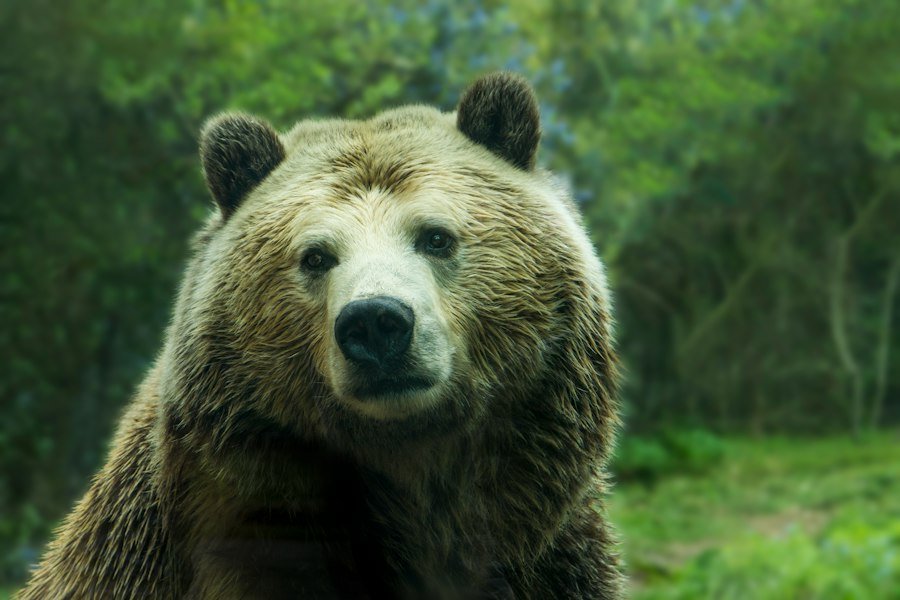
- Norwegian animal vocabulary for wildlife enthusiasts includes elg (moose), bjørn (bear), and ulv (wolf).
- To describe your pet in Norwegian, you can use words like søt (cute), leken (playful), and lydig (obedient).
- Norwegian vocabulary for farm animals includes ku (cow), sau (sheep), and høne (chicken).
- Understanding Norwegian animal sounds and behaviors can help you communicate with animals and better care for them.
- Norwegian vocabulary for animal care and health includes words like veterinær (veterinarian), fôr (feed), and medisin (medicine).
- Norwegian animal vocabulary for outdoor activities includes words like fiske (fishing), jakt (hunting), and ridning (horseback riding).
- Fun Norwegian animal expressions and idioms include “å ha en hund etter seg” (to have a dog after oneself, meaning to be pursued) and “å være en fisk på land” (to be a fish on land, meaning to feel out of place).
- Tips for learning and practicing Norwegian animal vocabulary include using flashcards, watching Norwegian TV shows or movies with animal themes, and practicing with a language exchange partner.
Basic Norwegian Animal Vocabulary for Pet Owners
For pet owners, it is important to know the basic Norwegian words for pets and the phrases associated with taking care of them. Some common words for pets include “katt” (cat), “hund” (dog), “fisk” (fish), and “fugl” (bird). These words are essential for identifying different types of pets and discussing them with others.
In addition to knowing the names of pets, it is also useful to learn basic phrases for feeding, walking, and playing with them. For example, “mat” means food, “luftetur” means walk, and “leke” means play. By learning these phrases, pet owners can effectively communicate their needs and desires to their pets.
Norwegian Words for Common Household Pets
Beyond the basic pet vocabulary, there are also specific words for popular household pets such as hamsters, rabbits, and guinea pigs. For example, “hamster” is the same in Norwegian as it is in English. However, “kanin” is the word for rabbit and “marsvin” is the word for guinea pig.
When describing the appearance and personality of these pets, it is helpful to know adjectives such as “søt” (cute), “leken” (playful), and “snill” (kind). These adjectives can be used to describe the physical characteristics and temperament of different pets.
Norwegian Animal Vocabulary for Wildlife Enthusiasts
For wildlife enthusiasts, learning Norwegian animal vocabulary is crucial for identifying and discussing different species. Some common words for wild animals include “elg” (moose), “reinsdyr” (reindeer), and “isbjørn” (polar bear). These words can be used to describe the animals themselves and their habitats.
In addition to knowing the names of wild animals, it is also useful to learn phrases for describing their habitats and behaviors. For example, “skog” means forest, “fjell” means mountain, and “hav” means ocean. By learning these phrases, wildlife enthusiasts can better understand the natural environment in which these animals live.
How to Describe Your Pet in Norwegian
When talking about pets, it is important to know adjectives for describing their appearance and personality. Some common adjectives for describing pets include “søt” (cute), “leken” (playful), and “loyal” (loyal). These adjectives can be used to convey the characteristics and qualities of different pets.
In addition to adjectives, it is also helpful to know phrases for talking about a pet’s likes and dislikes. For example, “elsker å leke” means loves to play and “hater å bade” means hates to bathe. By learning these phrases, pet owners can effectively communicate their pet’s preferences to others.
Norwegian Vocabulary for Farm Animals
For those interested in farm animals, it is important to know the Norwegian words for cows, pigs, chickens, and other common farm animals. Some common words for farm animals include “ku” (cow), “gris” (pig), and “høne” (chicken). These words are essential for identifying different types of farm animals.
In addition to knowing the names of farm animals, it is also useful to learn phrases for describing their roles on the farm. For example, “melkeku” means dairy cow, “slaktegris” means slaughter pig, and “eggleggende høne” means egg-laying chicken. By learning these phrases, farm enthusiasts can better understand the different functions and purposes of these animals on a farm.
Understanding Norwegian Animal Sounds and Behaviors
To fully understand and appreciate animals, it is important to know the Norwegian vocabulary for animal sounds and behaviors. Some common animal sounds include “mjau” (meow), “bjeff” (bark), and “mø” (moo). These words can be used to describe the sounds that different animals make.
In addition to animal sounds, it is also helpful to know phrases for describing animal behaviors. For example, “logrer med halen” means wagging its tail and “spinner” means purring. By learning these phrases, animal enthusiasts can better understand the behaviors and actions of different animals.
Norwegian Vocabulary for Animal Care and Health
For pet owners, it is important to know the Norwegian words for common pet health issues and phrases for talking to a veterinarian about their pet’s health. Some common words for pet health issues include “loppa” (flea), “allergi” (allergy), and “infeksjon” (infection). These words are essential for identifying and discussing common health problems that pets may experience.
In addition to knowing the names of health issues, it is also useful to learn phrases for talking to a veterinarian about your pet’s health. For example, “min hund har en allergisk reaksjon” means my dog has an allergic reaction and “min katt har en øyeinfeksjon” means my cat has an eye infection. By learning these phrases, pet owners can effectively communicate their pet’s health issues to a veterinarian.
Norwegian Animal Vocabulary for Outdoor Activities
For outdoor enthusiasts, it is important to know the Norwegian words for outdoor activities such as hiking and camping with pets. Some common words for outdoor activities include “fottur” (hiking), “telting” (camping), and “friluftsliv” (outdoor life). These words can be used to describe different types of outdoor activities.
In addition to outdoor activities, it is also helpful to know phrases for describing the natural environment and wildlife. For example, “fjell” means mountain, “skog” means forest, and “elv” means river. By learning these phrases, outdoor enthusiasts can better understand and appreciate the natural environment in which they are exploring.
Fun Norwegian Animal Expressions and Idioms
Norwegian, like any language, has its fair share of expressions and idioms related to animals. Some examples include “å slå to fluer i en smekk” which translates to “to kill two birds with one stone” and “å være en krokodille i vannet” which translates to “to be a crocodile in the water.” These expressions and idioms add color and depth to the language and can be fun to learn and use in conversation.
Tips for Learning and Practicing Norwegian Animal Vocabulary
To effectively learn and practice Norwegian animal vocabulary, there are several tips that can be helpful. One suggestion is to use flashcards or other visual aids to memorize new words. Another tip is to watch Norwegian animal documentaries or read books about animals in Norwegian. Additionally, practicing conversations with native speakers or language exchange partners can greatly improve your fluency in using animal vocabulary.
Learning Norwegian animal vocabulary is essential for pet owners, wildlife enthusiasts, and outdoor enthusiasts alike. By knowing the names of different animals, phrases for describing their appearance and behavior, and vocabulary related to animal care and health, individuals can better communicate and understand the animals they encounter. Whether you have a pet at home, enjoy observing wildlife in their natural habitats, or love spending time outdoors with animals, learning Norwegian animal vocabulary can greatly enhance your experience.