



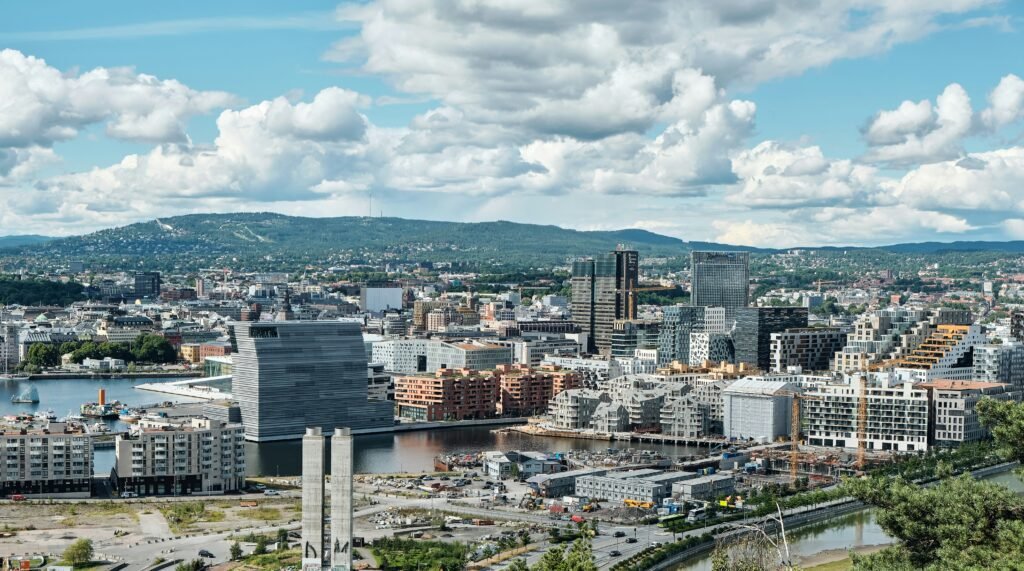
Norway has emerged as a global leader in the green transition and cleantech sectors, driven by a combination of natural resources, innovative technologies, and a strong commitment to sustainability. The country’s abundant hydropower resources have laid the foundation for a clean energy landscape, while its vast coastline offers immense potential for offshore wind and tidal energy. As climate change becomes an increasingly pressing issue, Norway has recognized the need to pivot towards sustainable practices, leading to a surge in investments and initiatives aimed at reducing carbon emissions and promoting renewable energy sources.
The Norwegian government has set ambitious targets for reducing greenhouse gas emissions, aiming for a 55% reduction by 2030 compared to 1990 levels. This commitment has catalyzed the growth of the cleantech sector, which encompasses a wide range of industries focused on developing technologies that minimize environmental impact. From electric vehicles to carbon capture and storage, Norway is at the forefront of innovation in sustainable technologies. The rise of this sector not only reflects a national priority but also positions Norway as an attractive destination for businesses and professionals seeking to contribute to the global green transition.
Job Opportunities in Norway’s Green Transition and Cleantech Sectors
As the green transition accelerates, job opportunities in Norway’s cleantech sectors are expanding rapidly. The demand for skilled professionals in renewable energy, sustainable engineering, and environmental management is on the rise. Companies are actively seeking individuals who can contribute to innovative projects aimed at reducing carbon footprints and enhancing energy efficiency. This trend is particularly evident in sectors such as wind energy, where Norway is investing heavily in offshore wind farms, creating numerous job openings for engineers, project managers, and technicians.
Moreover, the growth of the cleantech sector is not limited to traditional energy roles. There is an increasing need for experts in areas such as data analysis, software development, and environmental policy. As organizations strive to optimize their operations and comply with stringent environmental regulations, professionals with interdisciplinary skills are becoming invaluable assets. The convergence of technology and sustainability is creating a dynamic job market that offers diverse opportunities for individuals looking to make a meaningful impact in the fight against climate change.
Qualifications and Skills Needed for Working in Norway’s Green Transition and Cleantech Sectors
To thrive in Norway’s green transition and cleantech sectors, candidates must possess a unique blend of qualifications and skills tailored to the demands of this evolving landscape. A strong educational background in fields such as environmental science, engineering, or renewable energy is often essential. Many employers seek candidates with advanced degrees or specialized certifications that demonstrate expertise in sustainable practices and technologies. Additionally, practical experience through internships or projects related to cleantech can significantly enhance a candidate’s employability.
Beyond formal qualifications, soft skills play a crucial role in the success of professionals in this sector. Effective communication, teamwork, and problem-solving abilities are highly valued as projects often involve collaboration across various disciplines. Furthermore, adaptability is key; the cleantech landscape is constantly evolving with new technologies and regulations. Professionals who can navigate these changes and embrace innovative approaches will be well-positioned to excel in their careers within Norway’s green transition.
Top Companies and Organizations Leading the Green Transition and Cleantech Sectors in Norway
Norway boasts a vibrant ecosystem of companies and organizations that are spearheading the green transition and cleantech initiatives. Among them is Equinor, formerly known as Statoil, which has shifted its focus from traditional oil and gas to renewable energy sources such as offshore wind and solar power. Equinor’s commitment to sustainability has made it a key player in Norway’s energy landscape, driving innovation and investment in clean technologies.
Another notable organization is DNB, Norway’s largest financial services group, which has integrated sustainability into its core business strategy. DNB actively supports green projects through financing and investment initiatives aimed at promoting sustainable development. Additionally, companies like Statkraft, a leading hydropower producer, are at the forefront of developing new technologies that enhance energy efficiency and reduce environmental impact. These organizations not only contribute to Norway’s green transition but also serve as models for other countries striving to achieve similar goals.
Challenges and Opportunities for Foreign Workers in Norway’s Green Transition and Cleantech Sectors
| Metrics | Data |
|---|---|
| Number of Green Jobs | 50,000 |
| Investment in Cleantech | 2 billion |
| Renewable Energy Production | 30 TWh |
| Electric Vehicle Adoption | 50% |
While Norway’s green transition presents numerous opportunities for foreign workers, it also comes with its own set of challenges. One significant hurdle is the language barrier; proficiency in Norwegian can be crucial for effective communication within many organizations. Although many companies operate in English, especially in international contexts, having a grasp of the local language can enhance integration into the workplace and foster better relationships with colleagues.
On the flip side, foreign workers bring diverse perspectives and experiences that can enrich Norway’s cleantech sectors. The influx of talent from different backgrounds can drive innovation and creativity, leading to novel solutions for sustainability challenges. Additionally, many companies actively seek international expertise to complement their local workforce, recognizing that a diverse team can enhance problem-solving capabilities. For foreign professionals willing to adapt and embrace the local culture, Norway offers a wealth of opportunities to contribute meaningfully to its green transition.
Government Initiatives and Policies Supporting the Green Transition and Cleantech Sectors in Norway
Let us help you achieve Norwegian fluency.
The Norwegian government plays a pivotal role in fostering the growth of the green transition and cleantech sectors through various initiatives and policies. One of the most significant measures is the establishment of ambitious climate targets that guide national efforts towards sustainability. The government has implemented incentives for businesses investing in renewable energy projects, including tax breaks and grants aimed at promoting innovation in clean technologies.
Furthermore, Norway has invested heavily in research and development related to cleantech solutions. The Research Council of Norway funds numerous projects focused on sustainable energy systems, carbon capture technologies, and circular economy practices. These initiatives not only support local businesses but also position Norway as a hub for research excellence in sustainability. By creating an enabling environment for innovation, the government is ensuring that Norway remains at the forefront of the global green transition.
Networking and Professional Development Opportunities in Norway’s Green Transition and Cleantech Sectors
Networking plays a crucial role in career advancement within Norway’s green transition and cleantech sectors. Numerous industry events, conferences, and workshops provide platforms for professionals to connect with peers, share knowledge, and explore collaboration opportunities. Organizations such as the Norwegian Renewable Energy Association (NVEA) host events that bring together stakeholders from various sectors to discuss trends, challenges, and innovations in renewable energy.
Additionally, professional development programs focused on sustainability are increasingly available through universities and training institutions. These programs often include workshops on emerging technologies, project management skills specific to cleantech projects, and leadership training tailored for professionals aiming to drive change within their organizations. By actively participating in networking events and pursuing continuous learning opportunities, individuals can enhance their expertise while building valuable connections within Norway’s green transition landscape.
Work Culture and Work-Life Balance in Norway’s Green Transition and Cleantech Sectors
Norway is renowned for its strong emphasis on work-life balance, which extends into its green transition and cleantech sectors. The typical work culture prioritizes flexibility, allowing employees to manage their time effectively while contributing to sustainability goals. Many organizations offer remote work options or flexible hours to accommodate personal commitments, fostering an environment where employees can thrive both professionally and personally.
This focus on work-life balance is complemented by a collaborative work culture that values input from all team members. In cleantech sectors, where innovation is key, organizations encourage open dialogue and idea-sharing among employees at all levels. This inclusive approach not only enhances job satisfaction but also drives creativity and problem-solving capabilities within teams working towards common sustainability objectives.
Diversity and Inclusion in Norway’s Green Transition and Cleantech Sectors Workforce
Diversity and inclusion are increasingly recognized as essential components of successful organizations within Norway’s green transition and cleantech sectors. Companies are actively working to create diverse teams that reflect a range of perspectives, experiences, and backgrounds. This commitment not only enhances creativity but also fosters an inclusive environment where all employees feel valued and empowered to contribute their ideas.
Many organizations have implemented diversity initiatives aimed at attracting underrepresented groups into the workforce. These efforts include targeted recruitment campaigns, mentorship programs for women in engineering fields, and partnerships with educational institutions to promote STEM education among minority communities. By prioritizing diversity and inclusion, Norway’s cleantech sectors are positioning themselves for greater innovation while addressing social equity issues within the workforce.
Sustainability and Environmental Impact of Working in Norway’s Green Transition and Cleantech Sectors
Working within Norway’s green transition and cleantech sectors inherently aligns with sustainability principles. Professionals engaged in these fields contribute directly to initiatives aimed at reducing environmental impact through innovative technologies and practices. Whether developing renewable energy solutions or implementing sustainable business strategies, employees play a vital role in advancing Norway’s commitment to achieving carbon neutrality.
Moreover, many organizations prioritize sustainability not only in their products but also within their operations. This includes adopting circular economy practices that minimize waste generation and promote resource efficiency throughout supply chains. By fostering a culture of sustainability within their workplaces, employees are empowered to make choices that align with their values while contributing positively to the environment.
Future Outlook and Growth Potential of Norway’s Green Transition and Cleantech Sectors
The future outlook for Norway’s green transition and cleantech sectors appears promising as global demand for sustainable solutions continues to rise. With increasing investments from both public and private sectors aimed at advancing renewable energy technologies, job growth is expected to remain robust over the coming years. As countries worldwide strive to meet climate targets outlined in international agreements like the Paris Accord, Norway’s expertise in clean technologies positions it as a key player on the global stage.
Furthermore, ongoing research initiatives focused on emerging technologies such as hydrogen production, battery storage solutions, and smart grid systems indicate significant growth potential within these areas. As innovation accelerates within the cleantech sector, professionals equipped with relevant skills will find ample opportunities to contribute meaningfully while shaping a sustainable future for generations to come.
In conclusion, as individuals consider embarking on careers within Norway’s green transition and cleantech sectors—whether they are locals or foreign workers—it’s essential to recognize the importance of language skills as well. For those looking to immerse themselves fully into this vibrant landscape while enhancing their employability prospects further down the line—consider enrolling in Norwegian courses at NLS Norwegian Language School located right in Oslo! These courses provide tailored language instruction designed specifically for professionals aiming to thrive within this dynamic field while embracing local culture seamlessly!




