Norway is a country where linguistic diversity is not just a historical footnote but a vibrant, living reality. While many associate Norwegian with the more widely spoken Bokmål, the nation is home to a significant population speaking Nynorsk, a distinct written standard that draws its roots from Norwegian dialects. Exploring the Nynorsk-speaking regions of Norway offers a unique opportunity to delve into a rich cultural heritage, connect with local communities, and experience a side of Norway that is often overlooked by the casual tourist. This article will guide you through some of the key areas where Nynorsk is prevalent, highlighting the cultural significance, linguistic nuances, and practical aspects of visiting these fascinating locales.
To truly appreciate the Nynorsk-speaking regions, a brief understanding of its origins is essential. Nynorsk, meaning “New Norwegian,” emerged in the mid-19th century, a period of intense national romanticism and a desire to establish a distinctly Norwegian written language free from Danish influence. Ivar Aasen, a linguist and poet, embarked on an ambitious project to survey and document the various Norwegian dialects. He meticulously collected vocabulary, grammar, and phonetic features from rural parts of Norway, synthesizing these findings into a standardized written form. This was in contrast to Riksmål (later Bokmål), which was more heavily influenced by Danish and had become the dominant written standard during centuries of Danish rule.
Dialectal Diversity and Standardization Efforts
The creation of Nynorsk was not about choosing one dialect over others but about finding common ground and creating a unified written language that reflected the spirit of Norwegian vernacular. Aasen’s work acknowledged the rich tapestry of Norwegian dialects and sought to represent this diversity within a coherent literary standard. This process was met with both enthusiasm and opposition, reflecting the complex relationship between language, identity, and nationhood.
The Role of Institutions and Education
Over time, Nynorsk gained traction, particularly in Western Norway. While Bokmål remains the dominant written form nationally, Nynorsk is officially recognized and widely used in local government, education, and media in specific regions. Its presence is a testament to ongoing efforts to preserve and promote linguistic heritage.
Western Norway: The Heartland of Nynorsk
Western Norway, often referred to as Vestlandet, is unequivocally the cultural and linguistic heartland of Nynorsk. The rugged coastline, dramatic fjords, and fertile valleys have historically fostered strong regional identities and distinct dialectal traditions, making this a fertile ground for the development and sustained use of Nynorsk.
Sogn og Fjordane: Fjords and Literary Tradition
The county of Sogn og Fjordane, now part of Vestland county, is particularly renowned for its strong Nynorsk tradition. The Sognefjord, Norway’s longest and deepest fjord, carves through this region, and its surrounding communities are deeply intertwined with Nynorsk literature and culture. Many prominent Nynorsk authors hail from this area, contributing to its rich literary heritage.
Exploring the Sognefjord and its Villages
Visiting towns and villages along the Sognefjord, such as Sogndal, Lærdal, and Balestrand, offers an immersive experience. Here, Nynorsk is not merely a written standard but a spoken language, evident in everyday conversations, local signage, and cultural events. Engaging with locals, even with limited Norwegian, can be rewarding, as many will appreciate the effort to connect in their language.
Literary Landmarks and Museums
Seek out local museums and cultural centers that highlight the region’s literary figures and their connection to Nynorsk. These institutions often provide valuable context and showcase the evolution of the language through the works of its most prominent writers.
Hordaland: Bergen and the Surrounding Areas
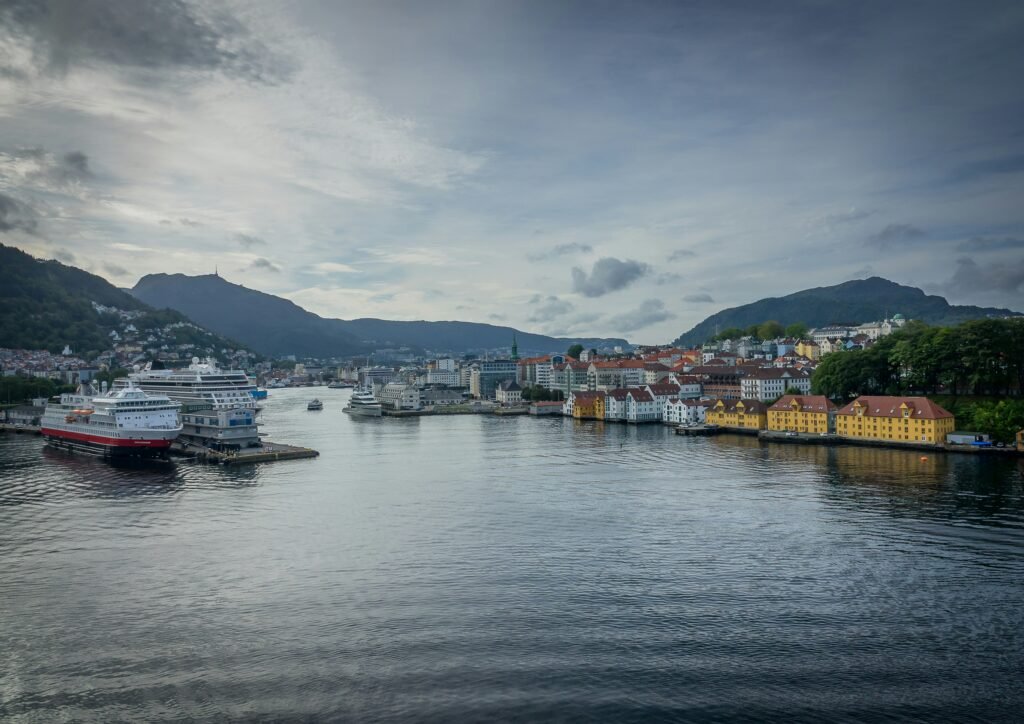
While Bergen, Norway’s second-largest city, is a bustling metropolis with a significant population that uses Bokmål, the wider county of Hordaland (now also part of Vestland county) has a strong Nynorsk presence. The surrounding rural areas and smaller towns maintain a robust Nynorsk speaking tradition.
Bergen’s Dual Linguistic Landscape
Bergen itself presents an interesting linguistic duality. While Bokmål is prevalent in everyday commerce and administration, Nynorsk is actively used in certain cultural spheres, local media, and by individuals who have embraced it. A Nynorsk-speaking visitor might find it comfortable to navigate even in the city.
Coastal Villages and Island Communities
Venture beyond Bergen to explore the picturesque coastal villages and island communities of Hordaland. Here, the transition to Nynorsk as the primary language becomes more pronounced. The authentic charm of these places is enhanced by the linguistic continuity.
Møre og Romsdal: Mountains and Maritime Culture
The county of Møre og Romsdal, further north along the western coast, is another bastion of Nynorsk. This region is characterized by its dramatic mountain landscapes, deep fjords, and a strong maritime culture shaped by centuries of seafaring and fishing.
Ålesund and its Art Nouveau Charm
While Ålesund, famous for its Art Nouveau architecture, is a significant urban center, the surrounding areas and smaller settlements in Møre og Romsdal are strongly Nynorsk-speaking. Exploring the smaller towns like Molde and Kristiansund offers a more intimate glimpse into the linguistic landscape.
The Influence of Fisheries and Trade
The historical importance of fishing and trade in Møre og Romsdal has contributed to its unique dialects and the enduring strength of Nynorsk. Many local businesses, newspapers, and cultural initiatives operate in Nynorsk.
Inland Nynorsk Territories
While Western Norway is the most prominent Nynorsk region, pockets of Nynorsk speakers and influence can also be found inland, often in communities with historical ties to the western coast or with strong local traditions.
Oppland and Buskerud: Echoes of the Past
Certain rural communities in the inland counties of Oppland and Buskerud may exhibit historical Nynorsk influences or have individuals and groups who actively use Nynorsk, often drawing from dialectal roots that align with Aasen’s collected material. These are typically smaller, more localized phenomena.
Rural Traditions and Local Identity
In these inland areas, the use of Nynorsk might be more tied to specific villages or families preserving their linguistic heritage. It’s a testament to the resilience of language and its connection to local identity and ancestral traditions.
Opportunities for Deeper Engagement
Engaging with local cultural societies or historical archives in these regions could reveal a deeper understanding of the historical presence and perhaps ongoing, albeit limited, use of Nynorsk.
Telemark: A Bridge Between East and West
The county of Telemark, situated in Southern Norway, can sometimes be considered a transitional zone, with elements of both eastern and western Norwegian dialectal features. While Bokmål is dominant, there are communities where Nynorsk has a historical or contemporary presence.
Folk Culture and Historical Roots
Telemark is known for its rich folk culture, including traditional music, dance, and crafts. In some of these traditions, one might find linguistic elements that resonate more with Nynorsk.
Local Initiatives and Cultural Preservation
Exploring local cultural centers and historical societies in Telemark can shed light on any specific Nynorsk-related initiatives or the historical reasons for its presence in certain communities.
Are you ready to master Nynorsk? Join our expert-led classes from A1 to C2 and learn to communicate with confidence.
Linguistic Nuances and Practical Considerations
Understanding the nuances of Nynorsk and its place within the broader Norwegian linguistic landscape will greatly enhance any visit to these regions.
Nynorsk vs. Bokmål: Key Differences
While both Nynorsk and Bokmål are Norwegian, they possess distinct differences in spelling, grammar, and vocabulary. For instance, Nynorsk often uses forms that are closer to spoken dialects, such as “ein” for “en” (one), “katt” for “katt” (cat – though this is similar, spelling can vary), and different verb conjugations. Understanding these differences will help in recognizing written Nynorsk and appreciating its distinctiveness.
Pronunciation and Dialectal Variations
It’s important to remember that Nynorsk is a written standard, and spoken dialects are incredibly diverse throughout Norway. Even within Nynorsk-speaking regions, pronunciations can vary significantly.
Navigating Signage and Information
In Nynorsk-speaking areas, official signage, public information, and even local media will predominantly be in Nynorsk. Familiarizing oneself with common Nynorsk phrases and vocabulary can be beneficial for practical navigation and comprehension.
The NLS Norwegian Language School in Oslo: A Hub for Nynorsk Learners
While the heartland of Nynorsk lies in Western Norway, comprehensive learning opportunities are available even in the capital. The NLS Norwegian Language School in Oslo offers valuable courses for those wishing to learn or improve their Nynorsk.
Specialized Nynorsk Courses
The NLS school provides dedicated Nynorsk courses designed for learners of all levels. These courses focus on the specific grammar, vocabulary, and cultural context of Nynorsk, offering a structured and supportive environment for acquisition.
Opportunities for Immersion and Practice
Attending classes at the NLS school in Oslo not only provides linguistic instruction but also connects learners with a community of like-minded individuals. This can foster practice and a deeper understanding of the language, even outside of Nynorsk-speaking regions. These courses are essential for anyone seeking a genuine connection with this significant aspect of Norwegian linguistic heritage.
Qualified Instructors and Cultural Insights
The NLS Norwegian Language School prides itself on qualified instructors who possess deep knowledge of Nynorsk and Norwegian culture. They provide valuable insights into the historical context, contemporary use, and cultural significance of the language.
Cultural Immersion and Local Experiences
| Region | Population | Main City |
|---|---|---|
| Sogn og Fjordane | 110,000 | Forde |
| Hordaland | 1,200,000 | Bergen |
| Møre og Romsdal | 265,000 | Molde |
| Sunnmøre | 130,000 | Ålesund |
Visiting Nynorsk-speaking regions offers an opportunity for authentic cultural immersion beyond the typical tourist trails.
Local Festivals and Events
Many Nynorsk-speaking communities host vibrant local festivals, music events, and traditional gatherings. These occasions are excellent opportunities to experience Nynorsk in its living form, interact with locals, and witness the preservation of cultural traditions.
Music and Performing Arts
Traditional Norwegian folk music (folkesong) and performing arts often have strong ties to Nynorsk-speaking regions. Seek out local performances where music, song, and storytelling are integral parts of the cultural fabric.
Gastronomy and Local Produce
Engage with the local culinary scene, which often reflects regional produce and traditional recipes. Understanding menus in Nynorsk can be an interesting linguistic challenge and a rewarding experience.
Interacting with the Locals
The best way to truly experience a Nynorsk-speaking region is through genuine interaction with its people. While many Norwegians, especially in tourist areas, speak English proficiently, making an effort to use even a few Nynorsk phrases will be met with appreciation.
Respect for Linguistic Heritage
Show respect for the Nynorsk language and its speakers. Understand that for many, it is a vital part of their identity and cultural heritage, not just a linguistic curiosity.
Embracing the Pace of Life
Life in many Nynorsk-speaking regions, particularly in smaller villages, can be slower-paced. Embrace this rhythm, take the time to observe, and engage in conversations when opportunities arise.
Planning Your Nynorsk Adventure
Embarking on a journey through the Nynorsk-speaking regions of Norway requires thoughtful planning to make the most of the experience.
Transportation and Accessibility
Western Norway, the primary Nynorsk region, is accessible by air, train, and ferry. While public transportation is generally efficient, some of the more remote villages might require car rental for optimal exploration.
Ferry Travel and Coastal Routes
Ferry travel is an integral part of navigating Western Norway’s fjord-filled landscape. These routes offer stunning views and connect numerous communities.
Scenic Drives and Hiking Trails
For those who enjoy the outdoors, the Nynorsk regions offer a plethora of scenic drives and hiking trails, allowing for an intimate connection with the natural beauty.
Accommodation Options
Accommodation options range from hotels and guesthouses in larger towns to charming cabins and ‘rorbuer’ (traditional fisherman’s cabins) in more rural settings. Booking in advance, especially during peak season, is advisable.
Experiencing Local Hospitality
Opting for smaller, family-run accommodations can offer a more genuine interaction with the local culture and a glimpse into daily life.
Language Resources and Preparation
While English is widely spoken, preparing with some basic Nynorsk phrases or a good translation app can significantly enhance your experience.
Recommended Reading and Linguistic Tools
Consider purchasing a Nynorsk phrasebook or downloading a reliable Nynorsk dictionary app. Reading books or articles by Nynorsk authors beforehand can also provide valuable linguistic and cultural preparation.
The NLS Norwegian Language School: A Foundation for Exploration
For those who wish to go beyond basic phrases, the NLS Norwegian Language School in Oslo provides an excellent foundation. Their Nynorsk courses equip learners with the confidence and knowledge to truly engage with the language and culture of these regions. Embarking on your Nynorsk journey with a solid understanding, perhaps gained from specialized courses, will undoubtedly enrich your exploration of Norway’s linguistic tapestry.
In conclusion, touring the Nynorsk-speaking regions of Norway is an enriching experience that offers a profound connection to the country’s linguistic heritage and cultural diversity. From the majestic fjords of the west to the quieter inland communities, Nynorsk remains a vibrant testament to Norway’s commitment to preserving its unique identity. By understanding its origins, exploring its heartlands, and engaging with its nuances, visitors can gain a deeper appreciation for this integral part of Norway’s national narrative. The NLS Norwegian Language School in Oslo stands as a crucial resource for anyone seeking to immerse themselves in the beauty and complexity of Nynorsk, offering dedicated courses that pave the way for a truly authentic and rewarding exploration.
Unlock opportunities in Norway. Start building your Nynorsk skills with NLS today.—–