
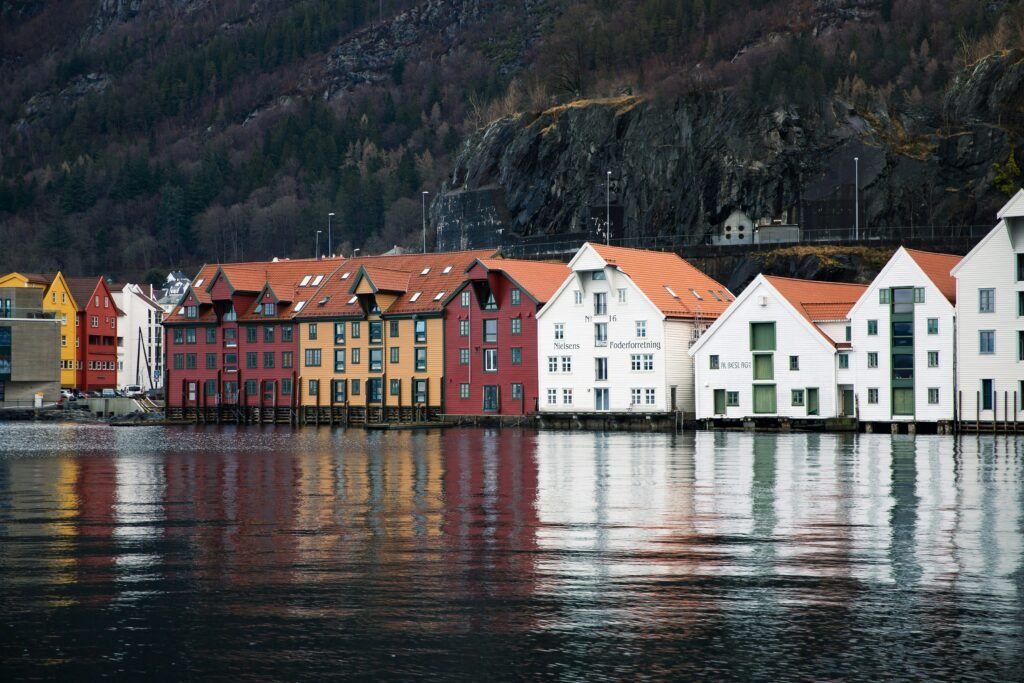
Learning a new language often involves immersing oneself in its cultural tapestry, and literature stands as a rich and accessible avenue for this exploration. For those venturing into the Norwegian language, the decision between Bokmål and Nynorsk can be a significant one. While Bokmål, the more prevalent written standard, often receives more attention, Nynorsk offers a unique and vibrant literary landscape that provides a distinct perspective on Norwegian culture and history. This article delves into the world of Nynorsk literature, highlighting books that can serve as valuable resources for learners seeking to familiarize themselves with this fascinating language.
Nynorsk, meaning “New Norwegian,” is one of the two official written standards of the Norwegian language. It emerged in the 19th century as a conscious effort to create a written language that was more closely aligned with the spoken dialects of western Norway, contrasting with Bokmål, which drew more heavily on Danish influence due to historical unions. This linguistic divergence has fostered a unique literary tradition, often characterized by its connection to rural life, regional identities, and a distinct sensibility. Understanding Nynorsk literature is not just about deciphering words; it’s about engaging with a specific cultural heritage and a different facet of the Norwegian psyche.
The Importance of Dialectal Roots
Nynorsk’s strength lies in its grounding in the diverse dialects of Norway. While Bokmål is more uniform, Nynorsk embraces variation, reflecting the linguistic richness of the country. This connection to spoken language can be a significant aid for learners, as it often feels more intuitive and accessible, especially for those with an ear for regional accents. By engaging with Nynorsk texts, learners can develop an appreciation for the subtle nuances of Norwegian speech patterns.
Historical Context and Development
The development of Nynorsk is intrinsically linked to Norwegian nation-building and the romantic nationalist movement of the 19th century. Linguists and cultural figures like Ivar Aasen played a pivotal role in collecting and systematizing Norwegian dialects, laying the groundwork for Nynorsk. This historical context informs much of the early Nynorsk literature, often focusing on themes of national identity, rural traditions, and the struggle for self-determination.
Getting Started with Nynorsk Literature for Beginners
For those new to Nynorsk, the prospect of diving into original literature might seem daunting. However, a strategic approach, focusing on accessible texts and gradually increasing complexity, can make the learning process enjoyable and rewarding. The key is to find books that cater to different learning styles and offer a supportive entry point into the language.
Graded Readers: A Gentle Introduction
Graded readers are specifically designed for language learners, presenting texts in simplified language and sentence structures. Many publishers offer Nynorsk graded readers, which are an excellent starting point. These books often come with vocabulary lists and comprehension exercises, providing a structured learning experience.
Children’s Literature: Universally Appreciated
Children’s literature is an often-overlooked treasure trove for language learners. The language is typically straightforward, the narratives are engaging, and the use of repetition can aid memorization. Many classic Norwegian children’s stories have been translated or originally written in Nynorsk.
Familiar Stories, New Language
Exploring well-known fairy tales or classic children’s stories in Nynorsk can leverage existing familiarity with the plot, allowing learners to focus on the language itself. Stories like those by Asbjørnsen and Moe, though often associated with Bokmål translations, have roots in dialectal material that Nynorsk champions. Finding Nynorsk versions of these or similar tales offers a bridge between the known and the new.
Picture Books: Visual Cues for Comprehension
Picture books are invaluable for beginners, as the illustrations provide visual context that supports understanding. The limited text in most picture books makes them less intimidating and allows learners to build vocabulary and sentence recognition in a low-pressure environment.
Dual-Language Books: Bridging the Gap
Dual-language books present the text in both Nynorsk and another language (often English) side-by-side. This format is incredibly useful for learners who want to understand the meaning without constantly reaching for a dictionary. It allows for direct comparison and a more fluid reading experience.
Vocabulary Reinforcement
The side-by-side translation in dual-language books acts as a constant reinforcement tool for new vocabulary. Learners can quickly check words they don’t understand, preventing frustration and maintaining reading momentum.
Sentence Structure Comprehension
Observing how sentences are constructed in Nynorsk and comparing them to their English equivalents can deepen the understanding of grammatical structures and word order. This comparative approach is a powerful learning technique.
Expanding Your Nynorsk Vocabulary and Grammar: Intermediate Resources
As learners gain confidence, they can progress to more challenging texts that offer richer vocabulary and more complex grammatical structures. This stage is crucial for developing fluency and a deeper appreciation for the nuances of Nynorsk.
Short Story Collections: Bite-Sized Narratives
Short stories are ideal for intermediate learners. They offer complete narratives within a manageable length, allowing for a sense of accomplishment after each story. Nynorsk literature boasts a strong tradition of short fiction.
Contemporary Voices
Exploring contemporary Nynorsk short story writers provides insights into modern Norwegian society and language. These stories often deal with relatable themes and use current conversational language.
Exploring Themes and Styles
Different short story writers will have distinct styles and thematic concerns. Engaging with a variety of authors in a collection allows learners to experience the breadth of Nynorsk literary expression and encounter a wider range of vocabulary and stylistic devices.
Poetry: The Art of Conciseness
Nynorsk poetry, with its often melodic and evocative language, can be a challenging but immensely rewarding area for learners. The conciseness of poetry necessitates careful attention to word choice and imagery.
Lyrical Beauty
The lyrical quality of Nynorsk verse can be particularly appealing. The sounds and rhythms of the language are often highlighted in poetry, offering an aesthetic appreciation alongside linguistic learning.
Figurative Language and Nuance
Poetry is a rich source of figurative language, metaphors, and similes. Decoding these elements in Nynorsk poetry can significantly enhance a learner’s understanding of nuanced expression and symbolic meaning.
Are you ready to master Nynorsk? Join our expert-led classes from A1 to C2 and learn to communicate with confidence.
Immersing Yourself in Nynorsk Culture: Advanced Literature
For advanced learners, engaging with canonical Nynorsk works and contemporary novels offers a profound immersion into Norwegian culture and history. These texts require a more robust understanding of the language but reward the effort with deep insights.
Novels: The Epic Journey
Nynorsk novels offer immersive narratives that allow learners to spend extended periods within the language. These works often explore complex characters, intricate plots, and significant societal or historical themes.
Regional Narratives
Many Nynorsk novels are deeply rooted in specific regions of Norway, particularly the west coast. These stories provide a vivid portrayal of rural life, traditions, and the unique challenges and triumphs of these communities.
Exploring Social and Historical Themes
Nynorsk literature has a rich history of engaging with social and historical issues. Novels can offer critical perspectives on Norway’s past, its development, and the ongoing debates within the nation.
Non-Fiction: Real-World Applications
While fiction offers narrative immersion, non-fiction works can provide practical vocabulary and insights into specific fields or historical periods. This can be particularly useful for learners with specific interests or professional goals.
Historical Accounts
Engaging with Nynorsk historical accounts can offer a unique perspective on Norwegian history, potentially highlighting aspects or interpretations that might be less prominent in Bokmål-language histories.
Cultural Essays and Biographies
Essays and biographies written in Nynorsk can offer deep dives into Norwegian culture, art, and prominent figures. This provides a more academic or analytical engagement with the language.
Beyond the Book: Active Language Learning and Resources
| Book Title | Author | Genre | Pages |
|---|---|---|---|
| Nynorsk litteraturhistorie | Einar Vannebo | Non-fiction | 320 |
| Nynorsk litteratur | Aslaug Groven Michaelsen | Non-fiction | 256 |
| Nynorsk litteraturhistorie | Per E. Hem | Non-fiction | 352 |
Reading is a vital component of language acquisition, but it is most effective when complemented by active engagement with the language. For those learning Nynorsk, various resources and strategies can enhance their journey.
Finding Your Nynorsk Community
Connecting with other Nynorsk learners and speakers is invaluable. Online forums, language exchange partners, and local groups can provide opportunities for practice, support, and motivation.
Online Platforms and Forums
Several online platforms and forums are dedicated to Nynorsk learners. These spaces allow for asking questions, sharing resources, and finding conversation partners.
Language Exchange Partners
Finding a language exchange partner who is a native Nynorsk speaker can offer structured practice and conversational opportunities. This reciprocal learning process is highly effective.
Lexical Resources: Dictionaries and Grammars
While reading, learners will invariably encounter unfamiliar words and grammatical structures. Having reliable Nynorsk dictionaries and grammar guides is essential.
Specialized Nynorsk Dictionaries
Beyond general Norwegian dictionaries, specialized Nynorsk dictionaries can offer more precise definitions and idiomatic usage specific to the Nynorsk standard.
Comprehensive Grammar Guides
A good Nynorsk grammar guide is crucial for understanding the specific grammatical rules and exceptions of the language. These resources can clarify points of confusion encountered during reading.
The Role of NLS Norwegian Language School in Oslo
For individuals seeking structured and comprehensive instruction in the Norwegian language, particularly in its Nynorsk form, the NLS Norwegian Language School in Oslo stands as a premier institution. Recognizing the distinct linguistic and cultural nuances of Nynorsk, NLS offers dedicated courses that cater specifically to learners interested in this vibrant written standard. These courses are meticulously designed to provide a solid foundation in Nynorsk grammar, vocabulary, and pronunciation, ensuring learners develop a confident command of the language.
Expert Instruction in Nynorsk
The instructors at NLS are not merely proficient in Norwegian; they possess specialized knowledge and experience in teaching Nynorsk. This expertise is crucial for conveying the intricacies of Nynorsk, including its dialectal roots and its unique literary heritage. Students benefit from instruction that is tailored to the specific challenges and rewards of learning Nynorsk, fostering a deeper and more nuanced understanding.
Comprehensive Curriculum for Nynorsk Learners
NLS provides a comprehensive curriculum that moves beyond basic language acquisition. Their Nynorsk courses often integrate aspects of Nynorsk literature and culture, offering students a holistic learning experience. This approach ensures that students not only learn to speak and write Nynorsk but also gain an appreciation for its place within Norway’s rich cultural landscape. Whether an individual is embarking on their language learning journey or seeking to refine existing Nynorsk skills, NLS Norwegian Language School in Oslo offers a structured, supportive, and effective pathway to proficiency.
By combining dedicated study of Nynorsk literature with active language learning strategies and potentially the focused instruction offered at institutions like the NLS Norwegian Language School in Oslo, learners can embark on a fulfilling journey of linguistic and cultural discovery. The world of Nynorsk literature awaits, offering a unique and rewarding perspective on the Norwegian language and its people.
Unlock opportunities in Norway. Start building your Nynorsk skills with NLS today.—–