

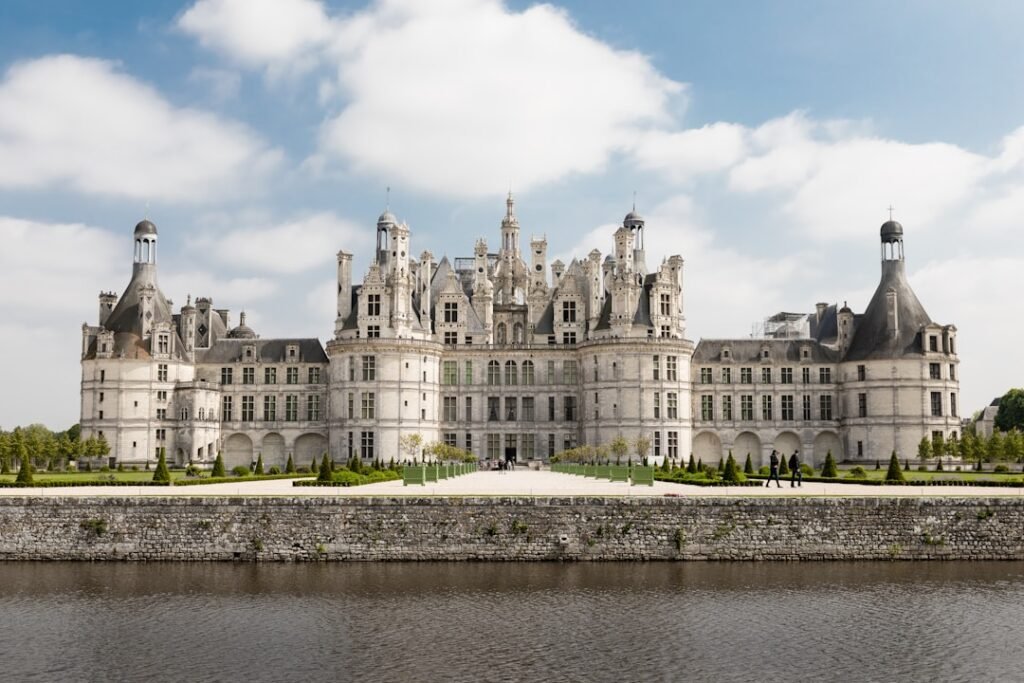
Nestled in the heart of France, the Loire Valley is a region renowned for its breathtaking landscapes, rich history, and, most notably, its stunning châteaux. Often referred to as the “Garden of France,” this picturesque area is dotted with over 300 castles, each telling a unique story of the past. The Loire River meanders gracefully through the valley, providing a natural backdrop that enhances the beauty of these architectural marvels.
From grand fortresses to elegant palaces, the châteaux of the Loire Valley are a testament to the artistic and cultural achievements of the French Renaissance. The allure of the Loire Valley extends beyond its magnificent castles; it is also a region steeped in tradition and gastronomy. Visitors can indulge in exquisite local wines, savour delectable cuisine, and immerse themselves in the vibrant culture that has flourished here for centuries.
As one explores the valley, it becomes evident that each château is not merely a relic of history but a living testament to the grandeur of French heritage. The enchanting landscapes, combined with the architectural splendour of the châteaux, create an irresistible charm that draws visitors from around the globe. Immerse yourself in the beauty of French. Begin your lessons today at the NLS Norwegian Language School in Oslo.
Summary
- The Loire Valley is home to some of the most stunning and historically significant castles in France.
- The castles in the Loire Valley are renowned for their rich history and unique architectural styles.
- Château de Chambord is a prime example of Renaissance architecture and a must-see for visitors to the Loire Valley.
- Château de Chenonceau, also known as the Ladies’ Castle, is a captivating and enchanting masterpiece.
- The Loire Valley castles offer a timeless allure, with each one telling a unique story of French royalty and history.
The History and Architecture of the Loire Valley Castles
The history of the Loire Valley castles is as diverse as the structures themselves. Many of these châteaux were built during the Renaissance period, a time when France was experiencing a cultural rebirth. The kings and nobles of this era sought to showcase their wealth and power through grand architectural projects, resulting in the construction of some of the most iconic castles in Europe.
Each château reflects the tastes and aspirations of its owners, often incorporating elements from various architectural styles, including Gothic, Renaissance, and Classical. Architecturally, the châteaux of the Loire Valley are characterised by their intricate designs and opulent details. From soaring towers and elaborate facades to beautifully landscaped gardens, these structures are masterpieces of artistry.
The use of local materials, such as tuffeau stone, adds a distinctive charm to many of the castles, allowing them to blend harmoniously with their natural surroundings. The innovative designs often include features such as grand staircases, expansive courtyards, and ornate ceilings, showcasing the craftsmanship of the artisans who built them. As one wanders through these historic sites, it is easy to be transported back in time to an era of elegance and sophistication.
Château de Chambord: A Masterpiece of Renaissance Architecture
Among the many châteaux in the Loire Valley, Château de Chambord stands out as a quintessential example of Renaissance architecture. Commissioned by King Francis I in the early 16th century, this grand castle is renowned for its distinctive French architectural style that combines traditional medieval elements with classical influences. The sheer scale of Chambord is awe-inspiring; it boasts over 440 rooms and 84 staircases, making it one of the largest châteaux in France.
The most striking feature of Château de Chambord is its double helix staircase, which is believed to have been designed by Leonardo da Vinci himself. This architectural marvel allows two people to ascend or descend without ever meeting, symbolising the ingenuity of Renaissance design. The exterior is adorned with intricate carvings and elaborate chimneys that rise majestically against the skyline.
Surrounded by an expansive parkland that spans over 5,000 acres, Chambord is not only a testament to royal ambition but also a celebration of nature’s beauty. Visitors can explore its vast grounds, which are home to diverse wildlife and picturesque walking trails.
The Enchanting Château de Chenonceau: The Ladies’ Castle
Château de Chenonceau, often referred to as “the Ladies’ Castle,” is another jewel in the crown of the Loire Valley. This enchanting château spans the River Cher and is celebrated for its unique architecture and rich history intertwined with powerful women. Constructed in the 16th century, Chenonceau was initially built by Thomas Bohier but later became associated with several influential women, including Diane de Poitiers and Catherine de’ Medici.
Their stories are woven into the very fabric of this castle, making it a symbol of female power and influence during a time when women were often relegated to the background. The architectural beauty of Chenonceau is undeniable; its elegant arches and stunning gardens create a harmonious blend with the surrounding landscape. The château’s interior is equally captivating, featuring exquisite furnishings and art collections that reflect its royal heritage.
Visitors can stroll through meticulously manicured gardens designed by Diane de Poitiers and Catherine de’ Medici, each showcasing their distinct styles. The serene atmosphere and picturesque views make Chenonceau a favourite among tourists seeking both history and beauty.
Château de Blois: A Testament to French Royalty
Château de Blois serves as a remarkable testament to French royalty and political intrigue throughout history. This château has been home to several French kings and queens, each leaving their mark on its architecture and design. The castle’s layout is unique, featuring four distinct wings that represent different architectural styles from Gothic to Renaissance.
This eclectic mix reflects the evolution of French architecture over several centuries. One of the most notable features of Château de Blois is its grand staircase, which serves as a focal point within the castle. This impressive structure showcases intricate carvings and provides access to various levels of the château.
The interior rooms are adorned with beautiful tapestries and period furniture that transport visitors back to a time when Blois was a centre of power and influence. As one explores its halls, stories of royal intrigue and historical events come alive, offering a glimpse into the lives of those who once inhabited this magnificent castle.
The Majestic Château de Amboise: A Royal Residence
Château de Amboise holds a special place in French history as a royal residence that has witnessed significant events over the centuries. Perched on a rocky outcrop overlooking the Loire River, this majestic château offers breathtaking views and an impressive architectural design that reflects its royal status. Originally built in the 15th century, Amboise served as a residence for several French kings, including Charles VIII and Francis
The château’s interior is equally captivating, featuring beautifully decorated rooms that showcase Renaissance art and furnishings. One notable aspect of Amboise is its connection to Leonardo da Vinci, who spent his final years here under the patronage of Francis
Château de Villandry: A Garden Paradise
While many châteaux in the Loire Valley are celebrated for their architectural grandeur, Château de Villandry stands out for its exquisite gardens. Built in the 16th century by Jean le Breton, Villandry is renowned for its stunning Renaissance gardens that are considered some of the finest in France. The gardens are meticulously designed with geometric patterns and vibrant flowerbeds that change with the seasons, creating a visual feast for visitors.
Each section of Villandry’s gardens serves a specific purpose; from ornamental gardens filled with colourful flowers to vegetable plots that showcase sustainable gardening practices, there is something for everyone to admire. The castle itself offers panoramic views of these lush gardens from its upper levels, allowing visitors to appreciate their beauty from different perspectives. A visit to Château de Villandry is not just about exploring a historic site; it is an immersive experience that celebrates nature’s artistry alongside human creativity.
The Fairytale Château de Azay-le-Rideau: A Jewel of the Loire Valley
Château de Azay-le-Rideau is often described as a fairytale castle due to its enchanting setting and romantic architecture. Built on an island in the Indre River during the early 16th century, this château exudes charm with its elegant façade reflected in the tranquil waters surrounding it. Azay-le-Rideau showcases a blend of Renaissance styles that highlight both its historical significance and aesthetic appeal.
The interior of Azay-le-Rideau is equally captivating, featuring beautifully furnished rooms adorned with period decorations that transport visitors back in time. The castle’s gardens are meticulously landscaped, providing a picturesque backdrop for leisurely strolls along winding paths lined with flowers and trees. As one explores this enchanting château, it becomes clear why it has captured the hearts of countless visitors seeking a glimpse into France’s romantic past.
Château de Saumur: A Fortress Overlooking the Loire River
Château de Saumur stands proudly overlooking the Loire River as both a fortress and a symbol of military strength throughout history. Originally built in the 10th century as a defensive structure, Saumur has undergone numerous renovations over the centuries, resulting in an impressive blend of architectural styles that reflect its evolving purpose. The castle’s imposing towers and fortified walls serve as reminders of its strategic importance during various conflicts.
Today, Château de Saumur houses a museum dedicated to equestrian arts and traditions, celebrating France’s rich equestrian heritage. Visitors can explore its vast grounds while learning about horse breeding and training techniques that have been passed down through generations. The panoramic views from Saumur offer breathtaking vistas of the surrounding countryside and river valley below—a perfect way to appreciate both history and nature in one visit.
Exploring the Loire Valley Castles: Tours and Activities
Exploring the châteaux of the Loire Valley offers an array of tours and activities that cater to diverse interests. Many castles provide guided tours led by knowledgeable historians who share fascinating insights into their histories and architectural features. These tours often include access to areas not typically open to the public, allowing visitors to delve deeper into each château’s unique story.
In addition to guided tours, many châteaux offer interactive experiences such as workshops on traditional crafts or cooking classes featuring regional cuisine. For those seeking adventure, cycling or hiking trails wind through picturesque vineyards and charming villages surrounding these castles—providing an opportunity for exploration beyond just historical sites. Whether one prefers leisurely strolls through manicured gardens or engaging in hands-on activities related to local culture, there is no shortage of ways to immerse oneself in this captivating region.
The Timeless Allure of the Loire Valley Castles
The châteaux of the Loire Valley embody a timeless allure that continues to captivate visitors from around the world. Each castle tells its own story—of power struggles among royalty, artistic achievements during periods of cultural renaissance, or simply moments frozen in time within their walls. As one traverses this enchanting region filled with history and beauty at every turn, it becomes evident why these castles have earned their place as some of France’s most cherished treasures.
In addition to their historical significance and architectural splendour, many visitors find themselves enchanted by the surrounding landscapes—lush vineyards stretching across rolling hillsides or tranquil rivers winding through picturesque villages—all contributing to an unforgettable experience in this remarkable part of France. For those looking to deepen their understanding not only about French history but also language skills while exploring such rich cultural heritage sites like these castles—consider enrolling in French courses at NLS Norwegian Language School located in Oslo! With expert instructors guiding you through language learning tailored specifically for your needs—there’s no better way than combining education with exploration!




