Friluftsliv, a term that translates to “open-air living,” has its roots deeply embedded in Norwegian culture and history. The concept emerged in the 19th century, during a time when Romanticism was sweeping across Europe, inspiring individuals to seek solace in nature. This movement encouraged people to appreciate the beauty of the natural world, leading to a burgeoning interest in outdoor activities.
The term itself was popularised by the Norwegian playwright Henrik Ibsen, who used it to describe a lifestyle that embraced the outdoors as an essential component of human existence. The origins of friluftsliv can also be traced back to the traditional practices of the indigenous Sámi people, who have long relied on the land for sustenance and spiritual connection. Their deep respect for nature and understanding of its rhythms laid the groundwork for a broader appreciation of outdoor life among Norwegians.
As urbanisation began to take hold in the late 19th and early 20th centuries, friluftsliv became a counter-movement, encouraging people to reconnect with the natural world and escape the confines of city life. This cultural shift has since evolved into a fundamental aspect of Norwegian identity, influencing everything from leisure activities to social values. Speak Norwegian with confidence. Begin your journey at the NLS Norwegian Language School!
Summary
- Friluftsliv originated in Norway as a concept of embracing the outdoors and connecting with nature.
- Embracing friluftsliv involves spending time outdoors, engaging in outdoor activities, and appreciating the natural world.
- Friluftsliv is important for mental well-being, as it allows individuals to de-stress, relax, and find peace in nature.
- Engaging in friluftsliv can improve physical health through activities such as hiking, skiing, and outdoor sports.
- Friluftsliv is deeply ingrained in Norwegian culture and is seen as a sustainable lifestyle that promotes a connection with nature.
Embracing the Outdoors: Friluftsliv in Practice
Embracing friluftsliv is not merely about spending time outside; it is a holistic approach to life that encourages individuals to engage with their surroundings in meaningful ways. Practitioners of friluftsliv often partake in various outdoor activities, such as hiking, skiing, and camping, which allow them to immerse themselves in nature. These activities are not just recreational; they are seen as essential for personal growth and well-being.
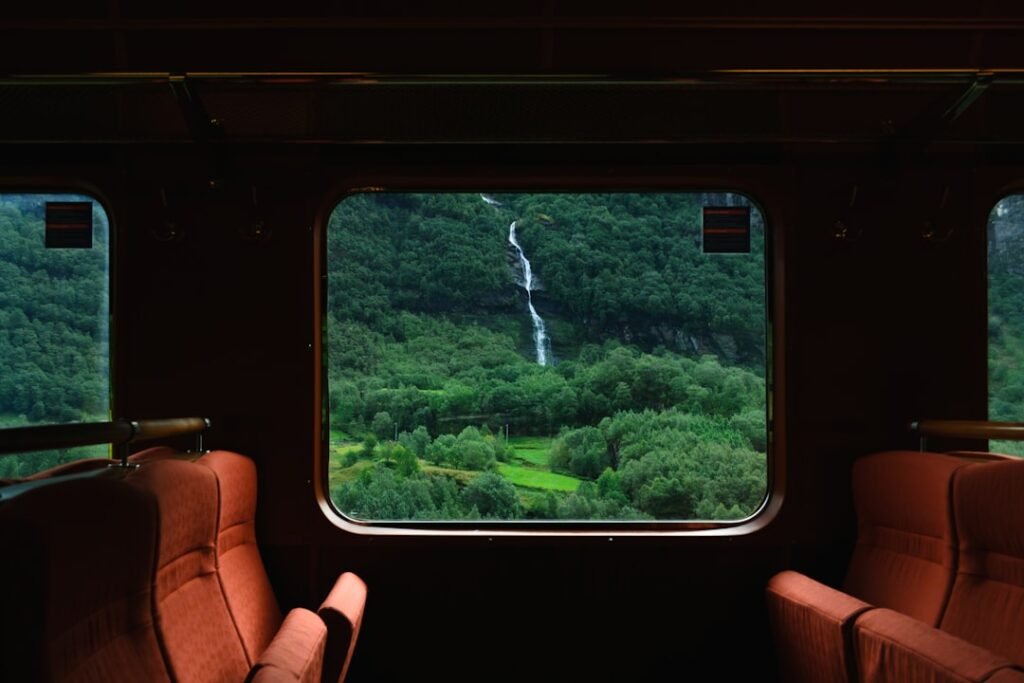
The Norwegian landscape, with its breathtaking fjords, mountains, and forests, provides an ideal backdrop for these pursuits, making it easy for individuals to find solace and inspiration in the great outdoors. In practice, friluftsliv can take many forms, from leisurely strolls in local parks to challenging multi-day treks through rugged terrain. The key is to cultivate a sense of presence and mindfulness while engaging with nature.
This might involve pausing to observe the intricate details of a flower or listening intently to the sounds of a babbling brook. By fostering this connection with the environment, individuals can develop a deeper appreciation for the world around them and enhance their overall quality of life. In Norway, friluftsliv is not just an activity; it is a way of life that encourages people to prioritise their relationship with nature.
Connecting with Nature: The Importance of Friluftsliv
The importance of friluftsliv extends beyond mere enjoyment; it serves as a vital means of connecting with nature and fostering a sense of belonging within the environment. In an age where technology often dominates our lives, friluftsliv offers a refreshing antidote by encouraging individuals to step outside and engage with the natural world. This connection can lead to a greater understanding of ecological systems and an appreciation for biodiversity, ultimately fostering a sense of stewardship towards the environment.
Moreover, friluftsliv promotes a sense of community among those who share a passion for outdoor activities. Whether through organised events or informal gatherings, individuals can bond over their shared experiences in nature. This sense of camaraderie not only enriches personal relationships but also strengthens communal ties, creating a culture that values and prioritises outdoor living.
As more people embrace friluftsliv, they contribute to a collective consciousness that recognises the importance of preserving natural spaces for future generations.
Friluftsliv and Mental Well-being
The mental health benefits associated with friluftsliv are profound and well-documented. Engaging with nature has been shown to reduce stress levels, alleviate symptoms of anxiety and depression, and enhance overall mood. The simple act of spending time outdoors can trigger the release of endorphins, which are known as “feel-good” hormones.
This natural boost can lead to improved emotional resilience and a greater sense of happiness. Furthermore, friluftsliv encourages mindfulness—a practice that has gained significant attention in recent years for its mental health benefits. By immersing oneself in nature and focusing on the present moment, individuals can cultivate a sense of calm and clarity that is often elusive in our fast-paced lives.
Whether it’s through hiking in serene landscapes or meditating by a tranquil lake, friluftsliv provides ample opportunities for individuals to reconnect with themselves and find peace amidst the chaos of modern living.
Friluftsliv and Physical Health
In addition to its mental health benefits, friluftsliv plays a crucial role in promoting physical well-being. Engaging in outdoor activities such as hiking, cycling, or skiing not only provides cardiovascular exercise but also strengthens muscles and improves overall fitness levels. The diverse terrain found throughout Norway offers countless opportunities for individuals to challenge themselves physically while enjoying the beauty of their surroundings.
Moreover, spending time outdoors has been linked to improved immune function and increased vitamin D levels due to sun exposure. These physical health benefits are particularly important in today’s sedentary society, where many individuals spend prolonged periods indoors. By embracing friluftsliv as part of their lifestyle, individuals can enhance their physical health while simultaneously enjoying the myriad benefits that nature has to offer.
The Role of Friluftsliv in Norwegian Culture
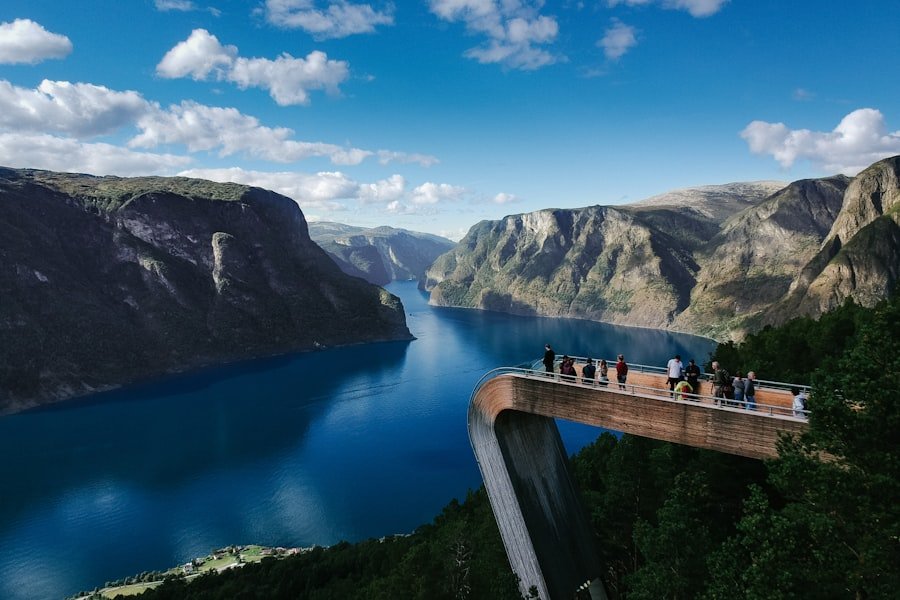
Friluftsliv is deeply woven into the fabric of Norwegian culture, influencing everything from social interactions to national policies. It is not uncommon for Norwegians to prioritise outdoor activities as part of their daily routines, whether it be walking or cycling to work or spending weekends exploring the countryside. This cultural emphasis on friluftsliv fosters a strong sense of community and shared values centred around nature appreciation.
Additionally, friluftsliv is celebrated through various festivals and events throughout Norway, showcasing the country’s rich outdoor heritage. From traditional folk music performances in scenic locations to organised hiking events that draw participants from all walks of life, these gatherings serve as reminders of the importance of connecting with nature. As such, friluftsliv is not merely an individual pursuit; it is a collective cultural phenomenon that unites Norwegians in their love for the great outdoors.
Friluftsliv as a Sustainable Lifestyle
In an era marked by environmental challenges and climate change, friluftsliv embodies principles of sustainability that resonate with many individuals today. By fostering a deep connection with nature, practitioners are more likely to adopt environmentally friendly behaviours and advocate for conservation efforts. Friluftsliv encourages individuals to appreciate the beauty of natural landscapes while recognising their fragility and the need for protection.
Moreover, friluftsliv promotes sustainable outdoor practices such as Leave No Trace principles, which emphasise minimising human impact on natural environments. By instilling these values in future generations, Norway is cultivating a culture that prioritises environmental stewardship and sustainability. As more people embrace friluftsliv as a lifestyle choice, they contribute to a collective movement towards preserving the planet for future generations.
Friluftsliv and Outdoor Activities in Norway
Norway’s stunning landscapes provide an unparalleled playground for outdoor enthusiasts seeking to embrace friluftsliv. From the majestic fjords along the western coast to the rugged mountains in the north, there is no shortage of opportunities for adventure. Popular activities include hiking along well-marked trails, skiing down pristine slopes during winter months, and kayaking through serene waters during summer.
The Norwegian government has also recognised the importance of outdoor recreation by investing in infrastructure that supports friluftsliv. National parks and protected areas have been established to preserve natural beauty while providing access for outdoor activities. Additionally, local communities often organise events that encourage participation in various outdoor pursuits, fostering a sense of camaraderie among residents and visitors alike.
Friluftsliv and the Concept of Slow Living
Friluftsliv aligns seamlessly with the philosophy of slow living—a movement that advocates for mindfulness and intentionality in daily life. In contrast to fast-paced urban lifestyles characterised by constant busyness and distraction, slow living encourages individuals to savour each moment and appreciate life’s simple pleasures. Friluftsliv embodies this ethos by inviting people to step outside and immerse themselves in nature at their own pace.
By embracing slow living through friluftsliv, individuals can cultivate deeper connections with both themselves and their surroundings. This approach encourages reflection and introspection while fostering gratitude for the beauty found in everyday experiences. As more people seek balance amidst modern life’s demands, friluftsliv offers an accessible pathway towards achieving a more fulfilling existence.
Friluftsliv and the Art of Hygge
The concept of hygge—often associated with Danish culture—shares similarities with friluftsliv in its emphasis on comfort, warmth, and connection with others. While hygge typically focuses on creating cosy indoor environments during colder months, it can also extend into outdoor experiences that promote togetherness and joy in nature. Friluftsliv provides ample opportunities for individuals to embrace hygge by gathering around campfires or enjoying picnics amidst scenic landscapes.
Incorporating elements of hygge into friluftsliv can enhance overall experiences by fostering feelings of contentment and belonging. Whether it’s sharing stories with friends under starlit skies or enjoying hot cocoa after a day spent skiing, these moments create lasting memories that enrich our lives. By blending these two concepts—friluftsliv and hygge—individuals can cultivate a lifestyle that prioritises both connection with nature and meaningful relationships.
Incorporating Friluftsliv into Your Own Lifestyle
Incorporating friluftsliv into your own lifestyle does not require drastic changes; rather, it involves making small adjustments that prioritise time spent outdoors. Start by exploring local parks or nature reserves in your area—these spaces often provide opportunities for leisurely walks or picnics amidst greenery without needing extensive travel plans. Consider setting aside dedicated time each week for outdoor activities such as hiking or cycling; even short excursions can yield significant benefits for both mental and physical well-being.
Additionally, consider joining local outdoor clubs or groups that share your interests—these communities often organise events that encourage participation while fostering connections with like-minded individuals. If you’re looking to deepen your understanding of Norwegian culture while embracing friluftsliv fully, consider enrolling in Norwegian courses at the NLS Norwegian Language School in Oslo. These courses not only teach language skills but also immerse you in cultural practices surrounding outdoor living—an invaluable experience for anyone wishing to connect more deeply with Norway’s rich heritage.
Ultimately, embracing friluftsliv is about cultivating a mindset that values nature as an integral part of life—a journey that can lead to greater fulfilment and well-being for both yourself and future generations.
Speak Norwegian with confidence. Begin your journey at the NLS Norwegian Language School