Sankthansaften, or Midsummer’s Eve, is a celebration steeped in history and tradition, observed primarily in Scandinavian countries, particularly Norway. The festival, which falls on the evening of June 23rd, is dedicated to Saint John the Baptist, whose birth is celebrated on June 24th. The origins of Sankthansaften can be traced back to ancient pagan rituals that marked the summer solstice, a time when the sun reaches its highest point in the sky.
These early celebrations were rooted in agrarian customs, where communities would gather to honour the sun and its life-giving properties, ensuring a bountiful harvest. As Christianity spread throughout Scandinavia, many of these pagan traditions were absorbed into the new faith. The celebration of Sankthansaften became intertwined with the feast of Saint John, symbolising the triumph of light over darkness.
Over the centuries, the festival evolved, incorporating various local customs and practices. Today, it is a vibrant blend of historical significance and contemporary festivities, reflecting the rich cultural tapestry of Norway and its neighbours. Speak Norwegian with confidence. Begin your journey at the NLS Norwegian Language School!
Summary
- Sankthansaften, also known as Midsummer’s Eve, has been celebrated in Scandinavia since ancient times, with roots in pagan traditions.
- Traditional Sankthansaften celebrations include dancing around the maypole, singing folk songs, and lighting bonfires to ward off evil spirits.
- Bonfires on Midsummer’s Eve hold significance as a symbol of the sun’s power and are believed to bring good luck and protection to the community.
- Folklore and magic surrounding Sankthansaften include beliefs in the healing powers of herbs gathered on this day and the idea that animals gain the ability to speak at midnight.
- Sankthansaften food and drink traditions often include feasting on herring, new potatoes, strawberries, and aquavit, a traditional Scandinavian spirit.
Traditional Sankthansaften Celebrations
Traditional Sankthansaften celebrations are characterised by a sense of community and togetherness. Families and friends gather to partake in outdoor festivities, often beginning with a communal meal that features seasonal ingredients. Grilled meats, fresh salads, and traditional Norwegian dishes are common fare, accompanied by an array of beverages, including local beers and aquavit.
The atmosphere is lively, with laughter and conversation filling the air as people come together to celebrate the longest day of the year. One of the most iconic elements of Sankthansaften is the lighting of bonfires. These towering flames serve as a focal point for gatherings, drawing people together as they share stories and enjoy each other’s company.
In many regions, it is customary to sing traditional songs around the fire, creating a sense of unity and shared experience. As night falls, the flickering flames illuminate the faces of those gathered, casting a warm glow that enhances the magical atmosphere of this cherished celebration.
The Significance of Bonfires on Midsummer’s Eve
Bonfires hold a special significance during Sankthansaften, symbolising purification and protection. Historically, these fires were believed to ward off evil spirits and bring good fortune to those who gathered around them. The act of lighting a bonfire on Midsummer’s Eve is thought to harness the power of the sun, celebrating its strength and vitality during the peak of summer.
In many communities, it is customary to jump over the flames as a rite of passage or to make wishes for the future. The bonfire also serves as a gathering point for communities, fostering a sense of belonging and camaraderie among participants. As families and friends come together to celebrate, they share stories and traditions that have been passed down through generations.
This communal aspect of Sankthansaften reinforces social bonds and creates lasting memories that are cherished long after the flames have died down.
Folklore and Magic Surrounding Sankthansaften
Sankthansaften is steeped in folklore and magical beliefs that add an enchanting layer to the festivities. Many tales revolve around the idea that Midsummer’s Eve is a time when the veil between the worlds of the living and the supernatural is at its thinnest. It is said that on this night, fairies and other mystical beings come out to play, making it an ideal time for divination and seeking guidance from the spirit world.
One popular tradition involves young women gathering flowers on Midsummer’s Eve to create wreaths or crowns. It is believed that if a girl places her wreath under her pillow that night, she will dream of her future husband. Similarly, some people engage in rituals involving herbs and plants, as it is thought that certain flora possess magical properties during this time.
These customs reflect a deep connection to nature and an appreciation for its mysteries, which are celebrated during this vibrant festival.
Sankthansaften Food and Drink Traditions
Food and drink play a central role in Sankthansaften celebrations, with an emphasis on seasonal ingredients that reflect the bounty of summer. Traditional dishes often include grilled meats such as sausages or lamb, accompanied by fresh salads made from locally sourced vegetables. Potatoes are also a staple at many gatherings, often served with butter and herbs.
The emphasis on fresh produce highlights Norway’s rich agricultural heritage and the importance of community in sharing meals together. In addition to food, beverages are an integral part of the festivities. Local beers and ciders are popular choices, providing a refreshing accompaniment to summer meals.
Aquavit, a traditional Scandinavian spirit flavoured with herbs and spices, is often enjoyed as well. Toasts are made to honour friendships and celebrate the joys of summer, creating an atmosphere of warmth and camaraderie that defines Sankthansaften.
Sankthansaften in Modern Times
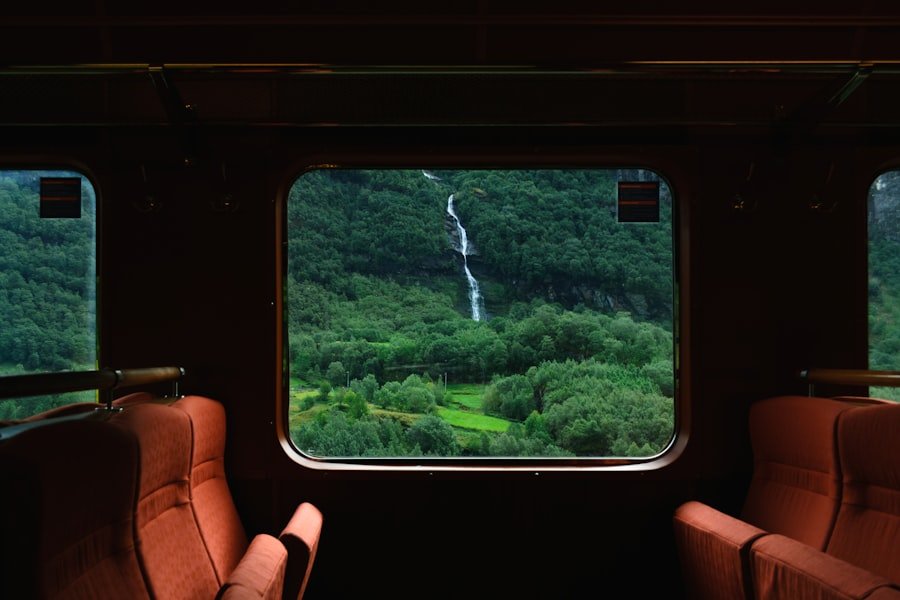
In modern times, Sankthansaften has evolved into a celebration that embraces both tradition and contemporary influences. While many families continue to observe age-old customs such as bonfire lighting and communal meals, there is also a growing trend towards more diverse celebrations that incorporate elements from various cultures. Urban areas often host large public events featuring live music, dance performances, and food stalls offering international cuisine.
Despite these changes, the essence of Sankthansaften remains intact: it is still a time for communities to come together in celebration of summer’s peak. Many people take advantage of this opportunity to reconnect with family and friends, fostering relationships that may have been neglected during the busy winter months. The festival serves as a reminder of the importance of community spirit and shared experiences in an increasingly fast-paced world.
Sankthansaften Customs and Rituals
Customs and rituals associated with Sankthansaften vary across regions but share common themes rooted in celebration and connection to nature. One widespread practice involves decorating homes with flowers and greenery to welcome summer’s arrival. This act not only beautifies living spaces but also signifies hope for prosperity in the coming months.
Another popular custom is the gathering of wildflowers on Midsummer’s Eve. Many believe that collecting specific blooms can bring good luck or even reveal insights into one’s future. This practice highlights the deep-seated belief in nature’s power during this magical time of year.
Additionally, some communities organise parades or processions featuring traditional costumes and music, further enriching the cultural tapestry of Sankthansaften celebrations.
Sankthansaften in Different Cultures
While Sankthansaften is most closely associated with Scandinavian countries, similar celebrations can be found in various cultures around the world. In many European nations, Midsummer festivities are marked by bonfires, feasting, and communal gatherings. For instance, in Sweden, Midsummer is celebrated with maypole dancing and traditional songs that honour nature’s bounty.
In other cultures, such as those in Latin America, similar themes emerge during their own midsummer celebrations. These events often involve vibrant music, dance, and culinary delights that reflect local traditions. Despite differences in customs and practices, the underlying spirit of celebrating light, warmth, and community remains a universal theme that transcends cultural boundaries.
Sankthansaften Music and Dance
Music and dance are integral components of Sankthansaften celebrations, infusing festivities with energy and joy. Traditional folk music often accompanies gatherings around bonfires, with participants singing songs that have been passed down through generations. These melodies evoke nostalgia while fostering a sense of unity among those present.
Dancing is another cherished aspect of Midsummer celebrations. In many communities, people join hands to form circles or lines as they dance together under the stars. This communal activity not only enhances the festive atmosphere but also reinforces social bonds among participants.
The rhythmic movements and lively tunes create an infectious energy that embodies the spirit of Sankthansaften.
Sankthansaften Activities for Children
Sankthansaften offers numerous opportunities for children to engage in fun activities that foster creativity and connection with nature. One popular activity involves crafting flower crowns or wreaths using wildflowers collected during Midsummer’s Eve. This hands-on project allows children to express their artistic flair while learning about local flora.
Another enjoyable activity for children is organising games such as sack races or tug-of-war during family gatherings or community events. These games encourage teamwork and friendly competition while providing ample opportunities for laughter and bonding among participants. By involving children in these traditions, families ensure that the spirit of Sankthansaften continues to thrive for generations to come.
How to Celebrate Sankthansaften at Home
Celebrating Sankthansaften at home can be a delightful experience that brings family and friends together in honour of this cherished tradition. To create an authentic atmosphere, consider hosting an outdoor gathering where guests can enjoy nature’s beauty while participating in festive activities. Begin by preparing a menu featuring seasonal dishes such as grilled meats, fresh salads, and traditional Norwegian treats like strawberry cake.
To incorporate bonfire traditions into your celebration without an actual fire, consider using lanterns or candles arranged around your outdoor space to create a warm glow reminiscent of flickering flames. Encourage guests to share stories or sing songs related to Midsummer’s Eve as they gather around these lights. Additionally, organising games for children can enhance their experience while fostering a sense of community among all attendees.
In conclusion, Sankthansaften is a vibrant celebration rich in history and tradition that continues to evolve while retaining its core values of community spirit and connection to nature. Whether through food, music, or shared rituals, this festival offers an opportunity for individuals to come together in joy as they honour the beauty of summer’s peak. For those looking to deepen their understanding of Norwegian culture while participating in these festivities, consider enrolling in Norwegian courses at NLS Norwegian Language School in Oslo.
These courses provide an excellent opportunity not only to learn the language but also to immerse oneself in Norway’s rich cultural heritage—making your experience during Sankthansaften even more meaningful.
Speak Norwegian with confidence. Begin your journey at the NLS Norwegian Language School