
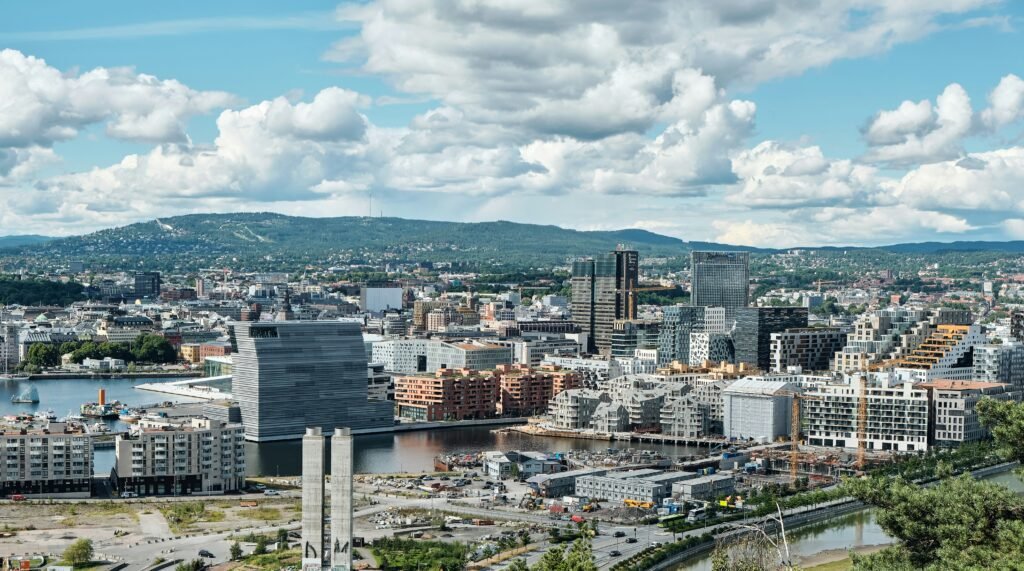
Oslo’s restaurant scene has blossomed into a vibrant tapestry of culinary experiences that reflect both traditional Norwegian fare and innovative global influences. Over the past decade, the city has seen a surge in the number of eateries, ranging from high-end Michelin-starred establishments to cozy bistros and food trucks. This growth is not merely a trend; it signifies a cultural shift where food is increasingly viewed as an art form and a means of social connection. The city’s commitment to gastronomy is evident in its annual food festivals, pop-up events, and the increasing number of chefs who are eager to showcase their creativity and passion for cooking.
The diversity of Oslo’s culinary landscape is remarkable. Diners can indulge in everything from classic Norwegian dishes like rakfisk and lutefisk to international cuisines that reflect the city’s multicultural population. The influence of global flavors is palpable, with restaurants offering everything from Thai street food to Italian fine dining. This eclectic mix not only caters to the varied palates of locals and tourists alike but also fosters a sense of community as people come together to share meals and experiences. As Oslo continues to evolve as a culinary destination, it remains committed to celebrating its rich heritage while embracing new influences.
The Role of a Chef in an Oslo Restaurant
In Oslo’s bustling restaurant scene, the role of a chef extends far beyond simply preparing meals. Chefs are the creative visionaries behind the menus, responsible for crafting dishes that not only tantalize the taste buds but also tell a story. They must possess a deep understanding of flavors, techniques, and presentation, as well as an ability to adapt to the ever-changing preferences of diners. In many ways, chefs are artists, using their culinary skills to create masterpieces that reflect their personal style and the essence of the ingredients they work with.
Moreover, chefs in Oslo often take on additional responsibilities that encompass management and leadership roles. They are tasked with overseeing kitchen staff, ensuring that operations run smoothly, and maintaining high standards of food safety and quality. This multifaceted role requires strong communication skills and the ability to inspire a team. In a city where sustainability is paramount, many chefs also prioritize sourcing local and seasonal ingredients, which adds another layer of complexity to their work. The chef’s role in Oslo is not just about cooking; it is about creating an experience that resonates with diners and contributes to the city’s dynamic culinary identity.
The Role of a Bartender in an Oslo Restaurant
Bartenders in Oslo play an equally vital role in shaping the dining experience, serving as both mixologists and hosts. Their expertise goes beyond simply pouring drinks; they are skilled artisans who craft cocktails that reflect current trends while also honoring classic recipes. A bartender’s knowledge of spirits, wines, and mixers is essential, as is their ability to create unique concoctions that surprise and delight patrons. In a city known for its innovative cocktail culture, bartenders are often at the forefront of experimentation, using local ingredients to develop signature drinks that capture the essence of Oslo.
In addition to their technical skills, bartenders must also excel in customer service. They are often the first point of contact for guests entering a restaurant, setting the tone for the entire dining experience. A friendly demeanor, attentiveness, and the ability to engage with customers are crucial traits for success in this role. Bartenders in Oslo often build relationships with regular patrons, creating a sense of community within the bar. As they navigate the fast-paced environment of a busy restaurant, they must balance efficiency with creativity, ensuring that each drink served contributes to an unforgettable evening for diners.
The Culinary and Mixology Trends in Oslo
Oslo’s culinary and mixology scenes are characterized by a commitment to innovation and sustainability. Chefs and bartenders alike are increasingly focused on using local ingredients, which not only supports local farmers but also enhances the freshness and flavor of their creations. This trend is evident in the rise of farm-to-table restaurants that prioritize seasonal produce and ethically sourced meats. Diners are becoming more conscious of where their food comes from, leading to a greater appreciation for dishes that highlight Norway’s rich agricultural heritage.
In terms of mixology, there is a growing emphasis on craft cocktails that incorporate unique flavor profiles and unexpected ingredients. Bartenders are experimenting with herbs, spices, and even foraged items to create drinks that tell a story about their surroundings. The use of traditional Norwegian spirits like aquavit is also gaining popularity, as bartenders seek to celebrate local culture through their drink offerings. This fusion of tradition and innovation is what makes Oslo’s culinary and mixology trends so exciting, as they continue to evolve while remaining rooted in the city’s rich history.
The Challenges and Rewards of Working in an Oslo Restaurant
| Metrics | Chef | Bartender |
|---|---|---|
| Average Salary | 45,000 NOK/month | 30,000 NOK/month |
| Working Hours | 40-50 hours/week | 30-40 hours/week |
| Job Outlook | Stable | Stable |
| Skills Required | Culinary expertise, leadership | Mixology, customer service |
Working in an Oslo restaurant can be both challenging and rewarding. The fast-paced environment demands resilience and adaptability from chefs and bartenders alike. Long hours, high-pressure situations, and the need for constant creativity can take a toll on individuals in this industry. However, those who thrive in this environment often find immense satisfaction in their work. The opportunity to create memorable experiences for diners and contribute to Oslo’s vibrant culinary scene can be incredibly fulfilling.
Moreover, the sense of camaraderie among restaurant staff can provide a strong support system amidst the challenges. Many chefs and bartenders form close-knit relationships with their colleagues, fostering an environment where teamwork is essential for success. Celebrating milestones together—whether it’s a successful service or a new menu launch—creates lasting bonds that extend beyond the workplace. Ultimately, while the demands of working in an Oslo restaurant can be significant, the rewards of creativity, community, and personal growth make it a worthwhile endeavor for many.
The Importance of Local and Seasonal Ingredients in Oslo’s Culinary Scene
Let us help you achieve Norwegian fluency.
The emphasis on local and seasonal ingredients is a defining characteristic of Oslo’s culinary scene. Chefs are increasingly aware of the environmental impact of their sourcing choices and are committed to supporting local farmers and producers. This not only ensures freshness but also fosters a sense of connection between diners and the land from which their food originates. By prioritizing seasonal ingredients, chefs can create dishes that reflect the changing landscape throughout the year, offering diners a true taste of Norway’s diverse offerings.
In addition to enhancing flavor profiles, using local ingredients allows chefs to showcase traditional Norwegian cuisine while incorporating modern techniques. This approach encourages creativity in the kitchen as chefs experiment with new ways to present familiar flavors. Furthermore, it aligns with the growing consumer demand for transparency in food sourcing. Diners are increasingly interested in knowing where their food comes from and how it was produced, making local sourcing not just a trend but an expectation within Oslo’s restaurant industry.
The Impact of Oslo’s Cultural Diversity on Restaurant Cuisine
Oslo’s cultural diversity has had a profound impact on its restaurant cuisine, enriching the culinary landscape with flavors from around the world. As immigrants from various backgrounds have settled in the city, they have brought their culinary traditions with them, leading to an explosion of international flavors that coexist alongside traditional Norwegian dishes. This melting pot of cultures has resulted in restaurants that offer everything from Middle Eastern delicacies to Asian fusion cuisine, creating a dynamic dining experience for locals and visitors alike.
The blending of different culinary traditions has also inspired chefs to experiment with new flavor combinations and techniques. Many establishments now feature menus that reflect this cultural exchange, allowing diners to embark on a gastronomic journey without leaving Oslo. This diversity not only enhances the city’s culinary offerings but also fosters understanding and appreciation among different communities. As chefs continue to draw inspiration from various cultures, they contribute to a more inclusive dining scene that celebrates both heritage and innovation.
The Work-Life Balance for Chefs and Bartenders in Oslo
Achieving work-life balance can be particularly challenging for chefs and bartenders in Oslo due to the demanding nature of their roles. Long hours during service times often leave little room for personal time or relaxation. However, there is a growing recognition within the industry about the importance of mental health and well-being among staff members. Many restaurants are beginning to implement policies that promote healthier work-life balance practices, such as flexible scheduling or providing time off after particularly busy periods.
As awareness around mental health continues to grow, more chefs and bartenders are advocating for changes that allow them to pursue their passions without sacrificing their personal lives. This shift is crucial not only for individual well-being but also for fostering a positive work environment that ultimately benefits diners as well. A happy and fulfilled staff is more likely to provide exceptional service and create memorable experiences for guests.
The Training and Education Opportunities for Chefs and Bartenders in Oslo
Oslo offers a wealth of training and education opportunities for aspiring chefs and bartenders looking to hone their skills in this competitive industry. Culinary schools provide comprehensive programs that cover everything from basic cooking techniques to advanced gastronomy principles. These institutions often emphasize hands-on experience through internships or apprenticeships at local restaurants, allowing students to gain valuable insights into real-world operations.
For bartenders, specialized mixology courses have emerged as popular options for those looking to elevate their craft. These programs focus on cocktail creation, flavor pairing, and customer service skills essential for success behind the bar. Additionally, many experienced professionals offer workshops or masterclasses that provide insights into current trends or innovative techniques within both culinary arts and mixology. With such diverse educational resources available in Oslo, aspiring chefs and bartenders have ample opportunities to develop their skills and carve out successful careers.
The Sustainability and Ethical Practices in Oslo’s Restaurant Industry
Sustainability has become a cornerstone of Oslo’s restaurant industry as both chefs and diners increasingly prioritize ethical practices in food sourcing and preparation. Many establishments are committed to reducing waste by implementing practices such as composting or utilizing every part of an ingredient—an approach known as “nose-to-tail” cooking for meats or “root-to-leaf” cooking for vegetables. This commitment not only minimizes environmental impact but also encourages creativity in menu development.
Furthermore, restaurants are increasingly focusing on transparency regarding their sourcing practices. Diners want assurance that their meals are prepared with ethically sourced ingredients—whether it’s sustainably caught fish or humanely raised meats—and many establishments proudly display this information on their menus or websites. By prioritizing sustainability and ethical practices, Oslo’s restaurant industry is setting an example for others around the world while contributing positively to both local communities and global environmental efforts.
The Future of the Oslo Restaurant Scene
The future of Oslo’s restaurant scene looks promising as it continues to evolve alongside changing consumer preferences and global trends. With an increasing focus on sustainability, local sourcing, and cultural diversity, restaurants are poised to offer even more innovative dining experiences that reflect both tradition and modernity. As chefs experiment with new techniques while honoring classic Norwegian flavors, diners can expect exciting culinary journeys that push boundaries while remaining rooted in authenticity.
Moreover, as more individuals enter the industry through educational programs or apprenticeships, fresh perspectives will continue to shape Oslo’s culinary landscape. The integration of technology into dining experiences—such as online reservations or digital menus—will further enhance convenience for patrons while allowing restaurants to streamline operations effectively. As Oslo embraces these changes while remaining committed to its rich culinary heritage, it will undoubtedly solidify its position as one of Europe’s premier gastronomic destinations.
In conclusion, whether you are looking to explore this vibrant scene or immerse yourself deeper into Norwegian culture through language learning, consider enrolling in Norwegian courses at NLS Norwegian Language School in Oslo. These courses will not only enhance your understanding of Norway’s rich heritage but also allow you to connect more meaningfully with its culinary delights as you navigate through its thriving restaurant landscape.