

The tradition of Påskekrim, or Easter crime, has become a unique and cherished aspect of Norwegian culture. Its origins can be traced back to the early 1920s when a publishing house, Gyldendal, launched a marketing campaign that coincided with the Easter holiday. The campaign featured a sensational crime novel on the front page of a newspaper, which sparked public interest and led to a surge in the popularity of crime fiction during the Easter season.
This clever marketing strategy not only introduced a new genre to the Norwegian literary landscape but also established a tradition that would endure for generations. As the years progressed, the phenomenon of Påskekrim evolved into a cultural staple, with Norwegians eagerly anticipating the release of new crime novels each Easter. The tradition has since expanded beyond mere reading; it encompasses a broader cultural experience that includes television adaptations, films, and even themed events.
The allure of crime fiction during this time is not merely about the thrill of solving a mystery; it is also about the communal experience of sharing stories and engaging in discussions about the narratives that captivate readers across the nation. Speak Norwegian with confidence. Begin your journey at the NLS Norwegian Language School!
Summary
- Påskekrim originated in the 1920s when a newspaper published a crime story on its front page, sparking a tradition of reading crime novels at Easter in Norway.
- Easter is a time for relaxation and entertainment in Norway, and the tradition of Påskekrim fits perfectly into the holiday season, providing a thrilling escape for many.
- Crime fiction has had a significant impact on Norwegian society and literature, influencing everything from tourism to the country’s national identity.
- Some of the most beloved Norwegian crime writers include Jo Nesbø, Karin Fossum, and Anne Holt, who have made substantial contributions to the genre.
- Television and film have become integral to Påskekrim, with crime dramas and movies becoming a staple of Norwegian Easter entertainment.
Easter as a Time for Relaxation and Entertainment: How the tradition of Påskekrim fits into the Norwegian holiday season
Easter in Norway is a time steeped in tradition, marked by family gatherings, outdoor activities, and a well-deserved break from the rigours of daily life. As Norwegians embrace this holiday season, they often seek out forms of entertainment that allow them to unwind and enjoy leisure time. The tradition of Påskekrim fits seamlessly into this context, providing an engaging and thrilling escape from reality.
With many people taking time off work and children on school holidays, the opportunity to indulge in gripping crime stories becomes an integral part of the Easter experience. During this festive period, families often retreat to their cabins or spend time at home, creating an ideal environment for reading. The long evenings and lingering daylight provide ample opportunity for curling up with a good book.
As snow melts and spring begins to emerge, the contrast between the serene landscape and the dark themes of crime fiction adds an intriguing layer to the reading experience. This juxtaposition enhances the appeal of Påskekrim, as readers find themselves immersed in tales of suspense while surrounded by the beauty of nature awakening from winter slumber.
The Influence of Crime Fiction on Norwegian Culture: Examining the impact of crime novels on Norwegian society and literature
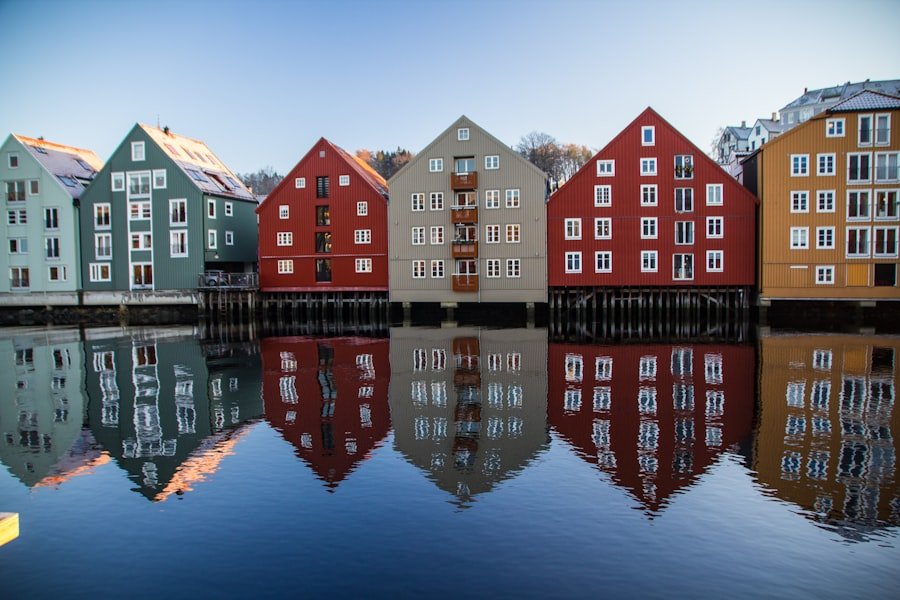
Crime fiction has had a profound impact on Norwegian culture, shaping not only literary trends but also societal attitudes towards justice, morality, and human nature. The genre often reflects contemporary issues and concerns within Norwegian society, allowing readers to engage with complex themes such as social inequality, corruption, and the darker aspects of human behaviour. As such, crime novels serve as both entertainment and a lens through which readers can examine their own lives and communities.
Moreover, the popularity of crime fiction has fostered a vibrant literary scene in Norway, encouraging aspiring writers to explore this genre. The success of Norwegian crime authors has led to increased interest in literature as a whole, inspiring new generations to pick up books and engage with storytelling. This cultural phenomenon has also contributed to Norway’s reputation as a nation that produces high-quality literature, with its crime novels gaining international acclaim and recognition.
Popular Crime Authors in Norway: Highlighting some of the most beloved Norwegian crime writers and their contributions to the genre
Norway boasts a rich array of crime authors who have made significant contributions to the genre, each bringing their unique voice and perspective to the world of Påskekrim. One of the most prominent figures is Jo Nesbø, whose Harry Hole series has captivated readers both domestically and internationally. Nesbø’s intricate plots and well-developed characters have set a high standard for contemporary crime fiction, earning him numerous awards and accolades.
Another notable author is Karin Fossum, often referred to as the “Queen of Norwegian Crime.” Her psychological thrillers delve into the complexities of human relationships and moral dilemmas, offering readers a thought-provoking exploration of crime and its consequences. Fossum’s ability to create tension while maintaining a deep understanding of her characters’ motivations has solidified her place in the pantheon of great Norwegian writers.
The Role of Television and Film in Påskekrim: Exploring how crime dramas and movies have become a staple of Norwegian Easter entertainment
In recent years, television dramas and films have become an integral part of the Påskekrim experience, complementing the tradition of reading crime novels. Norwegian broadcasters have embraced this trend by producing high-quality adaptations of popular crime fiction, bringing stories to life on screen for audiences to enjoy during the Easter holiday. These adaptations often feature stunning cinematography that showcases Norway’s breathtaking landscapes while immersing viewers in gripping narratives.
The success of series such as “Skam” and “Nobel” has demonstrated that Norwegian storytelling resonates with both domestic and international audiences. As viewers become increasingly captivated by these adaptations, they often seek out the original novels, further intertwining the worlds of literature and visual media. This synergy between books and screen adaptations has not only revitalised interest in crime fiction but has also solidified its status as a cornerstone of Norwegian entertainment during Easter.
The Psychological Appeal of Crime Fiction: Discussing why Norwegians are drawn to the suspense and intrigue of crime novels during Easter

The psychological allure of crime fiction is multifaceted, drawing readers into a world where they can explore their darkest curiosities from the safety of their own homes. For many Norwegians, engaging with stories that delve into human depravity allows them to confront their fears and anxieties in a controlled environment. The suspenseful nature of these narratives provides an adrenaline rush that can be both thrilling and cathartic.
Moreover, during Easter—a time traditionally associated with renewal and reflection—crime novels offer an opportunity for escapism. Readers can immerse themselves in complex plots that challenge their intellect while providing an emotional outlet for their own thoughts and feelings. This duality makes crime fiction particularly appealing during this holiday season, as it allows individuals to grapple with moral questions while enjoying an engaging story.
Påskekrim as a Family Tradition: How reading crime novels has become a shared activity for many Norwegian families during Easter
In many Norwegian households, reading crime novels during Easter has evolved into a cherished family tradition. Families often gather together to share their favourite stories or discuss recent reads over meals or during cosy evenings spent indoors. This communal aspect not only strengthens familial bonds but also fosters a love for literature among younger generations.
Parents frequently introduce their children to age-appropriate crime stories, sparking curiosity and encouraging critical thinking skills. As families engage in discussions about plot twists or character motivations, they create an environment where storytelling becomes an interactive experience. This shared activity not only enriches family dynamics but also instills a sense of cultural heritage as they partake in a tradition that has been passed down through generations.
The Commercialization of Påskekrim: Examining the marketing and sales strategies employed by publishers and bookstores during the Easter season
As Påskekrim continues to grow in popularity, publishers and bookstores have recognised its commercial potential during the Easter season. Marketing strategies are carefully crafted to capitalise on this trend, with special promotions, themed displays, and curated selections of crime novels designed to entice readers. Bookstores often create enticing displays featuring new releases alongside classic titles, encouraging customers to explore both familiar favourites and fresh narratives.
Additionally, publishers frequently collaborate with authors to launch new works specifically timed for release during Easter. This strategic approach not only boosts sales but also ensures that readers have access to exciting new content that aligns with their seasonal interests. As a result, Påskekrim has transformed into a lucrative market segment that benefits both authors and retailers alike.
The Global Spread of Påskekrim: Investigating how the tradition of reading crime novels at Easter has gained popularity outside of Norway
The tradition of Påskekrim has begun to transcend national borders, gaining traction in various countries around the world. As global interest in Scandinavian culture continues to rise—partly due to successful television adaptations—readers from diverse backgrounds are discovering the thrill of engaging with Norwegian crime fiction during Easter. Book clubs and literary festivals have started incorporating this unique tradition into their programming, further promoting its global appeal.
Moreover, social media platforms have played a significant role in spreading awareness about Påskekrim beyond Norway’s borders. Readers share recommendations, reviews, and discussions about their favourite crime novels online, creating an international community united by their love for suspenseful storytelling. This cross-cultural exchange not only enriches readers’ experiences but also highlights the universal themes found within crime fiction that resonate across different societies.
Criticisms and Controversies Surrounding Påskekrim: Addressing the debate over the cultural significance and impact of the tradition
Despite its popularity, Påskekrim is not without its critics. Some argue that the emphasis on crime fiction during Easter detracts from more traditional celebrations associated with the holiday’s religious significance. They contend that focusing on themes of violence and moral ambiguity may overshadow messages of hope and renewal typically associated with this time of year.
Additionally, there are concerns regarding the potential desensitisation to violence that may arise from consuming large quantities of crime fiction. Critics argue that while these stories can provide entertainment value, they may also contribute to societal desensitisation towards real-life issues related to crime and violence. This ongoing debate highlights the need for balance between enjoying popular culture while remaining mindful of its broader implications within society.
The Future of Påskekrim: Speculating on the continued relevance and evolution of the tradition in modern Norwegian society
As Norway continues to evolve culturally and socially, so too will the tradition of Påskekrim. While it remains deeply rooted in Norwegian identity, there is potential for this practice to adapt to changing societal norms and preferences. With advancements in technology leading to new forms of storytelling—such as podcasts or interactive narratives—there may be opportunities for innovation within this beloved tradition.
Furthermore, as globalisation continues to influence cultural exchanges between nations, it is likely that elements from other countries’ literary traditions will find their way into Norway’s own celebration of crime fiction during Easter. This blending could lead to exciting new interpretations that resonate with contemporary audiences while preserving essential aspects of what makes Påskekrim uniquely Norwegian. In conclusion, as Norwegians embrace their love for crime fiction during Easter through reading traditions at home or engaging with adaptations on screen—there remains an undeniable connection between literature and culture that will continue shaping future generations’ experiences with storytelling.
For those looking to immerse themselves further into this captivating world while enhancing their language skills along the way—consider enrolling in one of the Norwegian courses offered at NLS Norwegian Language School in Oslo! These courses provide an excellent opportunity not only to learn about language but also delve deeper into cultural practices like Påskekrim—making it an enriching experience for anyone interested in exploring Norway’s literary landscape!
Speak Norwegian with confidence. Begin your journey at the NLS Norwegian Language School