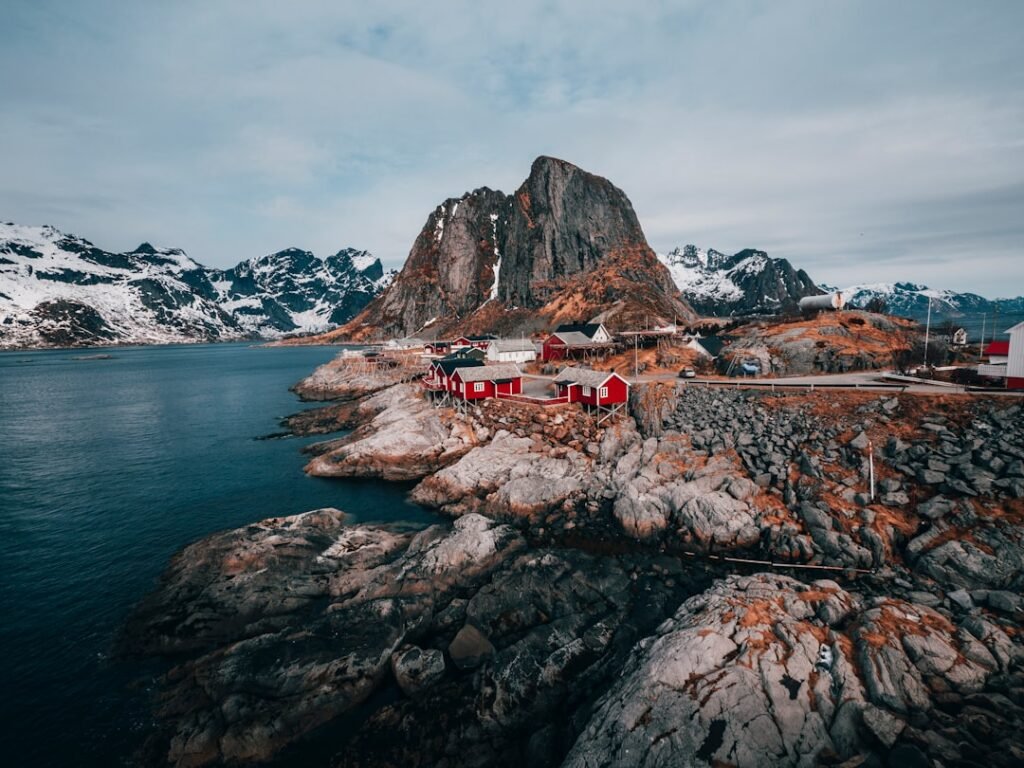
In Norway, the Easter holiday, known as Påskeferie, holds a significant place in the cultural calendar. This period, which typically spans from Palm Sunday to Easter Sunday, is not merely a time for religious observance but also a cherished opportunity for families to come together and enjoy the beauty of the Norwegian landscape. The importance of Påskeferie is deeply rooted in the traditions and values of Norwegian society, where the arrival of spring is celebrated with joy and enthusiasm.
It serves as a reminder of renewal and rebirth, both in nature and in personal lives, making it a pivotal time for reflection and connection. The significance of Påskeferie extends beyond its religious connotations; it embodies the essence of Norwegian identity. As the long winter months give way to the warmth of spring, Norwegians embrace this transition with open arms.
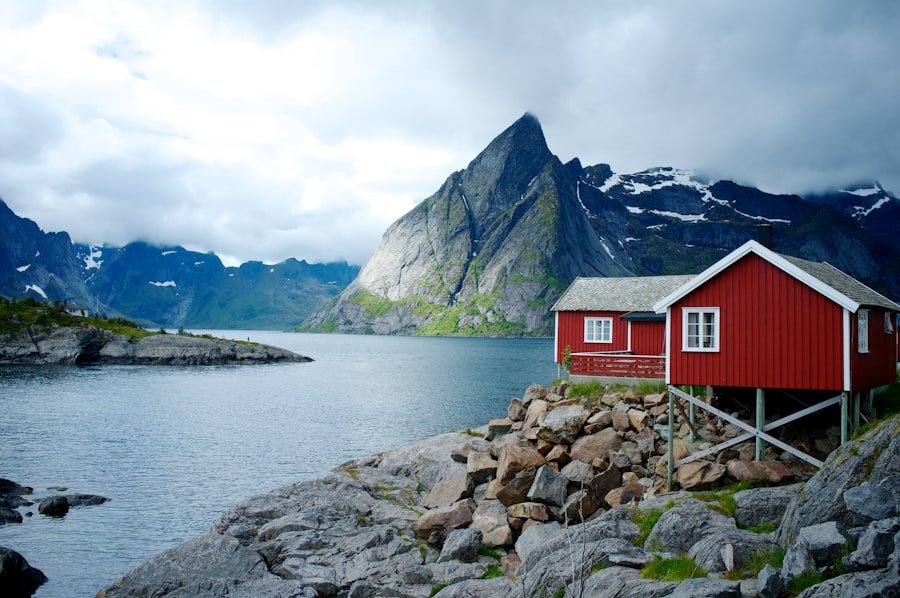
The holiday is marked by various customs that highlight the importance of family, community, and nature. It is a time when people take a break from their daily routines, often travelling to cabins in the mountains or by the fjords, where they can immerse themselves in the stunning natural beauty that Norway has to offer. This connection to nature is a fundamental aspect of Norwegian culture, and Påskeferie provides the perfect backdrop for celebrating it. Speak Norwegian with confidence. Begin your journey at the NLS Norwegian Language School!
Summary
- Påskeferie is a significant cultural tradition in Norway, representing a time for relaxation, reflection, and family bonding.
- Traditional activities during Påskeferie include decorating eggs, going on outdoor excursions, and enjoying special Easter meals.
- Easter holds great significance in Norwegian culture, symbolizing the arrival of spring and the renewal of life.
- Family and community play a central role in Påskeferie celebrations, with gatherings and shared meals being key components of the holiday.
- Christianity has had a profound influence on Easter traditions in Norway, with religious observances and customs being an integral part of Påskeferie.
Traditional Påskeferie Activities and Customs
During Påskeferie, Norwegians engage in a variety of traditional activities that reflect their cultural heritage. One of the most popular customs is skiing, which has become synonymous with Easter in Norway. Families often head to ski resorts or local hills, where they can enjoy both downhill and cross-country skiing.
This outdoor activity not only promotes physical well-being but also fosters a sense of camaraderie among family members and friends. The snowy landscapes provide an idyllic setting for creating lasting memories, as laughter and joy fill the air. In addition to skiing, another beloved tradition during Påskeferie is the practice of “påskekrim,” or Easter crime stories.
This unique custom involves reading or watching crime novels and thrillers during the holiday period. Bookstores and television channels often release special Easter-themed crime stories, captivating audiences with suspenseful plots. This tradition has become so ingrained in Norwegian culture that it is now an integral part of the holiday experience, providing entertainment and intrigue for all ages.
The Significance of Easter in Norwegian Culture
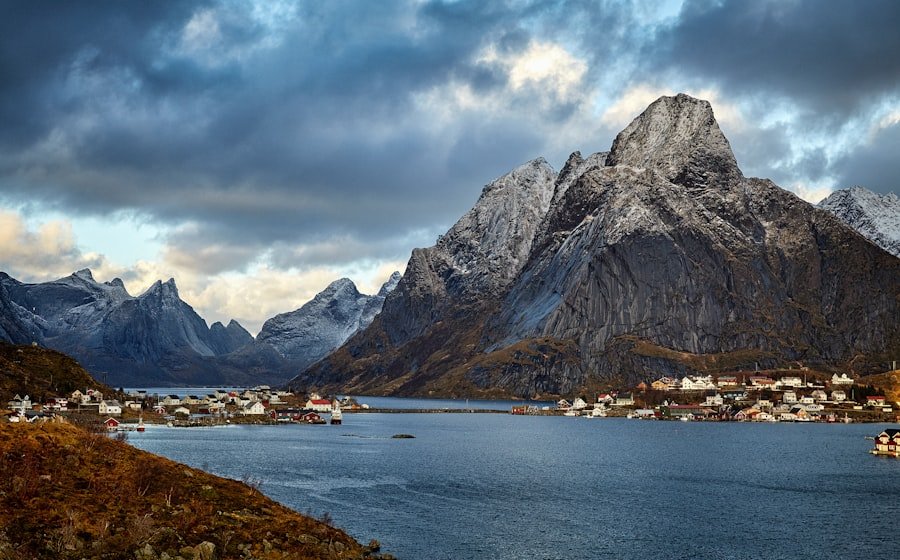
Easter holds profound significance in Norwegian culture, intertwining religious beliefs with cultural practices. For many Norwegians, Easter is a time for spiritual reflection and renewal, as it commemorates the resurrection of Jesus Christ. Churches across the country hold special services during this period, drawing congregations together to celebrate their faith.
The solemnity of Good Friday contrasts sharply with the joy of Easter Sunday, creating a rich tapestry of emotions that resonate deeply within the community. Moreover, Easter serves as a reminder of hope and new beginnings. As winter fades away, the arrival of spring brings with it a sense of optimism and rejuvenation.
This duality of Easter as both a religious observance and a celebration of nature’s rebirth reflects the harmonious relationship that Norwegians have with their environment. The customs associated with Easter are not only about faith but also about embracing life in all its forms, making it a truly significant occasion in Norwegian culture.
The Role of Family and Community in Påskeferie Celebrations
Family plays a central role in the celebrations of Påskeferie, as it is a time when loved ones come together to share experiences and create cherished memories. Many families take advantage of the holiday to travel to their cabins or spend time in nature, reinforcing familial bonds through shared activities such as skiing, hiking, or simply enjoying each other’s company around a warm fire. These moments are invaluable, as they allow families to reconnect and strengthen their relationships amidst the hustle and bustle of everyday life.
Community also plays an essential part in Påskeferie celebrations. Neighbourhoods often come alive with various events and gatherings during this time. From community picnics to local festivals celebrating spring’s arrival, these activities foster a sense of belonging and togetherness among residents.
The spirit of cooperation and support is palpable as people come together to celebrate not only their individual traditions but also their shared cultural heritage. This emphasis on community reflects the core values of Norwegian society, where collaboration and mutual respect are highly regarded.
The Influence of Christianity on Easter Traditions in Norway
Christianity has profoundly influenced Easter traditions in Norway, shaping both religious practices and cultural customs. The holiday’s origins are rooted in Christian beliefs surrounding the resurrection of Jesus Christ, which is celebrated with great reverence across the country. Many Norwegians attend church services during this time, participating in rituals that have been passed down through generations.
These services often include hymns, prayers, and readings from the Bible that recount the story of Christ’s resurrection. In addition to religious observances, Christian symbolism permeates various aspects of Påskeferie celebrations. For instance, many families decorate their homes with symbols such as crosses and lilies, which represent new life and resurrection.
These decorations serve as reminders of the holiday’s spiritual significance while also adding a festive touch to homes during this special time. The blending of Christian beliefs with traditional customs highlights how deeply intertwined faith is with Norwegian culture, making Easter a truly meaningful occasion for many.
The Culinary Delights of Påskeferie
Food plays an integral role in Påskeferie celebrations, with traditional dishes taking centre stage during family gatherings. Norwegians often prepare special meals that reflect both their cultural heritage and seasonal ingredients available during springtime. One popular dish is “lammestek,” or roast lamb, which is typically served on Easter Sunday as a symbol of sacrifice and renewal.
This dish is often accompanied by seasonal vegetables and potatoes, creating a hearty meal that brings families together around the dining table. In addition to savoury dishes, sweet treats are also an essential part of Påskeferie culinary traditions. “Påskekake,” or Easter cake, is a delightful dessert that many families bake to celebrate the holiday.
This cake is often decorated with colourful icing or marzipan figures representing springtime themes such as flowers or eggs. Another beloved treat is “kvikk lunsj,” a chocolate-covered wafer bar that is commonly enjoyed during outdoor activities like skiing or hiking. These culinary delights not only satisfy appetites but also enhance the festive atmosphere surrounding Påskeferie.
The Symbolism of Easter Decorations in Norwegian Culture
Easter decorations in Norway are rich with symbolism, reflecting both religious significance and seasonal themes associated with spring. One common decoration is the egg, which represents new life and rebirth—a fitting symbol for both Easter and the arrival of spring. Many families decorate eggs with vibrant colours or intricate designs, often using them as centrepieces for their holiday tables or hiding them for children to find during egg hunts.
Another popular decoration during Påskeferie is the use of flowers, particularly daffodils and tulips, which bloom around this time of year. These flowers not only brighten homes but also serve as reminders of nature’s awakening after winter’s slumber. Additionally, many Norwegians adorn their homes with symbols such as crosses or bunnies, further emphasising the holiday’s themes of renewal and hope.
Through these decorations, families express their joy for the season while honouring the deeper meanings associated with Easter.
Påskeferie as a Time for Relaxation and Reflection
Beyond its festive activities and traditions, Påskeferie serves as an important time for relaxation and reflection for many Norwegians. With busy lives often filled with work commitments and daily responsibilities, this holiday provides an opportunity to pause and recharge. Many people take advantage of the long weekend to escape to their cabins or retreat into nature, where they can unwind amidst serene surroundings.
This period encourages individuals to reflect on their lives and reconnect with what truly matters—family, friends, and personal well-being. Whether through quiet moments spent reading by a fire or engaging in meaningful conversations over shared meals, Påskeferie fosters an environment conducive to introspection and gratitude. This emphasis on relaxation aligns with broader Norwegian values that prioritise balance between work and leisure, making it an essential aspect of the holiday experience.
The Connection Between Påskeferie and the Arrival of Spring
The timing of Påskeferie coincides beautifully with the arrival of spring in Norway—a season characterised by renewal and growth after months of winter’s chill. As snow begins to melt and flowers start to bloom, Norwegians celebrate this transformation through various customs associated with Easter. The connection between Påskeferie and spring is palpable; it serves as a reminder that life continues despite challenges and hardships.
This seasonal shift is reflected not only in outdoor activities but also in cultural practices that embrace nature’s beauty. Families often engage in spring cleaning during this time, symbolically clearing away the remnants of winter while preparing for new beginnings. The vibrant colours associated with Easter decorations mirror the blossoming landscape outside, creating a harmonious relationship between cultural celebrations and natural cycles.
How Påskeferie Reflects Norwegian Values and Beliefs
At its core, Påskeferie encapsulates many values that are central to Norwegian culture—family unity, respect for nature, community spirit, and spiritual reflection. The emphasis on spending quality time with loved ones during this holiday highlights the importance placed on familial bonds within Norwegian society. Additionally, the connection to nature through outdoor activities underscores a deep-rooted appreciation for the environment that characterises much of Norwegian life.
Moreover, the communal aspect of Påskeferie celebrations reflects broader societal beliefs about cooperation and support among neighbours. Whether through shared meals or community events, Norwegians come together to celebrate not only their individual traditions but also their collective identity as a nation. This sense of belonging fosters resilience within communities while reinforcing shared values that transcend generations.
Embracing Norwegian Culture Through Participation in Påskeferie Traditions
For those looking to immerse themselves in Norwegian culture, participating in Påskeferie traditions offers an authentic experience that goes beyond mere observation. Engaging in activities such as skiing or joining local festivities allows individuals to connect with both locals and fellow enthusiasts who share a passion for celebrating this vibrant holiday. By embracing these customs—whether through culinary delights or community gatherings—participants can gain insight into what makes Norwegian culture unique.
Furthermore, learning about these traditions can enhance one’s understanding of Norway’s rich history and values while fostering appreciation for its natural beauty. For those interested in deepening their connection to Norwegian culture even further, exploring language courses at institutions like NLS Norwegian Language School in Oslo can be immensely beneficial. These courses provide an opportunity not only to learn the language but also to engage with cultural nuances that enrich one’s experience during holidays like Påskeferie.
In conclusion, Påskeferie stands as a testament to Norway’s rich cultural heritage—a celebration that intertwines family values, community spirit, religious significance, culinary delights, and respect for nature into one harmonious experience. As Norwegians embrace this holiday each year, they reaffirm their commitment to preserving traditions while welcoming new generations into these cherished customs. For anyone seeking to understand or participate in this vibrant aspect of Norwegian life, there are ample opportunities available—especially through dedicated language courses at NLS Norwegian Language School in Oslo—where one can truly embrace all that Norway has to offer during this special time of year.
Speak Norwegian with confidence. Begin your journey at the NLS Norwegian Language School