
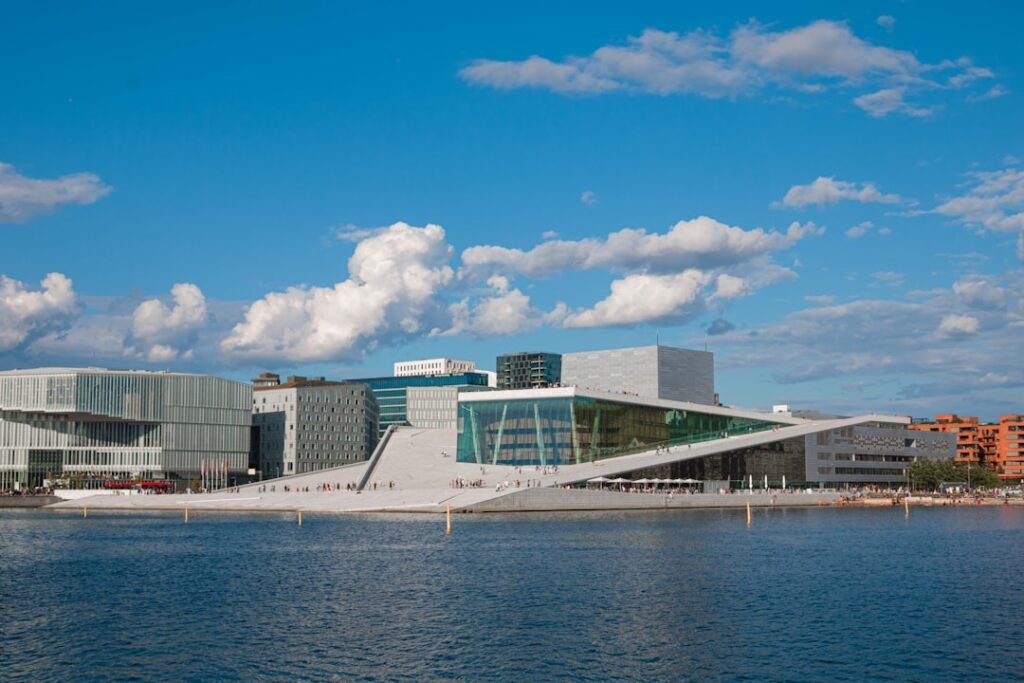
Norway is a country renowned for its stunning landscapes, rich history, and vibrant culture. However, one of its most fascinating aspects is the linguistic diversity that exists within its borders. The Norwegian language, while officially standardised into two written forms—Bokmål and Nynorsk—boasts a plethora of dialects that vary significantly from one region to another.
These dialects are not merely variations in pronunciation; they encompass unique vocabulary, grammatical structures, and even cultural nuances that reflect the local heritage. Understanding these dialects is essential for anyone looking to engage meaningfully with Norwegians, particularly in a business context. The significance of Norwegian dialects extends beyond mere communication; they are a vital part of the national identity.
Each dialect carries with it the history and traditions of its region, making them a source of pride for many Norwegians. As such, when engaging in business in Norway, it is crucial to appreciate the linguistic landscape and the implications it has for interpersonal relationships. This understanding can foster deeper connections and facilitate smoother interactions, ultimately leading to more successful business outcomes. Boost Productivity and Integration. Explore the benefits of NLS company courses for your business.
Summary
- Norwegian dialects vary greatly across different regions, making it important to understand the nuances for effective communication in business settings.
- Understanding Norwegian dialects is crucial for building rapport and establishing strong business relationships in Norway.
- Common Norwegian dialects in business settings include Bokmål, Nynorsk, and regional dialects such as Trøndersk and Bergensk.
- Differences in vocabulary and pronunciation in Norwegian dialects can impact communication and must be navigated carefully in business interactions.
- Strategies for effective communication in Norwegian dialects include active listening, asking for clarification, and adapting language and tone to the local dialect.
Importance of Understanding Norwegian Dialects in Business
In the realm of business, effective communication is paramount. Misunderstandings can lead to costly errors, strained relationships, and missed opportunities. In Norway, where dialects can vary dramatically even within short distances, being attuned to these linguistic differences can provide a competitive edge.
For instance, a business professional who takes the time to learn about the local dialect may find that their efforts are met with appreciation and respect, paving the way for more fruitful negotiations and collaborations. Moreover, understanding Norwegian dialects can enhance one’s ability to read social cues and navigate the subtleties of conversation. In many cases, dialects carry connotations that go beyond their literal meanings.
A phrase that is commonplace in one region may be perceived differently in another, potentially leading to misunderstandings. By familiarising oneself with these nuances, business professionals can avoid faux pas and demonstrate cultural sensitivity, which is highly valued in Norwegian society.
Common Norwegian Dialects in Business Settings

Norway’s linguistic landscape is rich with diversity, featuring numerous dialects that reflect the country’s geography and history. Among the most prominent are the dialects spoken in Oslo, Bergen, and Trondheim. The Oslo dialect, known as “Oslo-mål,” is often considered the standard for Bokmål and is widely understood across the country.
In contrast, the Bergen dialect, or “Bergensk,” is characterised by its distinct intonation and vocabulary, making it easily recognisable to locals. Trondheim’s dialect, known as “Trøndersk,” also has unique features that set it apart from its counterparts. In business settings, these dialects can influence communication styles and expectations.
For example, individuals from Bergen may employ a more informal tone in discussions compared to those from Oslo, who might adhere to a more formal approach. Recognising these differences can help professionals tailor their communication strategies accordingly, ensuring that they resonate with their audience and foster a positive atmosphere during meetings or negotiations.
Differences in Vocabulary and Pronunciation in Norwegian Dialects
One of the most striking aspects of Norwegian dialects is the variation in vocabulary and pronunciation. While standardised forms of Norwegian provide a common ground for communication, regional dialects often feature words and phrases that are unique to specific areas. For instance, a word commonly used in Oslo may be entirely unfamiliar to someone from Tromsø or Stavanger.
This divergence can lead to confusion if not properly navigated. Pronunciation also varies significantly across dialects. For example, the Bergen dialect is known for its melodic intonation and distinct vowel sounds, which can be challenging for non-native speakers to replicate.
In contrast, the Trøndersk dialect features a more guttural sound that may be perceived as harsh by those accustomed to softer pronunciations. Understanding these differences is crucial for effective communication; mispronouncing a word or using an unfamiliar term could hinder comprehension and create barriers in business interactions.
Strategies for Communicating Effectively in Norwegian Dialects
To communicate effectively in Norwegian dialects, one must adopt a proactive approach to learning and understanding these linguistic variations. A good starting point is to immerse oneself in the local culture by engaging with native speakers and participating in community events. This exposure not only enhances language skills but also provides valuable insights into the social dynamics that influence communication styles.
Additionally, utilising language learning resources can be immensely beneficial. Enrolling in courses at institutions like the NLS Norwegian Language School in Oslo can provide structured learning opportunities tailored to specific needs. These courses often focus on practical language skills relevant to business contexts, equipping professionals with the tools they need to navigate dialectal differences confidently.
Furthermore, seeking feedback from colleagues or mentors who are fluent in Norwegian can help refine one’s understanding and usage of local dialects.
Cultural Implications of Norwegian Dialects in Business

The cultural implications of Norwegian dialects extend far beyond mere language; they are intertwined with identity and social dynamics. In Norway, speaking a local dialect can signify belonging and authenticity, while conversely, using standardised language may be perceived as formal or distant. This cultural nuance is particularly relevant in business settings where building rapport is essential for success.
Understanding the cultural significance of dialects can inform one’s approach to relationship-building in a professional context. For instance, demonstrating an appreciation for a colleague’s dialect by incorporating elements of it into conversation can foster goodwill and strengthen connections. Conversely, failing to acknowledge or respect local dialects may lead to perceptions of insensitivity or aloofness, potentially jeopardising business relationships.
Tips for Navigating Norwegian Dialects in Business Meetings
Navigating Norwegian dialects during business meetings requires both preparation and adaptability. One effective strategy is to research the specific dialect spoken by your counterparts prior to meetings. Familiarising oneself with key phrases or expressions unique to that dialect can demonstrate respect and effort, setting a positive tone for discussions.
During meetings, active listening is crucial. Pay attention not only to the words being spoken but also to the intonation and body language of your colleagues. This attentiveness can provide valuable context that aids comprehension and helps identify any potential misunderstandings early on.
Additionally, don’t hesitate to ask for clarification if something is unclear; most Norwegians appreciate directness and will likely be happy to assist.
Using Norwegian Dialects to Build Rapport in Business Relationships
Building rapport in business relationships often hinges on effective communication and mutual understanding. One powerful way to establish this connection is by embracing local dialects. When you make an effort to incorporate elements of a colleague’s dialect into your conversations—be it through vocabulary or pronunciation—it signals respect for their culture and fosters a sense of camaraderie.
Moreover, sharing anecdotes or experiences related to specific dialects can serve as an icebreaker during meetings or networking events. This not only lightens the atmosphere but also opens up avenues for deeper discussions about cultural backgrounds and shared interests. By weaving local dialects into your interactions, you create an environment conducive to collaboration and trust.
Overcoming Challenges of Norwegian Dialects in Business Communication
Despite the advantages of understanding Norwegian dialects, challenges inevitably arise during business communication. One common hurdle is the potential for miscommunication due to unfamiliar vocabulary or pronunciation differences. To mitigate this risk, it is essential to approach conversations with patience and an open mind.
Another challenge lies in the varying levels of proficiency among speakers of different dialects. Some individuals may have strong regional accents that could pose difficulties for non-native speakers or those unfamiliar with specific dialects. In such cases, employing strategies such as paraphrasing or summarising key points can help ensure clarity while demonstrating your commitment to effective communication.
Resources for Learning and Understanding Norwegian Dialects
For those keen on mastering Norwegian dialects, numerous resources are available to facilitate learning. Language schools like NLS Norwegian Language School in Oslo offer specialised courses focusing on both standardised Norwegian and regional dialects. These courses often incorporate practical exercises that simulate real-life business scenarios, providing students with valuable experience.
Additionally, online platforms such as language exchange websites or social media groups dedicated to Norwegian language learners can offer opportunities for practice and interaction with native speakers. Engaging with multimedia resources—such as podcasts or films featuring various dialects—can also enhance listening skills and comprehension.
Embracing and Utilising Norwegian Dialects in Business
In conclusion, embracing and utilising Norwegian dialects in business settings is not merely an exercise in linguistic proficiency; it is an essential component of building meaningful relationships within Norway’s diverse cultural landscape. By understanding the significance of these dialects and employing effective communication strategies, professionals can navigate the complexities of language with confidence. As Norway continues to thrive as a hub for international business, recognising the value of local dialects will undoubtedly enhance collaboration and foster stronger connections among colleagues from different backgrounds.
Ultimately, by appreciating the richness of Norway’s linguistic diversity, individuals can unlock new opportunities for success while contributing positively to the cultural tapestry that defines this remarkable nation.
Unlock Your Team’s Full Potential. Learn how our corporate Norwegian training can help.