
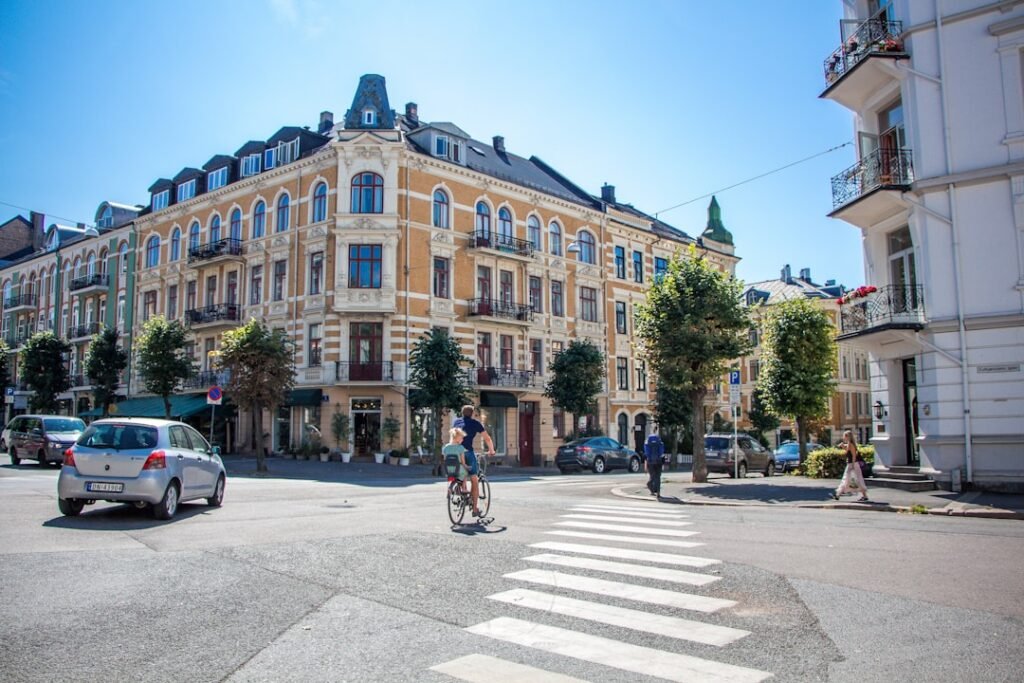
Norwegian culture is a rich tapestry woven from centuries of history, tradition, and social values. At the heart of this cultural landscape are two concepts that encapsulate the essence of what it means to be Norwegian: ‘kos’ and ‘dugnad.’ These terms go beyond mere words; they represent a way of life that emphasizes warmth, community, and cooperation. Understanding these concepts is essential for anyone looking to immerse themselves in Norwegian society, whether through travel, work, or study.
The significance of ‘kos’ and ‘dugnad’ extends far beyond their literal translations. ‘Kos’ can be loosely translated to mean coziness or comfort, while ‘dugnad’ refers to a collective effort or volunteer work. Together, they form the backbone of social interactions and community life in Norway.
As one delves deeper into these concepts, it becomes clear that they are not just cultural artifacts but living practices that shape the daily lives of Norwegians. This article will explore the meanings, implications, and applications of ‘kos’ and ‘dugnad,’ providing insights into how these concepts influence social dynamics and contribute to a cohesive society. Register for a Norwegian class at the NLS Norwegian Language School now! https://nlsnorwegian.no/group-norwegian-classes/
Key Takeaways
- ‘Kos’ is a central concept in Norwegian culture, representing a feeling of coziness, relaxation, and togetherness.
- ‘Kos’ influences social interactions and relationships by creating a warm and inviting atmosphere for bonding and connection.
- ‘Dugnad’ is a tradition of community volunteering in Norway, emphasizing collective effort and solidarity for the common good.
- ‘Dugnad’ plays a significant role in shaping social cohesion and solidarity in Norwegian society, fostering a sense of community and belonging.
- Embracing ‘Kos’ and ‘Dugnad’ is essential for cultural integration and language learning in Norway, as they are deeply ingrained in the country’s communication and social norms.
The Meaning and Importance of ‘Kos’ in Norwegian Culture
‘Kos’ is a term that evokes feelings of warmth, comfort, and togetherness. It is often associated with cozy gatherings, whether they take place in a home filled with soft lighting and warm blankets or around a fire pit under the stars. The essence of ‘kos’ lies in creating an inviting atmosphere where people can relax, connect, and enjoy each other’s company.
In Norway, this concept is deeply ingrained in the national psyche, influencing everything from family gatherings to social events. The importance of ‘kos’ in Norwegian culture cannot be overstated. It serves as a counterbalance to the often harsh and unforgiving natural environment of Norway, where long winters can lead to isolation and loneliness.
By fostering a sense of coziness and togetherness, ‘kos’ helps to combat these feelings and promotes mental well-being. It encourages Norwegians to prioritize relationships and create spaces where they can share experiences, laughter, and support. In essence, ‘kos’ is not just about physical comfort; it is about emotional connection and the joy of being present with others.
How ‘Kos’ Influences Social Interactions and Relationships

The influence of ‘kos’ on social interactions in Norway is profound. It shapes how people communicate, socialize, and build relationships. When Norwegians invite friends over for coffee or a meal, it is not merely about sharing food; it is an opportunity to create a cozy environment where meaningful conversations can flourish.
The act of gathering around a table or a fire fosters intimacy and trust, allowing individuals to open up and share their thoughts and feelings. Moreover, ‘kos’ transcends formalities and hierarchies. In a cozy setting, the barriers that often exist in professional or social contexts tend to dissolve.
This egalitarian approach encourages open dialogue and strengthens bonds among friends, family, and even colleagues. The emphasis on creating a comfortable atmosphere allows for genuine connections to form, making it easier for individuals to express themselves authentically. As such, ‘kos’ plays a crucial role in nurturing relationships that are built on mutual respect and understanding.
Exploring the Concept of ‘Dugnad’ and Its Role in Norwegian Society
While ‘kos’ emphasizes individual connections and comfort, ‘dugnad’ embodies the spirit of collective effort and community service. This concept refers to voluntary work undertaken by members of a community for the common good. Whether it involves cleaning up a local park, organizing a neighborhood event, or helping a neighbor with home repairs, ‘dugnad’ reflects the Norwegian commitment to cooperation and solidarity.
The role of ‘dugnad’ in Norwegian society is significant as it fosters a sense of belonging and shared responsibility among community members. It encourages individuals to come together for a common purpose, reinforcing social ties and promoting civic engagement. In many ways, ‘dugnad’ serves as a practical manifestation of the values that underpin Norwegian culture—collaboration, mutual support, and a commitment to improving one’s surroundings.
This collective spirit not only enhances community life but also instills a sense of pride among participants who contribute their time and effort for the greater good.
Understanding the Tradition of Community Volunteering through ‘Dugnad’
The tradition of community volunteering through ‘dugnad’ has deep roots in Norwegian history. It can be traced back to agricultural practices where neighbors would come together to help each other with tasks such as harvesting crops or building barns. This cooperative spirit has evolved over time but remains an integral part of Norwegian life today.
In contemporary society, ‘dugnad’ manifests in various forms—from organized clean-up days in local parks to collaborative efforts in schools or sports clubs. These events not only serve practical purposes but also create opportunities for social interaction and community bonding. Participants often find joy in working alongside their neighbors, sharing stories, laughter, and camaraderie as they contribute to a common goal.
This tradition reinforces the idea that everyone has a role to play in maintaining and enhancing their community, fostering a sense of ownership and pride among residents.
The Impact of ‘Dugnad’ on Social Cohesion and Solidarity in Norway

The impact of ‘dugnad’ on social cohesion in Norway is profound. By bringing people together for collective action, it strengthens community ties and fosters a sense of belonging among participants. When individuals engage in ‘dugnad,’ they not only contribute their time and skills but also build relationships with others who share similar values and goals.
This shared experience creates bonds that transcend individual differences, promoting inclusivity and understanding within diverse communities. Furthermore, ‘dugnad’ cultivates a culture of solidarity where individuals feel responsible for one another’s well-being. It reinforces the notion that everyone has something valuable to contribute, regardless of their background or circumstances.
This collective mindset encourages Norwegians to look out for one another, creating an environment where support systems thrive. As a result, communities become more resilient in facing challenges together, whether they are social issues or environmental concerns.
Incorporating ‘Kos’ and ‘Dugnad’ into Language Learning and Cultural Integration
For those learning the Norwegian language or seeking to integrate into Norwegian society, understanding the concepts of ‘kos’ and ‘dugnad’ is essential. These cultural elements provide valuable context for language use and social interactions. Language learners can benefit from exploring how these terms are used in everyday conversations, as they often reflect underlying values and attitudes within Norwegian culture.
Incorporating ‘kos’ into language learning can enhance conversational skills by encouraging learners to engage in discussions about social gatherings or cozy experiences. Similarly, understanding ‘dugnad’ can facilitate participation in community events or volunteer opportunities, allowing learners to practice their language skills while contributing positively to society. By embracing these cultural concepts, language learners can foster deeper connections with native speakers and gain insights into the nuances of Norwegian life.
Practical Tips for Embracing ‘Kos’ and ‘Dugnad’ in Daily Life
Embracing ‘kos’ and ‘dugnad’ in daily life can enrich one’s experience in Norway significantly. To cultivate ‘kos,’ individuals can start by creating inviting spaces at home—think warm lighting, comfortable seating arrangements, and delicious food shared with friends or family. Hosting regular gatherings or simply inviting neighbors over for coffee can foster connections that embody the spirit of coziness.
Incorporating ‘dugnad’ into daily life can be equally rewarding. Individuals can seek out local volunteer opportunities or participate in community events that promote collective action. Whether it’s joining a neighborhood clean-up or helping organize a local festival, engaging in ‘dugnad’ not only benefits the community but also provides opportunities for social interaction and personal growth.
By actively participating in these cultural practices, individuals can deepen their understanding of Norwegian society while building meaningful relationships.
The Role of ‘Kos’ and ‘Dugnad’ in Shaping Norwegian Language and Communication
The concepts of ‘kos’ and ‘dugnad’ play a significant role in shaping Norwegian language and communication styles. The emphasis on coziness inherent in ‘kos’ influences how Norwegians express warmth and friendliness in their interactions. Phrases associated with inviting someone over or sharing experiences often carry connotations of comfort and connection.
Similarly, the spirit of collaboration embodied by ‘dugnad’ informs communication patterns within communities. Discussions about community projects often highlight collective efforts rather than individual achievements, reflecting the value placed on teamwork and shared responsibility. This linguistic nuance reinforces the cultural importance of both concepts, illustrating how language serves as a vehicle for expressing societal values.
Comparing ‘Kos’ and ‘Dugnad’ to Similar Cultural Concepts in Other Countries
While ‘kos’ and ‘dugnad’ are uniquely Norwegian concepts, similar cultural practices exist in other countries that emphasize community bonding and cooperation. For instance, the Danish concept of ‘hygge’ shares similarities with ‘kos,’ focusing on creating cozy atmospheres that promote well-being and connection among individuals. Both terms reflect an appreciation for comfort but may differ in their specific cultural expressions.
On the other hand, many cultures have traditions akin to ‘dugnad’ that emphasize volunteerism and collective action. In many Latin American countries, for example, ‘minga’ refers to communal work done for mutual benefit—similar to ‘dugnad’ but often tied to indigenous practices. These comparisons highlight how different cultures value community engagement while showcasing unique expressions that resonate within their specific contexts.
Embracing ‘Kos’ and ‘Dugnad’ as Key Elements of Norwegian Cultural Understanding
In conclusion, understanding the concepts of ‘kos’ and ‘dugnad’ is essential for anyone seeking to grasp the nuances of Norwegian culture fully. These terms encapsulate values that are deeply embedded in the fabric of society—values that prioritize warmth, connection, cooperation, and community engagement. By embracing ‘kos,’ individuals can foster meaningful relationships that enrich their lives while contributing positively to their surroundings through ‘dugnad.’ As Norway continues to evolve within an increasingly globalized world, these cultural concepts remain vital touchstones that connect individuals across generations.
They serve as reminders of the importance of human connection—whether through cozy gatherings or collective efforts for the common good—and highlight how cultural practices shape our understanding of one another. Ultimately, by embracing ‘kos’ and ‘dugnad,’ we not only enhance our appreciation for Norwegian culture but also cultivate deeper connections with those around us—an endeavor that transcends borders and unites us all in our shared humanity.
Register for a Norwegian class at the NLS Norwegian Language School now!