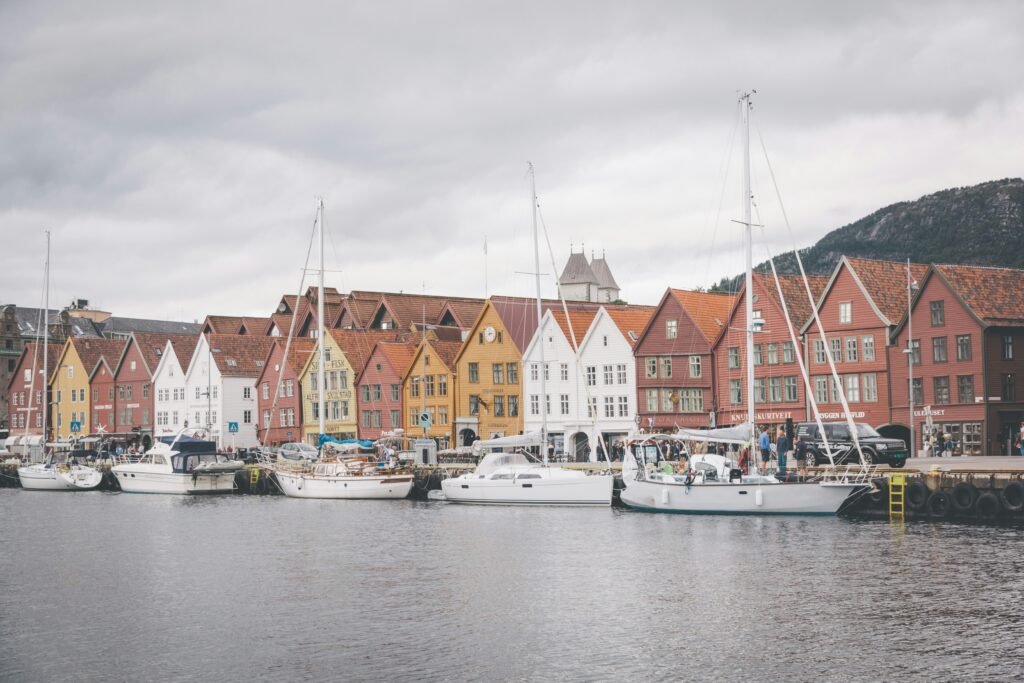
The lure of Norway often conjures images of dramatic fjords, the northern lights, and bustling city life. While these are undeniable attractions, a deeper, more nuanced understanding of the country can be unlocked by engaging with its linguistic landscape. This article explores the unique experience of navigating Norway with Nynorsk as a primary linguistic tool, highlighting how this less ubiquitous, yet vital, Norwegian variant can enrich travel and foster a more profound connection with certain aspects of Norwegian culture.
Norway, a nation with a rich history and a fiercely independent spirit, possesses a fascinating linguistic duality. For centuries, Danish held sway as the written language, influencing the development of what eventually became Bokmål, the most widely used written standard. However, a counter-movement arose in the 19th century, rooted in a desire to preserve and promote distinct Norwegian dialects, particularly those from the western parts of the country. This movement culminated in the development of Nynorsk, a written language based on these dialects, offering a distinct alternative to Bokmål.
Bokmål vs. Nynorsk: A Brief Overview
Understanding the distinction between Bokmål and Nynorsk is fundamental to appreciating Norway’s linguistic tapestry. Bokmål, meaning “book language,” evolved from the Danish-influenced written tradition and is the default for much of Norway’s official documentation, media, and education. Nynorsk, meaning “new Norwegian,” was consciously constructed from a synthesis of grammatical structures and vocabulary found in various Norwegian dialects, aiming to create a unified written form that reflected the spoken language of many Norwegians. While both are officially recognized and have parity, their prevalence and usage differ significantly. Bokmål is more common in urban areas and in the eastern regions, while Nynorsk has a stronger presence in western Norway, in smaller communities, and in certain educational and cultural institutions.
The Historical Context of Nynorsk
The creation of Nynorsk was not merely an academic exercise; it was a political and cultural statement. In an era of rising nationalism, many Norwegians felt that the written language was too closely tied to Denmark and did not accurately represent the diverse linguistic heritage of their own country. Ivar Aasen, a linguist and poet, is widely credited as the father of Nynorsk, meticulously collecting and analyzing Norwegian dialects to create a standardized written form. His work aimed to provide a written language that was both linguistically sound and culturally resonant, a language that felt authentically Norwegian. This historical context is crucial for understanding why Nynorsk exists and why its proponents view it as more than just another language variant, but as a symbol of national identity and linguistic self-determination.
The Practicalities of Navigating Norway with Nynorsk
Embarking on a journey through Norway with Nynorsk as your primary linguistic focus presents a unique set of challenges and rewards. While it is certainly possible to travel extensively using only English or Bokmål, dedicating oneself to Nynorsk opens doors to a different kind of interaction and understanding. This approach requires a willingness to engage with the less dominant language, to seek out opportunities to practice, and to embrace the occasional communication hurdle.
Language Resources: Beyond the Basics
For travelers preparing for a Nynorsk-centric trip, a range of resources exists, though they may require more active seeking compared to Bokmål or English materials. Traditional language learning textbooks are available, often specifically designed for learners of Nynorsk. Online platforms also offer courses, vocabulary builders, and grammar guides. Beyond formal learning, immersion is key. Seeking out Nynorsk media, such as radio stations, newspapers, and online news portals, can provide invaluable exposure to the language in its natural habitat. Engaging with literature written in Nynorsk, even if challenging, offers a deeper dive into the nuances of its expression.
Books and Literature in Nynorsk
The literary tradition in Nynorsk is rich and diverse, boasting Nobel Prize winners and a plethora of contemporary authors. Exploring these works, from poetry to novels, provides not only linguistic practice but also a profound insight into Norwegian perspectives and storytelling. While accessing these might require visits to specialized bookstores or diligent online searching, the reward lies in experiencing Norwegian culture through its own distinct literary voice.
Nynorsk Media and Online Resources
Staying informed and engaged with current events is facilitated by seeking out Nynorsk news outlets and broadcasting. Websites of organizations like NRK (Norwegian Broadcasting Corporation) often feature Nynorsk content, and regional newspapers in Nynorsk-speaking areas are excellent sources. Online forums and communities dedicated to Nynorsk can also offer practical advice and opportunities for linguistic exchange, turning travel preparation into an interactive experience.
Communication in Daily Life
Encountering Nynorsk in everyday interactions can range from subtle acknowledgments to direct engagement. In areas where Nynorsk is widely spoken, road signs, public announcements, and official information might be presented in Nynorsk first or exclusively. initiating conversations in Nynorsk, even with basic phrases, can elicit a positive reception and encourage more comprehensive communication. While many Norwegians are proficient in English and can switch seamlessly, making an effort in Nynorsk demonstrates respect for the country’s linguistic diversity.
Engaging with Locals in Nynorsk
The willingness to speak even a few words of Nynorsk can transform tourist interactions into more meaningful exchanges. Asking for directions, ordering food, or making purchases in Nynorsk can lead to warmer receptions and more personalized service. This proactive approach can prompt locals to respond in Nynorsk, providing invaluable practice and a sense of genuine connection. It’s not about fluency, but about the effort and the intention.
Understanding Public Signage and Information
Navigating public spaces relies heavily on clear signage. In regions where Nynorsk is prevalent, understanding these signs is essential for smooth travel. This includes understanding directions, public transport information, and notices in public buildings. Dedicating time to learn key Nynorsk vocabulary related to travel and everyday life will significantly enhance the ease of independent exploration.
West Norway: The Heart of Nynorsk Culture
Western Norway, often referred to as “Vestlandet,” is the geographical and cultural heartland of Nynorsk. This region, with its dramatic coastlines, deep fjords, and rugged mountains, has historically been a stronghold for the development and preservation of Nynorsk. Traveling through Vestlandet with a focus on Nynorsk offers the opportunity to experience the language not just as a written form, but as a living, breathing aspect of daily life.
The Fjord Region and Linguistic Identity
The picturesque fjords are not only a natural wonder but also a landscape deeply intertwined with Nynorsk. Many communities nestled along the fjords have a strong Nynorsk heritage. Engaging with locals in these areas, whether in small fishing villages or larger towns, often involves encountering Nynorsk speakers. Understanding the local dialect, even if superficially, can foster a sense of belonging and appreciate the enduring connection between the land and its language.
Traditional Communities and Nynorsk
Exploring the smaller, more traditional communities in Western Norway often reveals a strong adherence to Nynorsk. These communities, less impacted by rapid urbanization and the dominance of Bokmål, maintain a vibrant Nynorsk culture. Participating in local events, visiting local historical sites, and engaging with community members can provide authentic experiences of Nynorsk in use.
Navigating Tourist Attractions with Nynorsk
Even in popular tourist destinations within the fjord region, Nynorsk plays a role. While English is ubiquitous, information boards, brochures, and sometimes even guided tours might be available in Nynorsk. Seeking out these resources demonstrates an interest in the local linguistic landscape and can lead to a more authentic experience of the attractions.
Bergen and its Nynorsk Influence
Bergen, the second-largest city in Norway and the gateway to the western fjords, presents an interesting linguistic dynamic. While Bokmål is widely used, Bergen also has a significant Nynorsk-speaking population and institutions dedicated to the language. Its status as a cultural hub means that Nynorsk is present in various aspects of city life, from literature and theater to local media.
Cultural Institutions and Nynorsk Events
Bergen is home to several cultural institutions that champion Nynorsk. These can include theaters that stage performances in Nynorsk, literary festivals that highlight Nynorsk authors, and museums that explore the history of the language. Being aware of and attending such events provides an immersive way to experience Nynorsk culture in an urban setting.
The University of Bergen and Nynorsk Studies
The University of Bergen plays a notable role in Nynorsk scholarship and education. While Nynorsk courses are offered across various universities in Norway, Bergen’s significant Nynorsk department contributes to its prominence. Engaging with the university’s outreach programs or understanding its role in linguistic research can offer a deeper appreciation for the academic and scholarly support for Nynorsk.
Are you ready to master Nynorsk? Join our expert-led classes from A1 to C2 and learn to communicate with confidence.
Extending the Nynorsk Experience Beyond the West
While Western Norway is the primary stronghold of Nynorsk, its influence and presence extend beyond this region. Recognizing and seeking out Nynorsk in other parts of the country can reveal hidden pockets of linguistic diversity and showcase the continued relevance of the language. This requires a more deliberate effort to identify these instances, but the rewards lie in discovering the broader linguistic tapestry of Norway.
Nynorsk in Education and Academia
Education is a crucial domain for the preservation and promotion of Nynorsk. While Bokmål is the dominant language in many schools, Nynorsk is taught as a subject and is the primary language of instruction in a significant number of schools, particularly in Western Norway. Academic institutions across the country also offer Nynorsk studies, contributing to its scholarship and dissemination.
Schools with Nynorsk as the Main Language
Identifying schools where Nynorsk is the primary language of instruction can provide insights into communities where the language is deeply embedded in the educational system. While visiting such schools might not be typical for tourists, understanding their existence demonstrates the ongoing commitment to Nynorsk in shaping future generations.
University Departments and Nynorsk Research
Universities in various Norwegian cities have departments dedicated to Nynorsk, actively involved in linguistic research, language development, and the promotion of literature. These academic centers are crucial for maintaining the vitality of Nynorsk through scholarly inquiry and educational programs.
Nynorsk in National Media and Publishing
Although Bokmål dominates national media, Nynorsk is present and actively pursued by dedicated publishers and media outlets. These entities ensure that Nynorsk speakers have access to news, literature, and cultural content in their preferred language. Seeking out these Nynorsk publications and media can provide valuable insights into current affairs and cultural discourse from a distinct linguistic perspective.
Nynorsk Publishers and Literary Journals
A dedicated community of Nynorsk publishers and literary journals exists, nurturing Nynorsk literature and providing a platform for emerging and established authors. Exploring the offerings of these publishers, which can often be found online, allows for an engagement with contemporary Norwegian literary voices expressed in Nynorsk.
Broadcasting and Online News in Nynorsk
While NRK offers content in both Bokmål and Nynorsk, specific Nynorsk programming and online news services cater to the Nynorsk-speaking audience. Actively seeking out these broadcasts and news portals provides an avenue for staying informed and practicing comprehension in everyday contexts.
Embracing the Nuances: The Deeper Rewards of Traveling with Nynorsk
“`html
| City | Attractions | Accommodation | Transportation |
|---|---|---|---|
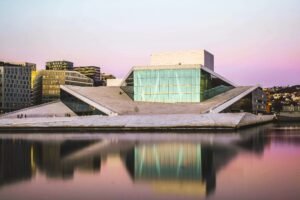
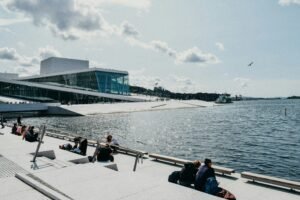
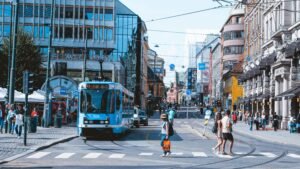
| Oslo | Vigeland Sculpture Park, Oslo Opera House | Hotels, Hostels, Airbnb | Metro, Trams, Buses |
| Bergen | Bryggen, Fløyen Mountain, Fish Market | Guesthouses, B&Bs, Apartments | Light Rail, Ferries |
| Trondheim | Nidaros Cathedral, Old Town Bridge | Hotels, Inns, Cabins | Buses, Trains |
| Tromsø | Polaria, Arctic Cathedral, Fjellheisen Cable Car | Guesthouses, Chalets, Cottages | Buses, Ferries |
“`
Traveling through Norway with a focus on Nynorsk offers rewards that extend far beyond mere linguistic acquisition. It is an invitation to engage with a different facet of Norwegian identity, to appreciate the country’s linguistic heritage, and to foster a more profound, personal connection with the places and people encountered. This journey is not always the easiest path, but it is often the most enriching.
A Deeper Connection to Norwegian Identity
Norway’s linguistic duality is a significant aspect of its national identity. By engaging with Nynorsk, travelers can gain a more nuanced understanding of this identity, recognizing the historical struggles and ongoing efforts to preserve linguistic diversity. It fosters an appreciation for the efforts of individuals and communities who champion Nynorsk as a vital part of their cultural heritage.
Appreciating Linguistic Diversity
Understanding that Norway has two official written languages is a crucial step in appreciating its cultural richness. Traveling with Nynorsk allows one to witness this diversity firsthand, to see how different linguistic forms coexist and contribute to the national fabric. It moves beyond a superficial understanding of Norway as a monolith and highlights its internal linguistic variations.
The Significance of Preserving Minority Languages
While Nynorsk is an official language, it is less widespread than Bokmål, fitting into a broader conversation about the importance of preserving minority languages. Engaging with Nynorsk travel can foster an awareness of the challenges and triumphs associated with maintaining languages that are not dominant, underscoring the value of linguistic heritage.
Enhanced Travel Experiences and Interactions
The conscious effort to use Nynorsk, even in its nascent stages, can lead to more authentic and memorable interactions. It can break down perceived barriers and open up opportunities for genuine connection with locals who appreciate the effort and respect for their language. This approach transforms a transactional tourist experience into a more reciprocal exchange.
Fostering Authenticity and Reciprocity
By making an effort to communicate in Nynorsk, travelers signal a genuine interest in Norway beyond its superficial attractions. This often leads to warmer welcomes and more open interactions with locals, who may be more inclined to share their culture and perspectives when they feel their language and heritage are being acknowledged and valued.
Creating Unique and Memorable Encounters
The ability to navigate and communicate in Nynorsk, even with limited proficiency, can create unique and memorable encounters that might otherwise be missed. These experiences, born out of linguistic engagement, often become the most treasured memories of a trip, offering a glimpse into the everyday lives of Norwegians.
The NLS Norwegian Language School in Oslo: A Gateway to Nynorsk
For individuals who wish to delve deeper into the Nynorsk language, the NLS Norwegian Language School in Oslo offers specialized Nynorsk courses. These programs are designed for learners at various proficiency levels, from beginners to advanced students, and provide a structured and supportive environment to acquire Nynorsk skills. The school’s commitment to Nynorsk is evident in its curriculum, which focuses on practical language use, grammatical accuracy, and cultural understanding.
Dedicated Nynorsk Courses and Pedagogy
The NLS Norwegian Language School in Oslo stands out for its dedicated Nynorsk courses, catering to a specific need within the language learning landscape. These courses are not merely an add-on but a central offering, reflecting a commitment to the language’s visibility and accessibility. The pedagogical approach employed by the school emphasizes communicative competence, ensuring that learners can not only understand Nynorsk but also use it effectively in real-world situations. This includes a focus on pronunciation, vocabulary acquisition, grammatical structures, and the cultural context in which Nynorsk is used.
Experienced Instructors and Personalized Learning
Instructors at the NLS Norwegian Language School in Oslo often possess extensive experience in teaching Nynorsk, bringing with them a deep understanding of the language and its nuances. They are equipped to guide students through the complexities of Nynorsk grammar and vocabulary, offering personalized feedback and support. This individualized attention is crucial for learners encountering a less common language variant, ensuring that their progress is tailored to their specific needs and learning pace. The school aims to create a welcoming and encouraging atmosphere where students feel empowered to practice and develop their Nynorsk abilities.
Opportunities for Cultural Immersion and Practice
Beyond formal instruction, the NLS Norwegian Language School in Oslo actively seeks to integrate cultural immersion into its Nynorsk programs. This can involve excursions to Nynorsk-speaking areas or communities within Oslo, workshops on Nynorsk literature and culture, and opportunities to interact with native Nynorsk speakers. These experiences go hand-in-hand with language acquisition, providing learners with practical contexts for applying their newfound skills and fostering a deeper appreciation for the living aspect of the Nynorsk language. The school recognizes that language learning is most effective when it is intertwined with cultural understanding and real-world application.
Conclusion: A Richer Journey Awaits
Traveling through Norway with a focus on Nynorsk transforms a standard tourist experience into a more profound exploration of the country’s linguistic and cultural heritage. While Bokmål is the more visible written standard, Nynorsk represents a vital and cherished part of Norway’s identity. By making an effort to engage with Nynorsk, whether through dedicated language courses like those offered at the NLS Norwegian Language School in Oslo, or through active practice during travel, visitors can unlock a deeper understanding of Norway, foster more authentic connections with its people, and ultimately, embark on a richer and more rewarding journey. The linguistic landscape of Norway is a complex and beautiful one, and Nynorsk offers a unique key to unlocking its deeper meanings.
Unlock opportunities in Norway. Start building your Nynorsk skills with NLS today.—–