

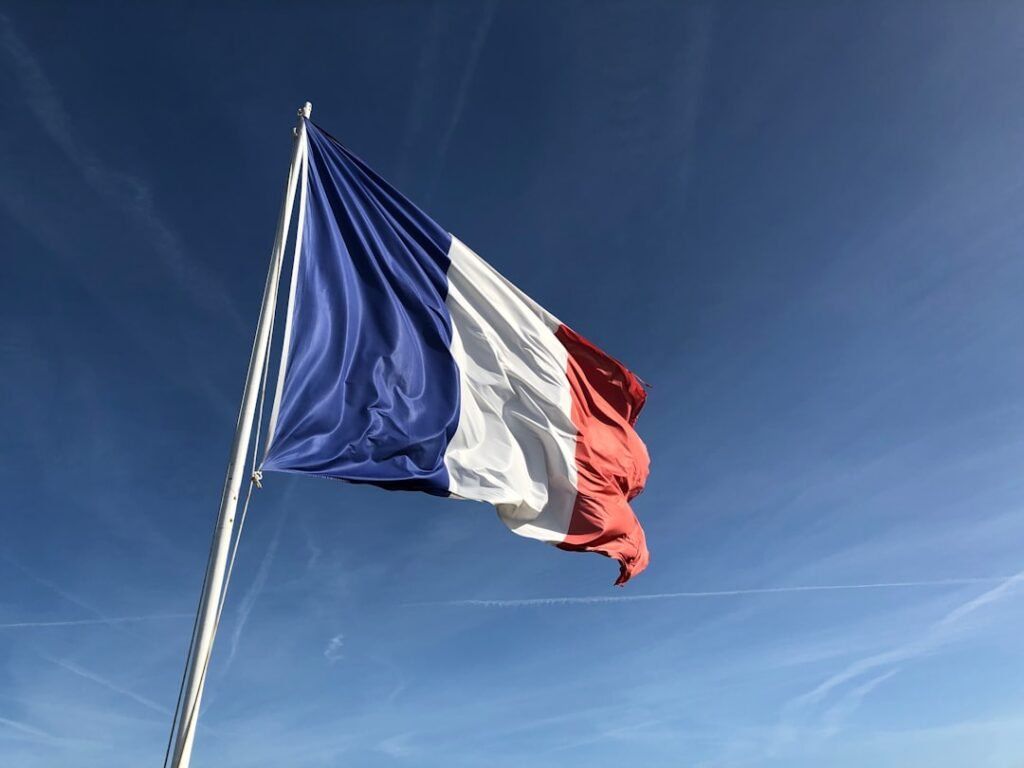
The Tour de France, one of the most prestigious cycling races in the world, has a rich and storied history that dates back to its inception in 1903. Conceived by the French newspaper L’Auto as a means to boost circulation, the first edition of the race was a mere six stages covering a total distance of 2,428 kilometres. The event was an immediate success, capturing the imagination of the French public and establishing itself as a significant sporting event.
The inaugural race was won by Maurice Garin, who completed the grueling course in just over 94 hours, a feat that would set the stage for the legendary status of the Tour. Over the years, the Tour de France has evolved significantly, both in terms of its format and its global reach. The race has expanded to include 21 stages and covers approximately 3,500 kilometres, traversing diverse terrains from the flat plains to the steep mountain passes of the Alps and Pyrenees.
The introduction of iconic elements such as the yellow jersey, awarded to the overall leader, has become synonymous with the event. The Tour has also faced challenges, including controversies surrounding doping scandals and changes in sponsorship dynamics, yet it has remained resilient, continuing to attract top cyclists from around the globe. Immerse yourself in the beauty of French. Begin your lessons today at the NLS Norwegian Language School in Oslo.
Summary
- The Tour de France was first held in 1903 and has since become one of the most prestigious cycling events in the world.
- The Tour de France holds significant cultural importance in France, with millions of spectators lining the route each year to cheer on the cyclists.
- The economic impact of the Tour de France is substantial, with the event generating millions of euros in revenue for the host cities and regions.
- As a sporting event, the Tour de France is known for its grueling mountain stages and intense competition among the world’s top cyclists.
- The Tour de France showcases the stunning landscapes of France, from the picturesque countryside to the iconic landmarks along the route.
The Cultural Significance of the Tour de France in France
The Tour de France is not merely a sporting event; it is a cultural phenomenon that resonates deeply within French society. It embodies the spirit of competition and camaraderie while celebrating the rich tapestry of French culture. Each year, millions of spectators line the roadsides to cheer on their favourite riders, creating an atmosphere of unity and excitement that transcends regional differences.
The race serves as a reminder of France’s historical significance in the world of sport and its ability to bring people together in celebration. Moreover, the Tour de France showcases various aspects of French culture, from regional traditions to local gastronomy. As cyclists traverse different regions, they pass through towns and villages steeped in history, each with its unique customs and heritage.
This cultural exchange fosters a sense of pride among locals, who take immense joy in sharing their traditions with visitors and fellow countrymen alike. The event has become a platform for promoting French identity on a global scale, reinforcing the notion that cycling is not just a sport but an integral part of the national fabric.
The Economic Impact of the Tour de France
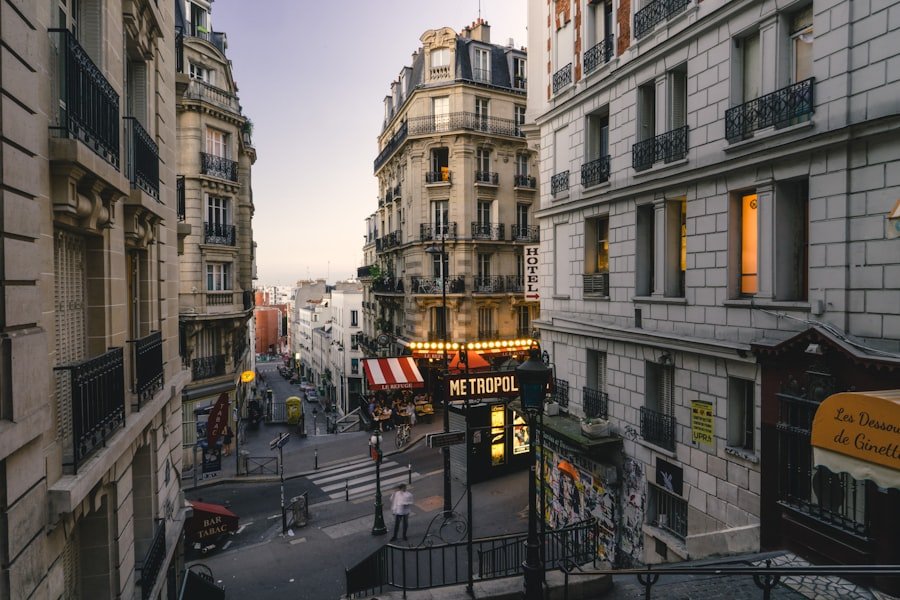
The economic implications of the Tour de France extend far beyond the realm of sport; they permeate various sectors, including tourism, hospitality, and local businesses. Each year, the race attracts millions of spectators from around the world, significantly boosting local economies along the route. Hotels, restaurants, and shops experience a surge in business as fans flock to witness this iconic event.
In many regions, particularly those less frequented by tourists, the Tour provides a much-needed economic stimulus that can last long after the cyclists have departed. Additionally, the Tour de France generates substantial revenue through sponsorships and broadcasting rights. Major brands invest heavily in associating themselves with this prestigious event, recognising its potential to reach a vast audience.
The financial influx not only supports the organisation of the race but also contributes to grassroots cycling initiatives across France. This investment in cycling infrastructure helps nurture future talent and promotes healthy lifestyles among young people, ensuring that the legacy of the Tour continues for generations to come.
The Tour de France as a Sporting Event
As one of the most challenging sporting events globally, the Tour de France tests not only physical endurance but also mental fortitude. Cyclists face a grueling schedule that demands peak performance over three weeks, navigating varied terrains and unpredictable weather conditions. The race is a true test of skill and strategy; riders must work collaboratively within their teams while also competing fiercely against one another.
This dynamic creates an exhilarating atmosphere that captivates audiences both on-site and through broadcasts worldwide. The significance of the Tour de France extends beyond its competitive nature; it serves as a platform for showcasing athletic excellence. Many legendary cyclists have emerged from this event, etching their names into sporting history through remarkable feats of endurance and determination.
The race has produced iconic moments that resonate with fans long after they occur—be it a daring breakaway or a nail-biting sprint to the finish line. These moments contribute to the rich narrative of the Tour de France, making it an enduring symbol of sporting achievement.
The Tour de France as a Showcase for French Landscapes
One of the most enchanting aspects of the Tour de France is its ability to showcase the breathtaking landscapes of France. Each stage takes riders through picturesque countryside, charming villages, and stunning mountain ranges that highlight the country’s natural beauty. From the rolling vineyards of Bordeaux to the dramatic cliffs of Provence, viewers are treated to a visual feast that celebrates France’s diverse geography.
The race also serves as an opportunity for regions to promote their unique attractions and cultural heritage. Local tourism boards often capitalise on the event by organising activities and events that encourage visitors to explore beyond the race itself. This synergy between sport and tourism not only enhances the experience for spectators but also fosters a deeper appreciation for France’s rich landscapes and cultural landmarks.
The Tour de France and French Cuisine
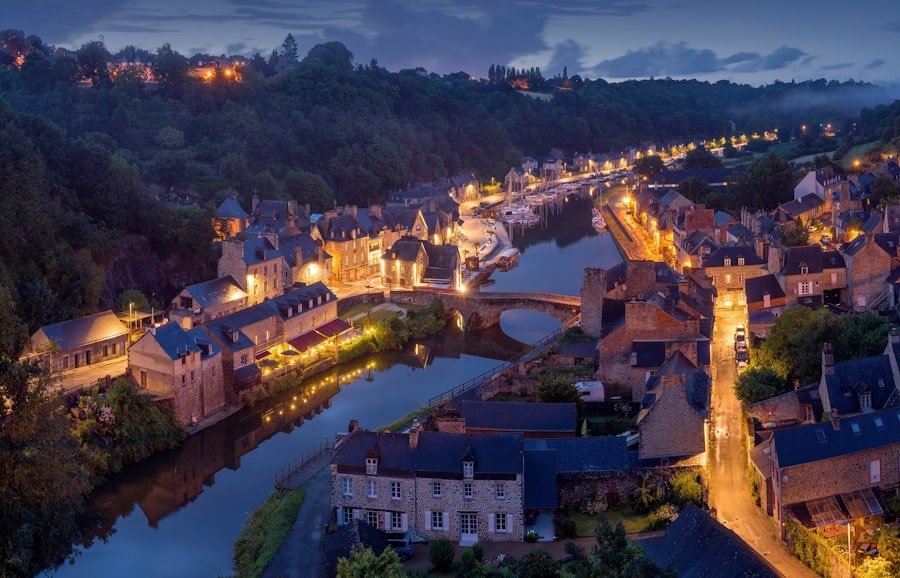
French cuisine is renowned worldwide for its sophistication and diversity, and the Tour de France provides an excellent platform for celebrating this culinary heritage. As cyclists traverse different regions, they encounter local delicacies that reflect each area’s unique flavours and traditions. From hearty coq au vin in Burgundy to delicate pastries in Paris, food becomes an integral part of the experience for both riders and spectators alike.
Moreover, many towns along the route take pride in showcasing their culinary offerings during the race. Local markets flourish as vendors set up stalls to sell regional specialties, allowing visitors to indulge in authentic French cuisine while enjoying the festivities. This culinary celebration not only enhances the overall atmosphere but also reinforces France’s reputation as a gastronomic capital, further enriching the cultural significance of the Tour de France.
The Tour de France and French Fashion
The intersection of cycling and fashion is another fascinating aspect of the Tour de France. While performance gear is essential for riders during the race, fashion plays a significant role in shaping public perception and branding within this prestigious event. The iconic yellow jersey worn by the overall leader has become a symbol of triumph and style, while team kits often reflect contemporary fashion trends.
Beyond cycling attire, the Tour de France attracts attention from fashion enthusiasts who appreciate its unique blend of sport and style. Spectators often don stylish outfits as they cheer on their favourite riders, creating a vibrant atmosphere that celebrates both athleticism and aesthetics. This fusion of cycling and fashion highlights how deeply intertwined these two worlds are within French culture.
The Tour de France and French Music
Music is an integral part of any celebration, and the Tour de France is no exception. As cyclists make their way through towns and cities, local musicians often perform to energise crowds and enhance the festive atmosphere surrounding the event. From traditional folk music to contemporary pop hits, these performances create an engaging backdrop that complements the excitement of the race.
Furthermore, music plays a role in uniting fans from diverse backgrounds who gather to support their favourite riders. Anthems associated with cycling or specific teams often become rallying cries for spectators, fostering camaraderie among fans as they cheer together. This shared musical experience adds another layer to the cultural significance of the Tour de France, reinforcing its status as more than just a sporting event.
The Tour de France and French Art
Art has long been intertwined with French culture, and the Tour de France provides an opportunity for artists to showcase their talents while celebrating this iconic event. Many artists create works inspired by cycling or specific stages of the race, capturing its essence through various mediums such as painting, photography, or sculpture. These artistic interpretations serve as a testament to how deeply ingrained cycling is within French society.
Moreover, exhibitions featuring cycling-themed art often coincide with the race, allowing visitors to explore this creative expression alongside their passion for sport. This synergy between art and cycling enriches both fields while highlighting how they can inspire one another. As artists draw inspiration from the Tour de France’s vibrant atmosphere, they contribute to its cultural legacy in ways that resonate with audiences far beyond mere athletic achievement.
The Tour de France and National Pride
The Tour de France evokes a profound sense of national pride among French citizens who view it as a celebration of their heritage and identity. As cyclists navigate through iconic landmarks such as the Eiffel Tower or Mont Saint-Michel, they embody not only athletic prowess but also represent France on an international stage. This connection fosters unity among citizens who rally behind their national representatives during this prestigious event.
Additionally, moments of triumph—whether it be a French rider winning a stage or claiming overall victory—serve as sources of inspiration for many across the nation. These achievements resonate deeply within communities that take pride in their local heroes while reinforcing collective identity through shared experiences during this grand spectacle.
The Future of the Tour de France
As we look towards the future of the Tour de France, it is clear that this iconic event will continue to evolve while remaining true to its roots. With advancements in technology and changes in societal values, there are opportunities for innovation within both racing formats and spectator engagement strategies. For instance, increased emphasis on sustainability may lead organisers to explore eco-friendly practices that align with contemporary environmental concerns.
Moreover, expanding global interest in cycling presents exciting possibilities for international collaboration and participation within future editions of the race. As more countries embrace cycling culture—whether through grassroots initiatives or professional leagues—the potential for cross-cultural exchange during events like these becomes increasingly significant. In conclusion, while reflecting on its illustrious past and vibrant present offers valuable insights into what makes this event so special; it is equally important to consider how we can shape its future together—ensuring that generations yet unborn will continue celebrating not just sport but also culture at large through this remarkable journey known as “Le Tour.” As part of this cultural journey through France’s landscapes and traditions during such events like these; one cannot overlook opportunities for learning new languages—such as French—while immersing oneself fully into local experiences!
For those interested in enhancing their linguistic skills amidst all this excitement surrounding Le Tour; NLS Norwegian Language School located in Oslo offers exceptional French courses tailored specifically for learners at various levels! Whether you’re preparing for your next trip or simply wish to delve deeper into understanding French culture; NLS provides an enriching environment where language learning becomes an enjoyable adventure!




