
Norwegian intellectual life is a rich tapestry woven from the threads of history, culture, and language. It is a realm where philosophy, literature, and the arts converge, creating a vibrant discourse that reflects the unique identity of Norway. The intellectual landscape is shaped by a deep appreciation for nature, a commitment to social equality, and a strong sense of community.
This environment fosters critical thinking and encourages the exploration of ideas, making Norway a significant player in the global intellectual arena. At the heart of this intellectual life lies a profound respect for knowledge and education. The Norwegians have long valued learning as a means to personal and societal growth.
This ethos is evident in the country’s robust educational system, which promotes not only academic excellence but also the development of independent thought. As a result, Norwegian intellectual life is characterised by a dynamic interplay between tradition and modernity, where historical perspectives inform contemporary debates and innovations. Think, debate, and work fluently in Norwegian. Secure your spot in the C1/C2 course now.
Summary
- Norwegian intellectual life is deeply rooted in the country’s rich literary and linguistic heritage.
- The Norwegian language plays a crucial role in shaping intellectual discourse and thought in the country.
- Norwegian literature has had a significant influence on the development of intellectual thought in Norway.
- Norwegian intellectual journals and publications are important platforms for the exchange of ideas and knowledge.
- The use of Norwegian in academic settings is essential for the preservation and development of intellectual language in Norway.
The Role of Language in Norwegian Intellectual Discourse
Language serves as the cornerstone of Norwegian intellectual discourse, acting as both a medium of communication and a vessel for cultural expression. The Norwegian language, with its rich vocabulary and nuanced grammar, allows for the articulation of complex ideas and emotions. This linguistic depth is particularly evident in philosophical discussions, where precision in language is paramount to conveying intricate concepts.
The ability to express oneself clearly and eloquently in Norwegian is thus essential for participation in intellectual debates. Moreover, the evolution of the Norwegian language itself has played a significant role in shaping intellectual discourse. The coexistence of Bokmål and Nynorsk, the two official written forms of Norwegian, reflects the country’s diverse linguistic heritage.
This duality enriches discussions by providing multiple perspectives and fostering inclusivity. As scholars engage with these different forms of the language, they contribute to a broader understanding of Norwegian identity and culture, further enhancing the intellectual landscape.
The Influence of Norwegian Literature on Intellectual Thought
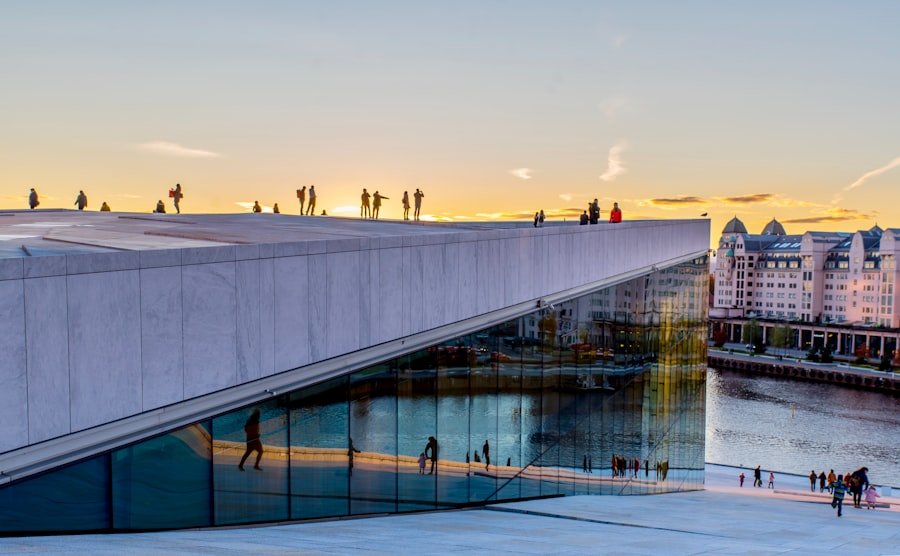
Norwegian literature has long been a cornerstone of the country’s intellectual life, offering profound insights into the human condition and societal values. From the works of Henrik Ibsen and Knut Hamsun to contemporary authors like Karl Ove Knausgård, literature has served as a mirror reflecting the complexities of Norwegian society. These literary figures have not only shaped national identity but have also influenced global literary movements, positioning Norway as a significant contributor to world literature.
The themes explored in Norwegian literature often resonate with broader philosophical questions, prompting readers to reflect on morality, existence, and the human experience. This literary tradition has fostered a culture of critical engagement with ideas, encouraging both writers and readers to grapple with challenging concepts. As such, literature becomes a vital tool for intellectual exploration, allowing individuals to navigate the intricacies of life while contributing to ongoing dialogues within Norwegian society.
Norwegian Intellectual Journals and Publications
The landscape of Norwegian intellectual life is further enriched by a plethora of journals and publications dedicated to scholarly discourse. These platforms provide a space for academics, writers, and thinkers to share their research, ideas, and critiques with a wider audience. Notable journals such as “Samtiden” and “Vagant” play an essential role in fostering intellectual exchange by publishing articles that span various disciplines, including philosophy, sociology, and cultural studies.
In addition to traditional print publications, digital platforms have emerged as vital spaces for intellectual engagement. Online journals and blogs allow for immediate dissemination of ideas and facilitate discussions that transcend geographical boundaries. This shift towards digital media has democratized access to knowledge, enabling a broader range of voices to contribute to the intellectual discourse.
As a result, Norwegian intellectual life continues to evolve, embracing new formats while remaining rooted in its rich literary tradition.
The Use of Norwegian in Academic Settings
In academic settings across Norway, the use of the Norwegian language is paramount for fostering an inclusive environment that encourages participation from all students. Universities and colleges prioritise teaching in Norwegian, ensuring that students can engage deeply with their subjects without the barrier of language proficiency. This commitment to using Norwegian in academia not only preserves the language but also reinforces its significance within intellectual circles.
Furthermore, the emphasis on Norwegian in academic discourse allows for the exploration of local issues through a culturally relevant lens. Scholars are able to draw upon their linguistic heritage to address topics that resonate with Norwegian society, thereby enriching their research with contextually grounded insights. This approach not only enhances the quality of academic work but also strengthens the connection between academia and the broader community.
The Evolution of Norwegian Intellectual Language

The evolution of Norwegian intellectual language reflects broader societal changes and cultural shifts throughout history. From its roots in Old Norse to its contemporary forms, the language has undergone significant transformations that mirror Norway’s journey as a nation. The development of Bokmål and Nynorsk as distinct written forms exemplifies this evolution, highlighting the ongoing negotiation between tradition and modernity.
As Norway continues to engage with global ideas and influences, its intellectual language adapts accordingly. New terminologies emerge as scholars grapple with contemporary issues such as climate change, technology, and social justice. This adaptability ensures that Norwegian remains relevant in an ever-changing world while maintaining its unique character.
The evolution of language thus becomes a reflection of Norway’s dynamic intellectual landscape, where tradition coexists with innovation.
Multilingualism in Norwegian Intellectual Circles
Multilingualism is a defining feature of Norwegian intellectual circles, enriching discussions and broadening perspectives. Many Norwegians are proficient in multiple languages, including English, German, and French, which facilitates engagement with international scholarship and ideas. This linguistic diversity fosters an environment where different viewpoints can be shared and debated, enhancing the quality of intellectual discourse.
Moreover, multilingualism allows for cross-cultural collaborations that transcend national boundaries. Scholars from various linguistic backgrounds come together to address global challenges, drawing upon their unique experiences and insights. This collaborative spirit not only strengthens Norway’s position within the global intellectual community but also contributes to a more nuanced understanding of complex issues.
The Impact of Globalization on Norwegian Intellectual Language
Globalization has had a profound impact on Norwegian intellectual language, introducing new ideas and concepts while challenging traditional norms. As Norway becomes increasingly interconnected with the world, its intellectual discourse is influenced by global trends in philosophy, science, and culture. This exposure to diverse perspectives enriches discussions but also raises questions about cultural identity and linguistic integrity.
The influx of English terminology into academic discourse is one manifestation of this impact. While English serves as a lingua franca in many fields, there is an ongoing debate about the implications for the Norwegian language. Some argue that this trend threatens the integrity of Norwegian intellectual life, while others see it as an opportunity for growth and adaptation.
Navigating this tension will be crucial for preserving Norway’s linguistic heritage while embracing the benefits of globalization.
The Relationship Between Norwegian and Other Scandinavian Languages in Intellectual Discourse
The relationship between Norwegian and other Scandinavian languages—particularly Swedish and Danish—plays a significant role in shaping intellectual discourse in the region. These languages share common roots and grammatical structures, facilitating mutual understanding among speakers. This linguistic kinship allows for cross-border collaborations in academia and cultural exchange that enriches the intellectual landscape across Scandinavia.
Moreover, this interconnectedness fosters a sense of shared identity among Scandinavian nations. Scholars often engage with each other’s work across linguistic boundaries, contributing to a collective body of knowledge that transcends national borders. This collaboration not only enhances individual research but also strengthens regional ties within the broader context of European intellectual life.
Challenges and Opportunities for Non-Native Speakers in Norwegian Intellectual Life
For non-native speakers seeking to engage with Norwegian intellectual life, there are both challenges and opportunities present. One significant challenge lies in mastering the nuances of the language; academic discourse often requires a high level of proficiency to navigate complex ideas effectively. Non-native speakers may find themselves at a disadvantage when participating in discussions or producing scholarly work.
However, these challenges also present opportunities for growth and development. Many institutions offer language courses tailored specifically for academics, such as those at NLS Norwegian Language School in Oslo which provides C1/C2 level courses designed to equip non-native speakers with advanced language skills necessary for engaging deeply with Norwegian intellectual life. By investing time in language acquisition, non-native speakers can enhance their ability to contribute meaningfully to discussions while gaining valuable insights into Norwegian culture.
The Future of Norwegian Intellectual Language
As we look towards the future of Norwegian intellectual language, it is clear that it will continue to evolve in response to both internal dynamics and external influences. The interplay between tradition and modernity will remain central to this evolution as scholars navigate the complexities of globalization while striving to preserve their linguistic heritage. The commitment to fostering an inclusive environment through multilingualism will also play a crucial role in shaping the future landscape of Norwegian intellectual life.
By embracing diverse perspectives and encouraging participation from all individuals—regardless of their linguistic background—Norway can cultivate a vibrant intellectual community that reflects its rich cultural tapestry. Ultimately, the future of Norwegian intellectual language lies in its ability to adapt while remaining rooted in its unique identity. As scholars continue to engage with both local and global ideas, they will contribute to an ever-evolving discourse that enriches not only Norway but also the broader international community.