The Norskprøven A2 Writing Task is a crucial component of the Norwegian language proficiency test, designed to assess a candidate’s ability to communicate effectively in written Norwegian. At this level, candidates are expected to demonstrate a basic understanding of the language, showcasing their ability to write simple texts that convey clear messages. The writing task typically involves responding to prompts that require candidates to describe personal experiences, express opinions, or provide information on familiar topics.
This task not only evaluates language skills but also the ability to organise thoughts coherently and present them in a structured manner. To succeed in the A2 Writing Task, candidates must be familiar with the specific requirements and expectations of the exam. This includes understanding the types of prompts they may encounter and the criteria by which their writing will be assessed.
The task often requires candidates to write short paragraphs, which means that clarity and conciseness are paramount. As such, it is essential for candidates to practice writing regularly, focusing on developing their ability to articulate ideas clearly and effectively within the constraints of the task. Enroll now to secure your spot in the NLS Norwegian Language School’s Norskprøven preparation course!
Summary
- Understanding the Norskprøven A2 Writing Task is essential for success in the exam
- Clear descriptions are important in the Norskprøven A2 Writing Task to convey your message effectively
- Using descriptive language effectively can help paint a vivid picture for the reader
- Organizing your descriptions in the Norskprøven A2 Writing Task can improve the overall structure of your writing
- Avoiding ambiguity in your descriptions is crucial for clear communication and understanding
Importance of Clear Descriptions in the Norskprøven A2 Writing Task
Clear descriptions are vital in the Norskprøven A2 Writing Task as they enable candidates to convey their thoughts and ideas effectively. When writing, it is essential to ensure that the reader can easily understand the message being communicated. Ambiguity or vagueness can lead to confusion and may result in lower scores.
Therefore, candidates must strive to provide precise and straightforward descriptions that accurately reflect their intended meaning. This clarity not only enhances comprehension but also demonstrates a solid grasp of the language. Moreover, clear descriptions help to engage the reader and create a more vivid picture of the subject matter.
When candidates use descriptive language effectively, they can evoke emotions and paint a mental image that resonates with the reader. This is particularly important in a language proficiency test, where demonstrating an ability to connect with an audience can significantly impact overall performance. By focusing on clarity in their descriptions, candidates can ensure that their writing is both informative and engaging.
Using Descriptive Language Effectively

Descriptive language plays a pivotal role in enhancing the quality of writing in the Norskprøven A2 Writing Task. It allows candidates to add depth and richness to their descriptions, making their writing more engaging and memorable. Effective use of descriptive language involves selecting words that accurately convey the intended meaning while also appealing to the reader’s senses.
This can include using vivid adjectives and adverbs that bring scenes or experiences to life, allowing readers to visualise what is being described. In addition to enhancing engagement, descriptive language can also help clarify complex ideas or emotions. By choosing specific words that encapsulate feelings or experiences, candidates can provide readers with a clearer understanding of their perspective.
For instance, instead of simply stating that a place is “nice,” a candidate might describe it as “serene” or “bustling,” depending on the atmosphere they wish to convey. This level of detail not only enriches the writing but also demonstrates a higher level of language proficiency.
Organising Your Descriptions in the Norskprøven A2 Writing Task
Effective organisation is key to producing coherent and impactful descriptions in the Norskprøven A2 Writing Task. Candidates should aim to structure their writing logically, guiding the reader through their thoughts in a clear and systematic manner. A well-organised piece of writing typically begins with an introduction that sets the context for the description, followed by body paragraphs that elaborate on specific points, and concludes with a summary or reflection.
One effective strategy for organising descriptions is to use a chronological or spatial approach. For instance, when describing an event, candidates might choose to recount it in the order it occurred, allowing readers to follow along easily. Alternatively, when describing a location, they could move from one area to another, providing a sense of flow and continuity.
By employing these organisational techniques, candidates can enhance the clarity of their writing and ensure that their descriptions are easy for readers to follow.
Avoiding Ambiguity in Your Descriptions
Ambiguity can be detrimental to effective communication, particularly in a language proficiency test like the Norskprøven A2 Writing Task. Candidates must strive to eliminate any potential confusion by being as clear and specific as possible in their descriptions. This involves avoiding vague terms or phrases that could be interpreted in multiple ways.
Instead, candidates should opt for precise language that conveys their intended meaning unequivocally. To avoid ambiguity, it is also essential for candidates to consider their audience and anticipate potential misunderstandings. By putting themselves in the reader’s shoes, they can identify areas where clarification may be needed and adjust their descriptions accordingly.
This proactive approach not only enhances clarity but also demonstrates a thoughtful consideration of effective communication strategies.
Using Adjectives and Adverbs to Enhance Your Descriptions
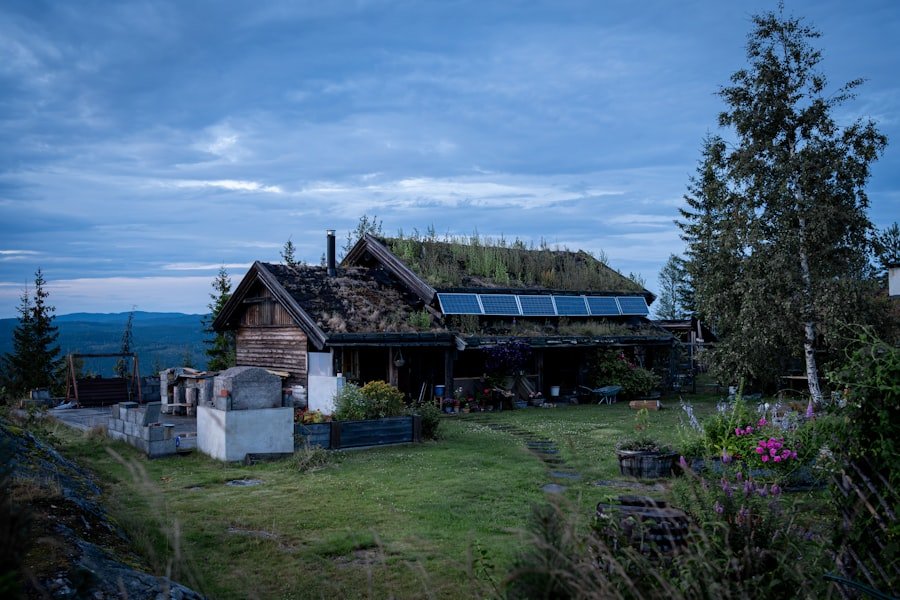
Adjectives and adverbs are powerful tools for enhancing descriptions in the Norskprøven A2 Writing Task. These parts of speech allow candidates to add detail and nuance to their writing, making it more engaging and informative. Adjectives can be used to describe nouns, providing insight into qualities such as size, colour, shape, or emotion.
For example, instead of simply stating “the house,” a candidate might describe it as “the quaint little house with a red door,” which paints a more vivid picture for the reader. Similarly, adverbs can modify verbs or adjectives, adding depth to actions or qualities. For instance, rather than saying “she ran,” a candidate could say “she ran swiftly,” which conveys not only the action but also how it was performed.
By incorporating adjectives and adverbs thoughtfully into their descriptions, candidates can create more dynamic and engaging writing that captures the reader’s attention.
Using Specific Examples to Support Your Descriptions
Incorporating specific examples into descriptions is an effective way to enhance clarity and engagement in the Norskprøven A2 Writing Task. Rather than making general statements, candidates should aim to provide concrete details that illustrate their points more vividly. For instance, instead of saying “I enjoy outdoor activities,” a candidate might specify “I love hiking in the lush green forests of Norway,” which gives readers a clearer understanding of their interests.
Specific examples not only enrich descriptions but also lend credibility to the writer’s statements. They provide evidence that supports claims and helps readers connect with the writer’s experiences on a more personal level. By grounding their descriptions in real-life examples, candidates can create more relatable and impactful writing that resonates with their audience.
Using Sensory Language to Make Your Descriptions Vivid
Sensory language is an invaluable tool for creating vivid descriptions in the Norskprøven A2 Writing Task. By appealing to the senses—sight, sound, smell, taste, and touch—candidates can transport readers into their experiences and evoke strong imagery. For example, instead of merely stating “the food was delicious,” a candidate might describe it as “the warm bread was crusty on the outside and soft on the inside, filling the air with a mouth-watering aroma.” Such sensory details engage readers’ imaginations and make descriptions more memorable.
Incorporating sensory language also helps convey emotions and atmospheres more effectively. For instance, describing a bustling market with phrases like “the vibrant colours of fresh produce” and “the lively chatter of vendors” creates an immersive experience for readers. By using sensory details strategically throughout their writing, candidates can elevate their descriptions from simple statements to rich narratives that captivate their audience.
Checking for Clarity and Coherence in Your Descriptions
After completing a draft of their writing for the Norskprøven A2 Writing Task, candidates should take time to review their work for clarity and coherence. This process involves reading through the text critically to identify any areas where meaning may be unclear or where ideas may not flow logically from one point to another. Ensuring clarity means checking for ambiguous phrases or overly complex sentences that could confuse readers.
Coherence is equally important; candidates should assess whether each paragraph contributes meaningfully to the overall message of their writing. Transition words and phrases can be employed effectively to guide readers through different sections of the text, creating smooth connections between ideas. By taking these steps during the revision process, candidates can enhance both clarity and coherence in their descriptions, ultimately leading to stronger performance on the exam.
Seeking Feedback on Your Descriptions
Seeking feedback from peers or instructors is an essential part of improving descriptive writing skills for the Norskprøven A2 Writing Task. Constructive criticism can provide valuable insights into areas where candidates may need improvement or clarification. Engaging with others allows writers to gain different perspectives on their work and identify potential weaknesses they may not have noticed themselves.
When seeking feedback, it is important for candidates to approach it with an open mind and a willingness to learn. They should consider specific questions or areas they would like feedback on—such as clarity, engagement, or organisation—so that reviewers can provide targeted advice. By actively seeking feedback and incorporating suggestions into their writing practice, candidates can refine their skills and enhance their performance on the Norskprøven.
Practicing Descriptive Writing for the Norskprøven A2 Writing Task
Regular practice is key to mastering descriptive writing for the Norskprøven A2 Writing Task. Candidates should set aside dedicated time each week to focus on writing exercises that emphasise description. This could involve responding to prompts that encourage them to describe personal experiences or create fictional scenarios requiring detailed descriptions.
In addition to structured practice sessions, candidates can also benefit from keeping a journal where they regularly write about their daily experiences using descriptive language. This not only helps build confidence but also allows them to experiment with different styles and techniques in a low-pressure environment. By consistently practising descriptive writing, candidates will develop greater fluency and proficiency in expressing themselves clearly and effectively in Norwegian—an essential skill for success in the Norskprøven A2 Writing Task.
Register for the NLS Norskprøven preparation course at the Norwegian Language School now!