

In the rich tapestry of Norwegian culture, language plays a pivotal role in shaping social interactions and fostering connections. One phrase that encapsulates this essence is “Takk for sist!” This expression, which translates to “Thank you for the last time,” serves as a warm and friendly greeting among acquaintances, friends, and family members. It is more than just a polite remark; it embodies the spirit of gratitude and recognition of past interactions.
As Norway continues to embrace its cultural heritage while navigating the complexities of modern life, understanding the nuances of “Takk for sist!” becomes essential for anyone wishing to engage meaningfully with Norwegians. The phrase is often used when meeting someone after a period of absence, whether it be days, weeks, or even months. It signifies that the speaker values the previous encounter and acknowledges the relationship that has been built over time.
In a society that places great importance on community and connection, “Takk for sist!” serves as a bridge between past and present, reinforcing bonds and fostering a sense of belonging. As we delve deeper into the meaning and usage of this phrase, we will uncover its cultural significance and explore how it is woven into the fabric of Norwegian life. Speak Norwegian Confidently. Enroll at NLS Norwegian Language School.
Summary
- “Takk for sist!” is a common Norwegian expression used to acknowledge the last time two people met.
- It is often used as a friendly greeting and to show appreciation for the previous encounter.
- In Norway, “Takk for sist!” holds cultural significance as a polite and warm way of reconnecting with someone.
- The appropriate response to “Takk for sist!” is to reciprocate the sentiment and express gratitude for the previous meeting.
- Understanding the etiquette of using “Takk for sist!” is important in both social and workplace settings to show respect and maintain good relationships.
The Meaning and Usage of “Takk for sist!”
At its core, “Takk for sist!” is a phrase that conveys appreciation for a previous meeting or interaction. It is a simple yet profound way to acknowledge the time spent together, whether it was a casual chat over coffee or a more formal gathering. The phrase encapsulates a sense of continuity in relationships, suggesting that each encounter builds upon the last.
This is particularly important in Norwegian culture, where relationships are often nurtured over time through shared experiences. In practical terms, “Takk for sist!” can be employed in various contexts. It is commonly used among friends who have not seen each other for a while, as well as in professional settings where colleagues may have collaborated on projects in the past.
The phrase can also be adapted to suit different levels of formality; for instance, one might use a more casual tone with close friends while adopting a slightly more formal approach in business environments. Regardless of the context, the underlying message remains the same: an expression of gratitude that acknowledges the value of past interactions.
The Cultural Significance of “Takk for sist!” in Norway
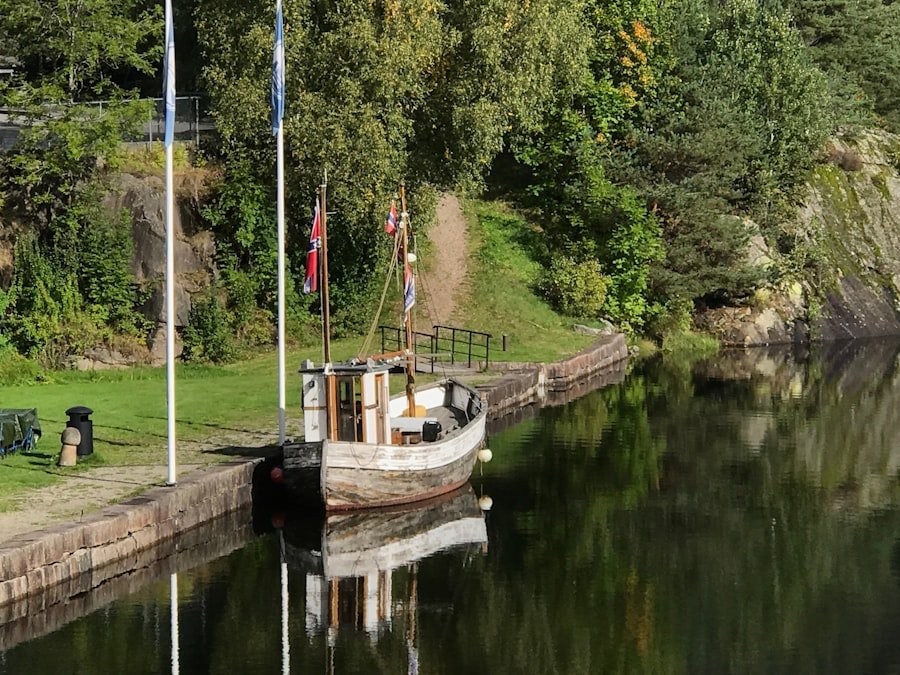
The phrase “Takk for sist!” holds significant cultural weight in Norway, reflecting the values of community and connection that are deeply ingrained in Norwegian society. Norwegians tend to prioritise relationships and social bonds, often viewing them as essential components of a fulfilling life. By using this phrase, individuals reinforce their commitment to maintaining these connections, demonstrating that they cherish the time spent with others.
Moreover, “Takk for sist!” serves as a reminder of the importance of social etiquette in Norwegian culture. It encourages individuals to be mindful of their interactions and to express appreciation for the people in their lives. This emphasis on gratitude fosters a sense of belonging and mutual respect within communities, creating an environment where individuals feel valued and acknowledged.
In this way, “Takk for sist!” transcends mere words; it embodies a cultural ethos that prioritises connection and appreciation.
How to Respond to “Takk for sist!”
Responding to “Takk for sist!” is an opportunity to further strengthen social bonds and express mutual appreciation. A common response is simply to reciprocate with another “Takk for sist!” This exchange reinforces the sentiment of gratitude and acknowledges the shared history between individuals. It is a way of saying that both parties value their previous interactions and look forward to future encounters.
In addition to repeating the phrase, one might also choose to elaborate on their response by mentioning specific memories or experiences from the last meeting. For instance, one could say, “Takk for sist! I really enjoyed our conversation about hiking last time.” This not only personalises the interaction but also demonstrates genuine interest in maintaining the relationship.
Such responses contribute to a deeper connection and encourage further dialogue, making future meetings even more meaningful.
The Etiquette of Using “Takk for sist!”
While “Takk for sist!” is generally well-received in most social contexts, there are certain etiquettes to consider when using this phrase. Firstly, it is important to ensure that the context is appropriate; using it in a formal setting where such familiarity may not be expected could come across as overly casual. Understanding the dynamics of the relationship is crucial; one should gauge whether the recipient would appreciate such an informal greeting.
Additionally, tone and body language play significant roles in conveying sincerity when using “Takk for sist!” A warm smile and eye contact can enhance the message, making it clear that the speaker genuinely values the interaction. Conversely, a lacklustre delivery may undermine the sentiment behind the phrase. Therefore, being mindful of both verbal and non-verbal cues can greatly enhance the effectiveness of this expression.
“Takk for sist!” in the Workplace

In professional settings, “Takk for sist!” can serve as an effective icebreaker or conversation starter among colleagues who may not have interacted recently. It helps to create a friendly atmosphere and fosters camaraderie within teams. By acknowledging past collaborations or meetings, employees can reinforce their connections and build rapport with one another.
However, it is essential to navigate workplace dynamics carefully when using this phrase. While it can promote a sense of unity among colleagues, it may not be suitable in all professional contexts. For instance, when addressing superiors or clients, one might opt for a more formal greeting while still expressing appreciation for previous interactions.
Striking the right balance between professionalism and warmth is key to ensuring that “Takk for sist!” is received positively in workplace environments.
“Takk for sist!” in Social Settings
In social gatherings, “Takk for sist!” takes on an even more significant role as it helps to create an atmosphere of warmth and familiarity among friends and acquaintances. Whether at parties, reunions, or casual meet-ups, using this phrase can set a positive tone for the event. It encourages attendees to reminisce about shared experiences and fosters an environment where everyone feels included.
Moreover, in larger social settings where individuals may not know each other well, “Takk for sist!” can serve as an excellent conversation starter. It provides an opportunity for people to connect over shared memories or experiences from previous gatherings. This not only enhances social interactions but also contributes to building a sense of community among attendees.
“Takk for sist!” in Family Gatherings
Family gatherings are often filled with nostalgia and cherished memories, making “Takk for sist!” particularly relevant in these contexts. When family members come together after a period apart, this phrase serves as a heartfelt acknowledgment of their shared history and familial bonds. It reinforces the idea that family connections are enduring and worth celebrating.
In family settings, using “Takk for sist!” can also prompt discussions about past events or experiences that family members have shared. This can lead to storytelling sessions where relatives reminisce about fond memories or significant milestones. Such exchanges not only strengthen familial ties but also create lasting memories that can be cherished for years to come.
The History of “Takk for sist!”
The origins of “Takk for sist!” can be traced back through Norway’s rich linguistic history, reflecting the evolution of social customs over time. As Norwegians have historically placed great emphasis on community and relationships, phrases like “Takk for sist!” have emerged as essential components of social interaction. The phrase encapsulates centuries of cultural practices centred around gratitude and connection.
Over time, as Norway has modernised and globalised, the usage of “Takk for sist!” has adapted while retaining its core meaning. Today, it continues to resonate with individuals across generations, serving as a reminder of the importance of acknowledging past interactions in both personal and professional contexts. This historical continuity underscores how language can evolve while still preserving its cultural significance.
Common Misinterpretations of “Takk for sist!”
Despite its widespread use, “Takk for sist!” can sometimes be misinterpreted by those unfamiliar with Norwegian culture or language nuances. One common misconception is that it is merely a polite formality devoid of genuine sentiment. In reality, this phrase carries deep emotional weight and reflects a sincere appreciation for past interactions.
Another misinterpretation arises from its usage in different contexts; some may assume that it is only appropriate among close friends or family members when, in fact, it can be used across various social settings. Understanding these nuances is crucial for anyone wishing to engage authentically with Norwegians and appreciate the true essence of “Takk for sist!”
Embracing “Takk for sist!” in Norwegian Culture
In conclusion, “Takk for sist!” stands as a testament to the values of gratitude and connection that permeate Norwegian culture. This simple yet profound phrase encapsulates the essence of acknowledging past interactions while fostering relationships across various contexts—be it in professional settings, social gatherings, or family reunions. By embracing this expression, individuals not only honour their connections but also contribute to a culture that prioritises community and appreciation.
As Norway continues to evolve in an increasingly globalised world, understanding phrases like “Takk for sist!” becomes essential for anyone wishing to engage meaningfully with its people. By recognising its significance and employing it thoughtfully in conversations, one can foster deeper connections and enrich their experience within Norwegian society. Ultimately, “Takk for sist!” serves as more than just words; it embodies a cultural ethos that celebrates relationships and cherishes shared moments—a sentiment that resonates universally across cultures.
Enroll in Norwegian Classes at NLS Norwegian Language School