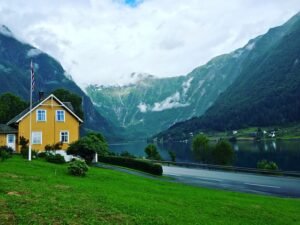

Parenting in Norway is a unique experience shaped by the country’s rich cultural heritage, progressive social policies, and a strong emphasis on family values. The Norwegian approach to raising children is often characterized by a balance between independence and support, allowing children to explore their surroundings while ensuring they have a solid foundation of love and guidance. This nurturing environment is complemented by a robust welfare system that provides parents with generous parental leave, subsidized childcare, and access to healthcare, making it easier for families to thrive.
In this context, language plays a pivotal role in parenting. For expatriates and newcomers, learning Norwegian is not just about communication; it is an essential tool for integrating into the community and fostering connections with their children. As parents navigate the challenges of raising children in a foreign land, understanding the language becomes crucial for building relationships with other parents, teachers, and caregivers.
This article will explore the significance of language skills in parenting in Norway, providing insights into common phrases, vocabulary, cultural traditions, and resources available for parents eager to embrace their new environment. Register for a Norwegian class at the NLS Norwegian Language School now! https://nlsnorwegian.no/group-norwegian-classes/
Key Takeaways
- Parenting in Norway emphasizes equality, independence, and a strong sense of community.
- Language skills are crucial for parents in Norway to effectively communicate with their children, teachers, and childcare providers.
- Learning common Norwegian phrases for parenting, such as “være forsiktig” (be careful) and “god natt” (good night), can help parents navigate everyday situations.
- Understanding Norwegian parenting styles and approaches, such as “friluftsliv” (outdoor living) and “kos” (coziness), is important for integrating into the local culture.
- Embracing bilingual parenting in Norway can provide children with the benefits of language proficiency and cultural understanding.
Importance of Language Skills for Parents in Norway
Language skills are vital for parents living in Norway, as they facilitate effective communication with their children and the surrounding community. Proficiency in Norwegian allows parents to engage more deeply with their children’s education and social interactions. It enables them to participate in school events, understand educational materials, and communicate with teachers about their child’s progress.
Moreover, being able to converse in Norwegian helps parents forge friendships with other families, creating a supportive network that can be invaluable during the parenting journey. Additionally, language skills empower parents to instill a sense of cultural identity in their children. By speaking Norwegian at home and using the language in everyday situations, parents can help their children develop a strong connection to their heritage.
This connection is essential for fostering a sense of belonging and understanding of the values and traditions that shape Norwegian society. As children grow up bilingual, they gain not only linguistic skills but also a broader perspective on the world around them.
Common Norwegian Phrases for Parenting

To navigate the daily challenges of parenting in Norway, it is helpful for parents to familiarize themselves with common Norwegian phrases that can be used in various situations. Simple expressions such as “God morgen” (Good morning) and “Takk for maten” (Thank you for the food) can set a positive tone for family interactions. When addressing children, phrases like “Vær så snill” (Please) and “Takk” (Thank you) are essential for teaching manners and respect.
Moreover, parents can use phrases that encourage positive behavior and emotional expression. For instance, “Bra jobba!” (Good job!) can be used to praise children for their efforts, while “Hvordan føler du deg?” (How do you feel?) encourages open communication about emotions. By incorporating these phrases into daily conversations, parents not only enhance their language skills but also create an environment where children feel valued and understood.
Vocabulary for Everyday Parenting Situations
Building a vocabulary tailored to everyday parenting situations is crucial for effective communication in Norwegian. Parents should focus on words related to daily routines, such as “frokost” (breakfast), “lekse” (homework), and “leggetid” (bedtime). Understanding these terms allows parents to guide their children through daily activities with ease.
In addition to routine vocabulary, it is beneficial to learn words related to emotions and social interactions. Terms like “glad” (happy), “trist” (sad), and “venn” (friend) can help parents discuss feelings with their children and encourage emotional intelligence. By equipping themselves with relevant vocabulary, parents can foster meaningful conversations that support their children’s development.
Norwegian Children’s Songs and Rhymes
Music and rhymes are integral parts of Norwegian culture and play a significant role in children’s development. Singing traditional children’s songs not only entertains but also aids language acquisition. Songs like “Bæ bæ lille lam” (Baa Baa Black Sheep) and “Lille Petter Edderkopp” (Little Peter Spider) are popular among young children and provide an enjoyable way for parents to practice Norwegian.
Incorporating these songs into daily routines can enhance bonding between parents and children while reinforcing language skills. Singing together during playtime or bedtime creates a joyful atmosphere that encourages language learning through repetition and melody. Furthermore, these songs often carry cultural significance, allowing parents to share Norwegian traditions with their children in an engaging manner.
Teaching Norwegian Culture and Traditions to Children

Understanding and sharing Norwegian culture with children is an essential aspect of parenting in Norway. Parents can introduce their children to traditional holidays such as “17. mai” (Norwegian Constitution Day) or “Jul” (Christmas) by explaining the significance of these celebrations and involving them in related activities.
For instance, participating in parades or baking traditional holiday treats fosters a sense of belonging and pride in their heritage. Moreover, storytelling is a powerful tool for imparting cultural knowledge. Parents can share folktales or legends that reflect Norwegian values and history, helping children develop an appreciation for their roots.
By weaving cultural lessons into everyday life, parents not only enrich their children’s understanding of Norway but also strengthen family bonds through shared experiences.
Communicating with Teachers and Childcare Providers in Norwegian
Effective communication with teachers and childcare providers is crucial for ensuring a child’s success in school and social settings. Parents who speak Norwegian can engage more meaningfully with educators, discussing their child’s progress, addressing concerns, or seeking advice on developmental issues. This open line of communication fosters collaboration between home and school, ultimately benefiting the child’s educational experience.
For those still learning the language, it is helpful to prepare specific questions or topics in advance before meetings or conversations with teachers. Phrases like “Hvordan går det med barnet mitt?” (How is my child doing?) or “Hva kan jeg gjøre for å hjelpe?” (What can I do to help?) can facilitate productive discussions. By actively participating in their child’s education, parents demonstrate their commitment to supporting their child’s growth while enhancing their own language skills.
Understanding Norwegian Parenting Styles and Approaches
Norwegian parenting styles often emphasize independence, equality, and respect for children’s autonomy. Parents are encouraged to allow their children to explore their surroundings while providing guidance when necessary. This approach fosters self-confidence and resilience as children learn to navigate challenges on their own.
Moreover, the concept of “friluftsliv,” or outdoor living, is deeply ingrained in Norwegian culture. Parents are encouraged to expose their children to nature from an early age, promoting physical activity and a connection to the environment. Understanding these cultural nuances helps expatriate parents adapt their parenting styles to align with local practices while still incorporating their own values.
Resources for Learning Norwegian as a Parent
For parents eager to improve their Norwegian language skills, numerous resources are available to facilitate learning. Language schools such as the NLS Norwegian Language School in Oslo offer structured courses tailored specifically for adults looking to enhance their proficiency. These courses provide a supportive environment where parents can practice speaking, listening, reading, and writing in Norwegian while connecting with other learners.
Additionally, online platforms and mobile applications offer flexible options for learning on-the-go. Websites like Duolingo or Babbel provide interactive lessons that cater to various skill levels. Local libraries often host language exchange programs or conversation groups where parents can practice speaking with native speakers in a relaxed setting.
By utilizing these resources, parents can enhance their language skills while balancing the demands of parenting.
Benefits of Bilingual Parenting in Norway
Bilingual parenting offers numerous advantages for families living in Norway. Children raised in bilingual environments often exhibit enhanced cognitive abilities, including improved problem-solving skills and creativity. They also tend to develop greater cultural awareness and empathy as they navigate multiple languages and cultures.
Furthermore, being bilingual opens doors for future opportunities in education and employment. In an increasingly globalized world, proficiency in multiple languages is a valuable asset that can set children apart in competitive job markets. By embracing bilingualism from an early age, parents equip their children with essential skills that will serve them well throughout their lives.
Embracing Language and Culture in Norwegian Parenting
In conclusion, parenting in Norway presents unique opportunities for families to embrace language and culture while fostering strong connections within the community. By prioritizing language skills, parents can enhance communication with their children, educators, and peers while instilling a sense of cultural identity that enriches their children’s lives. Through everyday interactions, songs, storytelling, and participation in cultural traditions, parents can create a nurturing environment that celebrates both Norwegian heritage and the diverse backgrounds of families living in Norway.
As they navigate the challenges of parenting in a foreign land, embracing language learning becomes not just a necessity but a rewarding journey that strengthens family bonds and fosters a sense of belonging within the vibrant tapestry of Norwegian society.
Register for a Norwegian class at the NLS Norwegian Language School now!