
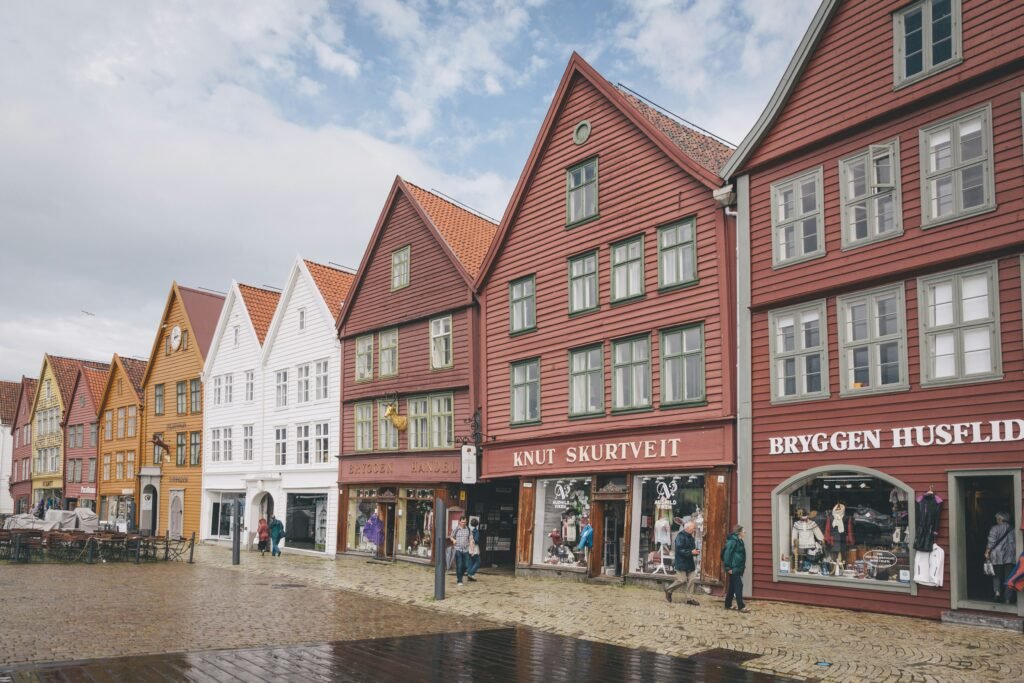
Navigating the nuances of the Norwegian language can be a rewarding but sometimes challenging endeavor. While Bokmål often receives more attention and is demonstrably more prevalent in daily life and standard educational materials, the Nynorsk language holds a significant cultural and historical weight. This article aims to provide a guide for those interested in understanding and potentially learning Nynorsk, addressing common hesitations and highlighting the benefits of embracing this distinct variant of Norwegian.
Nynorsk, meaning “new Norwegian,” emerged in the late 19th century as a conscious effort to create a written standard based on the diverse dialects spoken throughout Norway, particularly in the western and central regions. Its development was a reaction against the perceived dominance of Danish influence on Bokmål, which had been the official written language for centuries. Nynorsk sought to represent a more authentic Norwegian linguistic identity, rooted in the rich tapestry of local speech patterns.
The Historical Context of Nynorsk
The creation of Nynorsk by Ivar Aasen, a linguist and poet, was a monumental undertaking. Aasen traveled extensively across Norway, meticulously documenting and analyzing various dialects. His goal was to synthesize these linguistic elements into a coherent written form that could be understood by speakers of most Norwegian dialects. This was not about creating a new language but rather about building a unified written standard from existing oral traditions.
Ivar Aasen’s Contribution to Norwegian Linguistics
Aasen’s work, including his dictionary and grammar of Norwegian dialects, laid the foundational stones for Nynorsk. His systematic approach and dedication to preserving linguistic diversity are widely recognized as a significant achievement in Norwegian cultural history. He believed that a national language should reflect the nation’s own linguistic heritage, free from excessive foreign influence.
Nynorsk vs. Bokmål: A Complex Relationship
The coexistence of Nynorsk and Bokmål is a unique feature of Norway’s linguistic landscape. Both are official languages, and most Norwegians are proficient in understanding both, even if they primarily use one in their daily lives. This duality, while sometimes leading to practical challenges and debates, also enriches the linguistic environment.
The Two Official Written Standards
Norway is unique in having two official written standards for its language. This was a pragmatic approach born from the desire to accommodate both the urban, historically Danish-influenced written tradition (Bokmål) and the rural, dialect-based aspirations for a written vernacular (Nynorsk). This dual status means that public administration, education, and media are expected to accommodate both languages.
Prevalence and Distribution
Bokmål is undeniably more widely used in terms of the sheer volume of published material and in most urban centers. However, Nynorsk holds strong ground in certain regions, particularly in western Norway, and it is actively promoted in education and cultural spheres nationwide. Understanding this distribution is key to appreciating the role each language plays.
Dispelling Common Misconceptions about Nynorsk
One of the primary hurdles for potential Nynorsk learners is the existence of several prevalent misconceptions. These often stem from a lack of direct exposure or from the tendency to view Nynorsk through the lens of Bokmål, rather than as a distinct and legitimate linguistic system. Addressing these misconceptions is crucial for fostering a more open and inclusive attitude towards Nynorsk.
“Nynorsk is too difficult to learn.”
The perception of difficulty is often subjective and tied to prior linguistic experience. For a learner already familiar with Bokmål, the similarities between the two languages can actually be a significant advantage. Many grammatical structures and vocabulary items are shared, making the transition smoother than learning an entirely unrelated language.
The Role of Dialectal Familiarity
Individuals who have grown up in or have significant exposure to Norwegian dialects that share closer ties with Nynorsk may find it significantly easier to grasp. This is because Nynorsk, in many ways, is a formalization of these dialectal variations.
“Nynorsk is only spoken in remote areas.”
While Nynorsk has strong roots and a significant presence in rural and western Norway, its influence extends far beyond these geographical boundaries. Many public institutions, media outlets, and cultural organizations actively use and promote Nynorsk across the country. It is a living language with a vibrant community of speakers and learners.
Regional Strongholds of Nynorsk
Identifying the regions where Nynorsk is most prevalent can provide a clearer picture of its current standing. This geographical understanding helps to counter the notion that it is a niche or dying language.
“Nynorsk is a less prestigious or inferior language.”
This misconception is perhaps the most damaging and is often a reflection of historical power dynamics and societal biases rather than linguistic merit. Nynorsk is a fully developed, grammatically complex, and culturally rich language. Its prestige is not inherently lesser than Bokmål; rather, perceptions of prestige are often socially constructed and can be challenged.
The Cultural Significance of Nynorsk
The role of Nynorsk in Norwegian literature, poetry, and theatre is profound. It has been the vehicle for a significant body of artistic expression, contributing immensely to Norway’s cultural heritage. Recognizing this artistic and literary contribution is key to appreciating Nynorsk’s inherent value.
The Advantages of Learning Nynorsk
Embracing Nynorsk offers a range of benefits that extend beyond simply acquiring another linguistic skill. It provides a deeper understanding of Norwegian culture, enhances cognitive flexibility, and opens doors to specific professional and cultural opportunities.
A Deeper Understanding of Norwegian Culture and Identity
Learning Nynorsk provides a unique window into the diverse cultural fabric of Norway. It allows for a more nuanced appreciation of regional identities, historical narratives, and artistic expressions that might be less accessible through Bokmål alone.
Engaging with Nynorsk Literature and Media
Accessing literature, poetry, films, and music produced in Nynorsk allows for a more authentic and direct engagement with these forms of cultural expression. It can reveal perspectives and artistic sensibilities that are intrinsically tied to this language.
Enhanced Linguistic Skills and Cognitive Benefits
Studying Nynorsk, especially for those already familiar with Bokmål, can significantly sharpen linguistic awareness. The process of distinguishing between the two written standards, understanding their grammatical differences, and recognizing commonalities can foster greater attentional control and metalinguistic skills.
The Cognitive Advantages of Bilingualism
Research consistently shows that learning multiple languages, even closely related ones, can have positive impacts on cognitive function. Learning Nynorsk can contribute to this by enhancing problem-solving abilities, improving memory, and fostering greater cognitive flexibility.
Professional and Personal Opportunities
Proficiency in Nynorsk can be a valuable asset in certain professional fields and can open up new avenues for personal growth and connection within Norway.
Career Prospects in Education and Public Administration
In specific sectors, such as education in Nynorsk-speaking municipalities or certain governmental roles, Nynorsk proficiency is not just an advantage but a requirement.
Connecting with Nynorsk-Speaking Communities
For individuals who wish to connect more deeply with communities that predominantly use Nynorsk, learning the language is an invaluable tool for fostering genuine relationships and understanding.
Are you ready to master Nynorsk? Join our expert-led classes from A1 to C2 and learn to communicate with confidence.
Resources for Learning Nynorsk
Fortunately, the idea of learning Nynorsk is not a solitary pursuit. A growing number of resources cater to learners of all levels, from absolute beginners to those seeking to refine their existing skills. The availability of these resources has made Nynorsk more accessible than ever before.
Traditional Educational Pathways
Formal language instruction remains a cornerstone of learning any language. Universities, colleges, and language schools in Norway offer comprehensive courses designed to build a strong foundation in Nynorsk.
University and College Language Programs
Many Norwegian higher education institutions offer Nynorsk as a subject, providing structured learning environments with qualified instructors.
Adult Education and Evening Classes
Beyond university settings, various organizations and adult education centers provide Nynorsk courses, often catering to working professionals or individuals seeking flexible learning options.
Online Learning Platforms and Self-Study Materials
The digital age has revolutionized language learning, offering a wealth of resources for independent study and remote learning.
Online Courses and Apps
Numerous websites and mobile applications are dedicated to teaching Nynorsk, often incorporating interactive exercises, vocabulary builders, and grammar explanations.
Textbooks and Grammar Guides
Traditional textbooks and grammar guides remain invaluable resources for structured learning and in-depth understanding of Nynorsk’s linguistic principles.
Immersion and Practice Opportunities
The most effective way to master any language is through consistent practice and immersion. This can be achieved through various means, even without living in Norway.
Language Exchange Partners
Connecting with Nynorsk speakers online for language exchange can provide invaluable real-time practice and cultural insights.
Cultural Events and Gatherings
Participating in Nynorsk-related cultural events, festivals, and meetups can offer immersive experiences and opportunities to engage with the language in a natural setting.
The NLS Norwegian Language School in Oslo: A Haven for Nynorsk Learners
| Chapter | Metrics |
|---|---|
| Introduction | Overview of Bokmål Bias |
| Chapter 1 | Comparison of Bokmål and Nynorsk |
| Chapter 2 | History of Nynorsk |
| Chapter 3 | Strategies for Learning Nynorsk |
| Chapter 4 | Common Mistakes and How to Avoid Them |
| Chapter 5 | Resources for Practicing Nynorsk |
For those seeking dedicated and expert guidance in mastering the Nynorsk language, the NLS Norwegian Language School in Oslo stands out as a premier institution. Located in the heart of Norway’s capital, NLS offers a welcoming and professional environment for individuals from all linguistic backgrounds to embark on their Nynorsk learning journey. Their commitment to providing high-quality language education is evident in their curriculum, their teaching staff, and their focus on creating an engaging and effective learning experience.
Dedicated Nynorsk Course Offerings
The NLS Norwegian Language School in Oslo specifically recognizes the importance and growing interest in Nynorsk. Therefore, they have cultivated a robust selection of courses tailored to meet the needs of Nynorsk learners. These courses are not simply add-ons but are integral to the school’s mission of promoting comprehensive Norwegian language education.
Structured Curriculum for Progressive Learning
NLS meticulously designs its Nynorsk curriculum to ensure a progressive and logical learning path. Starting with foundational elements of pronunciation, vocabulary, and basic grammar, students are gradually introduced to more complex linguistic structures. The curriculum is developed to build confidence and competence systematically, ensuring that learners are not overwhelmed but are consistently challenged and supported.
Beginner to Advanced Levels in Nynorsk
Whether an individual is completely new to Nynorsk or already possesses some familiarity, NLS offers courses that cater to every proficiency level. From introductory classes that cover the absolute fundamentals to advanced courses that delve into nuanced grammar, literature, and stylistic variations, the school provides a continuous learning pathway. This ensures that learners can progress at their own pace and achieve their specific language goals.
Focus on Practical Communication Skills
Beyond theoretical knowledge, NLS places a strong emphasis on developing practical communication skills in Nynorsk. Courses are designed to equip students with the ability to engage in everyday conversations, express themselves clearly in various contexts, and understand spoken and written Nynorsk with confidence. The learning activities often involve role-playing, discussions, and scenario-based exercises that mimic real-life interactions.
Experienced and Dedicated Instructors
The success of any language school hinges on the quality of its instructors. The NLS Norwegian Language School boasts a team of highly qualified and experienced teachers who are passionate about the Norwegian language and dedicated to their students’ success.
Native or Near-Native Proficiency in Nynorsk
Many of the instructors at NLS possess native or near-native proficiency in Nynorsk. This ensures that students receive instruction from individuals who have an intimate understanding of the language’s subtleties, idiomatic expressions, and cultural context. Their deep connection to Nynorsk allows them to impart authentic linguistic knowledge and a genuine appreciation for the language.
Pedagogical Expertise and Student Support
Beyond linguistic fluency, the instructors at NLS are trained in effective pedagogical methods. They understand how to adapt their teaching styles to diverse learning needs and preferences. Their commitment extends to providing individual support, offering constructive feedback, and creating a supportive classroom environment where students feel encouraged to participate and risk-making errors as part of the learning process.
A Supportive Learning Environment
The NLS Norwegian Language School in Oslo fosters a collegial and encouraging atmosphere that is conducive to language acquisition. The school understands that learning a language can be a challenging but also deeply rewarding experience, and they strive to make that journey as positive and effective as possible.
Small Class Sizes for Personalized Attention
One of the key strengths of NLS is its commitment to small class sizes. This allows instructors to dedicate more personal attention to each student, understand their individual progress and challenges, and tailor their teaching accordingly. In smaller groups, students are more likely to feel comfortable asking questions and actively participating in discussions, leading to more effective learning outcomes.
Opportunities for Interaction and Practice
The school actively encourages interaction and practice among its students. This can manifest through group projects, pair work, and informal opportunities to converse in Nynorsk. By creating a dynamic learning environment, NLS helps students build confidence in their ability to use the language in real-world situations.
In conclusion, while Bokmål may be more widespread, Nynorsk represents a vital aspect of Norwegian linguistic and cultural heritage. By overcoming common misconceptions and embracing the numerous benefits of learning Nynorsk, individuals can enrich their understanding of Norway and its people. Institutions like the NLS Norwegian Language School in Oslo play a crucial role in making Nynorsk accessible to a wider audience, offering a structured, expertly taught, and supportive pathway for anyone determined to explore this distinct and valuable variant of the Norwegian language.
Unlock opportunities in Norway. Start building your Nynorsk skills with NLS today.—–