
In the heart of Norway, a unique concept permeates the fabric of everyday life, encapsulating the essence of comfort, warmth, and togetherness. This concept is known as ‘koselig’, a term that transcends mere translation and embodies a way of living that is deeply rooted in Norwegian culture. To understand ‘koselig’ is to grasp the nuances of Norwegian identity, where the simple pleasures of life are celebrated and cherished.
It is not merely about physical comfort; it is an emotional state that fosters connection, contentment, and a sense of belonging. The importance of ‘koselig’ in Norwegian culture cannot be overstated. It serves as a guiding principle that influences social interactions, home environments, and even seasonal celebrations.
In a country where long winters can often lead to isolation, ‘koselig’ acts as a remedy, encouraging people to come together and create warmth in both their homes and communities. As we delve deeper into this enchanting concept, we will explore its definition, its manifestations in daily life, and the profound impact it has on the Norwegian way of living. The NLS Norwegian Language School offers comprehensive courses for all levels. Register today to get started.
Summary
- ‘Koselig’ is a fundamental aspect of Norwegian culture, representing the concept of coziness, comfort, and contentment.
- The term ‘Koselig’ encompasses a feeling of warmth, intimacy, and relaxation, often associated with creating a welcoming and snug atmosphere.
- Norwegians incorporate ‘Koselig’ into their daily lives through various activities such as lighting candles, enjoying warm drinks, and spending quality time with loved ones.
- Embracing ‘Koselig’ in your home can be achieved through simple tips such as using soft lighting, adding comfortable furnishings, and creating a relaxing ambiance.
- ‘Koselig’ extends beyond the home, as Norwegians also embrace coziness in social settings, nature, traditions, and celebrations, contributing to their overall well-being and happiness.
The Definition and Meaning of ‘Koselig’
At its core, ‘koselig’ is often translated as ‘cosy’, but this English equivalent barely scratches the surface of its true meaning. The term encompasses a wide array of feelings and experiences that evoke warmth, comfort, and intimacy. It is an invitation to slow down, appreciate the moment, and find joy in the simple things.
Whether it’s the glow of candlelight on a winter’s evening or the laughter shared among friends over a warm meal, ‘koselig’ captures the essence of these experiences. The beauty of ‘koselig’ lies in its versatility; it can be applied to various aspects of life. It can describe a snug evening spent indoors with loved ones, a delightful gathering around a bonfire under the stars, or even the serene beauty of a snow-covered landscape.
In essence, ‘koselig’ is about creating an atmosphere that nurtures connection and comfort, making it an integral part of the Norwegian lifestyle. This multifaceted nature of ‘koselig’ allows it to resonate with people on different levels, making it a universal concept that transcends cultural boundaries.
The Various Ways ‘Koselig’ is Used in Everyday Norwegian Life

In everyday Norwegian life, ‘koselig’ manifests in numerous ways, shaping routines and interactions. One of the most common expressions of ‘koselig’ can be found in the home environment. Norwegians often prioritise creating spaces that are warm and inviting, filled with soft textiles, warm lighting, and personal touches that reflect their personalities.
A typical Norwegian living room might feature plush blankets draped over sofas, candles flickering on tables, and family photographs adorning the walls—each element contributing to an atmosphere that encourages relaxation and connection. Moreover, ‘koselig’ extends beyond the confines of one’s home; it permeates social gatherings and community events. Whether it’s a casual get-together with friends or a festive celebration with family, Norwegians embrace opportunities to foster connection through shared experiences.
Food plays a significant role in these gatherings, with traditional dishes served to create a sense of nostalgia and belonging. The act of sharing meals is often accompanied by laughter and storytelling, reinforcing the bonds between individuals and creating lasting memories steeped in ‘koselig’.
Creating a ‘Koselig’ Atmosphere: Tips for Embracing the Concept in Your Home
To cultivate a ‘koselig’ atmosphere in your own home, one must focus on creating spaces that evoke warmth and comfort. Start by incorporating soft lighting; candles are particularly effective in setting a tranquil mood. The gentle flicker of candlelight not only illuminates a room but also creates an intimate ambiance that invites relaxation.
Additionally, consider using warm colour palettes—earthy tones like deep reds, soft browns, and muted greens can enhance the feeling of coziness. Textiles also play a crucial role in achieving ‘koselig’. Layering soft blankets and cushions can transform any space into a snug retreat.
Opt for natural materials such as wool or cotton to add texture and warmth. Furthermore, personal touches such as family heirlooms or handmade decorations can infuse your home with character and history, making it feel uniquely yours. By thoughtfully curating your environment with these elements, you can create a haven that embodies the spirit of ‘koselig’.
‘Koselig’ in Social Settings: How Norwegians Embrace Coziness with Others
In social settings, ‘koselig’ takes on an even more vibrant form as Norwegians gather to celebrate life’s moments together. The act of coming together with friends or family is often marked by shared meals, laughter, and heartfelt conversations. Norwegians have mastered the art of hosting gatherings that prioritise comfort and connection; whether it’s a casual coffee catch-up or a festive holiday feast, the focus remains on creating an inviting atmosphere.
One popular tradition is ‘hyggekos’, which combines elements of ‘hygge’ from Denmark with ‘koselig’. This concept encourages people to embrace simplicity and togetherness through shared experiences. For instance, during winter months, friends might gather for ‘gløgg’ (a spiced mulled wine) while enjoying homemade pastries by the fireplace.
These moments are cherished not only for the food but for the connections forged through shared experiences. In this way, ‘koselig’ becomes a celebration of community and togetherness that enriches Norwegian social life.
The Role of ‘Koselig’ in Norwegian Traditions and Celebrations
Throughout Norway’s rich tapestry of traditions and celebrations, ‘koselig’ plays an essential role in enhancing the experience. During festive occasions such as Christmas (Jul), Norwegians embrace ‘koselig’ by decorating their homes with lights, ornaments, and candles that create a warm glow against the winter darkness. Families gather to bake traditional cookies like pepperkaker (gingerbread) and enjoy each other’s company while reminiscing about past celebrations.
Similarly, during Midsummer (Sankthans), Norwegians celebrate with bonfires and outdoor gatherings that embody the spirit of ‘koselig’. Friends and families come together to enjoy barbecues under the midnight sun, sharing stories and laughter as they revel in the beauty of nature. These traditions not only highlight the importance of ‘koselig’ but also reinforce community bonds that are vital to Norwegian culture.
‘Koselig’ in Nature: Embracing the Outdoors and Finding Comfort in the Environment
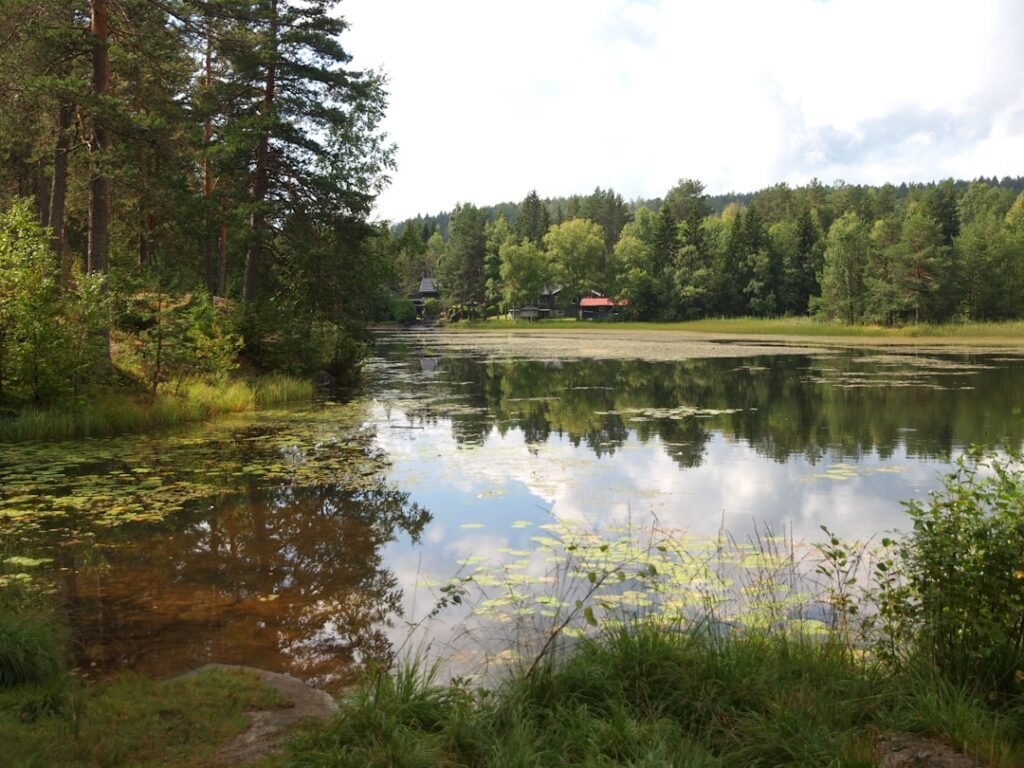
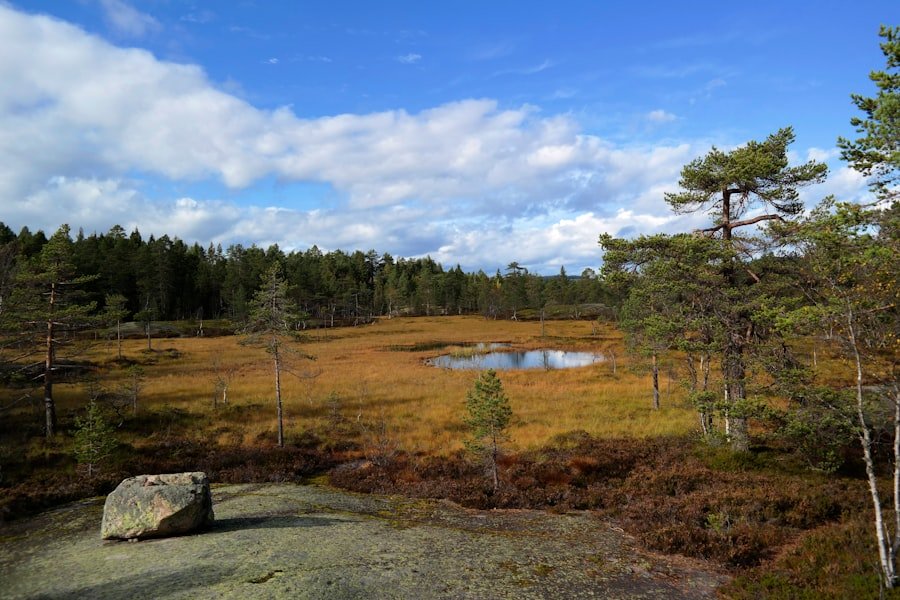
Norwegians have a profound appreciation for nature, which is intricately linked to the concept of ‘koselig’. The stunning landscapes—from majestic fjords to serene forests—offer countless opportunities for outdoor activities that foster connection with both nature and one another. Hiking through lush trails or enjoying a picnic by a tranquil lake can evoke feelings of peace and contentment that align perfectly with the essence of ‘koselig’.
Moreover, embracing nature during colder months can also be an opportunity for ‘koselig’. Activities such as skiing or ice skating are often followed by warming up indoors with hot cocoa or traditional Norwegian dishes like lapskaus (stew). This interplay between outdoor adventures and indoor comfort exemplifies how Norwegians find joy in both nature and community while embracing the spirit of ‘koselig’.
The Psychological and Emotional Benefits of Embracing ‘Koselig’ in Daily Life
Embracing ‘koselig’ offers numerous psychological and emotional benefits that contribute to overall well-being. The emphasis on creating warm environments fosters feelings of safety and security—essential components for mental health. When individuals prioritise comfort in their surroundings and relationships, they are more likely to experience reduced stress levels and increased happiness.
Furthermore, engaging in ‘koselig’ activities encourages mindfulness—a practice that has been shown to enhance emotional resilience. By focusing on simple pleasures such as enjoying a warm drink or spending quality time with loved ones, individuals can cultivate gratitude and appreciation for life’s small moments. This shift in perspective not only enhances personal well-being but also strengthens social bonds within communities.
How to Incorporate ‘Koselig’ into Your Daily Routine
Incorporating ‘koselig’ into your daily routine can be both simple and rewarding. Start by carving out time for yourself each day to engage in activities that bring you joy—whether it’s reading by the fireplace or taking a leisurely walk in nature. Establishing these moments allows you to reconnect with yourself while embracing the essence of comfort.
Additionally, consider inviting friends or family over for regular gatherings centred around shared meals or activities. Creating traditions—such as Sunday brunches or movie nights—can foster deeper connections while reinforcing the spirit of ‘koselig’. By intentionally weaving these practices into your life, you can cultivate an environment that nurtures warmth and connection.
Exploring the Similarities and Differences between ‘Koselig’ and Other Cozy Concepts from Around the World
While ‘koselig’ is uniquely Norwegian, it shares similarities with other cozy concepts from around the globe. For instance, Denmark’s ‘hygge’ emphasises comfort through simple pleasures like candlelit dinners or warm blankets—much like ‘koselig’. Similarly, Japan’s ‘komorebi’ celebrates the beauty of sunlight filtering through trees, evoking feelings of peace akin to those found in nature-inspired ‘koselig’ experiences.
However, there are distinct differences as well; while ‘hygge’ often focuses on individual enjoyment within personal spaces, ‘koselig’ places greater emphasis on communal experiences and connections with others. This communal aspect is deeply ingrained in Norwegian culture, where social gatherings are integral to fostering relationships and creating lasting memories.
Embracing ‘Koselig’ and Its Importance in Creating a Happy and Fulfilling Life
In conclusion, embracing ‘koselig’ offers invaluable insights into creating a happy and fulfilling life rooted in comfort, connection, and appreciation for simplicity. This enchanting concept serves as a reminder to slow down amidst life’s chaos and cherish moments spent with loved ones—whether indoors or outdoors. By cultivating environments that nurture warmth and fostering relationships built on shared experiences, individuals can enrich their lives while contributing to stronger communities.
For those looking to deepen their understanding of Norwegian culture—and perhaps even learn the language—consider enrolling in courses at the NLS Norwegian Language School in Oslo. These courses not only provide language skills but also immerse students in cultural nuances like ‘koselig’, allowing them to fully embrace this beautiful aspect of Norwegian life. By learning about ‘koselig’ through language education at NLS, you can embark on a journey towards understanding what makes Norway truly special while enriching your own life with its warmth and charm.
Start your Norwegian language journey with Oslo’s leading school.