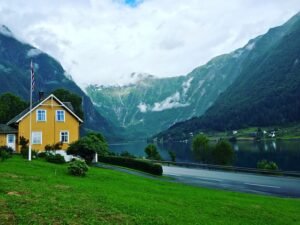
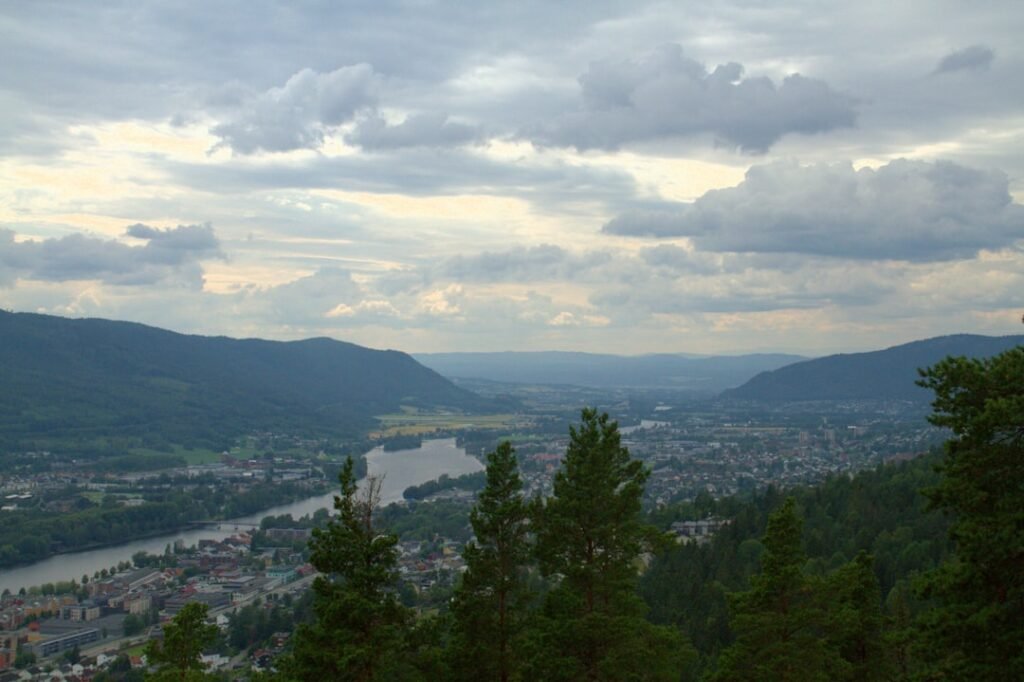
Norwegian culture is a rich tapestry woven from centuries of history, tradition, and a deep connection to nature. Nestled in the heart of Scandinavia, Norway boasts stunning landscapes, from majestic fjords to serene forests, which have profoundly influenced its people and their way of life. The Norwegians are known for their strong sense of community, egalitarian values, and a lifestyle that often prioritises simplicity and sustainability.
This cultural backdrop shapes the way Norwegians interact with one another, particularly in the realm of expressing gratitude. Understanding the nuances of gratitude in Norwegian culture is essential for anyone looking to engage meaningfully with the locals. Gratitude is not merely a polite gesture; it reflects a deeper appreciation for relationships and shared experiences.
In Norway, saying thank you is an integral part of social interactions, and it is often accompanied by a genuine warmth that underscores the importance of kindness and respect in everyday life. As we delve into the various ways to express gratitude in Norwegian, we will uncover the significance of these expressions within the broader context of Norwegian culture. The NLS Norwegian Language School offers comprehensive courses for all levels. Register today to get started.
Summary
- Norwegian culture places a strong emphasis on gratitude and showing appreciation in various social and professional situations.
- Basic Norwegian expressions of gratitude include “takk” (thank you) and “tusen takk” (a thousand thanks), which are commonly used in informal settings.
- Formal ways to say thank you in Norwegian include “takk skal du ha” (thank you shall you have) and “tusen takk skal du ha” (a thousand thanks shall you have).
- Expressing thanks in different situations, such as receiving a gift or gesture, can be done with phrases like “takk for gaven” (thank you for the gift) or “takk for gesten” (thank you for the gesture).
- When thanking someone for a meal or hospitality, Norwegians often use phrases like “takk for maten” (thank you for the food) or “takk for gjestfriheten” (thank you for the hospitality).
Basic Norwegian Expressions of Gratitude
At the heart of expressing gratitude in Norwegian lies the simple yet powerful phrase “takk,” which translates directly to “thank you.” This word serves as the foundation for various expressions of appreciation and is widely used in both casual and formal settings. The beauty of “takk” lies in its versatility; it can be employed in numerous contexts, making it an essential part of everyday conversation. Whether you are thanking a friend for their help or acknowledging a stranger’s kindness, “takk” is always appropriate.
In addition to “takk,” there are other expressions that can enhance your gratitude. For instance, “tusen takk” translates to “a thousand thanks” and conveys a deeper level of appreciation. This phrase is often used when someone has gone above and beyond to assist you or when you want to express heartfelt thanks.
Another variation is “takk skal du ha,” which means “thank you very much” and is commonly used in more formal situations. These expressions not only enrich your vocabulary but also demonstrate your willingness to engage with the language and culture on a deeper level.
Formal and Informal Ways to Say Thank You in Norwegian
When navigating social interactions in Norway, it is crucial to understand the distinction between formal and informal expressions of gratitude. In informal settings, among friends or family, “takk” suffices for most occasions. However, when addressing someone in a more formal context—such as a colleague, superior, or elder—using “takk” alongside additional phrases can convey respect and appreciation.
For instance, in a professional environment, you might say “takk for hjelpen,” meaning “thank you for your help.” This phrase acknowledges the specific assistance provided and adds a layer of sincerity to your gratitude. In more formal situations, such as business meetings or official events, you may opt for “jeg setter stor pris på det,” which translates to “I greatly appreciate it.” This expression not only conveys thanks but also highlights the value you place on the person’s contribution or effort.
Expressing Thanks in Different Situations
The context in which gratitude is expressed can significantly influence the choice of words used. In everyday situations, such as receiving assistance from a shopkeeper or a stranger holding the door open, a simple “takk” is often sufficient. However, when expressing gratitude for more significant gestures or favours, it is essential to tailor your response accordingly.
For example, if someone has taken the time to help you with a project or provided valuable advice, you might say “jeg er veldig takknemlig for hjelpen din,” which means “I am very grateful for your help.” This phrase not only acknowledges their assistance but also conveys a sense of personal connection and appreciation. Similarly, when thanking someone for their time or effort in a more formal setting, using phrases like “jeg setter pris på at du tok deg tid” (I appreciate that you took the time) can enhance your expression of gratitude.
Gratitude for Gifts and Gestures
In Norwegian culture, receiving gifts or thoughtful gestures warrants a special expression of thanks. When someone presents you with a gift, it is customary to acknowledge their kindness with genuine appreciation. A simple “takk for gaven” (thank you for the gift) suffices in most cases; however, elaborating on your gratitude can make your response even more meaningful.
For instance, if you receive a gift that holds particular significance or reflects your interests, you might say “takk så mye for gaven! Jeg elsker den!” which translates to “thank you so much for the gift! I love it!” This not only expresses your gratitude but also reinforces the bond between you and the giver by acknowledging their thoughtfulness.
In situations where someone has made an effort to organise an event or celebration on your behalf, saying “jeg setter stor pris på alt arbeidet du har lagt ned” (I greatly appreciate all the work you have put in) can further convey your heartfelt thanks.
Thanking Someone for a Meal or Hospitality
In Norway, hospitality is highly valued, and expressing gratitude for a meal or invitation is an essential part of social etiquette. When dining at someone’s home or being treated to a meal at a restaurant, it is customary to thank your host or the person who invited you. A simple “takk for maten” (thank you for the food) is often used after finishing a meal, acknowledging the effort that went into preparing it.
If you wish to express deeper appreciation for the hospitality shown during your visit, consider saying “det var en fantastisk middag” (it was a fantastic dinner) or “jeg hadde en veldig hyggelig kveld” (I had a very pleasant evening). These phrases not only convey gratitude but also highlight your enjoyment of the experience. In more formal settings, such as business dinners or events, expressing thanks with phrases like “takk for invitasjonen” (thank you for the invitation) can further demonstrate your appreciation for being included in the gathering.
Showing Appreciation in the Workplace
In professional environments, expressing gratitude can foster positive relationships and enhance teamwork. Acknowledging colleagues’ efforts and contributions is vital for creating a supportive workplace culture. Simple phrases like “takk for hjelpen med prosjektet” (thank you for your help with the project) can go a long way in building rapport among team members.
Moreover, recognising someone’s hard work during meetings or presentations can be particularly impactful. Phrases such as “jeg vil gjerne takke deg for ditt engasjement” (I would like to thank you for your commitment) not only express gratitude but also motivate others by highlighting their contributions. In Norway’s egalitarian work culture, showing appreciation fosters collaboration and encourages open communication among colleagues.
Responding to Thanks in Norwegian
Understanding how to respond when someone expresses gratitude towards you is equally important as knowing how to say thank you. In Norwegian culture, responses are often modest and reflect humility. A common reply to “takk” is simply “vær så god,” which translates to “you’re welcome.” This phrase conveys that you are happy to have helped and encourages further interaction.
In situations where someone expresses deeper gratitude, such as after receiving significant assistance or support, responding with “det var ingenting” (it was nothing) or “jeg gjorde bare det jeg kunne” (I just did what I could) can further emphasise your willingness to help without seeking recognition. These responses reflect the Norwegian value of modesty while reinforcing positive social connections.
Other Ways to Express Gratitude in Norwegian
Beyond verbal expressions of thanks, there are various non-verbal ways to convey gratitude in Norwegian culture. A warm smile or a nod can accompany your words and enhance the sincerity of your appreciation. Additionally, small gestures such as sending a thank-you card or message after receiving help or hospitality can leave a lasting impression.
In more informal settings, offering to reciprocate by inviting someone out for coffee or lunch can also serve as an expression of gratitude. Phrases like “la oss ta en kaffe snart” (let’s grab a coffee soon) indicate that you value their kindness and wish to maintain the relationship. These gestures reinforce social bonds and demonstrate that gratitude extends beyond mere words.
Cultural Significance of Gratitude in Norway
Gratitude holds significant cultural importance in Norway, reflecting broader societal values such as community spirit and mutual respect. The act of expressing thanks fosters connections among individuals and reinforces social cohesion within communities. Norwegians often view gratitude as an essential aspect of maintaining harmonious relationships, whether among friends, family members, or colleagues.
Moreover, gratitude is intertwined with Norway’s strong emphasis on egalitarianism. By acknowledging others’ contributions and efforts through expressions of thanks, individuals contribute to an environment where everyone feels valued and respected. This cultural significance underscores why learning how to express gratitude effectively is vital for anyone wishing to engage with Norwegian society meaningfully.
Conclusion and Summary of Key Norwegian Phrases for Expressing Gratitude
In conclusion, understanding how to express gratitude in Norwegian is essential for fostering meaningful connections within this rich cultural landscape. From simple phrases like “takk” to more elaborate expressions such as “jeg setter stor pris på det,” each word carries weight and significance in social interactions. Whether thanking someone for their help, hospitality, or gifts, tailoring your expressions according to context enhances their impact.
As we have explored throughout this article, gratitude permeates various aspects of Norwegian life—from casual encounters to professional settings—reflecting deep-rooted values of community and respect. For those looking to immerse themselves further into Norwegian language and culture, enrolling in courses at the NLS Norwegian Language School in Oslo offers an excellent opportunity. With expert instructors and tailored programmes designed to enhance language skills while exploring cultural nuances, NLS provides an ideal environment for anyone eager to master these essential expressions of gratitude and more within the vibrant context of Norwegian society.
Start your Norwegian language journey with Oslo’s leading school.