
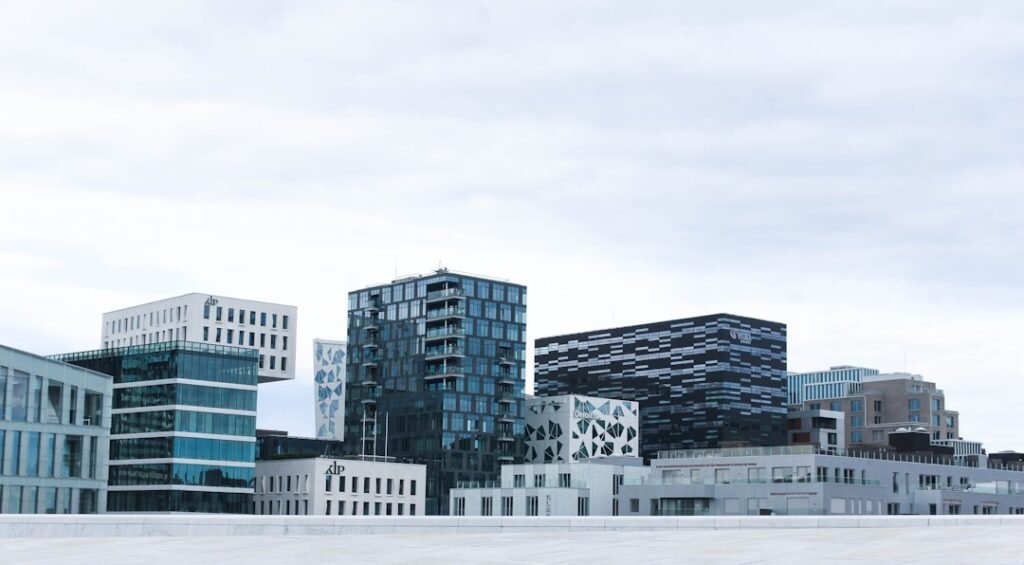
Norwegian culture is a rich tapestry woven from centuries of history, tradition, and modern influences. Nestled in the heart of Scandinavia, Norway boasts stunning landscapes, from majestic fjords to serene forests, which have inspired its people and shaped their way of life. The language spoken here, Norwegian, is not just a means of communication; it is a reflection of the country’s identity and values.
With two official written forms—Bokmål and Nynorsk—Norwegian offers a unique linguistic experience that mirrors the diversity of its culture. Learning Norwegian opens doors to understanding the nuances of its literature, music, and folklore, allowing individuals to immerse themselves fully in the local way of life. As globalization continues to bridge gaps between nations, the importance of learning Norwegian has grown significantly, especially for those looking to work or live in Norway.
The language is characterized by its melodic intonation and relatively straightforward grammar, making it accessible for learners. However, beyond the basics of vocabulary and syntax lies a deeper understanding of the cultural context in which the language is used. Engaging with Norwegian culture through its language fosters connections with locals and enhances one’s experience in both social and professional settings. Register for a Norwegian class at the NLS Norwegian Language School now! https://nlsnorwegian.no/group-norwegian-classes/
Key Takeaways
- Norwegian culture values equality, honesty, and punctuality
- “Takk for sist” is a common phrase used to thank someone for a previous meeting
- In Norwegian business etiquette, it’s important to address colleagues by their first name
- Mastering Norwegian pronunciation involves understanding the importance of intonation
- Written communication in Norwegian should be clear, concise, and professional
Essential Norwegian Phrases for the Workplace
In any professional environment, effective communication is key to success. For those entering the Norwegian workforce, mastering essential phrases can significantly ease the transition. Simple greetings such as “Hei” (Hi) and “God morgen” (Good morning) set a friendly tone for interactions.
Additionally, phrases like “Kan jeg få hjelp?” (Can I get help?) or “Takk for hjelpen” (Thank you for your help) demonstrate politeness and a willingness to engage with colleagues. These expressions not only facilitate smoother conversations but also show respect for the local language and culture. Moreover, understanding workplace-specific terminology can enhance one’s ability to participate in discussions and contribute meaningfully to projects.
Phrases related to meetings, deadlines, and teamwork—such as “Vi må møtes” (We need to meet) or “Hva er fristen?” (What is the deadline?)—are crucial for navigating daily tasks. By incorporating these essential phrases into everyday interactions, individuals can build rapport with their coworkers and foster a collaborative atmosphere that is highly valued in Norwegian workplaces.
Understanding Norwegian Business Etiquette

Navigating the intricacies of Norwegian business etiquette is vital for anyone looking to thrive in a professional setting in Norway. Norwegians are known for their egalitarian approach to work relationships, which emphasizes respect and openness. Hierarchies are generally flatter than in many other cultures, encouraging employees at all levels to voice their opinions and contribute ideas.
Understanding this cultural norm can help newcomers feel more comfortable engaging in discussions and sharing their insights. Punctuality is another cornerstone of Norwegian business etiquette. Arriving on time for meetings is not just a sign of professionalism; it reflects respect for others’ time.
Additionally, Norwegians value direct communication and honesty. When discussing ideas or providing feedback, it is common to be straightforward yet tactful. This approach fosters an environment of trust and transparency, which is essential for building strong professional relationships.
By embracing these aspects of Norwegian business culture, individuals can navigate their work environments with confidence and ease.
Mastering Norwegian Pronunciation and Intonation
One of the most challenging yet rewarding aspects of learning Norwegian is mastering its pronunciation and intonation. The language features sounds that may be unfamiliar to non-native speakers, such as the distinct “ø” and “å.” Practicing these sounds through listening exercises and repetition can significantly improve one’s speaking abilities. Engaging with native speakers, whether through language exchange programs or casual conversations, provides invaluable opportunities to refine pronunciation in real-world contexts.
Intonation also plays a crucial role in conveying meaning in Norwegian. The melody of the language can change the context of a sentence entirely; for instance, raising one’s pitch at the end of a question is a common practice. By paying attention to these subtleties, learners can enhance their conversational skills and ensure that they are understood correctly.
Utilizing resources such as audio recordings or language apps can further aid in developing a natural flow when speaking Norwegian.
Polishing Your Writing Skills in Norwegian
Writing in Norwegian presents its own set of challenges and rewards. Whether crafting emails, reports, or presentations, proficiency in written communication is essential for success in any professional setting. To polish writing skills, it is important to familiarize oneself with the structure and style typical of Norwegian business correspondence.
This includes understanding formal greetings, appropriate closings, and the use of polite language throughout. Additionally, practicing writing regularly can help reinforce grammatical rules and vocabulary usage. Keeping a journal in Norwegian or participating in online forums can provide opportunities for practice while receiving feedback from native speakers or fellow learners.
Utilizing tools such as grammar checkers or language learning apps can also assist in identifying areas for improvement. By dedicating time to enhance writing skills, individuals can communicate more effectively and confidently in their professional endeavors.
Navigating Norwegian Social Interactions

Social interactions in Norway can be both enriching and challenging for newcomers. Norwegians tend to be reserved initially but are warm and welcoming once relationships are established. Understanding social cues is essential for navigating these interactions successfully.
For instance, personal space is highly valued; maintaining an appropriate distance during conversations is important to avoid making others feel uncomfortable. When engaging in social settings, it is common to discuss topics such as nature, travel, or current events rather than personal matters. This preference for light conversation allows individuals to connect without delving too deeply into private lives too soon.
Additionally, Norwegians appreciate humor but often employ a dry wit that may take some getting used to for those from different cultural backgrounds. By observing social dynamics and adapting accordingly, newcomers can foster meaningful connections within their communities.
Developing Cultural Sensitivity in the Norwegian Workplace
Cultural sensitivity is paramount when working in a diverse environment like Norway’s. As a nation that values inclusivity and equality, understanding different cultural perspectives can enhance collaboration among colleagues from various backgrounds. This involves recognizing and respecting differences in communication styles, work ethics, and social norms that may exist within a multicultural team.
Engaging in open dialogues about cultural differences can foster an atmosphere of understanding and acceptance. Participating in team-building activities or cultural workshops can also provide insights into the values that shape workplace interactions in Norway. By actively seeking to understand and appreciate diverse perspectives, individuals can contribute positively to their work environment while promoting inclusivity.
Overcoming Language Barriers in Professional Settings
Language barriers can pose significant challenges in professional settings; however, they are not insurmountable. For those learning Norwegian, it is essential to approach these barriers with patience and determination. Utilizing resources such as translation apps or bilingual dictionaries can aid in bridging gaps during conversations or meetings where language proficiency may be lacking.
Additionally, fostering an environment where colleagues feel comfortable asking questions or seeking clarification can alleviate misunderstandings caused by language differences. Encouraging open communication allows team members to express their thoughts without fear of judgment while promoting collaboration across language barriers. By embracing these strategies, individuals can navigate professional settings more effectively while building confidence in their language skills.
Tailoring Your Communication Style to Norwegian Standards
Adapting one’s communication style to align with Norwegian standards is crucial for effective interaction within the workplace. Norwegians value clarity and conciseness; therefore, being direct while remaining respectful is essential when conveying messages or providing feedback. Avoiding overly complex language or jargon can help ensure that ideas are understood clearly by all parties involved.
Moreover, incorporating active listening techniques into conversations can enhance communication effectiveness. This involves giving full attention to the speaker, asking clarifying questions when necessary, and summarizing key points to confirm understanding. By tailoring communication styles to meet Norwegian expectations, individuals can foster stronger relationships with colleagues while promoting a collaborative work environment.
Embracing Norwegian Work-Life Balance
One of the most appealing aspects of working in Norway is the emphasis on achieving a healthy work-life balance. Norwegians prioritize personal well-being alongside professional responsibilities; this cultural norm encourages individuals to take time off for leisure activities and family commitments without guilt or stigma. Understanding this balance is essential for newcomers seeking to integrate into the local workforce successfully.
Employers often support this balance by offering flexible working hours and generous vacation policies that allow employees to recharge and pursue personal interests outside of work. Embracing this philosophy not only enhances overall job satisfaction but also contributes positively to productivity levels within organizations. By recognizing the importance of work-life balance in Norwegian culture, individuals can cultivate a fulfilling professional life while enjoying personal pursuits.
Advancing Your Career with Norwegian Language Proficiency
Proficiency in the Norwegian language can significantly enhance career prospects for individuals seeking employment or advancement within Norway’s competitive job market. Many employers prioritize candidates who demonstrate an ability to communicate effectively in Norwegian, as it reflects commitment to integrating into the local culture and workforce. This linguistic skill not only opens doors to job opportunities but also facilitates networking within professional circles.
Furthermore, being fluent in Norwegian allows individuals to engage more deeply with colleagues and clients alike, fostering stronger relationships built on trust and mutual understanding. As businesses increasingly operate on global scales, those who possess bilingual capabilities are often viewed as valuable assets capable of bridging cultural divides. By investing time and effort into mastering the Norwegian language, individuals position themselves for long-term success while enriching their personal experiences within this vibrant country.
In conclusion, embracing the nuances of Norwegian culture through language learning offers numerous benefits for both personal growth and professional development. From mastering essential phrases for workplace interactions to understanding business etiquette and social dynamics, each aspect contributes to a holistic understanding of life in Norway. By cultivating cultural sensitivity and adapting communication styles accordingly, individuals can navigate their professional environments with confidence while enjoying the rich tapestry of experiences that Norway has to offer.
Register for a Norwegian class at the NLS Norwegian Language School now!