
The initial stages of relocating to a new country can be a complex period, marked by a confluence of practical challenges and emotional adjustments. Understanding and navigating the intricacies of a different physical environment is a critical component of a successful transition. At NLS Norway Relocation Group, we specialize in smoothing this crucial early phase, providing comprehensive support tailored to your individual needs. From initial visa and immigration assistance to securing suitable accommodation and understanding local customs, our expertise is designed to alleviate the stress associated with settling into Norway. We recognize that your comfort and efficiency in these first steps lay the groundwork for your entire Norwegian experience, and our dedicated team is committed to ensuring those foundations are solid.
The physical environment of Norway presents a unique set of challenges and opportunities for newcomers. It is not merely a backdrop; it actively shapes daily life, influencing everything from your commute to your social interactions. Understanding the immediate physical realities you will encounter upon arrival is paramount.
The Great Outdoors: A Defining Feature
Norway’s natural beauty is undeniable, but it also carries significant practical implications. The rugged terrain, vast coastlines, and distinct seasonal variations mean that preparedness is key.
Adapting to Climate and Weather
Norway experiences a range of climates, from the milder coastal regions influenced by the Gulf Stream to the colder inland and northern areas. Understanding typical temperature ranges, precipitation patterns, and the intensity of sunlight (or lack thereof during winter) is crucial for everyday life. This impacts clothing choices, the need for specialized equipment like studded tires in winter, and even decisions about where to live based on preferred weather conditions.
Navigating the Terrain: From Fjords to Forests
The topography of Norway, characterized by fjords, mountains, and extensive forests, affects transportation and recreation. While public transport is generally efficient, understanding its reach and limitations in different regions is important. For those who enjoy outdoor activities, knowledge of local trails, safety precautions in wilderness areas, and appropriate gear is essential.
Urban vs. Rural Living: Distinct Physical Realities
Your choice of residence – be it a bustling city or a serene rural village – will profoundly influence your adaptation process. Each setting offers a different physical environment with its own set of advantages and disadvantages.
City Life: The Built Environment
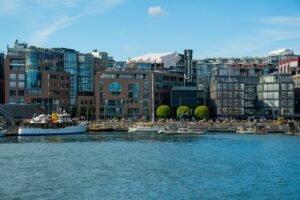
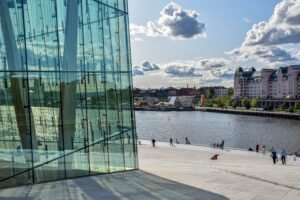
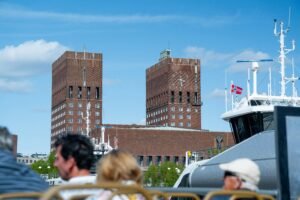
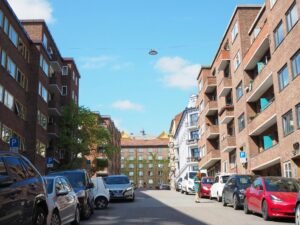
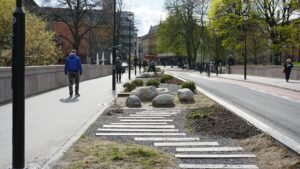
Norway’s cities, such as Oslo, Bergen, and Trondheim, offer a more familiar urban experience for many. However, they still possess distinct Norwegian characteristics. Understanding the layout of public transport networks, the density of housing, the availability of green spaces within the city, and the proximity of amenities are all aspects of the built environment that impact daily life. Noise levels, air quality (though generally good compared to many global cities), and the distinct architectural styles also contribute to the overall feel of these urban centers.
Rural Retreats: The Natural Embrace
Life in rural Norway involves a deeper immersion in the natural environment. This often means greater distances to services, a reliance on personal transportation, and a more direct relationship with the weather. The physical isolation can be a draw for some, offering peace and quiet, but it requires a different kind of preparedness and a willingness to adapt to a slower pace of life. Access to nature is immediate, but so are the challenges of maintaining infrastructure and services in less populated areas.
The Impact of Light and Darkness on Well-being
Perhaps one of the most significant physical environmental factors influencing newcomers to Norway is the dramatic shift in daylight hours throughout the year, particularly outside the southernmost regions. This phenomenon has a tangible impact on mental and physical well-being, as well as on daily routines.
The Midnight Sun and Polar Night: Extremes of Light
In the Arctic Circle and further north, the phenomenon of the midnight sun during summer months means 24 hours of daylight. While this can be disorienting initially, it also offers extended opportunities for outdoor activities and a feeling of endless daytime. Conversely, the polar night brings periods with very little to no direct sunlight during winter.
Psychological Effects of Extended Darkness
The prolonged darkness of the polar night can be challenging, potentially contributing to seasonal affective disorder (SAD) or general feelings of lethargy. Understanding these effects and proactive strategies to mitigate them is important. This can involve ensuring adequate indoor lighting, making conscious efforts to maintain social connections, and engaging in activities that promote well-being even when outdoor light is scarce.
Adjusting Daily Rhythms
The extreme variations in daylight necessitate an adjustment of daily rhythms. During the summer, people often adapt to staying up later due to the light, while in winter, a more structured approach to sleep and wake cycles may be required to combat the natural inclination towards rest.
Housing and Infrastructure: Foundations of Your Norwegian Home
The physical characteristics of your accommodation and the surrounding infrastructure play a crucial role in your comfort and sense of belonging. Norway’s approach to housing and infrastructure reflects its climate, landscape, and cultural values.
Building Materials and Design: Adapting to the Climate
Norwegian homes are typically designed with the climate in mind. Insulation is paramount to combat cold winters, and many buildings feature practical designs that can withstand snow loads and strong winds. Understanding the types of heating systems common in Norway, such as underfloor heating and efficient wood-burning stoves, is important for managing comfort and energy consumption.
Energy Efficiency and Sustainability
Norway places a strong emphasis on energy efficiency and sustainability. New constructions are often built to high environmental standards, and older properties may have undergone retrofits. Understanding how to operate and maintain the energy systems in your home, as well as being mindful of your own consumption, will contribute to both your comfort and the environmental well-being of the country.
Public and Private Transportation Networks
The way people move around Norway is heavily influenced by its geography. Public transportation is well-developed in urban areas, but reliance on personal vehicles can increase in more remote regions.
Commuting and Daily Travel
Understanding the public transport options in your area – buses, trams, subways, and ferries – is essential for daily commutes. Learning about ticketing systems, schedules, and the general etiquette of public travel will ease your transition. If you plan to drive, familiarize yourself with Norwegian road rules, the use of winter tires, and the common practice of paying tolls.
The Role of Ferries and Coastal Shipping
For coastal communities and navigating the fjords, ferries and coastal shipping are vital parts of the infrastructure. These are not just modes of transport but often integral to the social fabric of these regions.
Relocation is a life transition, not just a move. Design your future in Norway with a 1-hour NLS Norway Relocation strategy session.
Navigating Social Spaces and Community Engagement
The physical layout of a place influences social interactions and the ease with which one can become part of a community. Norway has specific cultural norms that are reflected in its social spaces.
The Importance of Outdoor Gatherings and Nature
Norwegians have a strong connection to the outdoors, and this is reflected in how they socialize. Parks, hiking trails, and recreational areas are popular gathering spots. Understanding this cultural emphasis can help you find opportunities to connect with locals and participate in community life.
Public Spaces and Their Use
Public spaces in Norway, from town squares to cultural centers, are generally well-maintained and accessible. Understanding the typical uses of these spaces – whether for festivals, markets, or simply casual encounters – can help you integrate more smoothly into the social fabric. The concept of friluftsliv (outdoor life) is central to the Norwegian experience and often dictates where and how people spend their leisure time.
The Design of Homes and Socializing Indoors
While outdoor activities are valued, socialising often happens indoors, especially during the colder months. Norwegian homes tend to be designed for comfort and functionality, with a focus on creating warm and inviting living spaces.
The Koselig Concept
The Norwegian concept of koselig (cozy) is deeply ingrained in their approach to home design and social gatherings. This emphasizes creating a warm, comfortable, and intimate atmosphere, often involving soft lighting, candles, blankets, and shared food and drink. Understanding this aspect of Norwegian culture can help you appreciate the nuances of social interactions within private homes.
Adapting to the Sensory Experience: Sounds, Smells, and Aesthetics
| Physical Environment Factor | Impact on Transition to Norway |
|---|---|
| Climate | The cold climate may require adjustment and preparation for winter conditions. |
| Nature | The beautiful natural landscapes can positively impact mental well-being and provide opportunities for outdoor activities. |
| Urban vs Rural | Living in urban areas may offer more job opportunities and amenities, while rural areas may provide a quieter lifestyle. |
| Housing | Finding suitable housing in a competitive market can be a challenge for newcomers. |
Beyond the tangible, the sensory experience of a physical environment can profoundly impact your initial impressions and long-term adaptation. Norway offers a distinct sensory palette.
The Soundscape: From Urban Hum to Natural Silence
The auditory landscape of Norway varies dramatically. Cities will have their familiar sounds of traffic and human activity, but the overall noise pollution is generally lower than in many major metropolises. In rural areas, the prevailing sounds are often those of nature – wind, water, birdsong, and the occasional distant farm animal.
The Peace and Quiet of Nature
For many, the remarkable quietude of the Norwegian countryside is a significant draw. However, for those accustomed to constant background noise, this silence can initially feel jarring. Learning to appreciate and find comfort in natural soundscapes is part of the adaptation process.
The Scents of Norway: From Sea Air to Forest Pine
The air in Norway is generally clean and fresh, with distinct scents depending on the location. Coastal areas will carry the briny smell of the sea, while inland regions might be permeated by the scent of pine forests, damp earth after rain, or the distinct aroma of wood smoke from homes in winter.
Embracing the Natural Aromas
These natural aromas are often associated with the pristine beauty of the country. Becoming accustomed to and appreciating these distinct scents can contribute to a positive sensory integration into your new environment.
Visual Aesthetics: Architecture, Nature, and Light
The visual aesthetics of Norway are striking, from its dramatic natural landscapes to its functional and often minimalist architectural styles. The way light interacts with the environment, especially during different seasons, creates constantly evolving visual experiences.
The Impact of Light on Perception
The quality of light in Norway, particularly its soft, diffused northern light or the dramatic hues of sunrise and sunset during certain times of the year, can significantly influence your perception of your surroundings and your overall mood.
Navigating these multifaceted aspects of the physical environment is a fundamental part of settling into Norway. While the natural beauty and unique climate are undeniable draws, they also necessitate a period of adjustment and informed preparation. Understanding these elements can empower you to make proactive choices and embrace the Norwegian experience more fully.
For those seeking to actively cultivate their understanding and comfort within the Norwegian context, the NLS Norwegian Language School in Oslo offers specialized Norwegian courses. These programs are designed not only to equip you with the linguistic tools for communication but also to provide insights into Norwegian culture and society. By learning the language, you gain direct access to understanding local customs, social nuances, and the everyday conversations that shape life in Norway. Our courses are structured to build confidence and fluency, thereby enhancing your ability to engage with the physical and social environment around you and to truly feel at home in your new surroundings.