

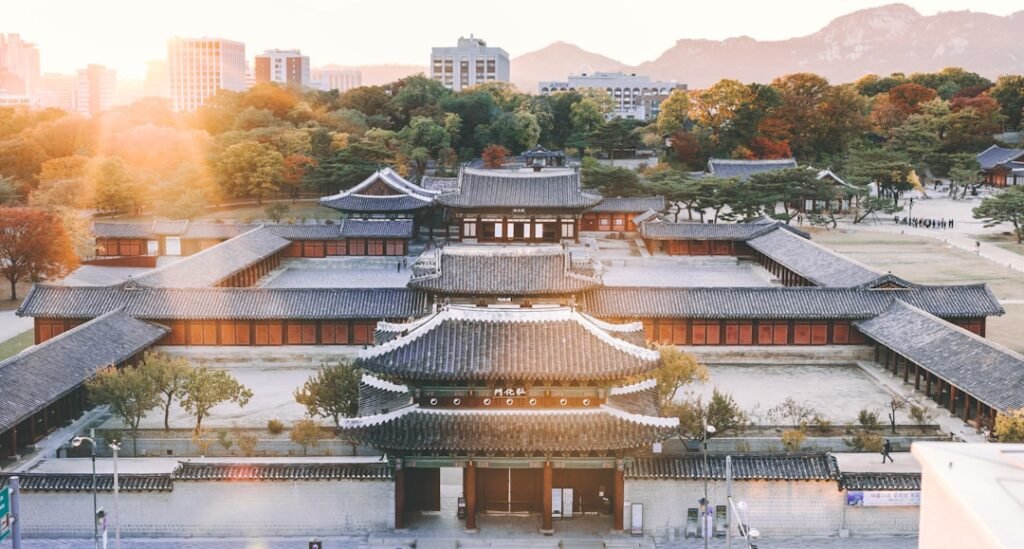
Oslo, the vibrant capital of Norway, is a city that boasts a rich tapestry of cultures and languages. Among the many languages spoken within its borders, Korean has gained significant traction in recent years. The increasing interest in Korean culture, driven by the global phenomenon of K-pop, Korean cinema, and cuisine, has led many Oslo residents to embark on the journey of learning the Korean language.
The NLS Norwegian Language School stands out as a premier institution offering comprehensive Korean courses tailored to meet the needs of both beginners and advanced learners. With a dedicated curriculum and experienced instructors, NLS provides an excellent platform for those eager to delve into the intricacies of the Korean language. Learning Korean in Oslo presents a unique opportunity to engage with a language that is not only linguistically rich but also culturally significant.
The NLS Korean courses are designed to immerse students in the language while also providing insights into Korean traditions and societal norms. This holistic approach ensures that learners not only acquire linguistic skills but also develop an appreciation for the cultural context in which the language is used. As students navigate through the complexities of Hangul, grammar, and vocabulary, they are simultaneously introduced to the nuances of Korean etiquette and customs, making their learning experience both comprehensive and enriching. Ready to speak Korean? Enroll now at the NLS Norwegian Language School in Oslo.
Summary
- Learning Korean in Oslo provides a unique opportunity to immerse oneself in a non-Korean speaking environment.
- The challenges of learning Korean in Oslo include limited access to Korean language resources and native speakers.
- Finding Korean language resources in Oslo can be achieved through local libraries, language schools, and online platforms.
- Immersion in the Korean language is crucial for effective language learning, and can be achieved through cultural events and language exchange programs.
- Overcoming language barriers in everyday life in Oslo can be achieved by actively seeking out opportunities to practice Korean, such as joining language meetup groups and communities.
The Challenges of Learning Korean in a Non-Korean Speaking Environment
While learning Korean in Oslo can be an exciting venture, it is not without its challenges. One of the primary obstacles faced by learners is the lack of a surrounding community where Korean is spoken regularly. Unlike cities with large Korean populations, Oslo’s Korean-speaking community is relatively small, which can limit opportunities for practice and immersion.
This absence of a natural language environment can make it difficult for learners to develop their speaking and listening skills, as they may find themselves relying heavily on classroom instruction without the chance to engage in real-life conversations. Moreover, the unique phonetic and grammatical structures of the Korean language can pose additional hurdles for learners accustomed to European languages. The distinction between formal and informal speech, as well as the use of honorifics, can be particularly challenging for those unfamiliar with such concepts.
Additionally, mastering Hangul—the Korean writing system—requires dedication and practice, as it differs significantly from the Latin alphabet. These challenges can sometimes lead to frustration; however, they also present an opportunity for learners to cultivate resilience and adaptability as they navigate their language-learning journey.
Finding Korean Language Resources in Oslo

Despite the challenges of learning Korean in a non-Korean speaking environment, Oslo offers a variety of resources for language learners. The NLS Norwegian Language School is at the forefront, providing structured courses that cater to different proficiency levels. In addition to formal education, learners can explore local libraries and cultural centres that may offer books, audio materials, and even language exchange programmes.
These resources can supplement classroom learning and provide additional avenues for practice. Furthermore, engaging with online platforms can significantly enhance the learning experience. Many websites and applications are dedicated to teaching Korean, offering interactive exercises, vocabulary drills, and even video lessons from native speakers.
By combining these online resources with traditional classroom instruction at NLS, learners can create a well-rounded study plan that addresses their individual needs and learning styles. The key is to remain proactive in seeking out these resources and integrating them into daily practice.
The Importance of Immersion in Language Learning
Immersion is widely regarded as one of the most effective methods for acquiring a new language. For learners of Korean in Oslo, creating an immersive environment can be challenging but not impossible. One way to achieve this is by incorporating Korean media into daily life.
Watching Korean dramas or listening to K-pop can help learners become familiar with pronunciation, intonation, and colloquial expressions. This exposure not only aids in language acquisition but also deepens cultural understanding. Additionally, participating in cultural events or workshops related to Korea can further enhance immersion.
Oslo hosts various festivals celebrating Korean culture, where attendees can engage with native speakers and fellow learners alike. These events provide an excellent opportunity to practice conversational skills in a relaxed setting while also fostering connections within the community. By actively seeking out immersive experiences, learners can significantly accelerate their progress in mastering the Korean language.
Overcoming Language Barriers in Everyday Life
Navigating everyday life in Oslo while learning Korean can present its own set of challenges. For instance, when attempting to communicate with native speakers or fellow learners, language barriers may lead to misunderstandings or frustration. However, these situations also offer valuable learning opportunities.
Embracing mistakes as part of the learning process is crucial; each miscommunication serves as a stepping stone towards improvement. Moreover, finding ways to incorporate Korean into daily routines can help bridge these language gaps. Simple practices such as labelling household items with their Korean names or keeping a journal in Korean can reinforce vocabulary retention and boost confidence.
Engaging with local businesses that cater to the Korean community can also provide practical language practice while fostering connections with others who share similar interests. By actively seeking out opportunities to use Korean in everyday situations, learners can gradually build their confidence and fluency.
Joining Korean Language Meetup Groups and Communities

One effective way to enhance language skills and build a support network is by joining Korean language meetup groups or communities in Oslo. These gatherings provide a relaxed atmosphere where learners can practice speaking with others at various proficiency levels. The NLS Norwegian Language School often encourages students to participate in such groups as a means of reinforcing what they have learned in class.
In addition to improving conversational skills, these meetups foster a sense of camaraderie among participants who share a common goal: mastering the Korean language. Engaging with others who are on similar journeys can be incredibly motivating and inspiring. Furthermore, these groups often organise cultural activities such as cooking classes or movie nights, allowing members to immerse themselves further in both the language and culture of Korea.
Utilising Online Resources for Language Learning
In today’s digital age, online resources have become indispensable tools for language learners. For those studying Korean in Oslo, numerous websites and applications offer interactive lessons tailored to various skill levels. Platforms such as Duolingo or Memrise provide gamified learning experiences that make vocabulary acquisition enjoyable and engaging.
Additionally, YouTube channels dedicated to teaching Korean can be invaluable resources for visual learners. Many content creators offer lessons on grammar, pronunciation tips, and cultural insights that complement traditional classroom instruction at NLS. Social media platforms also host communities where learners can connect with native speakers or fellow students for language exchange opportunities.
By leveraging these online resources alongside formal education, learners can create a dynamic and effective study routine that accelerates their progress.
The Role of Native Korean Speakers in Language Acquisition
Interacting with native speakers is one of the most effective ways to enhance language acquisition. In Oslo, opportunities to engage with native Koreans may be limited; however, those who seek out these interactions will find them immensely beneficial. Native speakers can provide authentic insights into colloquial expressions, cultural nuances, and pronunciation that textbooks may not cover.
Language exchange programmes are an excellent way to connect with native speakers who are interested in learning Norwegian or English in return for helping you with your Korean studies. These exchanges foster mutual understanding and create a supportive environment for both parties to learn from one another. By actively seeking out interactions with native speakers—whether through formal exchanges or casual conversations—learners can significantly enrich their understanding of the language and culture.
Setting Realistic Language Learning Goals
Setting realistic goals is essential for maintaining motivation throughout the language-learning journey. For those studying Korean at NLS or independently in Oslo, it is important to establish clear objectives that are achievable within a specific timeframe. Whether it’s mastering basic conversational phrases or preparing for a proficiency exam, having defined goals helps learners stay focused and measure their progress.
Moreover, breaking down larger goals into smaller milestones can make the learning process feel less overwhelming. Celebrating these small victories—such as successfully ordering food in Korean or holding a brief conversation—can boost confidence and encourage continued effort. By setting realistic expectations and acknowledging progress along the way, learners can cultivate a positive mindset that fosters long-term success.
The Benefits of Learning Korean in a Multicultural City like Oslo
Learning Korean in a multicultural city like Oslo offers unique advantages that enhance the overall experience. The diverse population provides opportunities for cultural exchange and interaction with individuals from various backgrounds who may share an interest in Korea or its language. This multicultural environment fosters open-mindedness and encourages learners to embrace different perspectives while exploring their own cultural identity.
Additionally, Oslo’s vibrant arts scene often features events related to Korean culture—such as film screenings or art exhibitions—that allow learners to engage with the language outside of traditional classroom settings. These experiences not only enrich linguistic skills but also deepen cultural appreciation and understanding. By immersing themselves in Oslo’s multicultural landscape while learning Korean, students can develop a more nuanced perspective on both the language and its cultural significance.
Achieving Fluency in Korean and Embracing a New Culture
Achieving fluency in Korean while living in Oslo is undoubtedly a challenging yet rewarding endeavour. With dedication, perseverance, and access to resources such as those offered by the NLS Norwegian Language School, learners can navigate the complexities of the language while embracing its rich cultural heritage. By actively seeking out opportunities for practice—whether through immersion experiences, community engagement, or online resources—students can steadily progress towards their language goals.
Ultimately, learning Korean is not just about mastering vocabulary or grammar; it is about embracing a new culture and expanding one’s worldview. As learners delve deeper into the intricacies of the language, they also gain insights into Korea’s history, traditions, and societal values. This journey fosters personal growth and intercultural understanding that extends far beyond mere linguistic proficiency.
In this way, learning Korean becomes not just an academic pursuit but a transformative experience that enriches one’s life in countless ways.
Ready to speak Korean? Enroll now at the NLS Norwegian Language School in Oslo.




