Fellesferie, often translated as “common holiday,” is a unique and cherished tradition in Norway that typically occurs during the summer months, particularly in July. This period is characterised by a collective vacation time when a significant portion of the Norwegian workforce takes time off to relax and enjoy leisure activities. The concept of Fellesferie is deeply ingrained in the cultural fabric of Norway, reflecting the nation’s values of work-life balance and the importance of family time.
During this time, many businesses, schools, and public institutions close or operate on reduced hours, allowing employees to fully embrace the holiday spirit. The essence of Fellesferie lies in its communal nature. It is not merely a time for individual holidays but rather a collective experience that fosters a sense of unity among Norwegians.
Families often plan their vacations together, and friends may coordinate their time off to enjoy shared experiences. This collective approach to holidaying not only strengthens social bonds but also reinforces the idea that taking time for oneself and one’s loved ones is essential for overall well-being. Speak Norwegian with confidence. Begin your journey at the NLS Norwegian Language School!
Summary
- Fellesferie is a Norwegian tradition of collective vacation where most businesses and institutions close for 2-3 weeks in July.
- Fellesferie has its roots in the 1930s when the Norwegian Labour Party introduced the concept to provide workers with a collective break.
- Fellesferie benefits Norwegian society by promoting work-life balance, strengthening family bonds, and reducing stress and burnout.
- The logistics of Fellesferie can be challenging for tourists as many businesses and services may be closed during this period.
- Fellesferie has a significant impact on the economy, with increased tourism and consumer spending during this time.
The History of Fellesferie
The origins of Fellesferie can be traced back to the early 20th century when labour movements began advocating for workers’ rights, including the right to paid holidays. As Norway transitioned into a more industrialised society, the need for workers to have designated time off became increasingly apparent. By the mid-20th century, Fellesferie had evolved into a formalised practice, with specific regulations governing the duration and timing of holidays.
The establishment of a common holiday period was seen as a way to promote equality among workers, ensuring that everyone had the opportunity to take a break from their daily routines. Over the decades, Fellesferie has adapted to changing societal norms and economic conditions. While it initially centred around traditional summer vacations, it has expanded to include various forms of leisure activities, such as outdoor adventures, cultural events, and family gatherings.
The evolution of Fellesferie reflects broader changes in Norwegian society, including increased mobility and access to diverse recreational opportunities. Today, it stands as a testament to Norway’s commitment to maintaining a healthy work-life balance while celebrating its rich cultural heritage.
How Fellesferie Benefits Norwegian Society
Fellesferie serves as a vital component of Norwegian society, offering numerous benefits that extend beyond individual enjoyment. One of the most significant advantages is the promotion of mental health and well-being. By encouraging employees to take time off work, Fellesferie helps reduce stress and burnout, leading to a more productive workforce in the long run.
The emphasis on relaxation and leisure allows individuals to recharge their batteries, fostering creativity and innovation upon their return to work. Moreover, Fellesferie strengthens family ties and social connections. As families come together during this holiday period, they create lasting memories and deepen their relationships.
This sense of community is essential in a country where social cohesion is highly valued. Additionally, Fellesferie promotes cultural exchange as people travel within Norway or abroad, experiencing different traditions and lifestyles. This exposure enriches the collective identity of Norwegians and fosters a greater appreciation for diversity.
The Logistics of Fellesferie
The logistics surrounding Fellesferie are carefully planned to ensure that the holiday period runs smoothly for both employers and employees. Typically, the majority of businesses in Norway close for at least two weeks during July, with many opting for a complete shutdown. This coordinated approach allows for minimal disruption in services while enabling employees to enjoy their time off without concerns about work obligations.
Employers are encouraged to communicate their holiday schedules well in advance, allowing employees to plan their vacations accordingly. In many cases, companies implement flexible work arrangements leading up to Fellesferie, enabling staff to complete projects or hand over responsibilities before they leave. This proactive approach not only ensures that work continues seamlessly but also demonstrates an employer’s commitment to supporting their employees’ well-being.
The Impact of Fellesferie on the Economy
Fellesferie has a significant impact on the Norwegian economy, particularly in sectors such as tourism and hospitality. As families embark on vacations during this period, there is a notable increase in domestic travel, with many Norwegians exploring their own country’s stunning landscapes and attractions. This surge in tourism provides a much-needed boost to local economies, benefiting hotels, restaurants, and recreational facilities.
Moreover, Fellesferie encourages spending on leisure activities and experiences. From outdoor adventures like hiking and fishing to cultural events such as festivals and concerts, Norwegians are more likely to invest in activities that enhance their holiday experience. This increased consumer spending not only supports local businesses but also contributes to job creation within the tourism sector.
As such, Fellesferie plays a crucial role in sustaining economic growth while promoting a vibrant cultural scene.
How Norwegians Spend their Fellesferie
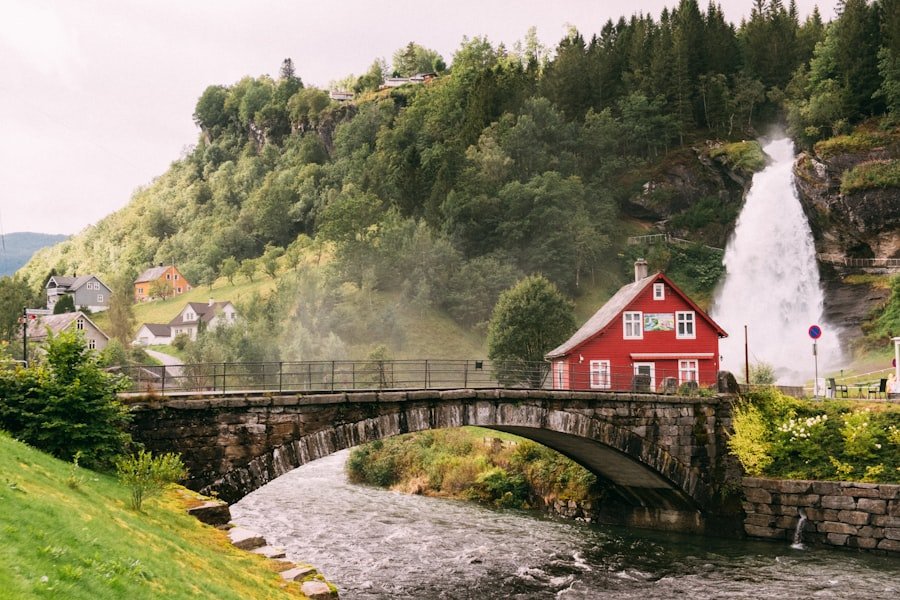
During Fellesferie, Norwegians engage in a variety of activities that reflect their love for nature and outdoor pursuits. Many families take advantage of the beautiful summer weather by heading to cabins in the mountains or along the coast. These retreats provide an opportunity for relaxation and connection with nature, allowing individuals to unwind from the stresses of everyday life.
Activities such as hiking, fishing, and swimming are popular pastimes during this period. In addition to outdoor adventures, cultural experiences also play a significant role in how Norwegians spend their Fellesferie. Many take the opportunity to attend local festivals or events that celebrate Norwegian traditions and heritage.
These gatherings often feature music, food, and art that showcase the rich cultural tapestry of the nation. Whether it’s enjoying a traditional meal or participating in folk dances, these experiences foster a sense of pride in Norwegian identity while creating lasting memories with family and friends.
The Cultural Significance of Fellesferie
Fellesferie holds profound cultural significance in Norway, serving as a reflection of the nation’s values and priorities. The emphasis on collective holidays underscores the importance placed on family bonds and social connections within Norwegian society. It is a time when individuals can step away from their busy lives and reconnect with loved ones, reinforcing the idea that relationships are paramount.
Furthermore, Fellesferie is intertwined with Norway’s natural beauty and outdoor lifestyle. The tradition encourages people to explore the stunning landscapes that define the country—from majestic fjords to serene forests—instilling a sense of appreciation for nature’s wonders. This connection to the environment is deeply rooted in Norwegian culture and is celebrated during Fellesferie through various outdoor activities that promote sustainability and conservation.
Challenges and Criticisms of Fellesferie
Despite its many benefits, Fellesferie is not without its challenges and criticisms. One notable concern is the potential impact on businesses that rely heavily on continuous operations throughout the year. For some industries, particularly those in retail or essential services, closing for an extended period can lead to financial strain or loss of customers.
This has prompted discussions about finding a balance between maintaining traditional holiday practices while accommodating diverse business needs. Additionally, there are concerns regarding inclusivity during Fellesferie. While many employees benefit from this collective holiday period, not all workers have the same opportunities for time off due to varying employment contracts or job types.
This disparity can create feelings of exclusion among those who cannot participate fully in the holiday experience. As society evolves, it will be essential to address these challenges while preserving the spirit of Fellesferie.
Comparing Fellesferie to Other Collective Vacation Practices
When comparing Fellesferie to other collective vacation practices around the world, it becomes evident that Norway’s approach is unique in its emphasis on community and shared experiences. In countries like France or Spain, collective holidays may occur during specific festivals or religious observances; however, they often lack the same level of nationwide participation seen in Norway during Fellesferie. In contrast to these practices, Fellesferie’s focus on summer vacations allows for an extended period where families can come together without the constraints of work obligations.
This collective approach fosters a sense of unity among Norwegians that is less prevalent in other cultures where holidays may be more fragmented or individualistic in nature.
Tips for Visitors During Fellesferie
For visitors planning to experience Norway during Fellesferie, it is essential to be aware of how this holiday period may affect travel plans. Many businesses may operate on reduced hours or close entirely during July; therefore, it is advisable to check ahead before making arrangements. Popular tourist attractions may also be busier than usual as locals take advantage of their time off.
To make the most of your visit during Fellesferie, consider exploring lesser-known destinations or engaging in outdoor activities that showcase Norway’s natural beauty. Embrace local customs by participating in festivals or events that celebrate Norwegian culture during this vibrant time of year. Additionally, be prepared for potential changes in transportation schedules as many locals travel during this period; planning ahead will ensure a smoother experience.
The Future of Fellesferie
As Norway continues to evolve socially and economically, the future of Fellesferie will likely adapt alongside these changes. There may be discussions around modernising this tradition to accommodate diverse work environments while still preserving its core values of community and relaxation. Employers may explore flexible holiday arrangements that allow employees from various sectors to enjoy time off without compromising business operations.
Moreover, as globalisation influences travel patterns and cultural exchanges become more prevalent, Fellesferie’s significance may expand beyond national borders. The tradition could evolve into an opportunity for Norwegians to share their unique holiday experiences with visitors from around the world while fostering cross-cultural understanding. In conclusion, Fellesferie remains an integral part of Norwegian life—a celebration of community, nature, and well-being that resonates deeply within society.
As we look towards the future, it will be essential to honour this cherished tradition while embracing new possibilities that reflect Norway’s dynamic landscape.
For those interested in immersing themselves further into Norwegian culture during this vibrant holiday season or at any other time throughout the year, consider enrolling in courses at NLS Norwegian Language School in Oslo. These courses offer an excellent opportunity not only to learn the language but also to gain insights into Norwegian customs and traditions—making your experience in Norway even more enriching!
Speak Norwegian with confidence. Begin your journey at the NLS Norwegian Language School