

Expressing oneself in a new language can be both exhilarating and daunting, particularly when it comes to conveying emotions. For those learning Norwegian, the challenge is not merely about mastering vocabulary and grammar; it also involves understanding the nuances of emotional expression within the cultural context. The ability to articulate feelings in Norwegian can significantly enhance interpersonal relationships, foster deeper connections, and facilitate a more profound understanding of the language itself.
As learners embark on this journey, they will discover that expressing emotions is not just about words; it is an intricate dance of language, culture, and personal experience. In Norway, where the landscape is as varied as its people, emotional expression takes on unique forms. The Norwegian language offers a rich tapestry of phrases and idioms that encapsulate feelings, allowing speakers to convey their inner worlds effectively.
However, the subtleties of these expressions can often be lost in translation. Therefore, it is essential for learners to immerse themselves in the language and culture to grasp the full spectrum of emotional expression. This article aims to guide you through the intricacies of expressing emotions in Norwegian, providing insights into cultural differences, practical phrases, and effective communication strategies. Start learning Norwegian at the NLS Norwegian Language School now!
Summary
- Learning to express yourself in Norwegian can open up new opportunities for connection and understanding in a different cultural context.
- Talking about your feelings is important in Norwegian culture, as it promotes emotional well-being and strengthens relationships.
- Mastering common Norwegian phrases for expressing emotions can help you navigate social interactions and communicate effectively.
- Understanding cultural differences in expressing emotions in Norwegian can help you avoid misunderstandings and build meaningful connections.
- Embracing vulnerability and authenticity in expressing emotions in Norwegian can lead to deeper and more genuine connections with others.
Understanding the Importance of Talking About Your Feelings
Talking about feelings is a fundamental aspect of human interaction, serving as a bridge that connects individuals on a deeper level. In Norwegian culture, while there may be a tendency towards stoicism, discussing emotions is increasingly recognised as vital for mental health and well-being. Engaging in conversations about feelings can foster empathy and understanding, allowing individuals to navigate their relationships with greater ease.
For learners of Norwegian, embracing this aspect of communication can lead to more meaningful connections with native speakers. Moreover, discussing emotions can help individuals process their experiences and gain clarity on their feelings. In a society that values openness and honesty, being able to articulate one’s emotions in Norwegian can empower learners to express themselves authentically.
This not only enhances personal relationships but also contributes to a broader understanding of the cultural context in which these emotions are expressed. By learning to talk about feelings in Norwegian, individuals can cultivate a sense of belonging and community within the language.
Learning Common Norwegian Phrases for Expressing Emotions
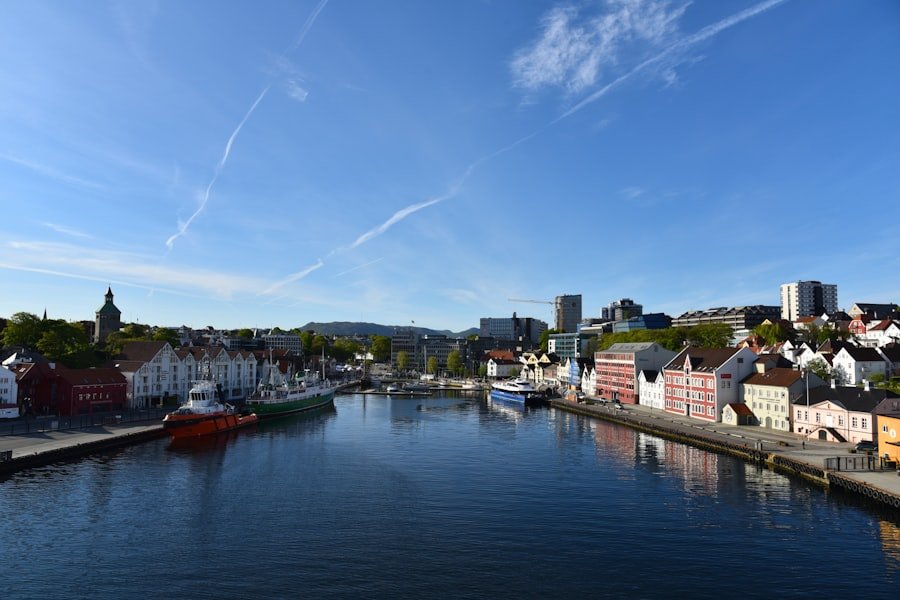
To effectively express emotions in Norwegian, it is essential to familiarise oneself with common phrases that encapsulate various feelings. For instance, “Jeg er glad” translates to “I am happy,” while “Jeg føler meg trist” means “I feel sad.” These simple yet powerful phrases serve as building blocks for more complex emotional expressions. Additionally, learners can explore phrases that convey gratitude, frustration, or excitement, such as “Takk for hjelpen” (Thank you for your help) or “Jeg er spent” (I am excited).
As learners progress in their language journey, they may encounter idiomatic expressions that add depth to their emotional vocabulary. For example, “Å ha sommerfugler i magen” literally means “to have butterflies in the stomach,” which is used to describe feelings of nervousness or anticipation. Understanding these idioms not only enriches one’s vocabulary but also provides insight into the cultural nuances of emotional expression in Norway.
By incorporating these phrases into everyday conversations, learners can enhance their ability to communicate their feelings effectively.
Exploring Cultural Differences in Expressing Emotions in Norwegian
Cultural differences play a significant role in how emotions are expressed and perceived. In Norway, there is often a cultural emphasis on moderation and restraint when it comes to emotional expression. This does not mean that Norwegians do not feel deeply; rather, they may choose to express their emotions in more subtle ways compared to other cultures that embrace overt displays of feeling.
Understanding this cultural context is crucial for learners of Norwegian as it shapes how they communicate their own emotions. For instance, while some cultures may encourage exuberant expressions of joy or sadness, Norwegians might opt for a more understated approach. This can manifest in the use of humour or irony when discussing difficult emotions.
Learners should be aware that what may seem like emotional detachment could simply be a reflection of cultural norms. By recognising these differences, individuals can navigate conversations about feelings with greater sensitivity and awareness, fostering more authentic connections with native speakers.
Tips for Communicating Your Feelings Effectively in Norwegian
Effective communication of feelings in Norwegian requires practice and an understanding of context. One key tip is to be mindful of your tone and body language when expressing emotions. Nonverbal cues often complement verbal communication and can significantly impact how your message is received.
For example, maintaining eye contact and using open body language can convey sincerity and openness when discussing your feelings. Additionally, it is beneficial to practise active listening when engaging in conversations about emotions. This involves not only hearing the words spoken but also understanding the underlying feelings and intentions behind them.
By demonstrating empathy and validating the emotions of others, learners can create a safe space for open dialogue. Furthermore, don’t hesitate to ask questions or seek clarification if you are unsure about how to express a particular emotion; this shows a willingness to learn and engage meaningfully.
Overcoming Language Barriers in Expressing Emotions in Norwegian

Language barriers can pose challenges when attempting to express emotions in Norwegian. Learners may find themselves struggling to find the right words or feeling self-conscious about their pronunciation. However, it is essential to remember that making mistakes is a natural part of the learning process.
Embracing these moments as opportunities for growth can alleviate some of the pressure associated with emotional expression. One effective strategy for overcoming language barriers is to practise speaking with native speakers or fellow learners. Engaging in conversations where you can express your feelings allows you to gain confidence and receive constructive feedback.
Additionally, utilising language learning apps or online platforms can provide valuable resources for expanding your emotional vocabulary. The more you practise expressing your feelings in Norwegian, the more comfortable you will become in navigating these conversations.
Using Body Language and Nonverbal Communication to Express Emotions in Norwegian
Body language and nonverbal communication are integral components of expressing emotions effectively in any language, including Norwegian. Gestures, facial expressions, and posture can all convey meaning beyond words. For instance, a warm smile can enhance the expression of happiness, while crossed arms may indicate defensiveness or discomfort.
Being aware of these nonverbal cues can help learners communicate their feelings more authentically. In Norwegian culture, subtlety often plays a significant role in nonverbal communication. A gentle nod or a soft tone may indicate agreement or understanding without the need for explicit verbal affirmation.
Therefore, learners should pay attention not only to their own body language but also to that of their conversation partners. By observing how others express their emotions nonverbally, individuals can gain insights into the cultural nuances of emotional expression in Norway.
Seeking Support and Guidance for Expressing Emotions in Norwegian
Navigating the complexities of emotional expression in a new language can be challenging; therefore, seeking support and guidance is crucial for learners of Norwegian. Language schools and community groups often offer resources and workshops focused on emotional communication. Participating in these activities can provide valuable opportunities for practice and feedback from experienced instructors or peers.
Additionally, online forums and social media groups dedicated to language learning can serve as platforms for sharing experiences and seeking advice on expressing emotions in Norwegian. Engaging with others who are on a similar journey can foster a sense of camaraderie and support. Remember that you are not alone in this endeavour; many learners face similar challenges when it comes to articulating their feelings in a foreign language.
Practicing Self-care and Emotional Regulation in Norwegian
Practising self-care and emotional regulation is essential for anyone learning a new language, especially when it comes to expressing feelings. Taking time to reflect on your emotions and understanding how they impact your communication can lead to more authentic interactions with others. Engaging in activities that promote well-being—such as mindfulness exercises or journaling—can help learners process their feelings before articulating them in Norwegian.
Moreover, recognising triggers that may lead to heightened emotions can empower individuals to manage their responses effectively. By developing strategies for emotional regulation—such as deep breathing or pausing before responding—learners can create a more conducive environment for expressing themselves clearly and calmly in Norwegian.
Embracing Vulnerability and Authenticity in Expressing Emotions in Norwegian
Embracing vulnerability is an essential aspect of authentic emotional expression. While it may feel uncomfortable at times, allowing oneself to be vulnerable fosters deeper connections with others. In Norwegian culture, there is an increasing recognition of the importance of authenticity in communication; therefore, being open about one’s feelings can lead to more meaningful interactions.
When expressing emotions in Norwegian, it is important to remember that everyone experiences vulnerability differently. Sharing personal stories or experiences related to your feelings can create a sense of intimacy and trust with your conversation partner. By embracing authenticity and vulnerability, learners not only enhance their emotional expression but also contribute to a culture of openness within their language community.
Embracing Emotional Expression in Norwegian Language and Culture
In conclusion, expressing oneself emotionally in Norwegian is an enriching journey that goes beyond mere vocabulary acquisition; it encompasses cultural understanding, personal growth, and authentic connection with others. As learners navigate the complexities of emotional expression within this beautiful language, they will discover that each phrase spoken carries with it the weight of personal experience and cultural nuance. At NLS Norwegian Language School in Oslo, students are provided with an immersive environment where they can explore these intricacies further through tailored courses designed specifically for emotional expression and communication skills.
The school’s experienced instructors understand the importance of fostering an environment where students feel comfortable sharing their feelings while learning the language. By embracing emotional expression within the context of learning Norwegian at NLS, students not only enhance their linguistic abilities but also cultivate deeper connections with the rich tapestry of Norwegian culture itself. As they embark on this journey together, they will find that expressing emotions becomes not just an academic exercise but a vital part of their personal growth and cultural integration into Norway’s vibrant society.
Register for a Norwegian class at the NLS Norwegian Language School now!