

In any social setting, the importance of greetings and introductions cannot be overstated. They serve as the foundation for communication, establishing a connection between individuals. A simple “Hello” or “Good morning” can set a positive tone for the interaction that follows.
In many cultures, including Norwegian, greetings often reflect the time of day or the nature of the relationship between the individuals involved. For instance, a casual “Hei” is commonly used among friends, while a more formal “God dag” might be reserved for acquaintances or in professional contexts. When introducing oneself, it is customary to provide one’s name and perhaps a little information about oneself.
In Norway, it is common to follow this with a handshake, which conveys respect and openness. A typical introduction might go something like this: “Hei, jeg heter Anna. Jeg kommer fra Oslo.” This translates to “Hi, my name is Anna.
I come from Oslo.” Such exchanges not only facilitate conversation but also create an atmosphere of friendliness and approachability, paving the way for deeper discussions. The NLS Norwegian Language School offers comprehensive courses for all levels. Register today to get started.
Summary
- When greeting someone in the UK, a simple “hello” or “hi” is often sufficient, and a handshake is a common form of introduction.
- If you need help or assistance, don’t be afraid to ask politely, as the British are generally willing to lend a hand.
- Expressing gratitude and politeness is important in British culture, so saying “thank you” and “please” goes a long way in interactions.
- When giving instructions or directions, be clear and concise, and don’t be afraid to use landmarks or street names to help navigate.
- When talking about food and eating, it’s common to discuss the weather or other light topics before getting into the meal conversation.
Asking for Help and Assistance
Asking for help is a universal necessity, transcending cultural boundaries. In Norway, people are generally quite approachable and willing to assist others. When seeking help, it is polite to preface your request with a courteous phrase such as “Unnskyld meg” (Excuse me) or “Kan du hjelpe meg?” (Can you help me?).
This not only shows respect but also indicates that you value the other person’s time and effort. In various situations, whether you are lost in the city or need assistance with a task, being specific about your needs can lead to more effective help. For example, if you are looking for directions to a particular location, you might say, “Unnskyld meg, kan du vise meg veien til Nationaltheatret?” (Excuse me, can you show me the way to the National Theatre?).
This clarity allows the person you are asking to provide precise guidance, making the interaction smoother and more productive.
Expressing Gratitude and Politeness

Gratitude is an essential aspect of human interaction that fosters goodwill and strengthens relationships. In Norwegian culture, expressing thanks is not only polite but also expected. A simple “Takk” (Thank you) can go a long way in acknowledging someone’s effort or kindness.
For more formal situations or when someone has gone out of their way to assist you, phrases like “Tusen takk” (A thousand thanks) or “Jeg setter stor pris på det” (I really appreciate it) can convey deeper appreciation. Politeness extends beyond mere words; it encompasses body language and tone as well. A warm smile or maintaining eye contact while expressing gratitude can enhance the sincerity of your message.
In social gatherings or professional settings, taking a moment to thank your hosts or colleagues can create a positive atmosphere and encourage further collaboration and camaraderie.
Giving Instructions and Directions
When it comes to giving instructions or directions, clarity is paramount. Whether you are guiding someone through a process or helping them navigate a new environment, using straightforward language ensures that your message is understood. In Norway, directional phrases such as “Gå rett fram” (Go straight ahead) or “Ta til venstre” (Turn left) are commonly used.
It is also helpful to use landmarks as reference points; for instance, saying “Det ligger ved siden av biblioteket” (It is next to the library) provides context that can make navigation easier. Moreover, when providing instructions for tasks, breaking them down into manageable steps can prevent confusion. For example, if you were instructing someone on how to make a traditional Norwegian dish like “klippfisk,” you might say: “Først må du bløtlegge fisken i vann i 24 timer” (First, you must soak the fish in water for 24 hours).
This methodical approach not only aids comprehension but also builds confidence in the person receiving the instructions.
Talking about Food and Eating
Food is an integral part of culture and social interaction, often serving as a bridge between people. In Norway, traditional cuisine reflects the country’s rich history and natural resources. When discussing food, one might mention popular dishes such as “rakfisk” (fermented fish) or “lutefisk” (dried fish treated with lye).
Conversations about food can evoke memories and experiences, making them particularly engaging. Dining etiquette in Norway is also noteworthy. It is customary to wait for everyone to be served before starting to eat, and saying “Vel bekomme” (Enjoy your meal) before digging in is a common practice.
When discussing preferences or dietary restrictions, phrases like “Jeg er vegetarianer” (I am a vegetarian) or “Jeg liker ikke fisk” (I do not like fish) can help others understand your needs during meal planning or dining out.
Discussing Activities and Hobbies
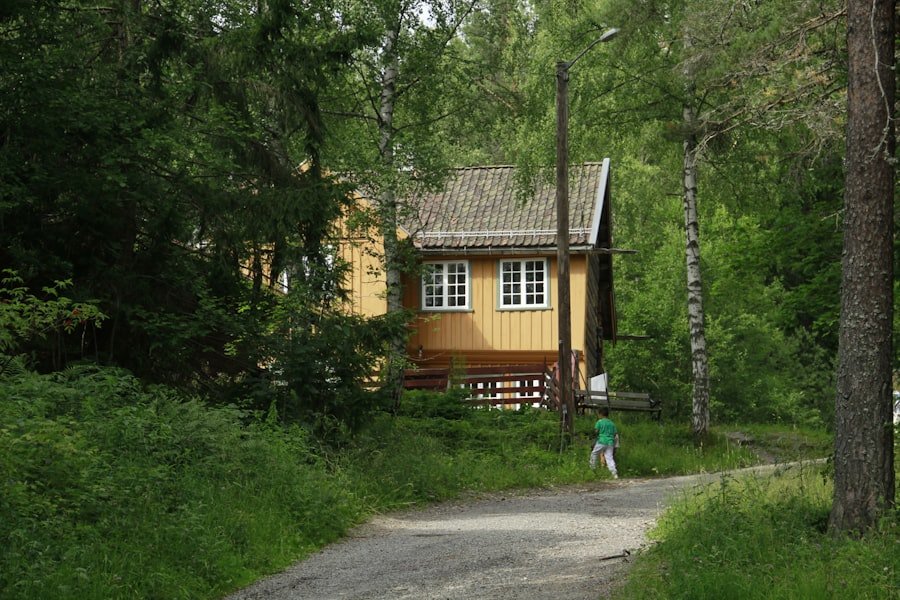
Engaging in conversations about activities and hobbies can reveal much about an individual’s personality and interests. In Norway, outdoor activities are particularly popular due to the country’s stunning natural landscapes. Many Norwegians enjoy hiking, skiing, and fishing, which often serve as common topics of discussion.
When sharing your interests, you might say, “Jeg elsker å gå på tur i fjellet” (I love hiking in the mountains), which opens up avenues for others to share their experiences as well. Moreover, discussing hobbies can lead to discovering shared interests that strengthen connections between individuals. For instance, if someone mentions their passion for photography, you could respond with enthusiasm: “Åh, jeg elsker også å ta bilder!
Hva liker du å fotografere?” (Oh, I also love taking pictures! What do you like to photograph?). Such exchanges not only enrich conversations but also foster friendships based on mutual interests.
Expressing Emotions and Feelings
The ability to express emotions and feelings is crucial for building meaningful relationships. In Norwegian culture, people tend to be reserved but value authenticity in emotional expression. Phrases like “Jeg føler meg glad” (I feel happy) or “Jeg er trist” (I am sad) can help convey your emotional state clearly.
It is important to remember that sharing feelings can create deeper connections with others and foster empathy. Moreover, discussing emotions can also provide an opportunity for support and understanding. If someone shares their struggles with you, responding with compassion by saying something like “Det er helt forståelig” (That is completely understandable) can validate their feelings and encourage open dialogue.
This exchange not only strengthens bonds but also creates a safe space for vulnerability.
Talking about Health and Well-being
Health and well-being are topics that resonate universally, often leading to discussions about lifestyle choices and self-care practices. In Norway, there is a strong emphasis on maintaining a healthy lifestyle through outdoor activities and balanced nutrition. When discussing health-related topics, one might say, “Jeg prøver å spise sunt og trene regelmessig” (I try to eat healthily and exercise regularly).
This reflects a commitment to well-being that many Norwegians share. Additionally, mental health awareness has gained significant traction in recent years. Conversations about mental well-being are becoming increasingly common, with phrases like “Det er viktig å ta vare på sin mentale helse” (It is important to take care of your mental health) being used more frequently.
By discussing these topics openly, individuals can support one another in their journeys towards better health and well-being.
Discussing School and Education
Education holds a prominent place in Norwegian society, with a strong emphasis on equal opportunities for all students. When discussing school experiences or educational aspirations, one might say, “Jeg studerer ved universitetet” (I study at the university). This statement not only conveys information but also opens up avenues for further discussion about academic interests and career goals.
Moreover, conversations about education can highlight cultural differences in teaching methods and learning environments. For instance, one might share insights about Norway’s focus on collaborative learning: “I Norge oppfordres vi til å jobbe sammen i grupper” (In Norway, we are encouraged to work together in groups). Such exchanges can foster understanding and appreciation of diverse educational philosophies.
Talking about Family and Relationships
Family plays a central role in Norwegian culture, often serving as a source of support and connection. When discussing family dynamics or relationships, phrases like “Jeg har en stor familie” (I have a large family) or “Vi tilbringer mye tid sammen” (We spend a lot of time together) can illustrate the importance of familial bonds. Conversations about family often evoke warmth and nostalgia as individuals share stories from their upbringing.
Furthermore, relationships extend beyond family to include friendships and romantic partnerships. Discussing these connections can reveal much about personal values and priorities. For example, one might say, “Vennskap er veldig viktig for meg” (Friendship is very important to me), highlighting the significance of social connections in one’s life.
Expressing Love and Affection
Expressing love and affection is an essential aspect of human relationships that transcends cultural boundaries. In Norwegian culture, while expressions of love may be more understated compared to some other cultures, they are nonetheless meaningful. Phrases such as “Jeg elsker deg” (I love you) carry profound significance when shared with family members or partners.
Moreover, affection can be expressed through small gestures that demonstrate care and consideration. Simple acts like giving compliments or spending quality time together can convey love without needing grand declarations. For instance, saying “Du betyr mye for meg” (You mean a lot to me) can strengthen emotional bonds and reinforce feelings of affection.
In conclusion, mastering these conversational skills not only enhances communication but also enriches personal interactions across various contexts. For those looking to improve their Norwegian language skills specifically, the NLS Norwegian Language School in Oslo offers comprehensive courses tailored to different proficiency levels. With experienced instructors and immersive learning environments, students can develop their language abilities while exploring cultural nuances that make conversations more meaningful.
Whether you’re starting from scratch or seeking to refine your skills further, NLS provides an excellent platform for anyone eager to engage with the Norwegian language and culture effectively.
Start your Norwegian language journey with Oslo’s leading school.