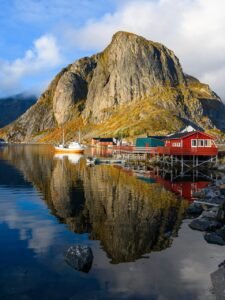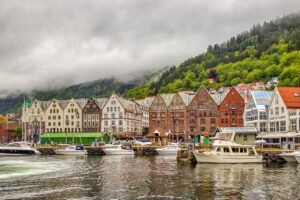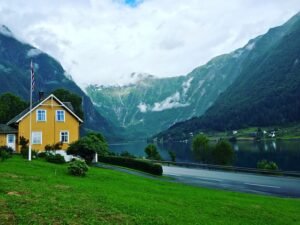
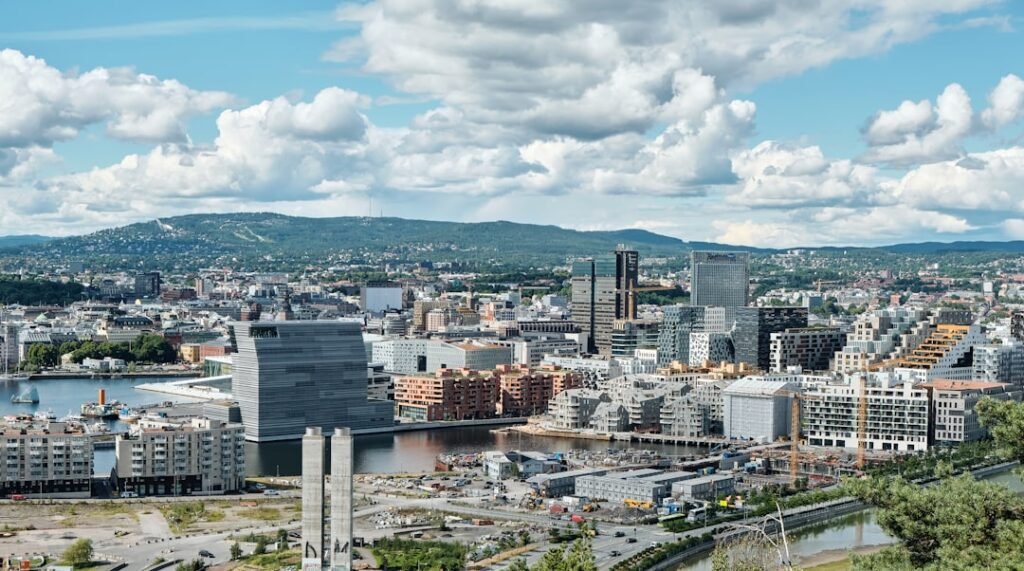
Norway is a country rich in cultural heritage and linguistic diversity, with a tapestry of dialects that reflect its varied geography and history. The Norwegian language, while officially unified under the two written forms of Bokmål and Nynorsk, is spoken in numerous regional dialects that can differ significantly from one another. These dialects are not merely variations of a single language; they embody the unique identities of the communities that speak them.
From the rugged fjords of the west to the serene forests of the east, each dialect carries with it a story, a tradition, and a way of life that is deeply rooted in the local culture. Understanding these dialects is essential for anyone looking to immerse themselves in Norwegian society. The nuances of pronunciation, vocabulary, and even grammar can vary widely from one region to another, making it crucial for learners and speakers alike to appreciate these differences.
As Norway continues to evolve as a multicultural society, the significance of its dialects becomes even more pronounced, offering insights into the country’s history, social dynamics, and regional pride. Register for a Norwegian class at the NLS Norwegian Language School now! https://nlsnorwegian.no/group-norwegian-classes/
Key Takeaways
- Norwegian dialects vary greatly across different regions of the country, making it a diverse and complex language landscape.
- Understanding regional differences in Norwegian dialects is crucial for effective communication and cultural integration.
- Common dialects in Norway include Eastern, Western, Northern, and Southern dialects, each with its own unique pronunciation and vocabulary variations.
- Pronunciation and vocabulary variations in Norwegian dialects can pose challenges for learners, but also offer a deeper understanding of the language and its cultural significance.
- Embracing the diversity of Norwegian dialects can lead to a richer cultural experience and better integration into Norwegian society.
The Importance of Understanding Regional Differences
The importance of understanding regional differences in Norwegian dialects cannot be overstated. For learners of the language, grasping these variations enhances communication and fosters deeper connections with native speakers. When one is able to recognize and adapt to the local dialect, it demonstrates respect for the culture and an appreciation for the rich linguistic heritage of Norway.
This understanding can lead to more meaningful interactions, whether in casual conversations or professional settings. Moreover, regional dialects often carry with them unique expressions and idioms that are not found in standard Norwegian. These phrases can provide insight into local customs and ways of thinking, enriching one’s understanding of Norwegian culture as a whole.
By embracing these differences, learners can gain a more comprehensive view of Norway’s social fabric, which is woven together by its diverse dialects.
Common Dialects in Norway

Norway boasts a plethora of dialects, each with its own distinct characteristics. Among the most recognized are the dialects spoken in Oslo, Bergen, and Trondheim. The Oslo dialect, known as “Oslo-mål,” is often considered the standard for Bokmål and is characterized by its relatively straightforward pronunciation and vocabulary.
In contrast, the Bergen dialect, or “Bergensk,” is known for its melodic intonation and unique vocabulary that can sometimes leave outsiders puzzled. Trondheim’s dialect, referred to as “Trøndersk,” features a distinctive pronunciation that includes a notable use of diphthongs and a unique rhythm. Other notable dialects include those from Northern Norway, such as “Nordnorsk,” which is heavily influenced by the Sámi languages and has its own set of phonetic rules.
Each of these dialects not only reflects geographical distinctions but also showcases the historical influences that have shaped them over time.
Pronunciation and Vocabulary Variations
Pronunciation and vocabulary variations among Norwegian dialects can be striking. For instance, the way certain vowels are articulated can differ dramatically from one region to another. In Bergen, the vowel sounds may be elongated and pronounced with a distinct lilt, while in Oslo, they tend to be more clipped and straightforward.
This divergence can sometimes lead to misunderstandings or confusion among speakers from different regions. Vocabulary also varies significantly across dialects. Certain words may be commonly used in one area but completely foreign in another.
For example, the word for “bread” is “brød” in Bokmål but may be referred to as “leiv” in some Northern dialects. Such variations highlight the importance of context when communicating in Norwegian and underscore the need for learners to familiarize themselves with regional terms and expressions.
Cultural Significance of Dialects
The cultural significance of Norwegian dialects extends beyond mere communication; they are a vital part of national identity. Each dialect serves as a marker of regional pride and heritage, often reflecting historical events, migration patterns, and local customs. For many Norwegians, their dialect is a source of pride that connects them to their roots and community.
Furthermore, dialects play a crucial role in literature, music, and art within Norway. Many contemporary authors and musicians choose to write or perform in their local dialects, celebrating their unique cultural backgrounds while also contributing to the broader narrative of Norwegian identity. This artistic expression not only preserves regional languages but also fosters a sense of belonging among speakers.
Challenges and Benefits of Learning Dialects
Learning Norwegian dialects presents both challenges and benefits for language learners. One significant challenge is the sheer variety of dialects; with so many regional differences, it can be overwhelming for learners to know which form to focus on. Additionally, native speakers may switch between dialects depending on their audience or context, which can create confusion for those who are still mastering the language.
However, the benefits of learning dialects far outweigh these challenges. Being able to understand and communicate in various dialects enhances one’s linguistic flexibility and adaptability. It allows learners to engage more fully with native speakers and participate in local conversations without feeling alienated.
Moreover, mastering dialectal nuances can lead to greater cultural appreciation and understanding, enriching one’s overall experience in Norway.
Strategies for Navigating Dialect Differences
To effectively navigate the complexities of Norwegian dialects, learners can employ several strategies. First and foremost, exposure is key; immersing oneself in different dialects through media such as films, music, and podcasts can help learners become familiar with various pronunciations and vocabulary. Engaging with native speakers from different regions also provides invaluable practice and insight into how dialects function in everyday conversation.
Another effective strategy is to focus on listening skills. By actively listening to conversations or recordings in different dialects, learners can train their ears to pick up on subtle differences in pronunciation and word usage. Additionally, seeking out language exchange partners or joining local conversation groups can provide opportunities for real-life practice and feedback on dialectal variations.
How Our Language Training Center Addresses Dialects
At our language training center, we recognize the importance of understanding Norwegian dialects as part of our comprehensive language curriculum. Our courses are designed not only to teach standard Norwegian but also to expose students to various regional dialects through interactive lessons and authentic materials. We incorporate audio recordings from native speakers across different regions to help students develop their listening skills and familiarize themselves with diverse pronunciations.
Furthermore, our instructors are well-versed in the intricacies of Norwegian dialects and are committed to providing personalized guidance based on each student’s interests and goals. We offer specialized workshops focused on specific dialects, allowing students to delve deeper into the linguistic features that define them. By fostering an environment that values linguistic diversity, we empower our students to embrace the richness of Norwegian culture.
Case Studies of Successful Dialect Adaptation
Several case studies illustrate the successful adaptation to Norwegian dialects among language learners at our center. One notable example is a student from Germany who initially struggled with understanding spoken Norwegian due to the rapid shifts between different dialects during conversations. Through targeted practice sessions focused on listening comprehension and exposure to various regional accents, this student gradually became more comfortable navigating these differences.
Another success story involves a group of international students who participated in a summer immersion program in Norway. They were encouraged to engage with locals in their respective regions, leading to significant improvements in their ability to understand and communicate using local dialects. By embracing the challenge of learning these variations, they not only enhanced their language skills but also formed lasting connections with their host communities.
Resources for Further Dialect Exploration
For those interested in further exploring Norwegian dialects, numerous resources are available. Online platforms such as language learning apps often include sections dedicated to regional variations, providing learners with interactive exercises tailored to specific dialects. Additionally, websites dedicated to Norwegian culture frequently feature articles and videos that highlight different dialects and their unique characteristics.
Books on Norwegian linguistics can also offer valuable insights into the historical development of various dialects and their cultural significance. Furthermore, engaging with local communities through social media or language exchange platforms can provide opportunities for real-time practice and exposure to authentic dialectal speech.
Embracing the Diversity of Norwegian Dialects
In conclusion, embracing the diversity of Norwegian dialects enriches our understanding of both the language itself and the culture it represents. Each dialect serves as a window into the history and identity of its speakers, offering valuable insights into Norway’s social landscape. For language learners, navigating these variations may present challenges; however, the rewards—enhanced communication skills, cultural appreciation, and personal connections—are well worth the effort.
At our language training center, we celebrate this diversity by equipping our students with the tools they need to engage confidently with all aspects of Norwegian language and culture. By fostering an appreciation for regional differences, we empower learners to become not just proficient speakers but also informed ambassadors of Norway’s rich linguistic heritage.
Register for a Norwegian class at the NLS Norwegian Language School now!