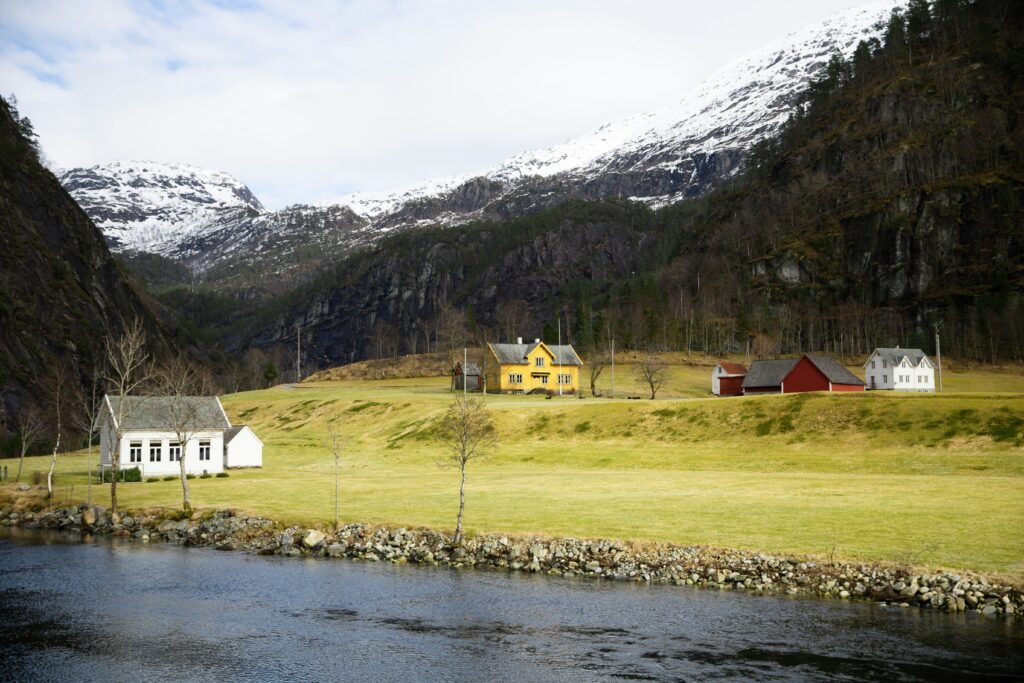
Celebrating Nynorsk Culture Day
Celebrated annually on November 9th, Nynorsk Culture Day (Nynorskdagen) provides a vital platform to acknowledge, explore, and perpetuate one of Norway’s two official written languages. While Norwegian Bokmål enjoys a wider reach in terms of daily usage and media representation, Nynorsk holds a profound historical and cultural weight, representing a distinct branch of Norwegian linguistic and cultural heritage. This day serves not merely as a commemoration but as an active effort to ensure Nynorsk’s continued relevance and vibrancy in a modern, globalized society. The origins of Nynorsk, stemming from the mid-19th century efforts to create a standardized written language based on rural Norwegian dialects, highlight its unique relationship with the land and its people. Unlike Bokmål, which evolved from Danish more directly, Nynorsk sought to capture the authentic linguistic essence of Norway’s outlying communities. This fundamental difference underscores the importance of Nynorsk Culture Day: it is a celebration of linguistic diversity, a testament to a conscious choice to preserve a particular expression of national identity.
The historical context of Nynorsk is inseparable from the burgeoning Norwegian nationalism of the 19th century. As Norway sought to assert its independence from Sweden, there was a growing desire to establish a national language that reflected the country’s own linguistic traditions, rather than those of its historical rulers. Ivar Aasen, a pioneering linguist, embarked on an extensive journey across Norway, meticulously documenting and analyzing various dialects. His groundbreaking work culminated in the publication of Det norske Folkesprogs Grammatik (Grammar of the Norwegian Vernacular) in 1848 and Ordbog over det norske Folkesprog (Dictionary of the Norwegian Vernacular) in 1850, laying the foundation for Nynorsk. The subsequent development and refinement of Nynorsk, including the establishment of official standards and its integration into education and public life, represent a sustained commitment to linguistic self-determination. Nynorsk Culture Day, therefore, is a direct descendant of this historical struggle for linguistic autonomy and a recognition of the value of preserving diverse linguistic heritage.
Table of Contents
ToggleThe Historical Roots of Nynorsk
The journey to creating a distinct Norwegian written language, Nynorsk, is a narrative deeply intertwined with Norway’s national awakening and cultural self-discovery. In the 19th century, Norway, having transitioned from Danish rule, found itself with a written language heavily influenced by Danish. This situation presented a linguistic dilemma: should Norway continue to use a language that, while understood, was not intrinsically Norwegian in its spoken form, or should it actively cultivate its own written tongue?
The Vision of Ivar Aasen
The central figure in the creation of Nynorsk is undoubtedly Ivar Aasen. A self-taught scholar from Ørsta, Aasen believed that Norway’s dialects, spoken by the majority of the population, held the key to a truly national written language. He famously embarked on a laborious, multi-year odyssey across Norway, collecting and analyzing spoken language from various regions. His profound understanding of linguistics allowed him to identify common patterns, grammatical structures, and vocabulary that formed a coherent linguistic whole, distinct from Danish and even from the more urbanized Norwegian dialects that would later influence Bokmål. Aasen’s ambition was not to create a linguistic monstrosity or to discard existing Norwegian speech, but rather to synthesize the most authentic and widespread elements of Norway’s vernacular into a standardized, usable written form. He envisioned a language that would unite the nation linguistically, fostering a stronger sense of shared identity.
The Formation of Landsmål
Aasen’s meticulous research led to the publication of his seminal works, Det norske Folkesprogs Grammatik (Grammar of the Norwegian Vernacular) in 1848 and Ordbog over det norske Folkesprog (Dictionary of the Norwegian Vernacular) in 1850. These foundational texts were not merely academic exercises; they provided the concrete framework and vocabulary upon which Nynorsk, initially known as Landsmål (National Language), was built. The process of establishing Landsmål was not without controversy, encountering resistance from those who favored closer ties with Danish or who felt that the existing written language was sufficient. However, Aasen’s rigorous scholarship and the growing national sentiment gradually paved the way for the acceptance and adoption of his linguistic project.
Nynorsk in Contemporary Norway
The narrative of Nynorsk does not end with its creation. Its evolution and integration into contemporary Norwegian society are ongoing processes, marked by both successes and challenges. Nynorsk remains a living language, actively used in various spheres of public life and by a dedicated community of speakers and writers.
Linguistic Diversity and National Identity
The existence of two official written languages, Nynorsk and Bokmål, is a unique feature of Norway. This linguistic duality is often viewed as a strength, reflecting the country’s diverse regional cultures and its commitment to inclusivity. Nynorsk, in particular, serves as a powerful symbol of Norwegian cultural heritage, connecting modern Norwegians to the agricultural and rural past. Its continued presence in education, media, and official communication helps to maintain this linguistic diversity and reinforces a broad understanding of Norwegian identity, one that acknowledges and values regional variations. The arguments for preserving Nynorsk often center on the principle that a nation should represent the full spectrum of its linguistic heritage, not just the most dominant dialect.
Government Policy and Educational Integration
Norwegian policy has consistently aimed to ensure that both Nynorsk and Bokmål are given opportunities to thrive. In municipalities where Nynorsk is the predominant written language, it is used as the primary language of instruction in schools and in public administration. For municipalities with a mixed or Bokmål-leaning population, efforts are made to provide instruction in both languages, ensuring that students receive exposure to Nynorsk. The Norwegian government has implemented various measures to support the production of Nynorsk literature, media, and cultural content, recognizing the importance of a robust Nynorsk presence across all sectors of society. This includes funding for Nynorsk publications, broadcasting, and cultural institutions.
The Role of Nynorsk in Media and Literature
While Bokmål generally dominates Norwegian media, Nynorsk maintains a significant presence, particularly in regions where it is widely spoken. Public broadcasting services, such as NRK, are mandated to provide programming in both languages, ensuring that Nynorsk speakers have access to news, entertainment, and cultural content in their preferred written form. The literary landscape also features a strong contingent of Nynorsk authors, producing poetry, novels, and non-fiction that contribute to the richness of Norwegian literature. These authors often draw inspiration from rural life, Norwegian folklore, and the unique cultural expressions found in Nynorsk-speaking areas, offering distinct perspectives and literary styles.
Celebrating Nynorsk Culture Day
Nynorsk Culture Day is the focal point for celebrating this vital aspect of Norwegian heritage. It is a day dedicated to fostering understanding, appreciation, and active engagement with the Nynorsk language and the culture it represents. The celebrations are diverse, ranging from formal academic discussions to community-based events, all aimed at highlighting the significance of Nynorsk.
Events and Activities Across Norway
Throughout Norway, Nynorsk Culture Day is marked by a variety of events. These often include lectures and seminars focusing on Nynorsk’s history, linguistics, and contemporary relevance, organized by academic institutions and cultural organizations. Public libraries frequently host readings by Nynorsk authors, book launches, and workshops on Nynorsk calligraphy and grammar. In schools, the day is often a pedagogical opportunity, with students participating in Nynorsk-themed quizzes, creative writing competitions, and presentations about the language. Cultural performances, such as concerts featuring Nynorsk folk music or theatrical productions in Nynorsk, are also common, showcasing the artistic output of the Nynorsk community.
The Importance of Public Discourse
Beyond organized events, Nynorsk Culture Day provides a platform for broader public discourse about the language. Media outlets often dedicate special features to Nynorsk, publishing articles that explore its challenges and triumphs, interview prominent Nynorsk speakers, and discuss its role in the national narrative. This public discussion is crucial for raising awareness and fostering a sense of collective responsibility for the language’s future. It encourages debate on topics such as linguistic policy, the balance between Nynorsk and Bokmål in different sectors, and the importance of Nynorsk for maintaining regional identity.
Are you ready to master Nynorsk? Join our expert-led classes from A1 to C2 and learn to communicate with confidence.
Nynorsk Courses in Oslo
While Nynorsk has its strongholds in western Norway, its presence and promotion extend to the capital. In Oslo, Nynorsk courses play a crucial role in making the language accessible to a wider audience and in supporting its continued use and development. These courses cater to a diverse range of learners, from native Norwegian speakers seeking to engage with their heritage to international individuals interested in a deeper understanding of Norwegian culture and language.
Norwegian Language School in Oslo and Nynorsk
The NLS Norwegian Language School in Oslo stands as a significant institution in this regard. Recognizing the importance of linguistic diversity, the school has dedicated itself to offering Nynorsk instruction. This commitment goes beyond merely providing basic language acquisition; it aims to equip learners with a comprehensive understanding of Nynorsk, including its cultural nuances and historical context. The NLS acknowledges that for many, learning Nynorsk is not just about acquiring a new skill, but about connecting with a fundamental aspect of Norwegian identity. The school’s curriculum is designed to be accessible and engaging, employing experienced instructors who are passionate about Nynorsk and its preservation.
Curriculum and Pedagogical Approach
The Nynorsk courses at NLS Norwegian Language School in Oslo are characterized by a balanced approach, integrating linguistic instruction with cultural insights. Learners are exposed to the grammatical structures and vocabulary of Nynorsk, but also to its literary traditions, historical development, and its relevance in contemporary Norwegian society. The pedagogical methods employed aim to foster active participation and communicative competence, moving beyond rote memorization to encourage confident use of the language. Small class sizes are often a feature, allowing for personalized attention and tailored learning experiences, ensuring that each student receives the support they need to progress.
The Significance of Nynorsk Education in the Capital
Offering Nynorsk courses in Oslo is particularly significant. As the capital city, Oslo is a melting pot of cultures and experiences. By providing accessible Nynorsk education, NLS Norwegian Language School contributes to the capital’s role as a center for promoting and celebrating all aspects of Norwegian culture. It democratizes access to Nynorsk, making it a viable option for individuals who may not have grown up in a Nynorsk-speaking environment but who wish to connect with this important part of their national heritage. These courses are not just about teaching a language; they are about fostering an appreciation for linguistic diversity and ensuring the continued vitality of Nynorsk for future generations, right in the heart of Norway.
Challenges and Future Prospects
Despite the ongoing efforts, Nynorsk faces its share of challenges. Maintaining parity with Bokmål in all areas of public life, particularly in media and national institutions, remains a persistent objective. The digital age presents both opportunities and challenges, with the need to ensure that Nynorsk content is readily available and discoverable online.
Maintaining Linguistic Balance
The ongoing debate about the balance between Nynorsk and Bokmål in public life is a testament to the challenges. While significant progress has been made, ensuring equal visibility and opportunities for Nynorsk in areas like national media, academic publications, and government communications requires continuous vigilance and proactive policy. This involves not only supporting existing Nynorsk initiatives but also actively seeking out and creating new avenues for its expression.
The Role of Technology and Digitalization
In the 21st century, technology plays a crucial role in language preservation and promotion. For Nynorsk, this means ensuring robust digital resources, including spell checkers, translation tools, and online learning platforms. Efforts are underway to digitize historical Nynorsk texts and to create new digital content in Nynorsk to cater to the evolving digital landscape. This can also involve engaging with social media and online communities to foster a vibrant digital presence for the language.
The Enduring Appeal of Nynorsk
Ultimately, the future of Nynorsk rests on its enduring appeal and the continued commitment of its speakers and supporters. Nynorsk Culture Day serves as a powerful reminder of this rich linguistic heritage, encouraging new generations to embrace and contribute to its ongoing story. The dedication of institutions like the NLS Norwegian Language School in Oslo, in offering comprehensive Nynorsk courses, directly contributes to this future, ensuring that this vital part of Norway’s cultural tapestry continues to thrive. Their work in Oslo, providing accessible and culturally rich Nynorsk education, exemplifies the proactive steps being taken to ensure the language’s long-term vitality.
Unlock opportunities in Norway. Start building your Nynorsk skills with NLS today.—–
If you want to learn Norwegian, you can register for classes here. We look forward to hearing from you and helping you become fluent in Norwegian.
Recent Posts