The 17th of May, known as Syttende Mai, is a day of immense importance in Norway, celebrated with fervor and pride across the nation. This day marks the signing of the Norwegian Constitution in 1814, a pivotal moment that laid the foundation for Norway’s independence and democratic governance. The significance of this day transcends mere historical remembrance; it embodies the spirit of national identity, unity, and cultural heritage.
On this day, Norwegians from all walks of life come together to celebrate their shared values, history, and aspirations for the future. The celebrations are characterized by a vibrant display of traditional costumes, parades, and communal gatherings. Streets are filled with laughter, music, and the joyous sounds of children waving flags.
The atmosphere is electric, as families and friends unite to honor their heritage. The 17th of May serves not only as a reminder of Norway’s past but also as a celebration of its present and future, fostering a sense of belonging and pride among its citizens. It is a day when the entire nation comes alive, showcasing the rich tapestry of Norwegian culture. Register for a Norwegian class at the NLS Norwegian Language School now! https://nlsnorwegian.no/group-norwegian-classes/
Key Takeaways
- 17. mai is a significant day in Norwegian culture, marking the country’s constitution day and a celebration of national identity.
- Embracing Norwegian traditions at our language training school allows students to immerse themselves in the rich cultural heritage of Norway.
- Exploring the history and origins of 17. mai celebrations provides insight into the evolution of this important national holiday.
- Immersing yourself in Norwegian cuisine and culinary traditions offers a delicious way to connect with the culture and traditions of Norway.
- Understanding the role of Bunad in Norwegian National Day celebrations highlights the importance of traditional attire in the festivities.
At the NLS Norwegian Language School in Oslo, we recognize the importance of cultural immersion in language learning. Our curriculum is designed to not only teach the Norwegian language but also to embrace and celebrate the rich traditions that accompany it. As we approach the 17th of May, our students are encouraged to engage with various aspects of Norwegian culture, from learning about traditional songs to understanding the significance of national symbols.
This holistic approach enhances language acquisition by providing context and relevance to what students are learning. In preparation for Syttende Mai, our school organizes a series of workshops and activities that allow students to experience Norwegian traditions firsthand. From crafting bunads to participating in folk dances, students gain a deeper appreciation for the cultural nuances that shape the language they are studying.
By immersing themselves in these traditions, learners not only improve their language skills but also forge connections with their peers and the local community. This cultural engagement fosters a sense of belonging and enriches the overall learning experience at our school.
The origins of 17. mai celebrations can be traced back to the early 19th century when Norway was under Danish rule. The desire for independence and national identity grew stronger among Norwegians, culminating in the drafting of the Constitution in 1814.
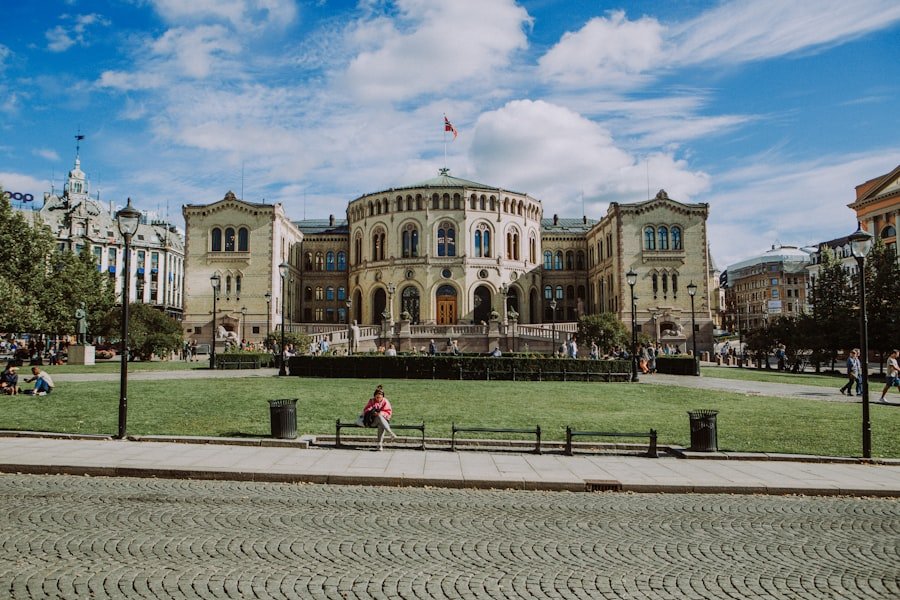
Initially, the day was marked by small gatherings and speeches, but as national sentiment grew, so did the scale of the celebrations. By the late 1800s, Syttende Mai had evolved into a nationwide event characterized by parades, music, and public festivities. The first official celebration took place in 1836 in Oslo (then called Christiania), where schoolchildren marched through the streets waving flags and singing patriotic songs.
This tradition has continued to grow over the years, with parades now featuring thousands of participants, including marching bands, schoolchildren, and various organizations. The celebrations have become a symbol of Norwegian pride and unity, reflecting the country’s journey toward independence and self-determination.
Immersing Yourself in Norwegian Cuisine and Culinary Traditions
No celebration is complete without food, and 17. mai is no exception. Traditional Norwegian cuisine plays a significant role in the festivities, with families preparing special dishes to share with friends and loved ones.
At our language training school, we take pride in introducing students to these culinary traditions as part of their cultural immersion experience. From delicious open-faced sandwiches known as smørbrød to sweet treats like kransekake (a ring-shaped almond cake), students have the opportunity to explore the flavors that define Norwegian cuisine. Cooking classes are organized leading up to Syttende Mai, where students can learn how to prepare traditional dishes while practicing their language skills in a fun and interactive environment.
These culinary experiences not only enhance language learning but also foster camaraderie among students as they bond over shared meals and cooking adventures. By immersing themselves in Norwegian cuisine, learners gain insight into the cultural significance of food in celebrations and everyday life.
Understanding the Role of Bunad in Norwegian National Day Celebrations
One of the most striking features of Syttende Mai is the sight of bunads—traditional Norwegian costumes worn with pride during national celebrations. Each bunad is unique to its region, reflecting local history, craftsmanship, and cultural identity. At our language training school, we emphasize the importance of bunads as symbols of national pride and heritage.
Students learn about the various styles and colors associated with different regions while also exploring the stories behind these beautiful garments. Wearing a bunad on 17. mai is not just about tradition; it is a way for individuals to connect with their roots and express their identity.
Many families pass down bunads through generations, making them cherished heirlooms that carry personal histories. As part of our cultural programming, students are encouraged to wear bunads during celebrations at our school, allowing them to experience firsthand the joy and pride that comes with donning this traditional attire.
Participating in Traditional Norwegian Folk Dancing and Music
Music and dance are integral components of Syttende Mai celebrations, bringing people together in joyous expression. At our language training school, we offer workshops focused on traditional Norwegian folk dancing and music as part of our cultural immersion program. Students learn popular folk dances such as halling and springar while also discovering traditional instruments like the hardanger fiddle.
These activities not only enhance language skills but also provide an opportunity for students to engage with one another in a lively and interactive setting. Participating in folk dancing allows students to experience the rhythm and spirit of Norwegian culture while fostering connections with their peers. The joy of dancing together creates a sense of community that transcends language barriers.
As students learn traditional songs associated with these dances, they also gain insight into the stories and themes that resonate within Norwegian folklore. This immersive experience enriches their understanding of both the language and culture they are studying.
Creating and Displaying Norwegian Flags and Decorations
The sight of Norwegian flags waving proudly on Syttende Mai is a hallmark of the celebrations. At our language training school, we encourage students to participate in creating decorations that reflect this national pride. Workshops are organized where students can craft their own flags or design festive decorations for classrooms and common areas.
This hands-on activity not only fosters creativity but also deepens students’ connection to Norwegian culture. Displaying these decorations throughout our school creates an inviting atmosphere that celebrates Syttende Mai while providing an opportunity for students to practice their language skills in a fun context. As they discuss their creations with classmates or explain their significance to others, they reinforce their understanding of vocabulary related to national symbols and celebrations.
This collaborative effort enhances community spirit within our school while allowing students to express their enthusiasm for their new language.
The parades that take place on 17. mai are a central feature of the celebrations, drawing crowds from all corners of Norway. These processions showcase not only traditional costumes but also local organizations, schools, and marching bands that contribute to the festive atmosphere.
At our language training school, we take time to educate students about the significance of these parades—how they symbolize unity, pride, and collective identity among Norwegians. Students learn about the history behind these parades and how they have evolved over time into grand displays of national pride. We encourage them to participate in local parades or even organize mini-parades within our school community as part of our celebrations.
This hands-on involvement allows students to experience firsthand the excitement and camaraderie that comes with being part of such an important cultural event.
Engaging in Norwegian Language and Conversation Practice

Language learning is most effective when it is contextualized within cultural experiences. At our language training school, we prioritize conversation practice as an essential component of our curriculum—especially during significant events like Syttende Mai. Students engage in discussions about traditions, history, and personal experiences related to this national celebration while practicing their language skills in real-life contexts.
Through group activities such as storytelling sessions or sharing personal reflections on what Syttende Mai means to them, students build confidence in their conversational abilities while deepening their understanding of Norwegian culture. This interactive approach fosters meaningful connections among classmates as they share insights into their own backgrounds while learning from one another’s perspectives.
As night falls on Syttende Mai, many cities across Norway light up with spectacular fireworks displays that add an extra layer of excitement to the celebrations. At our language training school, we recognize that experiencing these fireworks can be a memorable part of immersing oneself in Norwegian culture. We organize outings for students to witness these displays together—creating lasting memories while celebrating their newfound language skills.
The joy and wonder associated with fireworks serve as a reminder that celebrations are not just about history or tradition; they are also about creating shared experiences that bring people together. As students gather under the night sky to watch fireworks explode in vibrant colors above them, they forge connections with one another while reveling in the beauty of this national celebration.
At NLS Norwegian Language School in Oslo, we believe that learning a language goes beyond textbooks; it involves building relationships within a community that shares common interests and values. The 17th of May provides an excellent opportunity for us to strengthen these connections among students from diverse backgrounds who come together to celebrate Norway’s national day. Through collaborative activities such as cooking classes, folk dancing workshops, flag-making sessions, and participation in parades—students not only enhance their language skills but also create bonds that extend beyond the classroom walls.
These shared experiences foster friendships that enrich their time at our school while cultivating an appreciation for both language learning and cultural exchange. In conclusion, Syttende Mai serves as a powerful reminder of Norway’s rich history and vibrant culture—a celebration that resonates deeply within its people. At NLS Norwegian Language School in Oslo, we embrace this spirit by providing students with opportunities to immerse themselves fully in both language learning and cultural traditions surrounding this significant day.
Through engaging activities centered around food, music, dance, history—and most importantly—community—we strive to create an environment where learners can thrive while forging lasting connections with one another as they embark on their journey toward fluency in Norwegian.
Register for a Norwegian class at the NLS Norwegian Language School now!