Language Blog
Essential Korean Phrases for Renting an Apartment
When embarking on a new chapter in life, whether it be moving to a new city or simply finding a new place to call home, the importance of greetings and

When embarking on a new chapter in life, whether it be moving to a new city or simply finding a new place to call home, the importance of greetings and
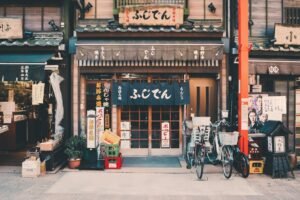
In Japan, greetings are an essential part of daily interactions, reflecting the culture’s deep-rooted respect and politeness. A simple “Konnichiwa” (こんにちは) serves as a warm greeting during the day, while

In Japanese culture, food is not merely sustenance; it is an art form that embodies tradition, respect, and a deep appreciation for nature. Complimenting food is an integral part of
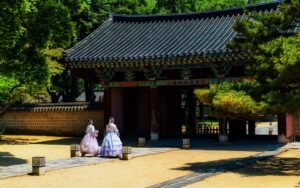
Korean honourifics are an integral part of the language, reflecting the deep-rooted cultural values of respect and hierarchy. Unlike many Western languages, Korean employs a complex system of speech levels
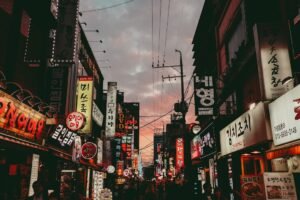
Korean culture is rich with expressions of affection, and the language itself is imbued with a poetic quality that makes romantic phrases particularly enchanting. The beauty of the Korean language

When initiating a conversation, particularly over the phone, the importance of a warm greeting cannot be overstated. A simple “Hello” or “Good morning” sets a positive tone for the interaction.

Sympathy and support are fundamental aspects of human interaction, serving as the bedrock of relationships and community cohesion. In times of distress, whether due to personal loss, illness, or hardship,
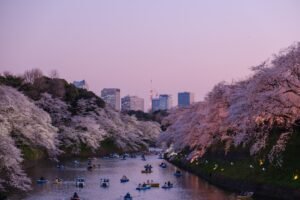
In Japanese culture, the phrase ‘ganbatte’ holds a significant place, embodying the spirit of perseverance and encouragement. It is more than just a simple expression; it encapsulates a philosophy that

Japanese business culture is a fascinating blend of tradition and modernity, deeply rooted in the values of respect, harmony, and diligence. Understanding this culture is essential for anyone looking to
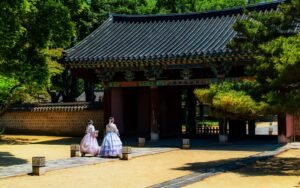
Expressing frustration and annoyance is a universal human experience, transcending cultural boundaries. However, the manner in which these emotions are articulated can vary significantly from one culture to another. In