Navigating a new country can be both exhilarating and daunting, especially when it comes to finding your way around. In Norway, where stunning landscapes and vibrant cities beckon, knowing how to ask for directions can significantly enhance your travel experience. The Norwegian language, with its melodic tones and unique phrases, offers a gateway to understanding the culture and connecting with locals.
One of the most essential phrases you will encounter is “Hvor er det?” which translates to “Where is it?” This simple yet powerful question can open doors to new adventures and help you discover the hidden gems of Norway. Asking for directions in Norwegian not only aids in navigation but also serves as an opportunity to engage with the friendly and welcoming Norwegian people. The ability to communicate effectively in their language can lead to richer interactions and a deeper appreciation of the local customs.
In this article, we will explore the various aspects of asking for directions in Norwegian, focusing on essential phrases, contextual usage, and tips for understanding responses. By mastering these skills, you will be well-equipped to navigate the enchanting streets of Oslo, Bergen, and beyond. Start learning Norwegian at the NLS Norwegian Language School now!
Summary
- “Hvor er det?” is a key phrase for asking for directions in Norwegian
- Basic phrases like “Unnskyld meg” and “Kan du hjelpe meg?” are essential for asking for directions
- “Hvor er det?” translates to “Where is it?” and is used to ask for specific locations
- Using “Hvor er det?” in different contexts, such as finding a restaurant or a museum, is important for effective communication
- Polite ways to ask for directions in Norwegian include adding “Vær så snill” (please) to your request
Basic Phrases for Asking for Directions
When embarking on your journey through Norway, it is crucial to familiarise yourself with some basic phrases that will assist you in asking for directions. Apart from “Hvor er det?”, there are several other expressions that can be beneficial. For instance, “Kan du hjelpe meg?” translates to “Can you help me?” This phrase can be used when you feel lost or need assistance beyond just directions.
Additionally, “Hvordan kommer jeg meg til…?” means “How do I get to…?” which is particularly useful when you have a specific destination in mind. Another useful phrase is “Er det langt unna?” meaning “Is it far away?” This question can help you gauge the distance to your destination and plan your next steps accordingly. By incorporating these basic phrases into your vocabulary, you will not only enhance your ability to navigate but also demonstrate respect for the Norwegian language and culture.
Locals often appreciate when visitors make an effort to communicate in their native tongue, which can lead to more positive interactions.
Understanding the Phrase “Hvor er det?”
The phrase “Hvor er det?” is a fundamental building block in your quest for direction in Norway. Its simplicity belies its importance; it is a versatile question that can be applied in numerous situations. Whether you are looking for a specific street, a restaurant, or a tourist attraction, this phrase serves as your go-to inquiry.
Understanding its nuances can significantly improve your communication skills while travelling. In addition to its straightforward meaning, “Hvor er det?” can be adapted to fit various contexts by adding specific locations or landmarks. For example, if you want to find the nearest bus station, you could say, “Hvor er busstasjonen?” which translates to “Where is the bus station?” This adaptability makes the phrase incredibly useful for travellers who may not yet be fluent in Norwegian but wish to navigate their surroundings effectively.
Using “Hvor er det?” in Different Contexts
The beauty of “Hvor er det?” lies in its versatility across different contexts. When exploring urban areas like Oslo or Bergen, you may find yourself needing directions to various places such as museums, parks, or shopping districts. In such cases, simply appending the desired location to the phrase allows for clear communication.
For instance, if you are seeking the National Gallery in Oslo, you would ask, “Hvor er Nasjonalmuseet?” Moreover, this phrase can also be employed in more casual settings. If you are at a café and wish to know where the nearest restroom is located, you could ask, “Hvor er toalettet?” This adaptability not only makes it easier for you to navigate but also helps you engage with locals in a friendly manner. The more you practice using “Hvor er det?” in various contexts, the more confident you will become in your ability to communicate effectively while exploring Norway.
Common Responses to “Hvor er det?”
When you ask “Hvor er det?”, you will likely receive a variety of responses depending on the location you are seeking and the person you are asking. Common replies may include directional phrases such as “Det er rett fram” (It is straight ahead), “Ta til venstre” (Turn left), or “Ta til høyre” (Turn right). Understanding these basic directional terms will greatly assist you in following the instructions given by locals.
In some cases, individuals may provide additional information that could be helpful for your journey. For example, they might mention nearby landmarks or notable features that can guide you along the way. It is essential to listen carefully and take mental notes of these details as they can enhance your understanding of the directions provided.
If at any point you feel uncertain about what has been said, do not hesitate to ask for clarification by saying, “Kan du gjenta det?” (Can you repeat that?). This shows your willingness to understand and ensures that you receive accurate guidance.
Polite Ways to Ask for Directions in Norwegian
Politeness is an integral part of Norwegian culture, and when asking for directions, it is essential to convey respect and courtesy. While “Hvor er det?” is a straightforward inquiry, adding polite phrases can enhance your approach significantly. For instance, starting your request with “Unnskyld meg” (Excuse me) sets a respectful tone before diving into your question.
Another polite way to ask for directions is by using “Kan jeg få spørre deg om noe?” which translates to “May I ask you something?” This phrase not only prepares the person for your question but also demonstrates your appreciation for their time and assistance. By incorporating these polite expressions into your interactions, you will likely receive warmer responses and create a more positive atmosphere during your travels.
Using Landmarks and Street Names in Directions
When navigating Norwegian cities, using landmarks and street names can significantly enhance your ability to find your way around. Norwegians often reference well-known sites or buildings when giving directions, making it easier for visitors to understand their surroundings. For example, if someone tells you that a location is near the Oslo Opera House or close to Akershus Fortress, these references provide context that can help orient you.
Additionally, familiarising yourself with common street names can aid in your navigation efforts. Streets in Norway often have names that reflect historical figures or geographical features. Knowing how to pronounce these names correctly will not only help you understand directions better but also enable you to ask locals for assistance more effectively.
As you explore different areas of Norway, take note of significant landmarks and street names; this knowledge will serve as a valuable tool during your travels.
The context in which you ask for directions can vary greatly depending on whether you’re navigating public transport or seeking information about tourist attractions. When using public transport systems like buses or trams, it is helpful to know specific terms related to transportation. For instance, if you’re trying to find out where a particular bus stop is located, asking “Hvor er busstoppet?” will yield more relevant information.
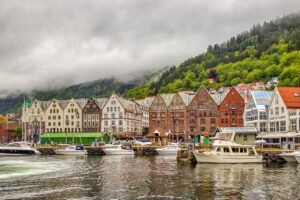
In tourist-heavy areas, locals are often accustomed to assisting visitors with directions. When approaching someone at a popular attraction like the Vigeland Park in Oslo or Bryggen in Bergen, feel free to ask questions like “Hvor er inngangen til parken?” (Where is the entrance to the park?). In these settings, people are generally more willing to help and may even offer additional tips about nearby attractions or activities worth exploring.
Navigating Norwegian Cities with “Hvor er det?”
As you traverse the charming streets of Norwegian cities using “Hvor er det?”, you’ll find that this phrase becomes an invaluable tool in your linguistic arsenal. The ability to ask for directions confidently allows you to explore without fear of getting lost. Whether you’re wandering through Oslo’s bustling city centre or enjoying the scenic views of Bergen’s harbour, knowing how to navigate using this phrase will enhance your overall experience.
Moreover, as you become more comfortable with asking for directions in Norwegian, you’ll likely find that locals appreciate your efforts and may even engage in further conversation. This interaction not only enriches your travel experience but also provides an opportunity for cultural exchange and learning about local customs and traditions.
Tips for Understanding Directions in Norwegian
Understanding directions given by locals can sometimes be challenging due to differences in accents or speed of speech. To improve your comprehension skills while navigating Norway, consider employing a few practical tips. First and foremost, pay attention to key words that indicate direction such as “venstre” (left), “høyre” (right), and “rett fram” (straight ahead).
Familiarising yourself with these terms will help you follow along even if you’re unsure about every word spoken. Additionally, don’t hesitate to ask locals to speak more slowly if you’re having difficulty understanding their instructions. A polite request such as “Kan du snakke saktere?” (Can you speak slower?) can go a long way in ensuring that you receive clear guidance.
Lastly, practice makes perfect; the more you engage with locals and immerse yourself in the language, the more confident you’ll become in understanding directions and navigating Norwegian cities.
Mastering “Hvor er det?” for Navigating Norway
In conclusion, mastering the phrase “Hvor er det?” is essential for anyone looking to navigate Norway’s beautiful cities and landscapes effectively. This simple yet powerful question opens up opportunities for exploration and connection with locals who are often eager to assist visitors on their journeys. By familiarising yourself with basic phrases, understanding contextual usage, and employing polite expressions when asking for directions, you’ll enhance both your communication skills and overall travel experience.
As you embark on your adventures through Norway’s stunning scenery and vibrant urban centres, consider enrolling in Norwegian courses at the NLS Norwegian Language School in Oslo. These courses offer tailored instruction designed to help learners of all levels develop their language skills while immersing themselves in Norwegian culture. With expert guidance from experienced instructors and a supportive learning environment, you’ll gain confidence in using phrases like “Hvor er det?” and much more as you navigate this enchanting country with ease.
Embrace the opportunity to learn and connect with Norway on a deeper level—your journey awaits!
Register for a Norwegian class at the NLS Norwegian Language School now!