

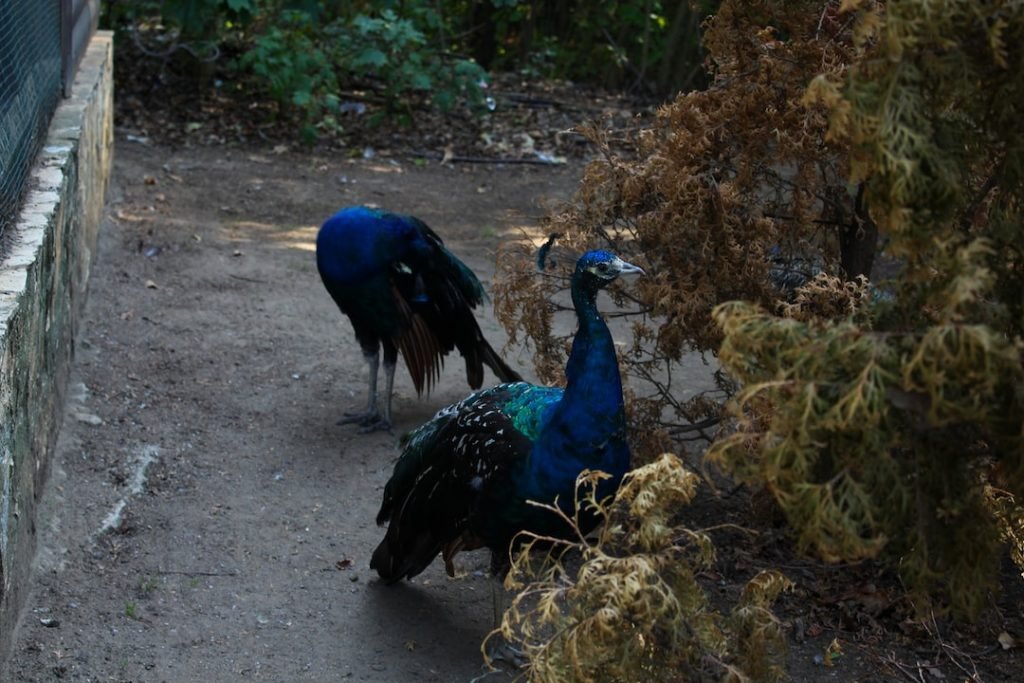
Teaching Spanish to children is becoming increasingly important in today’s globalized world. Spanish is the second most spoken language in the world, and being able to communicate in Spanish opens up a world of opportunities for children. One effective way to introduce Spanish vocabulary to children is through the use of animals and adjectives. Animals are relatable and interesting to children, and adjectives help to describe and categorize the animals, making it easier for children to understand and remember the vocabulary.
Introducing Spanish vocabulary to children through animals and adjectives
Animals and adjectives can be used as a fun and engaging way to introduce Spanish vocabulary to children. By associating animals with certain adjectives, children can easily learn new words and concepts. For example, the word “gato” means “cat” in Spanish. By describing a cat as “pequeño” (small) or “peludo” (hairy), children can learn not only the word for cat but also how to describe it using adjectives.
There are many animals and adjectives commonly used in Spanish language learning. Some examples include “perro” (dog), “oso” (bear), “pájaro” (bird), “rápido” (fast), “lento” (slow), “alto” (tall), “bajo” (short), “grande” (big), and “pequeño” (small). These words can be combined in various ways to create different phrases and sentences, allowing children to practice their vocabulary and grammar skills.
How to make learning Spanish fun with animals and adjectives
Making Spanish language learning fun is essential for keeping children engaged and motivated. There are several tips and strategies that can be used to make learning Spanish with animals and adjectives enjoyable for children.
One strategy is to incorporate games and activities that involve movement and interaction. For example, you can play a game of “Simon Says” using Spanish animal and adjective vocabulary. The leader can give commands such as “Simon says, hop like a frog” or “Simon says, walk like a bear.” This not only helps children practice their vocabulary but also gets them moving and having fun.
Another strategy is to use visual aids such as flashcards or picture books. Show children pictures of different animals and ask them to describe the animals using adjectives in Spanish. This helps children make connections between the words and the images, reinforcing their understanding of the vocabulary.
The benefits of using animals and adjectives to teach Spanish vocabulary to children
Using animals and adjectives in teaching Spanish vocabulary to children has several cognitive and social benefits.
Cognitively, it helps children develop their language skills by expanding their vocabulary and improving their grammar. By learning how to describe animals using adjectives, children are able to form more complex sentences and express themselves more effectively in Spanish.
Socially, it encourages collaboration and communication among children. When playing games or engaging in activities that involve animals and adjectives, children have to interact with each other and use their language skills to communicate. This promotes social interaction and teamwork, helping children develop important social skills.
Research has also shown that using animals and adjectives in language learning can improve memory retention. When children associate words with animals and adjectives, they create mental images that help them remember the vocabulary more effectively.
Building a strong foundation in Spanish vocabulary with animals and adjectives
Using animals and adjectives is an effective way to help children build a strong foundation in Spanish vocabulary. By starting with simple words and gradually introducing more complex vocabulary, children can develop a solid understanding of the language.
Begin by teaching basic animal names such as “perro” (dog), “gato” (cat), “pájaro” (bird), and “oso” (bear). Then, introduce adjectives that describe these animals, such as “pequeño” (small), “grande” (big), “rápido” (fast), and “lento” (slow). Encourage children to use these words in sentences, such as “El perro es grande” (The dog is big) or “El gato es pequeño” (The cat is small).
As children become more comfortable with the vocabulary, you can introduce more animals and adjectives. For example, you can teach words for farm animals like “vaca” (cow), “cerdo” (pig), and “oveja” (sheep), along with adjectives like “blanco” (white), “negro” (black), and “marrón” (brown). This allows children to expand their vocabulary and practice using different adjectives to describe the animals.
Engaging children in Spanish language learning with animals and adjectives
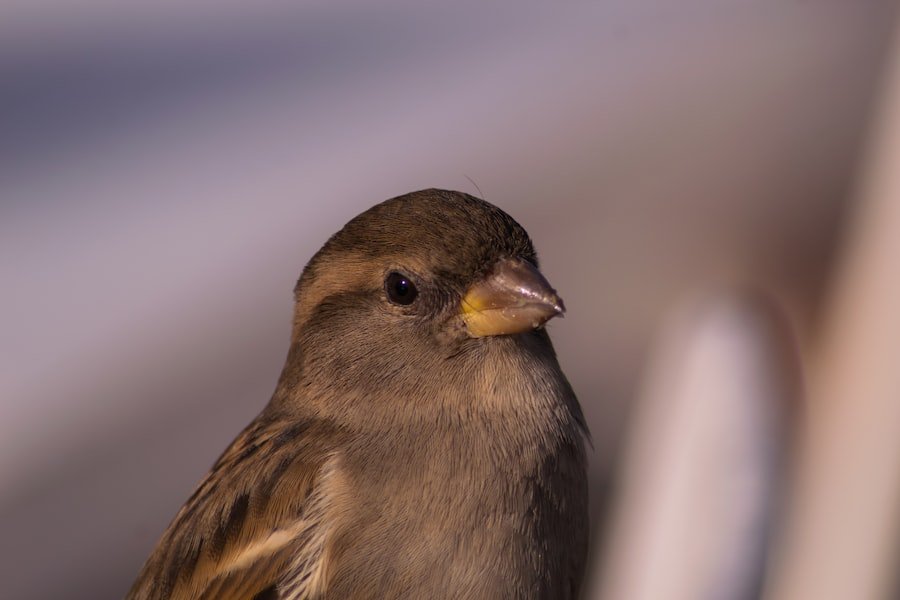
Engaging children in Spanish language learning is crucial for their motivation and success. Using animals and adjectives can help create a fun and interactive learning environment that keeps children interested and excited about learning Spanish.
One way to engage children is to incorporate hands-on activities that involve animals and adjectives. For example, you can set up a pretend zoo in the classroom or at home, with stuffed animals representing different animals. Children can take turns describing the animals using adjectives in Spanish. This not only helps them practice their vocabulary but also encourages creativity and imagination.
Another way to engage children is to incorporate technology into the learning process. There are many online resources, apps, and games available that use animals and adjectives to teach Spanish vocabulary. These interactive tools can make learning more enjoyable for children and provide them with additional practice outside of the classroom.
The role of animals and adjectives in developing children’s language skills in Spanish
Animals and adjectives play a crucial role in developing children’s language skills in Spanish. By using animals as a context for learning vocabulary, children are able to make connections between words and their meanings. Adjectives help children describe and categorize the animals, allowing them to practice using the vocabulary in different contexts.
In addition to vocabulary development, animals and adjectives can also help children learn grammar and sentence structure in Spanish. For example, by using adjectives to describe animals, children learn how to use adjectives correctly in sentences. They also learn about gender agreement, as many adjectives in Spanish change depending on whether the noun is masculine or feminine.
By practicing these language skills in the context of animals and adjectives, children are able to develop a solid foundation in Spanish grammar and sentence structure. This sets them up for success as they continue to learn and use the language.
Enhancing children’s creativity and imagination with animals and adjectives in Spanish
Using animals and adjectives in Spanish language learning can enhance children’s creativity and imagination. By associating words with animals, children are able to create mental images that help them remember the vocabulary. This encourages creative thinking and imagination.
Adjectives also allow children to express themselves more creatively in Spanish. By describing animals using different adjectives, children can create unique and imaginative sentences. This helps them develop their language skills and encourages them to think outside the box.
Teaching children about diversity and culture through animals and adjectives in Spanish
Animals and adjectives can be used to teach children about diversity and culture in Spanish language learning. By introducing children to animals from different countries or regions, you can teach them about the diversity of the Spanish-speaking world.
For example, you can teach children about animals like “llama” (llama) from South America or “tucán” (toucan) from Central America. You can also teach them about the different habitats and environments where these animals live, helping them develop an appreciation for the natural world.
Adjectives can also be used to teach children about cultural differences. For example, you can teach them adjectives that describe traditional clothing or food from different Spanish-speaking countries. This helps children understand and appreciate the diversity of cultures within the Spanish-speaking world.
Tips for parents and educators to incorporate animals and adjectives in teaching Spanish to children
Parents and educators can incorporate animals and adjectives in teaching Spanish to children by following these practical tips:
1. Start with simple vocabulary and gradually introduce more complex words.
2. Use visual aids such as flashcards or picture books to reinforce the vocabulary.
3. Incorporate movement and interaction through games and activities.
4. Encourage creativity and imagination by asking children to describe animals using adjectives.
5. Use technology resources and apps to provide additional practice outside of the classroom.
6. Adapt activities and games to different age groups and learning styles.
Teaching Spanish to children is important for their future success and opens up a world of opportunities. Using animals and adjectives in teaching Spanish vocabulary to children is an effective and engaging way to introduce the language. It helps children develop their language skills, enhances their creativity and imagination, and teaches them about diversity and culture. By incorporating animals and adjectives into their teaching practices, parents and educators can create a fun and interactive learning environment that motivates children to learn Spanish.
If you want to learn Spanish, you can register for classes here. We look forward to hearing from you and helping you become fluent in Spanish!




