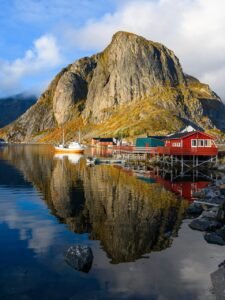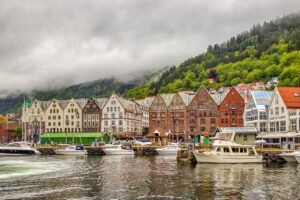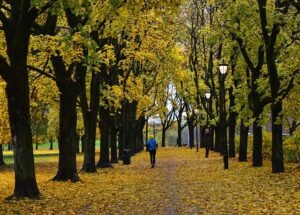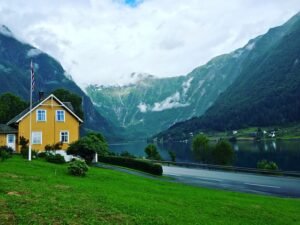
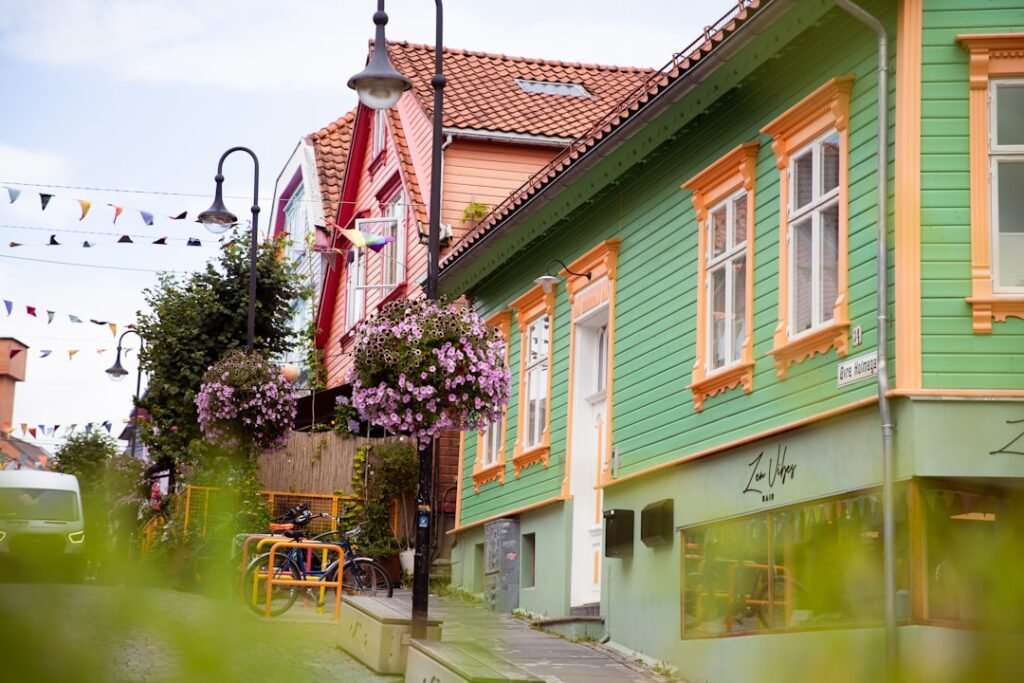
Daily routines in Norway are often characterised by a blend of traditional practices and modern influences, reflecting the country’s rich cultural heritage and contemporary lifestyle. The rhythm of life in Norway is shaped by its stunning natural landscapes, long summer days, and dark winter nights, which all play a significant role in how Norwegians structure their days. From the early morning hours to the late evening, the daily activities of Norwegians are infused with a sense of balance and connection to nature, making their routines both practical and enjoyable.
Understanding daily routines in Norway is essential for anyone looking to immerse themselves in Norwegian culture or learn the language. By familiarising oneself with the common activities and expressions used in everyday life, learners can enhance their communication skills and gain insights into the values and traditions that shape Norwegian society. This article will explore various aspects of daily routines, including vocabulary, descriptions of activities, and ways to engage in conversations about one’s own routine or that of others. Start learning Norwegian at the NLS Norwegian Language School now!
Summary
- Daily routines in Norway often include outdoor activities and a focus on work-life balance.
- Basic vocabulary for daily activities includes words for eating, sleeping, working, and leisure.
- When describing your morning routine, you can use phrases like “Jeg står opp” (I get up) and “Jeg spiser frokost” (I eat breakfast).
- When talking about your work or school day, you can use phrases like “Jeg jobber på kontoret” (I work in the office) or “Jeg har undervisning fra ni til tre” (I have classes from nine to three).
- Afternoon and evening activities in Norway may include exercise, socializing, and relaxation.
- Time expressions in Norwegian include phrases like “om morgenen” (in the morning) and “på kvelden” (in the evening).
- To express frequency and habitual actions, you can use phrases like “jeg trener hver dag” (I exercise every day) or “vi spiser middag sammen hver søndag” (we have dinner together every Sunday).
- When asking about someone else’s daily routine, you can use phrases like “Hva gjør du om morgenen?” (What do you do in the morning?) or “Når begynner du på jobb?” (When do you start work?).
- Adverbs to describe your routine in Norwegian include words like “vanligvis” (usually), “aldri” (never), and “alltid” (always).
- Hobbies and leisure activities in Norway may include skiing, hiking, and cultural events.
- Practice exercises can help reinforce vocabulary and grammar related to daily routines in Norwegian.
Basic Vocabulary for Daily Activities
To effectively discuss daily routines in Norwegian, it is crucial to acquire a foundational vocabulary that encompasses common activities and tasks. Words such as “våkne” (to wake up), “spise” (to eat), “jobbe” (to work), and “studere” (to study) form the backbone of conversations about daily life. Additionally, terms related to specific times of day, such as “morgen” (morning), “ettermiddag” (afternoon), and “kveld” (evening), help to contextualise these activities within a typical day.
Moreover, incorporating phrases that describe actions can significantly enhance one’s ability to communicate effectively. For instance, “jeg drikker kaffe” (I drink coffee) or “jeg går til skolen” (I walk to school) are simple yet powerful statements that convey essential information about one’s daily routine. By mastering this basic vocabulary, learners can begin to construct sentences that reflect their own experiences and engage in meaningful conversations with native speakers.
Describing Your Morning Routine
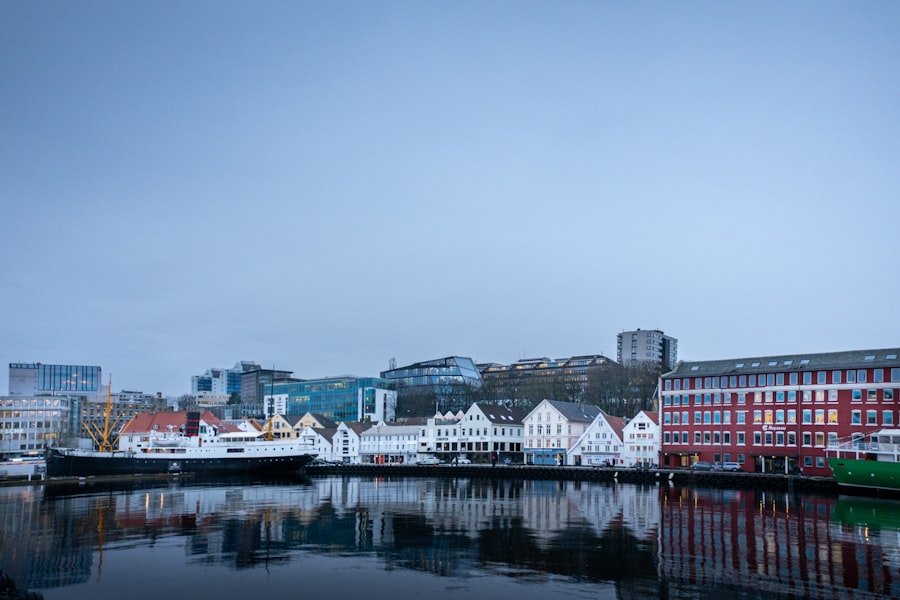
Mornings in Norway often begin with a sense of calm and purpose. Many Norwegians start their day by waking up early, allowing them to enjoy the tranquillity of the morning before the hustle and bustle of daily life begins. A typical morning routine might include activities such as “å ta en dusj” (to take a shower), “å spise frokost” (to have breakfast), and “å lese avisen” (to read the newspaper).
These actions not only set the tone for the day but also provide an opportunity for individuals to connect with their families or enjoy some quiet time alone. When describing one’s morning routine in Norwegian, it is helpful to use specific time expressions. For example, one might say, “Jeg våkner klokka syv” (I wake up at seven o’clock) or “Jeg spiser frokost klokka åtte” (I have breakfast at eight o’clock).
By incorporating these details, learners can create a vivid picture of their mornings, making it easier for others to relate to their experiences. Additionally, sharing personal anecdotes about morning rituals can foster deeper connections with those who share similar habits or cultural practices.
Talking About Your Work or School Day
The work and school day in Norway typically follows a structured schedule, with most people starting their day around eight or nine o’clock in the morning. In a professional context, individuals may engage in various tasks such as attending meetings, collaborating with colleagues, or completing projects. For students, a typical school day involves attending classes, participating in group work, and studying for exams.
Understanding how to articulate these experiences in Norwegian is essential for effective communication in both academic and professional settings. When discussing one’s work or school day, it is important to use relevant vocabulary and phrases. For instance, one might say, “Jeg jobber på kontoret” (I work at the office) or “Jeg studerer matematikk” (I study mathematics).
Additionally, incorporating expressions that describe the nature of one’s work or studies can provide further context. For example, “Jeg jobber med prosjekter innen teknologi” (I work on projects in technology) or “Jeg liker å lære om historie” (I enjoy learning about history) can help convey personal interests and professional aspirations.
Discussing Afternoon and Evening Activities
As the day progresses into the afternoon and evening, Norwegians often engage in a variety of activities that reflect their interests and social lives. After work or school, many individuals take time to unwind by participating in hobbies, exercising, or spending time with family and friends. Common afternoon activities might include “å gå på tur” (to go for a walk), “å trene” (to exercise), or “å lage middag” (to prepare dinner).
These moments of leisure are essential for maintaining a healthy work-life balance. In the evening, socialising becomes a focal point for many Norwegians. Whether it’s enjoying a meal together or gathering for a casual get-together, evenings are often filled with warmth and camaraderie.
Phrases such as “Vi spiser middag sammen” (We eat dinner together) or “Vi ser på film” (We watch a movie) can be used to describe these shared experiences. By discussing afternoon and evening activities in Norwegian, learners can not only practice their language skills but also gain insight into the social fabric of Norwegian life.
Using Time Expressions in Norwegian

Time expressions play a crucial role in structuring conversations about daily routines. In Norwegian, there are various ways to indicate when certain activities occur throughout the day. Common time expressions include “om morgenen” (in the morning), “på ettermiddagen” (in the afternoon), and “om kvelden” (in the evening).
These phrases help to clarify when specific actions take place and provide a clearer understanding of one’s routine. Additionally, using specific time indicators such as “klokka fem” (at five o’clock) or “hver dag” (every day) can further enhance communication. For example, one might say, “Jeg går på jobb klokka åtte hver dag” (I go to work at eight o’clock every day).
By mastering these time expressions, learners can effectively convey their schedules and engage in discussions about daily life with greater confidence.
Expressing Frequency and Habitual Actions
In Norwegian, expressing frequency and habitual actions is essential for conveying how often certain activities occur within one’s daily routine. Words such as “ofte” (often), “noen ganger” (sometimes), and “aldri” (never) can be used to describe the regularity of actions. For instance, one might say, “Jeg trener ofte” (I often exercise) or “Jeg leser noen ganger bøker” (I sometimes read books).
These expressions provide valuable context about personal habits and preferences. Furthermore, using phrases that indicate habitual actions can enrich conversations about daily life. For example, saying “Jeg pleier å lage frokost hver morgen” (I usually make breakfast every morning) highlights a consistent behaviour that is part of one’s routine.
By incorporating frequency expressions into their language practice, learners can create more nuanced descriptions of their daily lives while also gaining insight into how these habits reflect broader cultural norms.
Asking About Someone Else’s Daily Routine
Engaging in conversations about daily routines is not only about sharing one’s own experiences but also about showing interest in others’ lives. Asking questions about someone else’s daily routine can foster connections and deepen relationships. In Norwegian, phrases such as “Hva pleier du å gjøre om morgenen?” (What do you usually do in the morning?) or “Hvordan ser en vanlig arbeidsdag ut for deg?” (What does a typical workday look like for you?) invite others to share their routines.
When asking about someone else’s daily activities, it is important to listen actively and respond thoughtfully. This not only demonstrates genuine interest but also encourages further dialogue. For instance, if someone shares that they enjoy going for a run in the morning, one might respond with curiosity by asking about their favourite running routes or how long they have been running.
Such exchanges enrich conversations and create opportunities for cultural exchange.
Using Adverbs to Describe Your Routine
Adverbs are powerful tools for adding depth and detail to descriptions of daily routines. In Norwegian, adverbs such as “raskt” (quickly), “rolig” (calmly), and “ofte” (often) can modify verbs to provide more context about how actions are performed. For example, one might say, “Jeg spiser frokost raskt før jeg går til jobb” (I eat breakfast quickly before I go to work).
This not only conveys information about the action but also reflects the pace of life that many experience. Incorporating adverbs into conversations allows learners to express themselves more vividly and accurately. By using phrases like “Jeg trener regelmessig” (I exercise regularly) or “Vi ser på TV sammen ofte” (We often watch TV together), individuals can paint a clearer picture of their routines while also emphasising the importance of certain activities in their lives.
Discussing Hobbies and Leisure Activities
Hobbies and leisure activities are integral components of daily routines that contribute to overall well-being and happiness. In Norway, outdoor pursuits such as hiking, skiing, and cycling are popular pastimes that allow individuals to connect with nature while staying active. Additionally, cultural activities like reading, crafting, or attending concerts provide opportunities for relaxation and personal expression.
When discussing hobbies in Norwegian, it is helpful to use phrases that convey enthusiasm and passion. For instance, one might say, “Jeg elsker å gå på tur i fjellet” (I love hiking in the mountains) or “Jeg liker å male i fritiden min” (I enjoy painting in my free time). By sharing personal interests and hobbies with others, learners can create meaningful connections while also practising their language skills in a fun and engaging way.
Conclusion and Practice Exercises
In conclusion, understanding daily routines in Norway offers valuable insights into the culture while providing essential vocabulary and expressions for effective communication. By exploring various aspects of daily life—from morning rituals to evening activities—learners can develop a comprehensive understanding of how Norwegians structure their days. To reinforce these concepts further, practice exercises can be beneficial.
Learners might consider writing a short paragraph describing their own daily routine using the vocabulary and structures discussed throughout this article. Additionally, engaging in conversations with native speakers or fellow learners about each other’s routines can enhance language skills while fostering cultural exchange. For those eager to delve deeper into the Norwegian language and culture, consider enrolling in courses at the NLS Norwegian Language School in Oslo.
With expert instructors and immersive learning experiences tailored to various proficiency levels, NLS provides an excellent opportunity to refine your language skills while exploring the nuances of daily life in Norway. Whether you are a beginner or looking to advance your knowledge further, NLS offers courses designed to meet your needs and help you thrive in your language journey.
Register for a Norwegian class at the NLS Norwegian Language School now!