
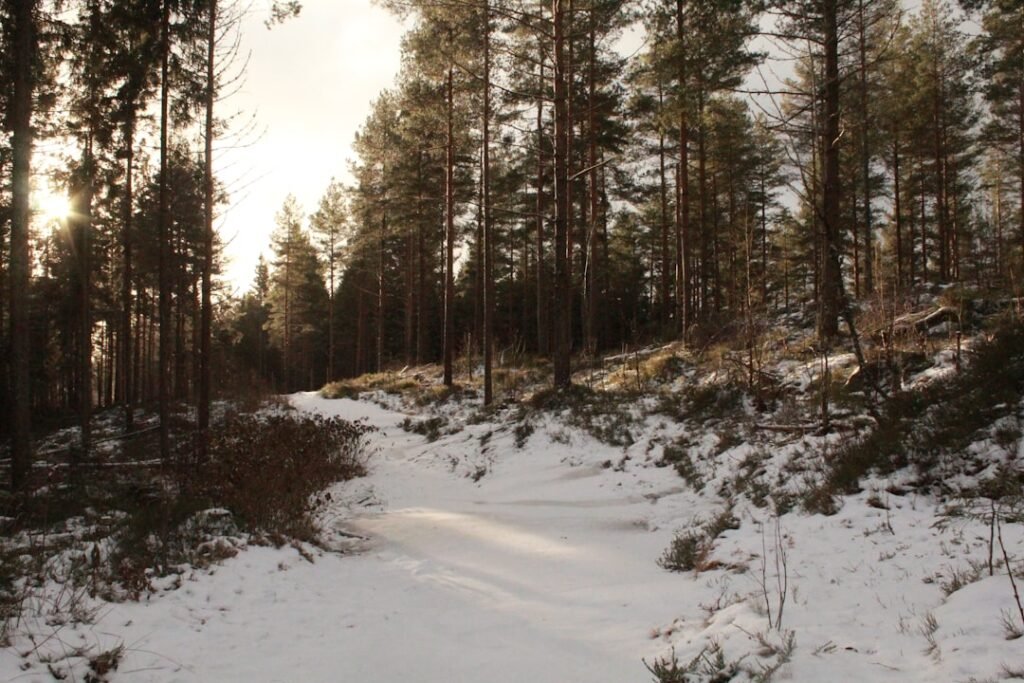
As the chill of winter envelops Norway, a unique comfort emerges from the frosty air and the soft blanket of snow that covers the landscape. The long nights and short days create an atmosphere that encourages introspection and warmth, both physically and emotionally. In this season, the world outside may be stark and cold, but inside, homes are transformed into havens of comfort.
The glow of candles flickers in windows, and the aroma of freshly baked goods wafts through the air, inviting everyone to gather around the hearth. This is a time when the simple pleasures of life are celebrated, and the beauty of winter can be appreciated in its full glory. Winter in Norway is not merely a season; it is an experience that invites individuals to slow down and savour the moment.
The landscape, adorned with glistening icicles and snow-laden trees, offers a picturesque backdrop for reflection and connection. As people bundle up in warm layers and venture outside, they are reminded of the joys of companionship and shared experiences. Whether it’s sipping hot cocoa by a fire or taking a brisk walk through a snowy forest, winter provides countless opportunities to find comfort in both solitude and togetherness. Master Norwegian this winter. Register for courses at NLS Norwegian Language School.
Summary
- Winter in Norway offers a comforting and cozy atmosphere, perfect for language learning and cultural exploration.
- Learning Norwegian in winter provides the opportunity to embrace the concept of hygge, creating a warm and inviting environment for language study.
- Engaging in winter activities and immersing oneself in Norwegian culture can enhance the language learning experience during the colder months.
- The Norwegian language itself contributes to the cozy atmosphere of winter, with its unique sounds and expressions adding to the seasonal spirit.
- Winter is a time for focus and concentration, presenting language learning challenges but also opportunities for deep immersion in the Norwegian language and culture.
The Benefits of Learning Norwegian in Winter
Learning Norwegian during the winter months presents a unique set of advantages that can enhance the language acquisition process. The serene environment created by the snowy landscape allows for a focused mindset, free from the distractions often found in other seasons. With fewer outdoor activities competing for attention, students can dedicate more time to their studies, immersing themselves in the language with greater intensity.
This concentrated effort can lead to significant progress in a shorter period, making winter an ideal time for language learners. Moreover, winter courses at institutions like the NLS Norwegian Language School in Oslo are designed to cater to various proficiency levels, ensuring that every student finds a suitable learning path. The structured curriculum aligns with the Common European Framework of Reference for Languages (CEFR), providing a clear framework for progression.
This tailored approach not only fosters individual growth but also encourages students to engage with their peers, creating a supportive community that thrives on shared goals and mutual encouragement.
Embracing Hygge

The concept of hygge, which embodies a sense of coziness and contentment, is particularly resonant during the winter months in Norway. As temperatures drop and daylight wanes, embracing hygge becomes an essential part of daily life. It encourages individuals to seek warmth and comfort in their surroundings, whether through soft blankets, warm drinks, or intimate gatherings with friends and family.
This philosophy aligns beautifully with the experience of learning Norwegian during winter, as students can create their own hygge-filled study environments. Incorporating hygge into language learning can enhance motivation and enjoyment. Students can set up cosy study nooks adorned with candles and cushions, making their learning space inviting and conducive to focus.
Sharing this experience with fellow learners can further amplify the sense of community, as they gather to practice speaking Norwegian over cups of steaming tea or coffee. By embracing hygge, students not only cultivate a positive atmosphere for learning but also deepen their connection to Norwegian culture and values.
Winter Activities and Norwegian Culture
Norwegian winter culture is rich with traditions and activities that reflect the country’s deep connection to its natural environment. From skiing down pristine slopes to ice fishing on frozen lakes, winter offers a plethora of opportunities for adventure and exploration. Engaging in these activities not only provides a break from language studies but also allows learners to immerse themselves in the local culture.
Participating in traditional winter sports or attending local festivals can enhance language skills through real-life interactions with native speakers. Moreover, winter is a time when Norwegians come together to celebrate their heritage through various cultural events. From Christmas markets filled with handcrafted goods to traditional feasts featuring local delicacies, there is no shortage of experiences that showcase Norway’s rich history and customs.
For language learners, these events serve as invaluable opportunities to practice their Norwegian skills while gaining insights into the cultural nuances that shape everyday life in Norway.
The Cozy Atmosphere of Norwegian Language Learning
The atmosphere at NLS Norwegian Language School during winter is imbued with a sense of warmth and camaraderie that enhances the learning experience. As students gather in classrooms filled with natural light filtering through frosted windows, they are enveloped in an environment that encourages collaboration and engagement. The intimate class sizes foster meaningful interactions between students and instructors, allowing for personalised feedback and support.
Additionally, the school often organises social events and activities that complement the academic curriculum. These gatherings provide students with opportunities to practice their language skills in relaxed settings while forging friendships with fellow learners from diverse backgrounds. The combination of structured learning and social interaction creates a holistic approach to language acquisition that is both effective and enjoyable.
Winter as a Time for Focus and Concentration

The quietude of winter lends itself well to focused study sessions, making it an ideal time for language learners to delve deep into their Norwegian studies. With fewer distractions from outdoor activities and social engagements, students can dedicate themselves fully to mastering vocabulary, grammar, and pronunciation. This concentrated effort can lead to rapid progress, as learners find themselves immersed in the language on a daily basis.
Furthermore, the shorter days provide an opportunity for students to establish a routine that prioritises their language learning goals. By setting aside specific times for study each day, learners can create a structured environment that fosters discipline and consistency. This commitment to regular practice not only enhances language retention but also instills a sense of accomplishment as students witness their progress over time.
Winter Language Learning Challenges
While winter offers numerous benefits for language learning, it also presents its own set of challenges that students must navigate. The cold weather can sometimes deter individuals from venturing outside for social interactions or cultural experiences, which are vital for practising language skills in real-world contexts. Additionally, shorter daylight hours may lead to feelings of lethargy or decreased motivation, making it essential for learners to find ways to stay engaged and inspired.
To overcome these challenges, students can seek out indoor activities that promote language use, such as joining conversation clubs or participating in online language exchanges. By leveraging technology and connecting with others virtually, learners can maintain their momentum even when faced with inclement weather. Moreover, setting achievable goals and celebrating small victories can help sustain motivation throughout the winter months.
Winter as a Season for Immersion
Winter provides a unique opportunity for immersive language experiences that can significantly enhance fluency. As students engage with native speakers during winter activities or cultural events, they are exposed to authentic language use in context. This immersion allows learners to pick up colloquial expressions, idiomatic phrases, and cultural references that may not be covered in traditional classroom settings.
Additionally, many Norwegian cities come alive during winter with festive decorations and events that invite participation from locals and visitors alike. By attending concerts, markets, or community gatherings, students can practise their language skills while experiencing the vibrant culture that surrounds them. This hands-on approach not only reinforces classroom learning but also fosters a deeper appreciation for the nuances of the Norwegian language.
Norwegian Winter Vocabulary and Phrases
As students embark on their journey to learn Norwegian during winter, they will encounter a wealth of vocabulary and phrases specific to this enchanting season. Terms like “snø” (snow), “vinter” (winter), and “kulde” (cold) become essential components of everyday conversations as learners navigate their surroundings. Additionally, phrases such as “Hva skal vi gjøre i helgen?” (What shall we do this weekend?) or “Skal vi gå på ski?” (Shall we go skiing?) become useful tools for engaging with others in social settings.
Building a strong vocabulary base is crucial for effective communication, especially during winter when many cultural experiences revolve around seasonal activities. By incorporating these terms into their studies, learners can enhance their ability to express themselves confidently while participating in conversations about winter sports, traditions, and celebrations.
Winter as a Time for Cultural Exploration
The winter months offer an excellent opportunity for cultural exploration as students delve into Norway’s rich heritage through various mediums such as literature, film, and music. Engaging with Norwegian authors or filmmakers allows learners to gain insights into the country’s history and values while simultaneously improving their language skills. Reading classic works or watching contemporary films provides context for understanding cultural references that may arise in conversation.
Moreover, exploring traditional Norwegian winter customs—such as celebrating Christmas with “julebord” (Christmas parties) or participating in “lusekatter” (sweet buns shaped like cats)—enriches the learning experience by connecting language acquisition with cultural practices. This holistic approach fosters a deeper appreciation for Norway’s unique identity while reinforcing language skills through meaningful engagement.
Embracing the Norwegian Winter Spirit
Ultimately, embracing the spirit of Norwegian winter is about finding joy in both the challenges and delights that this season brings. It is an invitation to slow down, connect with others, and immerse oneself in the beauty of nature while pursuing personal growth through language learning. By approaching this season with an open heart and mind, students can cultivate resilience and adaptability—qualities that will serve them well both inside and outside the classroom.
As they navigate their journey through winter courses at NLS Norwegian Language School in Oslo, learners will discover that each snowfall brings new opportunities for connection and understanding. By embracing the warmth of community, the comfort of hygge, and the richness of cultural experiences, they will not only learn Norwegian but also forge lasting memories that will accompany them long after the snow has melted away.
Enroll today for Norwegian winter courses at NLS Norwegian Language School.