

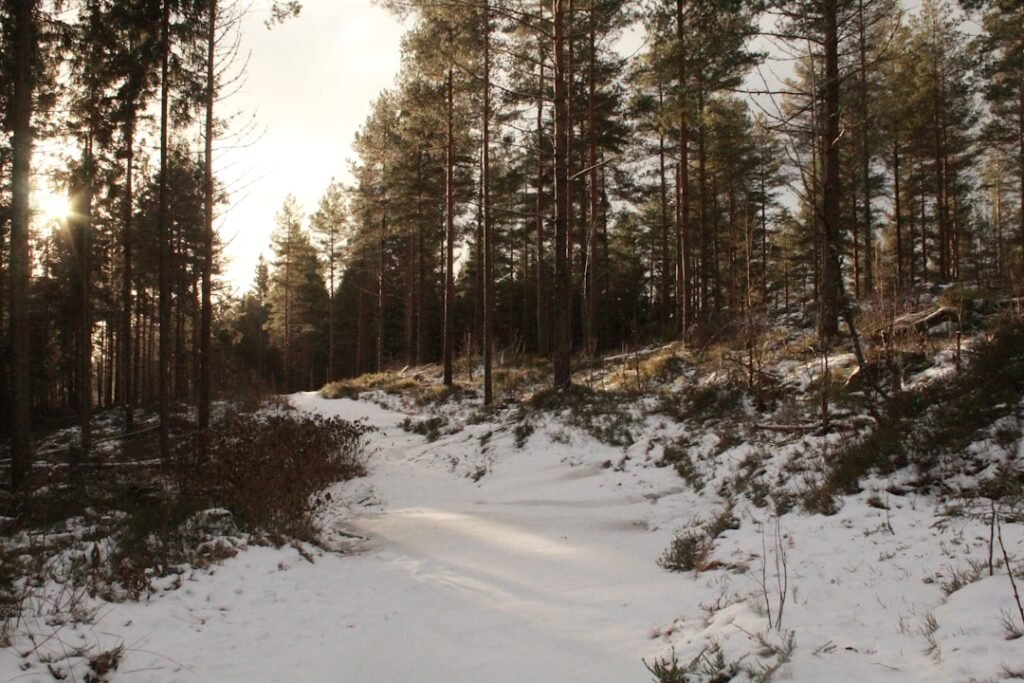
Learning Norwegian during the winter months offers a unique set of advantages that can significantly enhance the language acquisition process. Firstly, the winter season in Norway is characterised by a serene beauty that can inspire and motivate learners. The picturesque landscapes, blanketed in snow, create an atmosphere that is conducive to study and reflection.
This tranquil environment allows students to immerse themselves in the language without the distractions often present during other seasons. The quietude of winter can foster a deeper connection to the language, as learners find themselves more focused and engaged in their studies. Moreover, winter courses at the NLS Norwegian Language School in Oslo are designed to be intensive and immersive, providing a structured approach to learning.
With smaller class sizes and dedicated instructors, students receive personalised attention that can accelerate their progress. The school’s curriculum aligns with the Common European Framework of Reference for Languages (CEFR), ensuring that learners can advance through the levels at a pace that suits them. This tailored approach not only enhances language skills but also builds confidence, as students see tangible improvements in their abilities. Master Norwegian this winter. Register for courses at NLS Norwegian Language School.
Summary
- Learning Norwegian in winter allows for immersion in the unique cultural and linguistic aspects of the season.
- ‘Mørketid’ is the phenomenon of polar nights in Norway, providing a distinctive experience for language learners.
- The impact of ‘Mørketid’ on learning includes a deeper understanding of Norwegian culture and language.
- Winter enhances language learning by creating a conducive environment for focused study and practice.
- The connection between winter and Norwegian culture enriches language learning by providing context and relevance.
Understanding the Phenomenon of ‘Mørketid’
‘Mørketid’, or the ‘dark time’, is a fascinating phenomenon experienced in Norway during the winter months, particularly in the northern regions. This period, which lasts from late November to mid-January, is marked by a significant reduction in daylight hours, with some areas experiencing polar nights where the sun does not rise above the horizon. While this may seem daunting to some, ‘mørketid’ offers a unique opportunity for introspection and cultural immersion.
The darkness encourages a slower pace of life, allowing individuals to focus on personal growth and learning. In addition to its introspective qualities, ‘mørketid’ also plays a crucial role in shaping Norwegian culture and traditions. The long nights are often filled with festive celebrations, such as Christmas and New Year’s Eve, where families come together to share meals and stories.
This cultural richness provides language learners with an authentic context in which to practice their skills. By engaging with local customs and traditions during this time, students can deepen their understanding of the language while also experiencing the warmth of Norwegian hospitality.
The Impact of ‘Mørketid’ on Learning

The impact of ‘mørketid’ on learning is multifaceted. On one hand, the lack of natural light can lead to feelings of lethargy or low mood, which may hinder motivation for some learners. However, this challenge can be transformed into an opportunity for growth.
By acknowledging the effects of ‘mørketid’, students can develop strategies to maintain their enthusiasm for learning. For instance, incorporating regular breaks, engaging in physical activity, or utilising light therapy can help combat the winter blues and keep spirits high. Furthermore, ‘mørketid’ encourages a sense of community among learners.
As students gather in classrooms during these dark months, they often form strong bonds with one another. This camaraderie can create a supportive learning environment where individuals feel comfortable practising their language skills without fear of judgement. The shared experience of navigating the challenges of winter together fosters collaboration and mutual encouragement, ultimately enhancing the overall learning experience.
How Winter Enhances Language Learning
Winter presents a unique backdrop for language learning that can enhance the overall experience. The season’s distinct characteristics—such as snow-covered landscapes and festive celebrations—provide rich contexts for vocabulary acquisition and cultural understanding. For instance, students can learn specific terms related to winter activities, such as skiing or ice skating, while simultaneously engaging in these activities outside the classroom.
This hands-on approach reinforces language retention and makes learning more enjoyable. Additionally, winter often brings about a sense of reflection and goal-setting. As the year comes to a close, many individuals take time to evaluate their progress and set new intentions for the upcoming year.
This mindset can be particularly beneficial for language learners, as it encourages them to commit to their studies with renewed determination. By setting specific language goals during this reflective period, students can create a roadmap for their learning journey that aligns with their personal aspirations.
The Connection Between Winter and Norwegian Culture
Winter is deeply intertwined with Norwegian culture, influencing everything from traditions to cuisine. The long nights are celebrated through various festivals and events that highlight the importance of community and togetherness. For instance, the celebration of Christmas in Norway is marked by unique customs such as ‘julebord’ (Christmas parties) and ‘julegaver’ (Christmas gifts), which provide ample opportunities for language learners to engage with native speakers and practice their skills in authentic settings.
Moreover, winter sports play a significant role in Norwegian culture, with activities such as cross-country skiing and ice fishing being popular pastimes. These cultural elements not only enrich the language learning experience but also provide learners with insights into the values and lifestyle of Norwegians. By participating in winter activities or attending local events, students can immerse themselves in the language while gaining a deeper appreciation for Norway’s rich cultural heritage.
Embracing the Challenges of Winter Language Learning

While learning Norwegian during the winter months presents its challenges, embracing these obstacles can lead to significant personal growth. The cold weather and limited daylight may initially seem daunting; however, they also offer opportunities for resilience and adaptability. By facing these challenges head-on, learners can develop a sense of perseverance that will serve them well throughout their language journey.
Additionally, overcoming winter-related difficulties can foster a sense of accomplishment. Each time students navigate a new vocabulary word related to winter or successfully engage in conversation despite feeling tired or unmotivated, they build confidence in their abilities. This newfound self-assurance can translate into other areas of life, reinforcing the idea that challenges can be overcome with determination and effort.
The Psychological Effects of Winter on Language Acquisition
The psychological effects of winter on language acquisition are complex and varied. For some individuals, the lack of sunlight during ‘mørketid’ can lead to feelings of sadness or decreased motivation. However, understanding these psychological impacts allows learners to implement strategies that counteract negative feelings.
For example, maintaining a consistent study schedule and incorporating enjoyable activities into language practice can help mitigate feelings of lethargy. Conversely, winter can also evoke feelings of nostalgia and warmth associated with family gatherings and holiday traditions. These positive emotions can enhance motivation and engagement in language learning.
By connecting personal experiences with language practice—such as sharing stories about holiday celebrations—students can create meaningful associations that facilitate retention and understanding.
Utilizing ‘Mørketid’ as a Learning Opportunity
Rather than viewing ‘mørketid’ solely as a challenge, learners can embrace it as an opportunity for growth and exploration. The extended hours of darkness provide ample time for reflection and study, allowing individuals to delve deeper into their language learning journey. By setting aside dedicated time each day for focused practice—whether through reading Norwegian literature or engaging in conversation with peers—students can make significant strides in their proficiency.
Additionally, ‘mørketid’ encourages creativity in language learning. With fewer outdoor distractions during the dark months, learners may find themselves more inclined to explore new methods of study or engage with different resources. This could include watching Norwegian films or listening to music in Norwegian, both of which provide enjoyable ways to enhance listening skills and cultural understanding.
The Unique Vocabulary of Winter in Norwegian
The Norwegian language boasts a rich vocabulary related to winter that reflects the season’s significance within the culture. Terms such as ‘snø’ (snow), ‘kulde’ (cold), and ‘vinter’ (winter) are just the beginning; there are also specific words for various types of snow and ice conditions that are essential for outdoor activities like skiing or snowshoeing. Learning this specialised vocabulary not only enhances linguistic skills but also deepens cultural appreciation.
Moreover, exploring winter-related idioms and expressions can provide valuable insights into Norwegian thought processes and values. For instance, phrases that describe winter weather or activities often carry connotations of resilience and adaptability—qualities highly regarded in Norwegian society. By familiarising themselves with this unique vocabulary, learners can gain a more nuanced understanding of both the language and its cultural context.
Winter Activities that Complement Norwegian Language Learning
Engaging in winter activities is an excellent way to complement language learning while immersing oneself in Norwegian culture. Activities such as skiing, snowboarding, or even simply taking walks through snow-covered parks provide opportunities for practical language use in real-life situations. Students can practice vocabulary related to these activities while enjoying the beauty of Norway’s winter landscape.
Additionally, participating in local events or festivals during the winter months allows learners to connect with native speakers and practice conversational skills in an authentic setting. Whether attending a Christmas market or joining a community bonfire, these experiences create memorable opportunities for language practice while fostering connections with others who share an interest in Norwegian culture.
Embracing the Coziness of Winter to Enhance Language Skills
The concept of ‘koselig’, which translates roughly to ‘cosy’, is central to Norwegian culture during the winter months. Embracing this idea can significantly enhance language skills by creating an inviting atmosphere for study and practice. Setting up a comfortable study space adorned with warm blankets and soft lighting encourages relaxation and focus—ideal conditions for effective learning.
Moreover, incorporating cosy activities into language practice—such as reading Norwegian books by candlelight or enjoying hot cocoa while listening to Norwegian podcasts—can make learning feel more enjoyable and less daunting. By embracing the warmth and comfort associated with winter, learners can cultivate a positive mindset that fosters enthusiasm for their studies. In conclusion, learning Norwegian during the winter months at NLS Norwegian Language School offers numerous benefits that extend beyond mere language acquisition.
From understanding the cultural significance of ‘mørketid’ to embracing the challenges presented by winter weather, students have ample opportunities for growth and connection throughout their learning journey. By utilising this unique season as an opportunity for exploration and engagement, learners can develop not only their linguistic skills but also a deeper appreciation for Norway’s rich cultural heritage.
Enroll today for Norwegian winter courses at NLS Norwegian Language School.




