
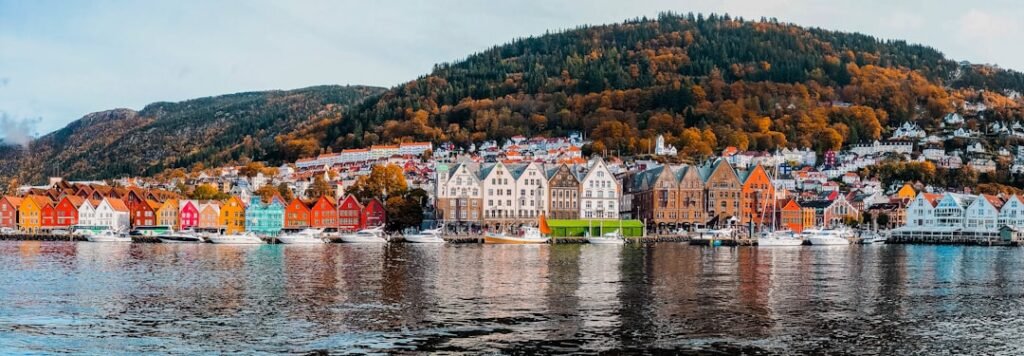
Language is not merely a tool for communication; it is a vessel of culture, history, and identity. In many societies, the way people greet one another, express gratitude, or convey emotions reflects their cultural values and social norms. For instance, in Norway, the concept of “hygge” embodies a sense of coziness and contentment that permeates everyday interactions.
Understanding these cultural nuances is essential for anyone looking to engage meaningfully with Norwegian speakers. The greetings and responses exchanged in social settings often carry deeper implications, revealing the importance of community and connection in Norwegian culture. Moreover, the significance of language extends beyond mere words.
It encapsulates the essence of a society’s worldview. In Norway, for example, the emphasis on egalitarianism is evident in the language used during conversations. The use of first names, even in formal settings, signifies a level of familiarity and respect that is intrinsic to Norwegian social interactions.
By grasping these cultural subtleties, one can navigate conversations with greater ease and foster genuine relationships with native speakers. Start learning Norwegian at the NLS Norwegian Language School now!
Summary
- Understanding the Cultural Significance: Recognise the importance of small talk in British culture as a way to build rapport and establish connections.
- Common Responses: “Lovely weather we’re having, isn’t it?” is a typical response to initiate small talk in the UK.
- Polite and Casual Options: “How do you do?” is a formal greeting, while “Alright?” is a more casual option commonly used in the UK.
- Expressing Emotions: British people tend to use understated language to express emotions, such as “I’m feeling a bit under the weather” to indicate feeling unwell.
- Using Formal Language: “I would be most grateful if you could assist me” is an example of formal language commonly used in British communication.
Common Responses
When engaging in conversation, particularly in a new language, it is crucial to be familiar with common responses that can facilitate smooth exchanges. In Norwegian, simple phrases such as “Ja” (yes) and “Nei” (no) are foundational. However, the richness of the language allows for a variety of responses that can convey agreement or disagreement more colourfully.
For instance, one might say “Absolutt!” to express strong agreement or “Ikke nødvendigvis” to indicate a more nuanced disagreement. Familiarity with these common responses not only enhances one’s conversational skills but also demonstrates an understanding of the language’s subtleties. Additionally, responding appropriately to greetings is vital in establishing rapport.
In Norway, a simple “Hei!” (Hi!) or “God dag!” (Good day!) can be met with a warm smile and a reciprocal greeting. However, it is also common to inquire about someone’s well-being with phrases like “Hvordan har du det?” (How are you?). Such exchanges create an atmosphere of friendliness and openness, allowing for deeper connections to form.
By mastering these common responses, learners can engage more confidently in conversations and foster a sense of belonging within the Norwegian-speaking community.
Polite and Casual Options
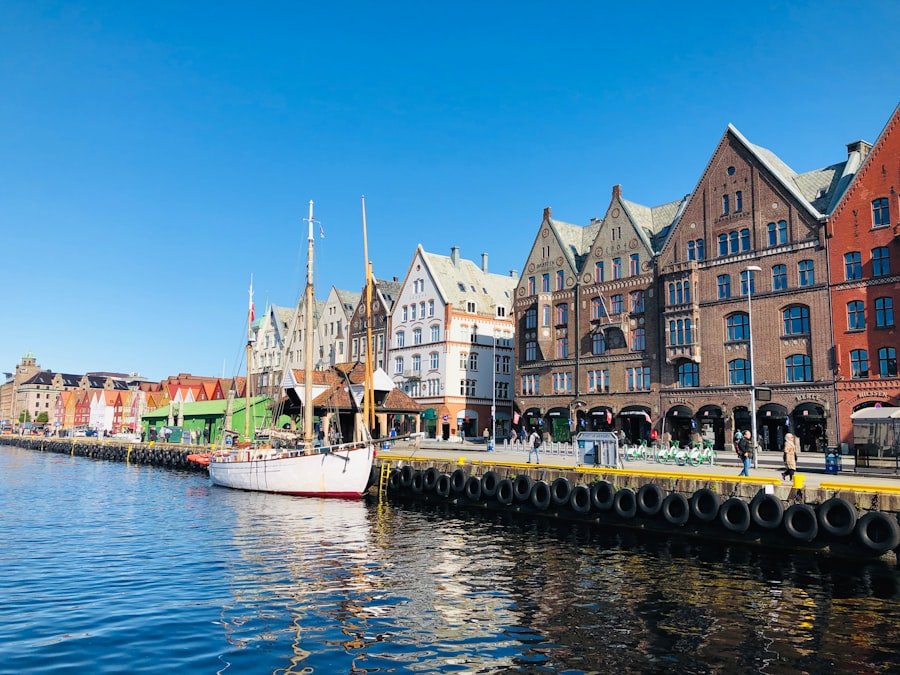
Navigating the spectrum of politeness in language can be challenging, especially for those learning Norwegian. The distinction between formal and informal speech is significant in many cultures, and Norway is no exception. In casual settings, one might use phrases like “Takk!” (Thanks!) or “Kult!” (Cool!) to express gratitude or approval among friends.
These informal expressions create a relaxed atmosphere and encourage camaraderie among peers. Conversely, in more formal situations, it is essential to adopt a respectful tone. Using “Takk for hjelpen” (Thank you for your help) or “Jeg setter pris på det” (I appreciate it) conveys a sense of gratitude that aligns with Norwegian values of respect and consideration.
Understanding when to switch between casual and polite language is crucial for effective communication. It not only reflects one’s awareness of social dynamics but also fosters positive interactions across various contexts.
Expressing Emotions
Language serves as a powerful medium for expressing emotions, and mastering this aspect can significantly enhance one’s conversational skills. In Norwegian, there are numerous ways to articulate feelings ranging from joy to sadness. For instance, one might say “Jeg er glad” (I am happy) or “Jeg er trist” (I am sad) to convey their emotional state directly.
Such straightforward expressions allow for clarity in communication and enable others to respond empathetically. Furthermore, the use of descriptive language can enrich emotional expression. Instead of simply stating one’s feelings, one might elaborate by saying “Jeg er veldig glad i dag fordi solen skinner” (I am very happy today because the sun is shining).
This not only provides context but also invites others to share in the joy or concern being expressed. By learning to articulate emotions effectively in Norwegian, individuals can foster deeper connections and create more meaningful conversations.
Using Formal Language
In professional or formal contexts, the use of appropriate language is paramount. Norwegian has specific conventions that dictate how one should communicate in such settings. For instance, using titles and surnames when addressing someone for the first time demonstrates respect and professionalism.
Phrases like “Det er en ære å møte deg” (It is an honour to meet you) set a positive tone for formal interactions. Moreover, employing formal language extends beyond greetings; it encompasses the entire conversation. Using complete sentences and avoiding slang can help maintain a level of professionalism that is appreciated in business environments.
For example, instead of saying “Kan vi ta en kaffe?” (Can we grab a coffee?), one might opt for “Vil du være med på et møte over en kopp kaffe?” (Would you like to join me for a meeting over a cup of coffee?). This attention to detail not only reflects well on the speaker but also fosters an atmosphere of respect and seriousness.
Adding a Personal Touch
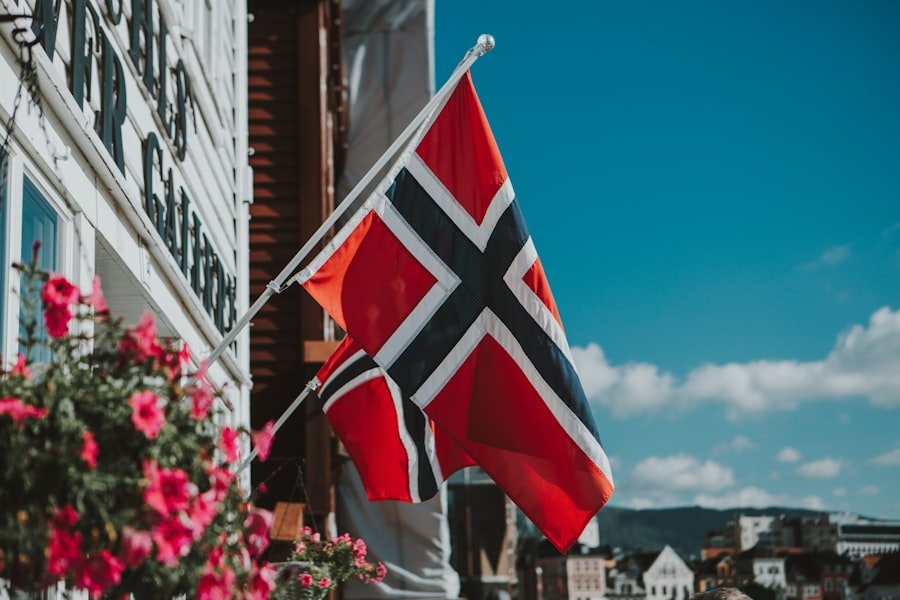
Incorporating personal anecdotes or experiences into conversations can significantly enhance engagement and connection with others. When speaking Norwegian, sharing stories about one’s life or interests can create a more relatable atmosphere. For instance, discussing a recent trip to the fjords or sharing a favourite local dish can spark lively discussions and encourage others to share their own experiences.
Additionally, asking open-ended questions invites others to contribute their thoughts and stories as well. Phrases like “Hva med deg?” (What about you?) or “Har du noen gode minner fra dette stedet?” (Do you have any good memories from this place?) encourage dialogue and demonstrate genuine interest in the other person’s perspective. By adding this personal touch to conversations, individuals can foster deeper connections and create lasting relationships within the Norwegian-speaking community.
Responding in Different Situations
The ability to respond appropriately in various situations is a vital skill when learning any language. In Norway, different contexts may require different responses, whether it be at work, during social gatherings, or while engaging with strangers. For instance, at a formal event, one might respond to compliments with “Takk skal du ha” (Thank you very much), while in a casual setting among friends, a simple “Takk!” suffices.
Moreover, understanding cultural cues can aid in crafting suitable responses. If someone shares good news, responding with enthusiasm by saying “Så bra!” (So great!) shows support and positivity. Conversely, if someone expresses concern or sadness, offering words of comfort such as “Jeg er her for deg” (I am here for you) demonstrates empathy and understanding.
By honing the ability to respond appropriately across different situations, learners can navigate social interactions with confidence and grace.
Navigating Small Talk
Small talk is an essential aspect of social interaction that often serves as an icebreaker in conversations. In Norway, engaging in small talk typically revolves around neutral topics such as the weather or local events. Phrases like “Det er fint vær i dag” (It’s nice weather today) or “Har du sett den nye utstillingen?” (Have you seen the new exhibition?) are common starters that can lead to more substantial discussions.
However, it is important to be mindful of cultural sensitivities when engaging in small talk. Norwegians often value personal space and may prefer not to delve into deeply personal topics right away. Therefore, keeping conversations light-hearted and respectful is key to building rapport.
By mastering the art of small talk in Norwegian, individuals can create comfortable environments that encourage further dialogue and connection.
Emphasizing Well-being
In conversations, particularly when discussing personal matters or checking in on friends and family, emphasising well-being is crucial. In Norwegian culture, there is a strong focus on mental health and overall wellness. Phrases like “Hvordan har du det egentlig?” (How are you really?) show genuine concern for someone’s well-being beyond surface-level pleasantries.
Additionally, sharing one’s own experiences related to well-being can foster openness and trust within conversations. Discussing topics such as self-care routines or coping strategies can encourage others to share their own practices and create a supportive dialogue around mental health. By prioritising well-being in conversations, individuals contribute to a culture of care and understanding that resonates deeply within Norwegian society.
Acknowledging Challenges
Life inevitably presents challenges that can affect our emotional states and interactions with others. In Norwegian conversations, acknowledging these challenges can foster empathy and understanding among speakers. Phrases like “Det har vært en tøff tid” (It has been a tough time) allow individuals to express their struggles while inviting support from others.
Moreover, discussing challenges openly can lead to constructive conversations about resilience and coping strategies. Sharing personal experiences related to overcoming obstacles can inspire others and create a sense of solidarity within the community. By acknowledging challenges in conversations, individuals contribute to an environment where vulnerability is accepted and support is readily available.
Practicing Pronunciation
Finally, mastering pronunciation is an essential component of effective communication in any language. In Norwegian, certain sounds may be unfamiliar to non-native speakers, making practice crucial for clarity and comprehension. Engaging in regular pronunciation exercises can help learners become more confident in their spoken Norwegian.
Listening to native speakers through various media—such as podcasts or films—can also aid in developing an ear for the language’s unique sounds and rhythms. Additionally, participating in conversation groups or language exchanges provides opportunities for real-time practice and feedback from peers or instructors. By dedicating time to practice pronunciation diligently, learners can enhance their fluency and ensure their messages are conveyed accurately.
In conclusion, mastering the nuances of conversation in Norwegian requires an understanding of cultural significance, common responses, emotional expression, formal language usage, personal anecdotes, situational appropriateness, small talk navigation, well-being emphasis, challenge acknowledgment, and pronunciation practice. For those eager to delve deeper into the language while immersing themselves in its rich cultural context, the NLS Norwegian Language School in Oslo offers comprehensive courses tailored for all levels of learners. With experienced instructors guiding students through interactive lessons that encompass both linguistic skills and cultural insights, NLS provides an ideal environment for anyone looking to enhance their Norwegian proficiency while embracing the beauty of Norway’s heritage.
Register for a Norwegian class at the NLS Norwegian Language School now!