

Engaging in conversations about hobbies and interests is a delightful way to connect with others, especially when learning a new language. In Norway, where outdoor activities and cultural pursuits are deeply ingrained in the lifestyle, discussing these topics can lead to enriching exchanges. The Norwegian language offers a unique vocabulary and structure that can help learners articulate their passions and inquire about those of others.
Understanding how to navigate these conversations not only enhances language skills but also fosters deeper connections with Norwegian speakers. As you embark on this linguistic journey, it is essential to grasp the nuances of discussing hobbies and interests in Norwegian. This involves not only vocabulary but also cultural context, as certain activities may hold different significance in Norway compared to other countries.
By familiarising yourself with common pastimes and the language used to describe them, you will be better equipped to engage in meaningful dialogues that reflect your personality and interests. Start learning Norwegian at the NLS Norwegian Language School now!
Summary
- Common hobbies and interests in Norway include outdoor activities such as hiking, skiing, and fishing.
- When asking about someone’s hobbies and interests in Norwegian, it’s important to use polite language and show genuine interest.
- To express your own hobbies and interests in Norwegian, use phrases like “Jeg liker å…” (I like to…) or “Jeg er interessert i…” (I am interested in…).
- Learning Norwegian vocabulary for hobbies and interests can help you engage in conversations and connect with others.
- Embracing the diversity of hobbies and interests in Norwegian culture can lead to meaningful connections and shared experiences.
Common Hobbies and Interests in Norway
Norwegians are known for their love of nature, which is reflected in their hobbies. Outdoor activities such as hiking, skiing, and fishing are immensely popular, with many people taking advantage of the stunning landscapes that Norway has to offer. The concept of “friluftsliv,” or open-air living, encapsulates the Norwegian ethos of embracing the outdoors.
This passion for nature not only serves as a recreational outlet but also fosters a sense of community among those who share similar interests. In addition to outdoor pursuits, Norwegians also engage in various cultural activities. Music, art, and literature play significant roles in the lives of many individuals.
Traditional folk music and contemporary genres alike are celebrated, while literature remains a cornerstone of Norwegian culture, with authors like Knut Hamsun and Sigrid Undset being revered. Understanding these common hobbies can provide valuable context when conversing with Norwegians about their interests.
How to Ask About Someone’s Hobbies and Interests in Norwegian
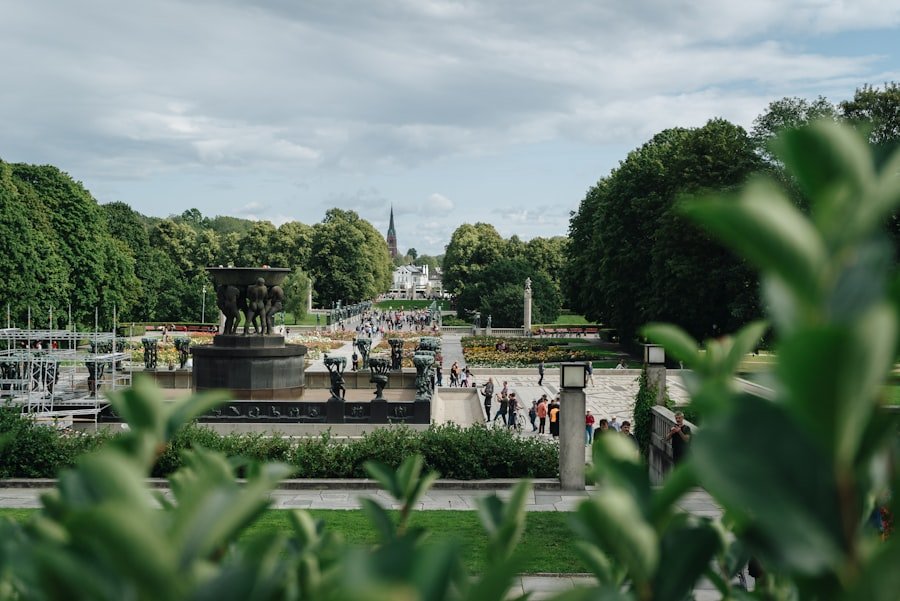
When initiating a conversation about hobbies and interests in Norwegian, it is crucial to know how to ask the right questions. A simple yet effective way to start is by using the phrase “Hva liker du å gjøre på fritiden?” which translates to “What do you like to do in your free time?” This open-ended question invites the other person to share their passions and can lead to a more in-depth discussion. Another approach is to inquire about specific activities by asking, “Er du interessert i sport?” meaning “Are you interested in sports?” or “Hvilke bøker liker du å lese?” which translates to “What books do you like to read?” These targeted questions can help you gauge the other person’s interests more accurately and allow for a more engaging conversation.
By mastering these phrases, you will be well on your way to fostering connections through shared hobbies.
Expressing Your Own Hobbies and Interests in Norwegian
Once you have established a dialogue about hobbies, it is equally important to express your own interests clearly. You might say, “Jeg liker å gå på tur,” meaning “I enjoy hiking,” or “Jeg elsker å spille musikk,” which translates to “I love playing music.” These statements not only convey your passions but also provide an opportunity for the other person to respond with their thoughts or experiences related to those activities. Additionally, sharing personal anecdotes can enrich the conversation further.
For instance, you could mention a memorable hiking trip or a concert you attended recently. This personal touch not only makes your conversation more engaging but also encourages the other person to share their own stories, creating a more dynamic exchange.
Using Norwegian Vocabulary for Hobbies and Interests
To effectively discuss hobbies and interests in Norwegian, it is essential to build a robust vocabulary. Familiarising yourself with terms related to various activities will enable you to articulate your thoughts more clearly. For example, words like “sport” (sport), “musikk” (music), “litteratur” (literature), and “kunst” (art) are fundamental when discussing cultural interests.
Moreover, learning specific vocabulary related to outdoor activities can enhance your conversations significantly. Terms such as “fottur” (hiking), “ski” (skiing), and “fiske” (fishing) are vital for engaging with Norwegians who share a passion for nature. By expanding your vocabulary in this area, you will be better equipped to participate in discussions that revolve around these beloved pastimes.
Polite and Casual Ways to Discuss Hobbies and Interests
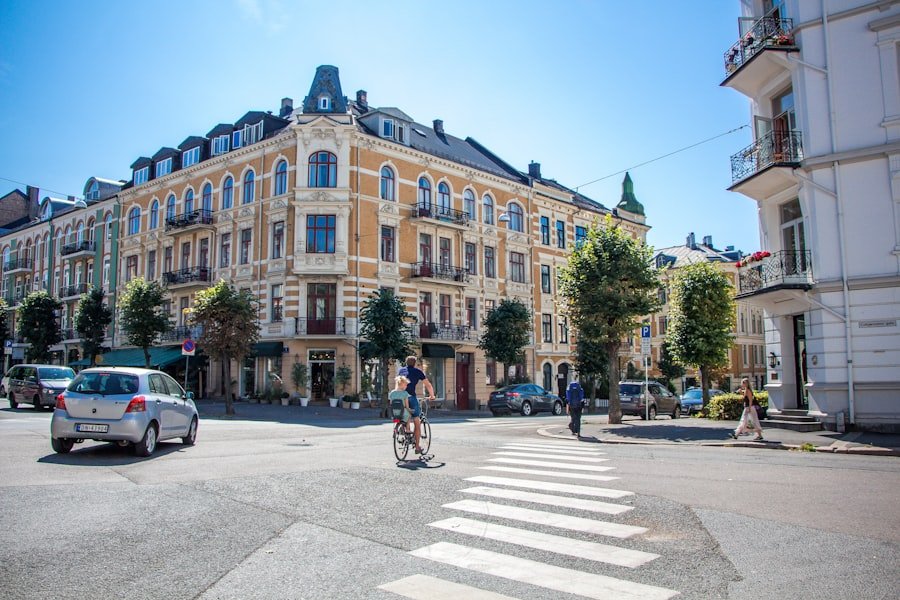
In Norway, the tone of conversation can vary depending on the context and relationship between speakers. When discussing hobbies and interests, it is essential to strike the right balance between politeness and casualness. A friendly approach often works best; for instance, using phrases like “Det høres spennende ut!” meaning “That sounds exciting!” can convey enthusiasm while remaining respectful.
Conversely, if you are speaking with someone you know well or are comfortable with, you might adopt a more casual tone. Phrases such as “Jeg digger å spille fotball!” which translates to “I love playing football!” can create a relaxed atmosphere that encourages open dialogue. Understanding when to switch between these tones will enhance your conversational skills and help you connect more authentically with others.
Sharing Your Passion for Hobbies and Interests in Norwegian
When discussing your hobbies and interests, sharing your passion can make conversations more engaging. Expressing enthusiasm can inspire others to share their experiences or even join you in your pursuits. For example, if you are passionate about photography, you might say, “Jeg elsker å ta bilder av naturen,” meaning “I love taking pictures of nature.” This statement not only conveys your interest but also invites others to discuss their own experiences with photography or nature.
Moreover, sharing your passion can lead to collaborative opportunities. If someone expresses an interest in hiking, you could suggest going on a hike together or sharing tips about local trails. This not only strengthens your connection but also enriches both parties’ experiences by fostering shared activities.
Discussing Cultural and Traditional Hobbies in Norway
Norwegian culture is rich with traditional hobbies that reflect its history and heritage. Engaging in conversations about these activities can provide insight into the values and customs of the country. For instance, discussing traditional crafts such as knitting or wood carving can lead to fascinating exchanges about regional variations and techniques passed down through generations.
Additionally, exploring cultural events such as folk festivals or local art exhibitions can deepen your understanding of Norwegian traditions. Asking questions like “Har du vært på noen lokale festivaler?” meaning “Have you been to any local festivals?” can open up discussions about cultural experiences that are significant to both you and your conversation partner.
Exploring New Hobbies and Interests in Norwegian
As you immerse yourself in the Norwegian language and culture, exploring new hobbies can be an exciting endeavour. Engaging with locals about their interests can inspire you to try activities that you may not have considered before. For example, if someone mentions their love for kayaking, you might respond with curiosity: “Det høres morsomt ut!
Hvordan begynte du med det?” which translates to “That sounds fun! How did you get into it?” By expressing interest in new hobbies, you not only broaden your own horizons but also demonstrate a willingness to learn from others. This openness can lead to invitations to participate in activities or events that may enrich your experience in Norway.
Finding Common Ground through Hobbies and Interests in Norwegian Conversations
Finding common ground through shared hobbies can significantly enhance your conversations with Norwegians. When both parties discover mutual interests, it creates an instant connection that fosters deeper dialogue. For instance, if both of you enjoy hiking, discussing favourite trails or recent adventures can lead to an engaging exchange filled with enthusiasm.
Moreover, common interests can serve as a foundation for building friendships. If someone shares your passion for music, discussing favourite bands or attending concerts together can strengthen your bond. By actively seeking out shared hobbies during conversations, you create opportunities for meaningful connections that extend beyond mere small talk.
Embracing the Diversity of Hobbies and Interests in Norwegian Culture
In conclusion, discussing hobbies and interests in Norwegian offers a unique opportunity to connect with others while enhancing your language skills. By understanding common pastimes, mastering relevant vocabulary, and employing appropriate conversational tones, you can engage meaningfully with Norwegians about their passions. The diversity of hobbies within Norwegian culture reflects the country’s rich heritage and appreciation for both nature and the arts.
As you explore these topics further, consider enrolling in courses at the NLS Norwegian Language School in Oslo. Their comprehensive curriculum focuses on practical language skills while immersing students in cultural contexts that enrich learning experiences. By embracing this opportunity, you will not only improve your Norwegian language proficiency but also gain insights into the vibrant tapestry of hobbies that define Norwegian life.
Register for a Norwegian class at the NLS Norwegian Language School now!