

Norwegian cuisine is a delightful reflection of the country’s rich natural resources and cultural heritage. Nestled between the rugged mountains and the vast coastline, Norway boasts an abundance of fresh ingredients that have shaped its culinary landscape. The cuisine is characterised by its simplicity and reliance on high-quality, locally sourced produce, which has been influenced by centuries of tradition and the harsh climate.
As a result, Norwegian food often features hearty dishes that are both nourishing and satisfying, making it a unique experience for anyone willing to explore its flavours. The essence of Norwegian cuisine lies in its connection to the land and sea. With a long history of fishing, hunting, and farming, Norwegians have developed a deep appreciation for seasonal ingredients.
This respect for nature is evident in the way traditional dishes are prepared and enjoyed, often highlighting the natural flavours of the ingredients rather than masking them with heavy sauces or spices. As you embark on a culinary journey through Norway, you will discover a world of flavours that tell the story of the country’s geography, climate, and cultural influences. Start learning Norwegian at the NLS Norwegian Language School now!
Summary
- Norwegian cuisine is known for its use of fresh and locally sourced ingredients, as well as its focus on seafood and traditional cooking methods.
- Understanding Norwegian food terminology is important for navigating menus and understanding the origins of different dishes.
- Common ingredients in Norwegian dishes include fish, potatoes, root vegetables, and dairy products, reflecting the country’s agricultural and coastal heritage.
- Traditional Norwegian dishes to look out for include lutefisk, rakfisk, and fårikål, each with its own unique preparation and cultural significance.
- When navigating seafood options on a Norwegian menu, look out for popular dishes such as fiskesuppe (fish soup), gravlaks (cured salmon), and torsk (cod) prepared in various ways.
Understanding Norwegian Food Terminology
To fully appreciate Norwegian cuisine, it is essential to familiarise yourself with some key food terminology. The language itself can be a barrier for many visitors, but understanding a few basic terms can enhance your dining experience significantly. For instance, “mat” means food, while “måltid” refers to a meal.
Additionally, “frokost” denotes breakfast, “lunsj” is lunch, and “middag” signifies dinner. Knowing these terms can help you navigate menus and communicate your preferences more effectively. Another important aspect of Norwegian food terminology is the names of specific dishes and ingredients.
For example, “rakfisk” is a traditional dish made from fermented fish, while “lutefisk” refers to dried fish that has been soaked in lye. Familiarising yourself with these terms not only enriches your understanding of the cuisine but also allows you to engage more meaningfully with locals who take pride in their culinary heritage. By learning a few phrases and terms, you can immerse yourself in the vibrant food culture that Norway has to offer.
Common Ingredients in Norwegian Dishes
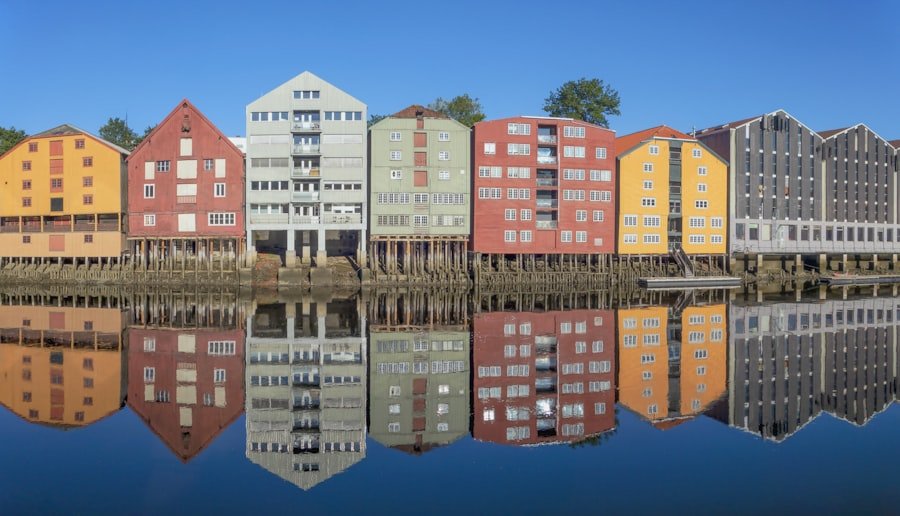
Norwegian cuisine is built upon a foundation of fresh, high-quality ingredients that reflect the country’s diverse landscapes. Seafood plays a prominent role in many traditional dishes, with fish such as cod, salmon, and herring being staples in the Norwegian diet. These fish are often prepared using methods that preserve their natural flavours, such as smoking or curing.
Additionally, shellfish like shrimp and crab are also popular choices, showcasing Norway’s rich maritime resources. In addition to seafood, meat is another essential component of Norwegian cuisine. Lamb, reindeer, and game birds are commonly used in various dishes, often prepared with simple seasonings that allow the natural flavours to shine through.
Root vegetables such as potatoes, carrots, and turnips are frequently included as side dishes or incorporated into stews and casseroles. Dairy products like cheese and sour cream also play a significant role in Norwegian cooking, adding richness and depth to many recipes. The emphasis on fresh, local ingredients ensures that each dish is not only delicious but also reflective of Norway’s unique culinary identity.
Traditional Norwegian Dishes to Look Out For
When exploring Norwegian cuisine, there are several traditional dishes that you simply cannot miss. One such dish is “klippfisk,” which consists of dried and salted cod that has been rehydrated before cooking. This dish has its roots in Norway’s fishing history and is often served with potatoes and vegetables.
Another must-try is “fårikål,” a hearty lamb and cabbage stew that is considered Norway’s national dish. This simple yet flavourful meal is typically enjoyed during the autumn months when the ingredients are at their peak. For those with a sweet tooth, “koldtbord” is a delightful buffet-style meal featuring an array of cold dishes, including cured meats, cheeses, and pickled vegetables.
This communal dining experience allows you to sample various flavours and textures while enjoying the company of friends and family. Additionally, don’t forget to try “lefse,” a traditional flatbread made from potatoes and flour that can be served sweet or savoury. Each of these dishes offers a glimpse into Norway’s culinary heritage and showcases the country’s commitment to using fresh, local ingredients.
How to Navigate Seafood Options on a Norwegian Menu
Navigating seafood options on a Norwegian menu can be an exciting adventure for any food lover. Given Norway’s extensive coastline and rich fishing traditions, seafood is often at the forefront of many dining experiences. When perusing a menu, look for terms like “fersk fisk,” which means fresh fish, or “skalldyr,” referring to shellfish.
Popular choices include “laks” (salmon), “torsk” (cod), and “reker” (shrimp), each prepared in various ways that highlight their natural flavours. When ordering seafood in Norway, it is common to ask about the catch of the day or any special preparations that may be available. Many restaurants pride themselves on serving sustainably sourced seafood, so don’t hesitate to inquire about where the fish comes from or how it was caught.
Additionally, consider trying traditional dishes like “fiskesuppe,” a creamy fish soup that showcases seasonal fish alongside vegetables and herbs. By embracing the seafood offerings on Norwegian menus, you will undoubtedly discover some of the freshest and most flavourful dishes that the country has to offer.
Exploring Norwegian Meat and Game Dishes

Norwegian cuisine is not solely defined by its seafood; it also boasts an impressive array of meat and game dishes that reflect the country’s rich hunting traditions. Lamb is particularly popular in Norway, often featured in hearty stews or roasted with root vegetables. One iconic dish is “lammestek,” which consists of slow-roasted lamb served with potatoes and seasonal vegetables—a comforting meal perfect for colder months.
Game meats such as reindeer and moose are also integral to Norwegian culinary culture. Reindeer meat is lean and flavourful, often prepared as steaks or used in stews like “reinsdyrstek.” Moose meat can be found in various forms as well, from sausages to hearty casseroles. These meats are typically accompanied by traditional sides such as lingonberry sauce or creamy mushroom sauces that complement their robust flavours beautifully.
Exploring these meat dishes provides insight into Norway’s deep-rooted connection to its natural environment and culinary traditions.
Vegetarian and Vegan Options in Norwegian Cuisine
While traditional Norwegian cuisine may be heavily centred around meat and seafood, there has been a growing awareness of vegetarian and vegan options in recent years. Many restaurants now offer plant-based alternatives that celebrate local produce while catering to diverse dietary preferences. Root vegetables like potatoes, carrots, and beets are often featured prominently in vegetarian dishes, providing hearty options for those seeking meat-free meals.
One popular vegetarian dish is “vegetarisk lapskaus,” a vegetable stew made with seasonal produce and served with bread or flatbread on the side. Additionally, many restaurants now offer creative salads featuring locally sourced greens, nuts, and seeds dressed with simple vinaigrettes that highlight the freshness of the ingredients. As you explore Norwegian cuisine, you will find that there are plenty of delicious vegetarian and vegan options available that showcase the country’s commitment to sustainability and healthy eating.
Deciphering Norwegian Desserts and Pastries
No culinary journey through Norway would be complete without indulging in its delightful desserts and pastries. Traditional Norwegian sweets often feature simple ingredients like flour, sugar, butter, and dairy products—resulting in comforting treats that evoke feelings of nostalgia. One classic dessert is “krumkake,” a delicate waffle-like cookie rolled into a cone shape and typically filled with whipped cream or berries.
Another beloved dessert is “bløtkake,” a layered sponge cake filled with cream and fruit—perfect for celebrations or special occasions. For those who enjoy chocolatey treats, “sjokoladekake” (chocolate cake) is a must-try; it is rich and decadent while still maintaining a light texture. As you explore Norwegian desserts, you’ll discover an array of sweet delights that reflect the country’s culinary heritage while satisfying your sweet tooth.
Beverages and Drinks to Try in Norway
When it comes to beverages in Norway, there are several options worth exploring beyond just coffee or tea. Traditional drinks include “brus,” a carbonated soft drink that comes in various flavours—often enjoyed alongside meals or as a refreshing treat on warm days. For those seeking something stronger, Norway produces an array of craft beers from local breweries that showcase unique flavours inspired by regional ingredients.
Additionally, don’t miss out on trying “aquavit,” a traditional Scandinavian spirit flavoured with herbs and spices—often enjoyed as an aperitif or paired with meals during festive occasions. For non-alcoholic options, “eplemost,” or apple juice made from locally grown apples, is a refreshing choice that highlights Norway’s agricultural bounty. By sampling these beverages alongside your meals, you can further immerse yourself in Norway’s vibrant culinary culture.
Tips for Ordering and Dining in Norwegian Restaurants
Dining out in Norway can be an enjoyable experience if you keep a few tips in mind when ordering from menus or interacting with staff at restaurants. Firstly, it’s essential to understand that many establishments may have limited hours due to Norway’s unique geography; therefore, checking opening times beforehand can save you from disappointment. When ordering food at restaurants, it’s common practice to ask about daily specials or recommendations from staff members who are often knowledgeable about their menu offerings.
Additionally, don’t hesitate to inquire about dietary restrictions or preferences; many restaurants are accommodating when it comes to allergies or specific dietary needs. Lastly, tipping in Norway is not obligatory but appreciated; rounding up your bill or leaving small change can be seen as a gesture of gratitude for good service. By being respectful of local customs while dining out in Norway, you can enhance your overall experience while enjoying delicious meals.
Embracing the Culinary Culture of Norway
Embracing the culinary culture of Norway goes beyond simply tasting its traditional dishes; it involves understanding the values that underpin its food practices—such as sustainability, seasonality, and community connection. Norwegians take great pride in their culinary heritage; thus engaging with locals about their favourite recipes or dining experiences can lead to meaningful conversations about food traditions. Moreover, participating in local food festivals or markets allows visitors to experience firsthand how Norwegians celebrate their culinary culture through seasonal produce and artisanal products.
Whether it’s sampling freshly caught seafood at a coastal market or enjoying homemade pastries at a local café—each experience contributes to your understanding of what makes Norwegian cuisine so special. As you delve deeper into this vibrant culinary landscape—consider enrolling in courses at NLS Norwegian Language School in Oslo where you can learn not only about language but also gain insights into cultural nuances surrounding food practices within Norway’s rich heritage! By combining language learning with culinary exploration—you’ll find yourself fully immersed in all aspects of this beautiful country’s gastronomy!
Register for a Norwegian class at the NLS Norwegian Language School now!