
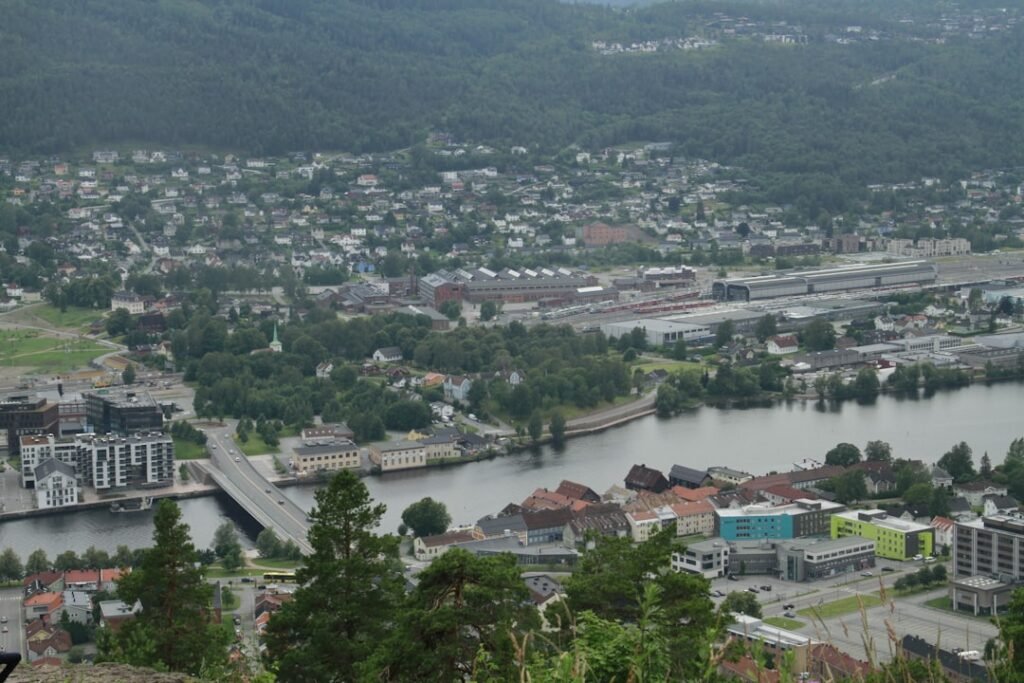
Weather holds a significant place in Norwegian culture, shaping not only the daily lives of its inhabitants but also their traditions and social interactions. Given Norway’s diverse climate, which ranges from coastal mildness to the harshness of the Arctic, the weather is a constant topic of conversation and consideration. Norwegians are known for their resilience and adaptability, traits that are often attributed to their relationship with the ever-changing weather.
The seasons dictate not only the activities available but also the mood and lifestyle of the people. For instance, long summer days encourage outdoor gatherings and festivals, while the dark winter months foster a sense of community through indoor activities and celebrations. Moreover, the weather influences various aspects of Norwegian life, from clothing choices to food preferences.
The concept of “koselig,” which embodies a sense of coziness and warmth, is often associated with winter weather, where families gather indoors, enjoying hearty meals and each other’s company. This cultural appreciation for weather extends to literature and art, where the dramatic landscapes and changing seasons are frequently depicted. Thus, understanding the weather is not merely about forecasting; it is about grasping a vital element of Norwegian identity. The NLS Norwegian Language School offers comprehensive courses for all levels. Register today to get started.
Summary
- Weather plays a significant role in Norwegian culture, influencing daily activities and social interactions.
- Basic weather vocabulary in Norwegian includes words like “sol” (sun), “regn” (rain), and “snø” (snow).
- Common weather phrases in Norwegian include “Hvordan er været i dag?” (How is the weather today?) and “Det er kaldt ute” (It is cold outside).
- To ask about the weather in Norwegian, you can use phrases like “Hvordan blir været i morgen?” (How will the weather be tomorrow?) and “Skal det regne i dag?” (Will it rain today?).
- Describing the weather in Norwegian involves using adjectives like “varm” (warm), “kald” (cold), and “vindfull” (windy).
Basic Weather Vocabulary in Norwegian
To engage in conversations about the weather in Norway, one must first familiarise themselves with basic weather vocabulary in Norwegian. The language offers a rich array of terms that describe various weather conditions. For instance, “vær” translates to “weather,” while “sol” means “sun,” and “regn” refers to “rain.” Other essential terms include “snø” for “snow,” “vind” for “wind,” and “skyer” for “clouds.” These words form the foundation for discussing daily weather conditions and can be easily incorporated into everyday conversations.
Additionally, adjectives play a crucial role in describing the weather more vividly. Words like “varm” (warm), “kald” (cold), “fuktig” (humid), and “tørr” (dry) can be combined with the basic vocabulary to create more nuanced descriptions. For example, one might say “Det er kaldt og snøfylt i dag,” meaning “It is cold and snowy today.” By mastering this basic vocabulary, learners can begin to express themselves more confidently when discussing the weather in Norwegian.
Common Weather Phrases in Norwegian
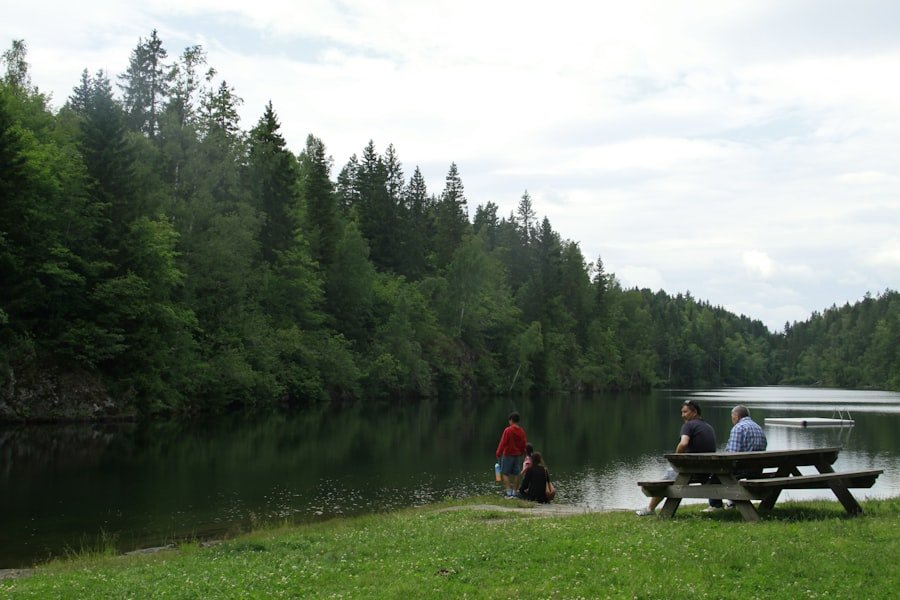
In addition to basic vocabulary, there are several common phrases that are frequently used when talking about the weather in Norwegian. These phrases can help learners navigate conversations more smoothly and sound more natural. One such phrase is “Hva slags vær har vi i dag?” which translates to “What kind of weather do we have today?” This question is a great way to initiate a discussion about the current weather conditions.
Another useful phrase is “Det ser ut til å bli fint vær i helgen,” meaning “It looks like it will be nice weather this weekend.” This expression not only conveys information but also opens up opportunities for further conversation about weekend plans or activities that might be affected by the weather. By incorporating these common phrases into their vocabulary, learners can enhance their ability to engage in meaningful discussions about the weather with native speakers.
How to Ask About the Weather in Norwegian
Asking about the weather is a fundamental aspect of social interaction in Norway. It serves as an icebreaker and a way to connect with others. To inquire about the weather, one can use simple yet effective questions such as “Hvordan er været i dag?” which means “How is the weather today?” This straightforward question invites the other person to share their observations and opinions about the current conditions.
Another approach is to ask more specific questions, such as “Blir det regn i morgen?” meaning “Will it rain tomorrow?” This type of inquiry not only shows interest in the weather but also allows for discussions about future plans that may be influenced by upcoming weather changes. By mastering these questions, learners can engage more effectively in conversations and demonstrate their interest in both the topic and the person they are speaking with.
How to Describe the Weather in Norwegian
Describing the weather accurately is essential for effective communication, especially in a country where it plays such a pivotal role in daily life. When describing the weather in Norwegian, one can use a combination of vocabulary and phrases learned earlier. For instance, if it is sunny, one might say, “Det er solfylt og varmt i dag,” which translates to “It is sunny and warm today.” This description provides a clear picture of the current conditions.
Conversely, if the weather is less favourable, one could say, “Det er kaldt og blåsende,” meaning “It is cold and windy.” Such descriptions not only convey information but also set the tone for further conversation. By using descriptive language effectively, learners can paint a vivid picture of the weather, making their conversations more engaging and relatable.
Weather-Related Idioms and Expressions in Norwegian
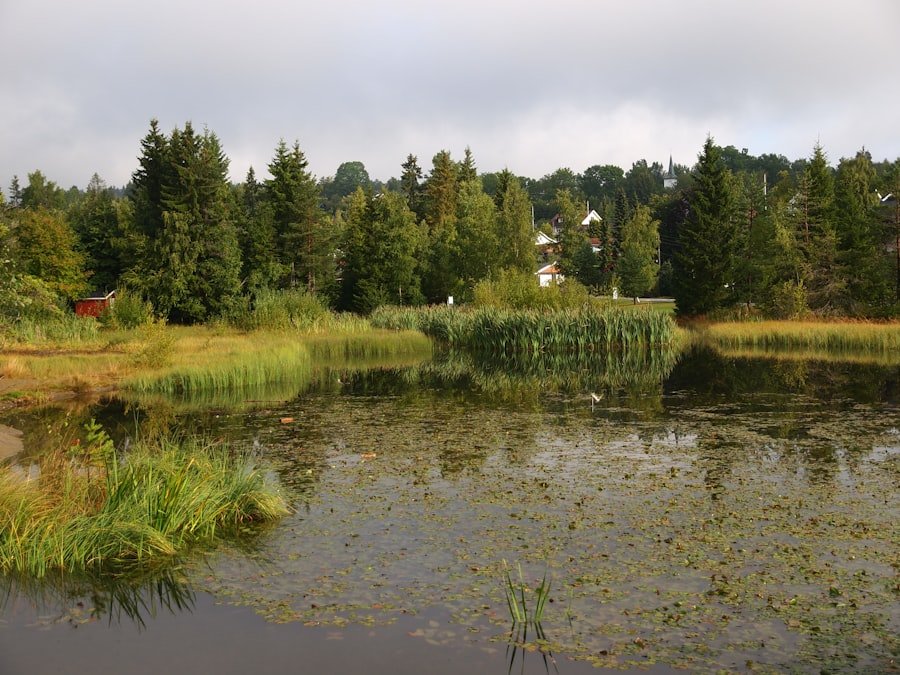
Norwegian language is rich with idioms and expressions related to weather that reflect cultural attitudes and beliefs. One popular expression is “Det er ikke dårlig vær, bare dårlige klær,” which translates to “There is no bad weather, only bad clothing.” This saying encapsulates the Norwegian spirit of embracing outdoor activities regardless of the conditions, highlighting a cultural emphasis on preparedness and resilience. Another interesting idiom is “Å gå på skyer,” meaning “to walk on clouds,” which is used to describe someone who is extremely happy or euphoric.
Such expressions not only enrich conversations but also provide insight into how Norwegians perceive their environment and emotions in relation to it. By learning these idioms, language learners can gain a deeper understanding of Norwegian culture while also enhancing their conversational skills.
Using Weather to Start Conversations in Norwegian
Weather serves as an excellent conversation starter in Norway, providing a neutral topic that can lead to deeper discussions. When meeting someone new or engaging with acquaintances, one might begin with a simple observation like “Det er kaldt i dag!” (“It is cold today!”). This statement can prompt responses that lead to discussions about personal experiences with the weather or plans for upcoming activities.
Additionally, discussing seasonal changes can also be an effective way to initiate conversation. For example, one could say, “Jeg elsker våren når blomstene begynner å blomstre,” meaning “I love spring when the flowers start to bloom.” Such comments not only express personal feelings but also invite others to share their thoughts and experiences related to seasonal changes. By using weather as a conversational tool, learners can foster connections and engage more meaningfully with others.
Talking About Seasonal Weather Changes in Norwegian
Norway experiences distinct seasonal changes that significantly impact daily life and activities. When discussing these changes in Norwegian, one can use phrases like “Sommeren er varm og lys,” which means “Summer is warm and bright.” This description captures the essence of summer in Norway, where long days encourage outdoor activities and social gatherings. Conversely, winter brings its own set of characteristics that can be described with phrases such as “Vinteren er kald og mørk,” meaning “Winter is cold and dark.” This stark contrast between seasons provides ample opportunity for conversation about personal preferences or seasonal activities.
By discussing these seasonal changes in Norwegian, learners can engage in meaningful dialogues that reflect both cultural appreciation and personal experiences.
Weather-Related Small Talk in Norwegian
Small talk about the weather is a common practice in Norway, serving as a way to connect with others in casual settings. Engaging in this type of conversation can be as simple as commenting on current conditions or sharing thoughts about upcoming forecasts. For instance, one might say, “Det ser ut som det blir regn i morgen,” meaning “It looks like it will rain tomorrow.” Such comments can lead to discussions about how rain affects plans or activities.
Moreover, small talk can also include reflections on how different seasons impact daily life. A statement like “Jeg gleder meg til snøen kommer!” (“I am looking forward to when the snow comes!”) can spark conversations about winter sports or holiday traditions associated with snow. By participating in weather-related small talk, learners can practice their language skills while building rapport with others.
Polite Ways to Respond to Weather Comments in Norwegian
Responding politely to comments about the weather is an essential aspect of maintaining engaging conversations in Norwegian. When someone shares their thoughts on the weather, a simple acknowledgment such as “Ja, det er sant!” (“Yes, that’s true!”) shows that you are actively listening and participating in the dialogue. This response encourages further discussion and demonstrates your interest in what they have to say.
Additionally, expressing agreement or sharing personal experiences related to their comment can enhance the conversation. For example, if someone mentions how beautiful a sunny day is, you might respond with “Ja, jeg elsker solfylte dager!” (“Yes, I love sunny days!”). Such responses not only validate their feelings but also provide an opportunity for deeper engagement on shared interests related to the weather.
Weather-Related Activities and Events in Norway
In Norway, various activities and events are closely tied to seasonal weather patterns. During summer months, outdoor festivals abound, celebrating everything from music to local cuisine under the bright sun. Events like the Oslo Jazz Festival attract visitors who enjoy soaking up both culture and sunshine.
Similarly, winter brings its own set of activities such as skiing competitions and Christmas markets that thrive amidst snowy landscapes. The NLS Norwegian Language School in Oslo offers courses that delve into these cultural aspects while teaching language skills relevant to discussing such events. Students learn not only how to talk about different seasons but also how these seasons influence local traditions and celebrations.
By participating in these courses at NLS, learners gain valuable insights into Norwegian culture while enhancing their language proficiency through practical applications related to weather and seasonal activities. In conclusion, understanding how to discuss weather in Norwegian opens up numerous avenues for social interaction and cultural appreciation. From basic vocabulary to idiomatic expressions, mastering these elements allows learners to engage meaningfully with native speakers while exploring Norway’s rich cultural landscape through its ever-changing climate.
The NLS Norwegian Language School provides an excellent platform for those looking to deepen their understanding of both language and culture through immersive learning experiences focused on real-life contexts like weather-related conversations and events.
Start your Norwegian language journey with Oslo’s leading school.